Patrick Cockburn ist ein irischer Journalist, dessen Berichterstattung aus dem Nahen Osten tiefe Einblicke in die komplexe politische und gesellschaftliche Dynamik der Region bietet. Er befasst sich mit den historischen Wurzeln gegenwärtiger Konflikte und vermittelt ein differenziertes Verständnis der wirkenden Kräfte. Cockburns Ansatz zeichnet sich durch akribische Recherche und die Fähigkeit aus, verborgene Zusammenhänge aufzudecken, was den Lesern einen durchdringenden Blick auf die Ereignisse ermöglicht, die den Nahen Osten prägen. Seine Arbeit zeichnet sich durch scharfe Beobachtung und das Bemühen aus, die menschlichen Geschichten im Zentrum großer geopolitischer Veränderungen zu verstehen.
In diesem Buch sind erstmals gesammelte Reportagen von Patrick Cockburn aus den derzeit wichtigsten Brennpunkten der Weltpolitik versammelt. Er berichtet von den dramatischen Folgen des 1990 verhängten Embargos gegen den Irak, indem er seine Opfer porträtiert. Er erzählt vom Aufstand gegen die amerikanischen Truppen, indem er dessen Protagonisten interviewt. Und er begleitet die Bewohner Syriens auf dem Weg in die Katastrophe, genauso wie jene Menschen, die unter der Herrschaft des IS leben müssen. Von 1990 bis 2016 spannt sich dabei der Bogen seiner Berichte von der Front und vom Leben in zerfallenden Staaten. Seine Reportagen sind auch eine Anklage an die westlichen Kriegstreiber und die lokalen Warlords, die eine ganze Weltregion ins Chaos gestürzt haben.
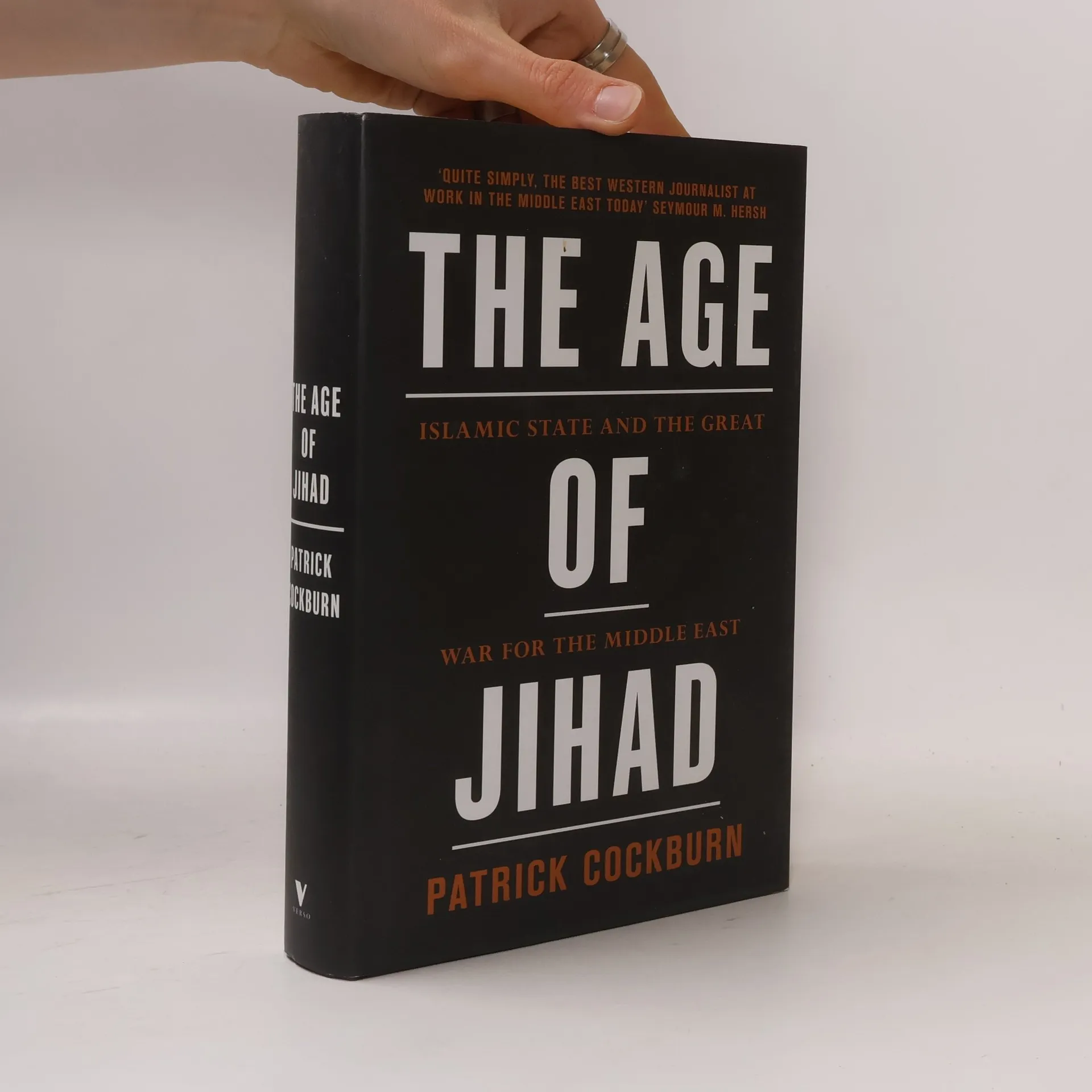
From the award-winning author of The Rise of Islamic State, the essential story of the Middle East’s disintegration The Age of Jihad charts the turmoil of today’s Middle East and the devastating role the West has played in the region from 2001 to the present. Beginning with the US-led invasion of Afghanistan, Cockburn explores the vast geopolitical struggle that is the Sunni–Shia conflict, a clash that shapes the war on terror, western military interventions, the evolution of the insurgency, the civil wars in Yemen, Libya and Syria, the Arab Spring, the fall of regional dictators, and the rise of Islamic State. As Cockburn shows in arresting detail, Islamic State did not explode into existence in Syria in the wake of the Arab Spring, as conventional wisdom would have it. The organization gestated over several years in occupied Iraq, before growing to the point where it can threaten the stability of the whole region. Cockburn was the first Western journalist to warn of the dangers posed by Islamic State. His originality and breadth of vision make The Age of Jihad the most in-depth analysis of the regional crisis in the Middle East to date.
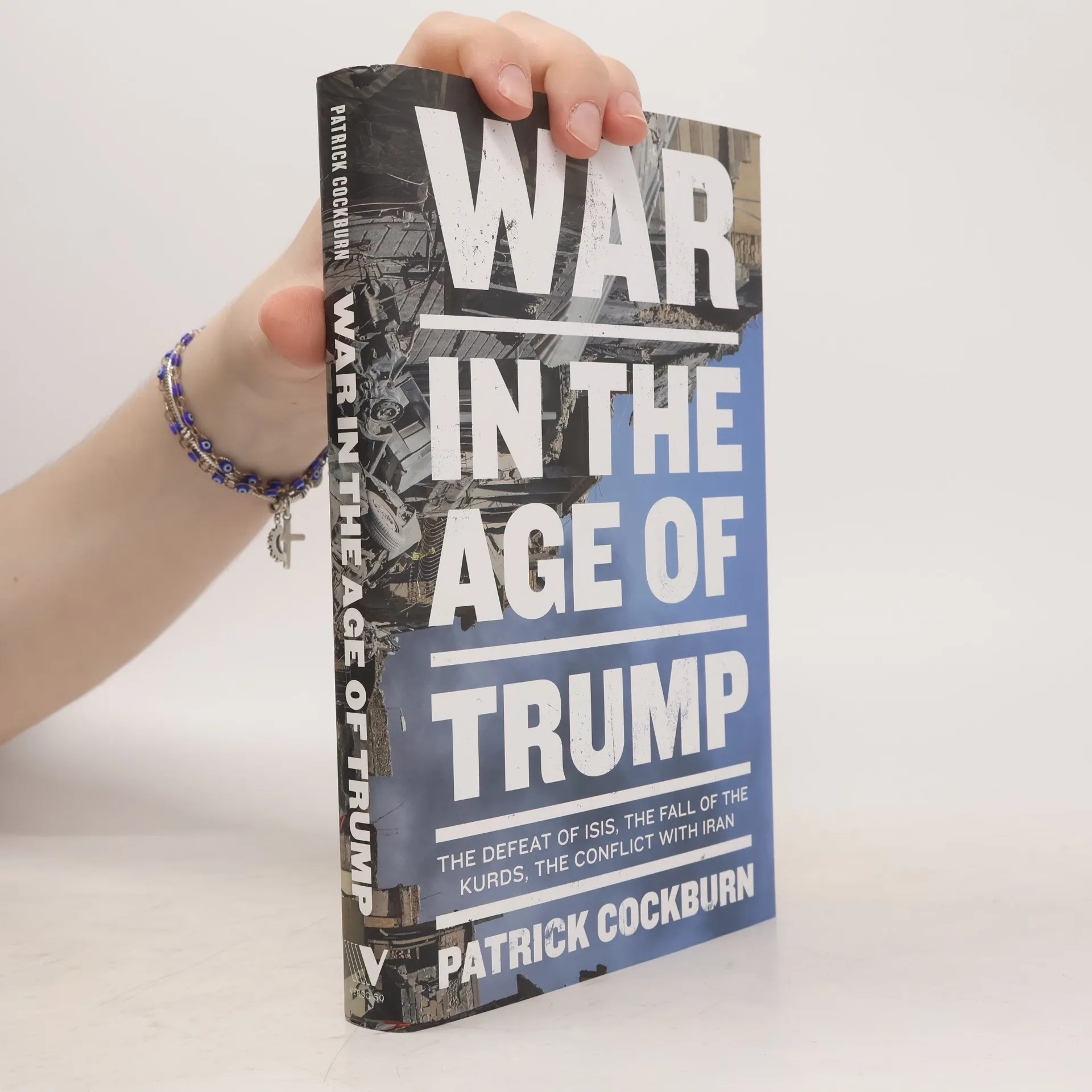
Is the fall of ISIS the end of the perpetual war in the Middle East?In this urgent and timely book, Patrick Cockburn writes the first draft of the history of the current crisis in the Middle East. Here he charts the period from the recapture of Mosul in 2017 to Turkey’s attack on Kurdish territory in November 2019, and recounts the new phase in the wars of disintegration that have plagued the region. The ground battle with the caliphate is perhaps over, but was this the end of the conflict that has scarred these nations for decades?Cockburn offers panoramic on-the-ground analysis as well as a lifetime’s study of the region. And here he shows how peace appears a distant possibility with the continuation of conflict in Syria, Saudi Arabia’s violent intervention in the Yemen, riots in Baghdad and Tehran. At the same time, the rising aggression between Israel and Iran, the raising of stakes between the US, Russia and Turkey, shows that this remains the theatre of the proxy wars of the world’s superpowers. Has Trump abandoned the area for good, leaving a vacuum for others—Putin, Erdogan, Mohammed Bin Saud—to fill? He also looks at what might happen to the Islamic will it disappear now that it has lost its territory or emerge in a new form and with renewed violence?
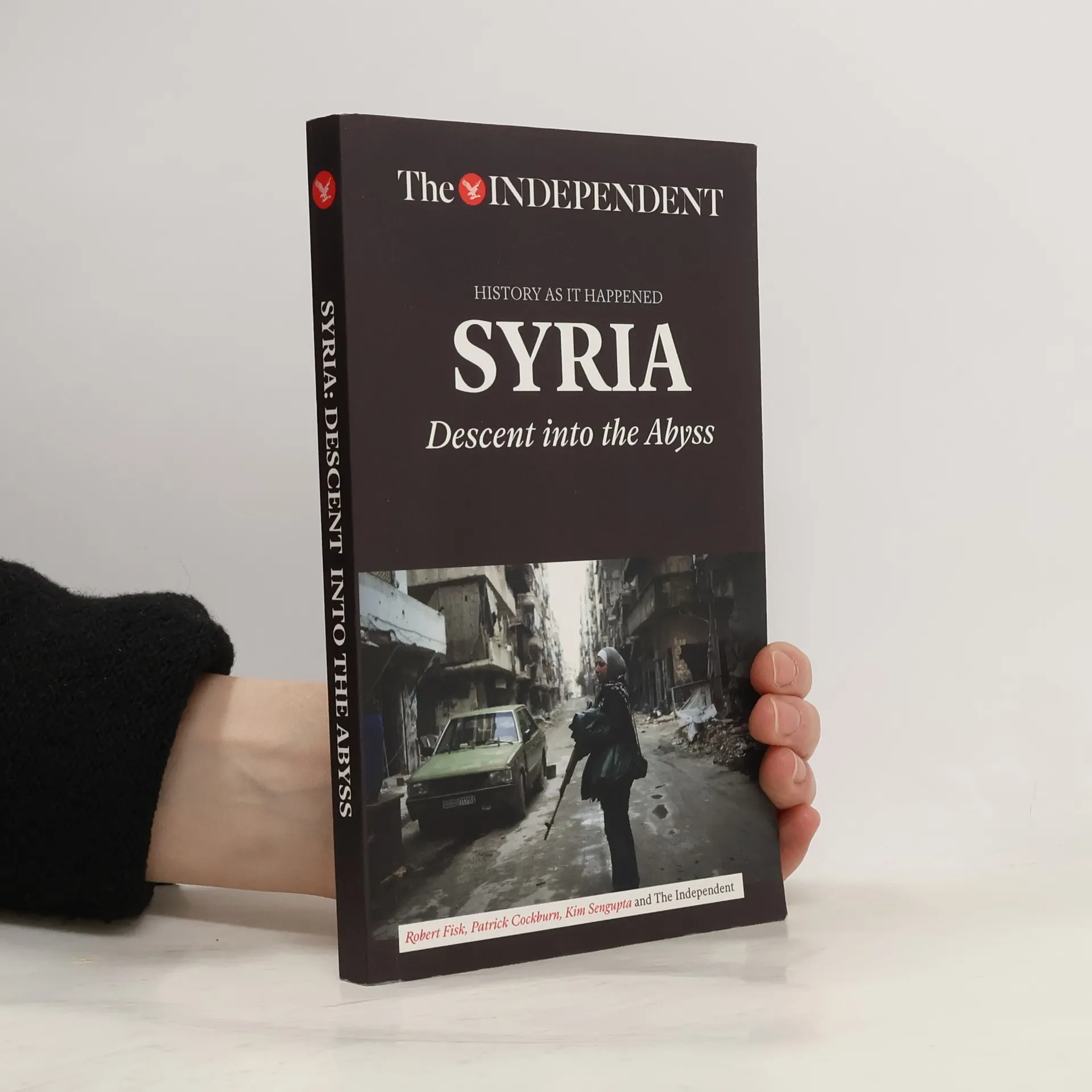
This remarkable anthology chronicles more than three years of spiralling violence and despair in Syria: atrocity heaped upon atrocity, misery upon misery, and all - so far - to no avail. No faction is without blood on its hands; no crime, from torture to poison gas, has been deemed taboo. The dead are too numerous to count. As for the living, close to 3 million refugees have fled Syria, with millions more internally displaced. How did we come to this? There is no better way to answer this question than to revisit The Independent's published accounts of the unfolding tragedy. Spearheaded by peerless and profoundly experienced correspondents such as Patrick Cockburn, Robert Fisk, Kim Sengupta, our coverage has led the world in its fearlessness and insight. Syria's tragedy is not yet over.
At the outset of the 1991 Gulf War, US leaders resolved that "Iraqis will pay the price", so long as Saddam Hussein remained in power. This book makes chillingly clear just how terrible that price has been. Eleven years ago Saddam was caught by surprise by the allied attack; his preparations since September 11 show that lessons have been learnt. In a substantial new prologue the authors analyse Saddam's preparations and the terrifying consequences of a military invasion of Iraq.
The essential “on the ground” report on the fastest-growing new threat in the Middle East, from the winner of the 2014 Foreign Affairs Journalist of the Year Award Born of the Iraqi and Syrian civil wars, the Islamic State astonished the world in 2014 by creating a powerful new force in the Middle East. By combining religious fanaticism and military prowess, the new self-declared caliphate poses a threat to the political status quo of the whole region. In The Rise of Islamic State, Patrick Cockburn describes the conflicts behind a dramatic unraveling of US foreign policy. He shows how the West created the conditions for ISIS’s explosive success by stoking the war in Syria. The West—the US and NATO in particular—underestimated the militants’ potential until it was too late and failed to act against jihadi sponsors in Saudi Arabia, Turkey and Pakistan.
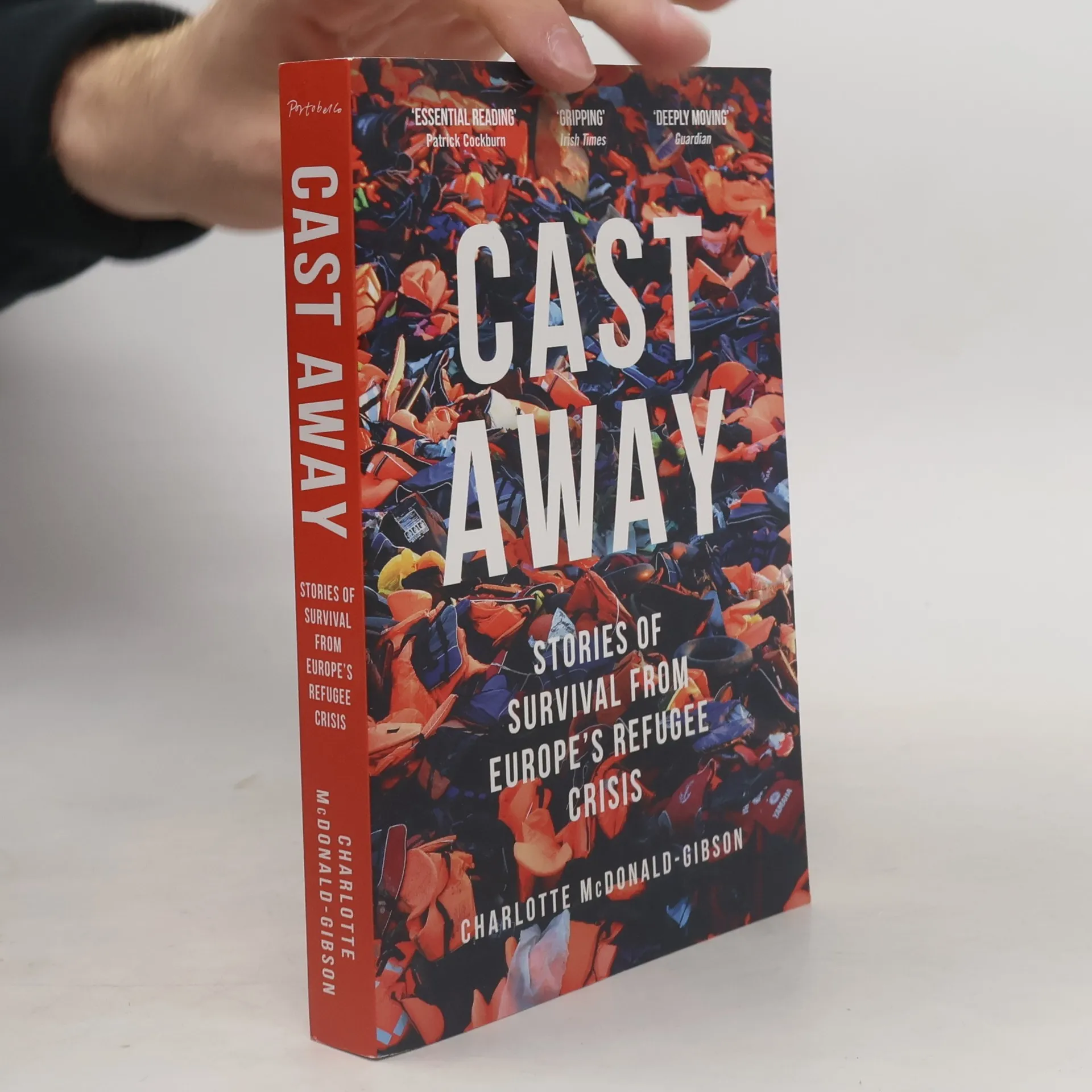
A compelling non-fiction exploration of the refugee crisis in the Mediterranean, told through the stories of those who have made the perilous journey and lived to speak of their experience.
Le retour des djihadistes: Aux racines de l'État islamiqu Download / Read Online PDF ( Télécharger / Lire en ligne PDF )
173 Seiten
7 Lesestunden
Le 10 juin 2014, l'État islamique de l'Irak et du Levant (l'EILL), dirigé par le sunnite Abu Bakr al Baghdaoui, prend la capitale nord de l'Irak, Mossoul. 1300 insurgés défont 350000 soldats de l'armée irakienne. C'est l'une des plus grandes débâcles militaires de tous les temps. Une date cruciale qui marque la fin d'un processus de libération commencé avec la mort de Saddam Hussein en 2003. Cet événement est un véritable choc pour l'Occident qui n'a rien vu venir : la plupart des observateurs avaient dû quitter la région et la « guerre contre la terreur » s'était focalisée essentiellement sur Al Qaeda, trop longtemps considérée comme une organisation unique et structurée et non comme la « base » d'où ont émergé une pluralité de groupes armés. Résultat : l'Etat islamique de l'Irak et du Levant contrôle maintenant le nord et l'ouest de l'Irak et le nord et l'est de la Syrie. Soit un état de la taille de l'Angleterre ou du Michigan. Patrick Cockburn, grand reporter spécialiste du Moyen-Orient retrace la montée en puissance de ce Djihad similaire à l'avènement du fascisme dans les années 1930. Il montre que ce mouvement, à ses origines peu important et affaibli par l'intervention américaine en 2001, s'est nourri de la politique de l'Occident. Au lendemain du 11 septembre notamment, les alliances avec l'Arabie Saoudite et le Pakistan n'ont jamais été remises en causes alors que ces deux pays sont aujourd'hui les principaux bailleurs de fonds du Djihad. Parallèlement, la vente d'armes aux rebelles syriens aujourd'hui dominés par des combattants sunnites — qui ont peu à peu relégué au second plan les autres mouvements de résistance à Bachar el Assad — ont contribué à renforcer le mouvement. Loin de tout manichéisme, fort de son expérience sur le terrain, Cockburn nous livre une analyse extrêmement fine de la situation au Moyen Orient. Démontrant une à une les idées reçues véhiculées notamment par la presse internationale, il expose de manière claire la superposition de différents niveaux de conflits dans cette région. C'est désormais le principal Enjeu stratégique pour les grandes puissances et une terre de rivalités historiques entre différents courants religieux, notamment chiites et sunnites. Il explique aussi comment ces conflits, parallèlement à la montée du wahhabisme dans la communauté sunnite affectent les 1, 6 milliards de musulmans dans le monde, un quart de la population du globe. Un bouleversement qui redistribue toutes les cartes entre Orient et Occident.