

Bookbot

Stephen Addiss Bücher

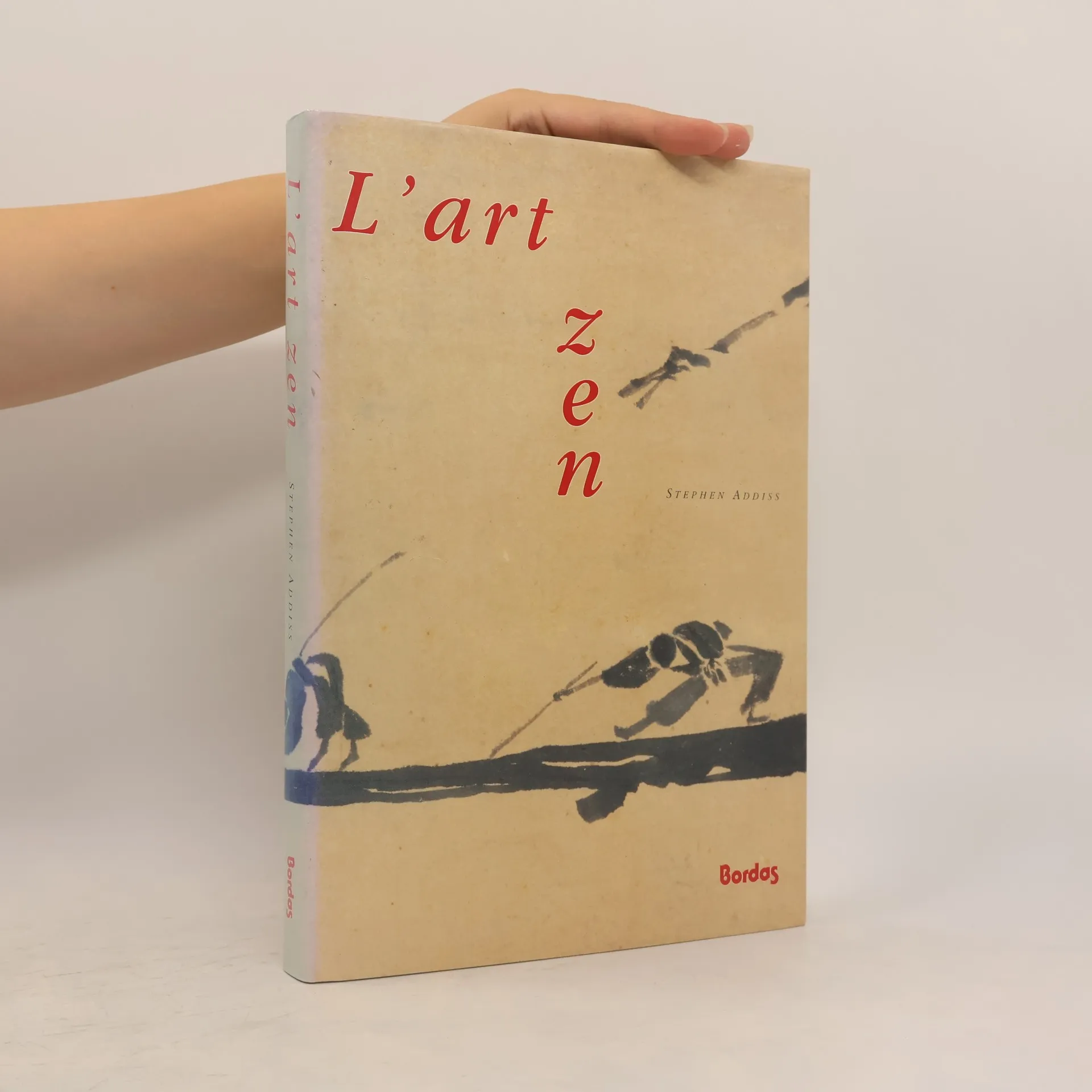
    L'art Zen
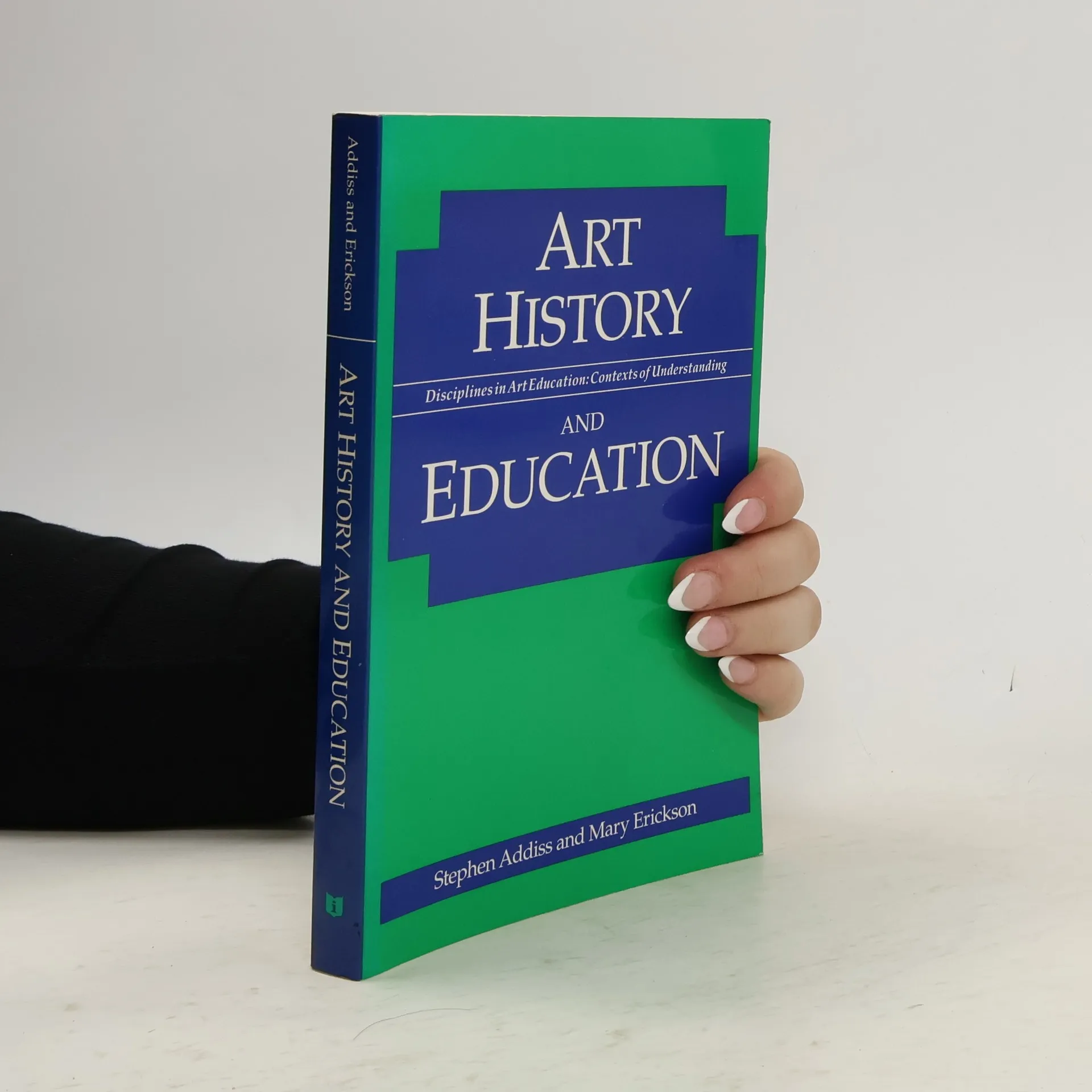
    Art History and Education
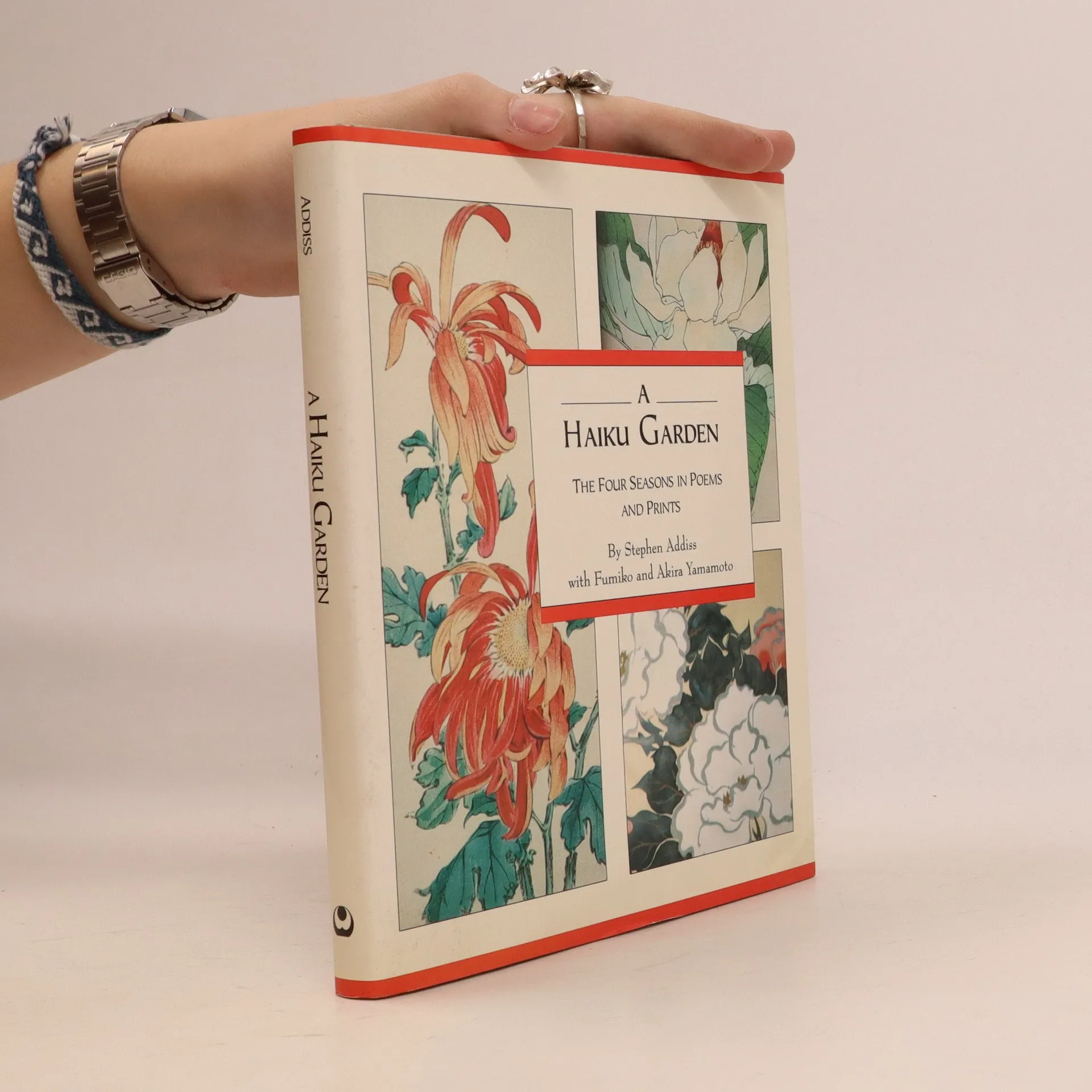
    A Haiku Garden
    The Art of Haiku
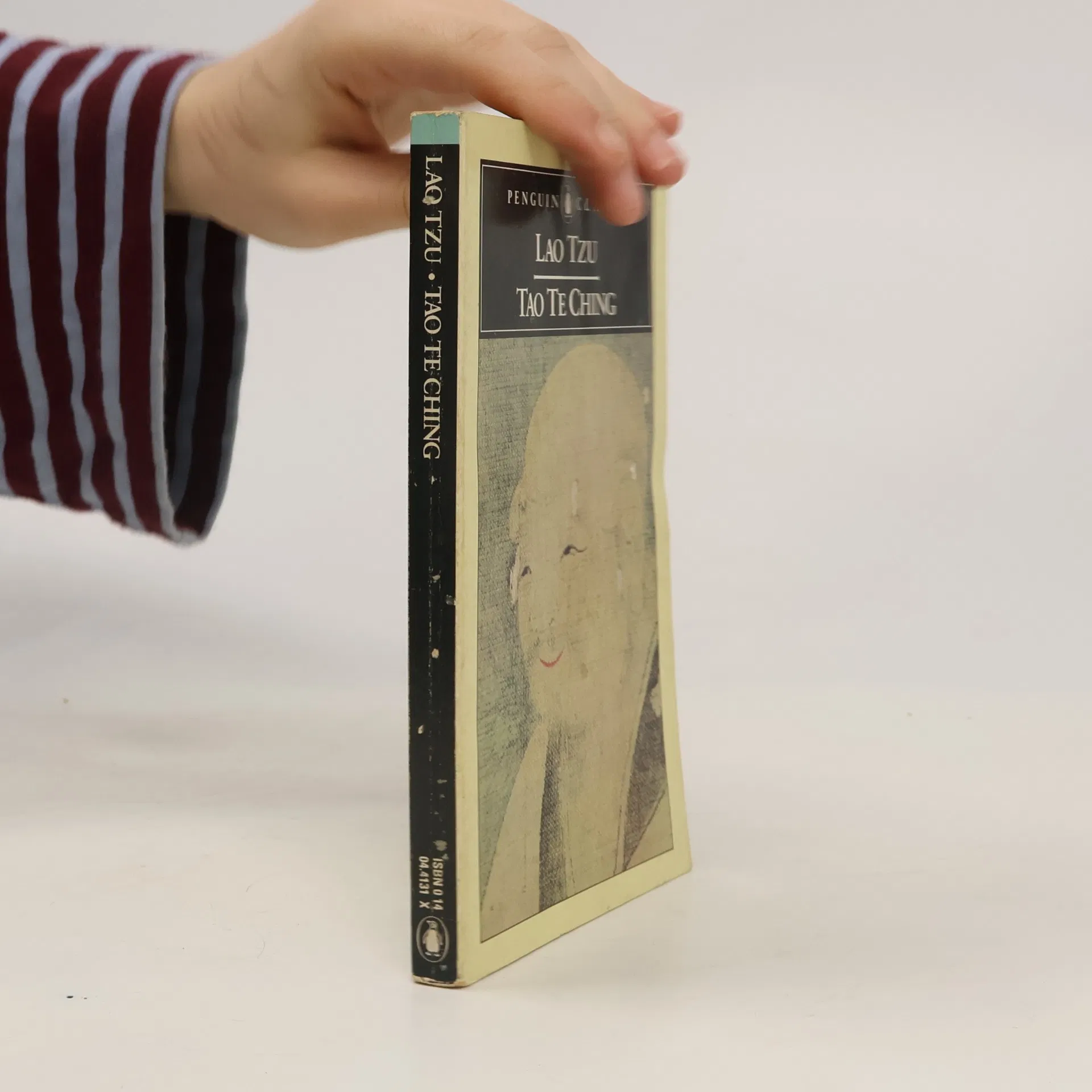
    Tao Te Ching
    • Tao Te Ching

      • 176 Seiten
      • 7 Lesestunden

      Traditionally attributed to Lao Tzu, an older contemporary of Confucius (551 - 479 BC), it is now thought that the work was compiled in about the fourth century BC. An anthology of wise sayings, it offers a model by which the individual can live rather than explaining the human place in the universe. The moral code it encourages is based on modesty and self-restraint, and the rewards reaped for such a life are harmony and flow of life. For more than seventy years, Penguin has been the leading publisher of classic literature in the English-speaking world. With more than 1,700 titles, Penguin Classics represents a global bookshelf of the best works throughout history and across genres and disciplines. Readers trust the series to provide authoritative texts enhanced by introductions and notes by distinguished scholars and contemporary authors, as well as up-to-date translations by award-winning translators.
      Tao Te Ching
      4,5
    • In the past hundred years, haiku has gone far beyond its Japanese origins to become a worldwide phenomenon—with the classic poetic form growing and evolving as it has adapted to the needs of the whole range of languages and cultures that have embraced it. This proliferation of the joy of haiku is cause for celebration—but it can also compel us to go back to the to look at haiku’s development during the centuries before it was known outside Japan. This in-depth study of haiku history begins with the great early masters of the form—like Basho, Buson, and Issa—and goes all the way to twentieth-century greats, like Santoka. It also focuses on an important aspect of traditional haiku that is less known in the haiku art. All the great haiku masters created paintings (called haiga ) or calligraphy in connection with their poems, and the words and images were intended to be enjoyed together, enhancing each other, and each adding its own dimension to the reader’s and viewer’s understanding. Here one of the leading haiku scholars of the West takes us on a tour of haiku poetry’s evolution, providing along the way a wealth of examples of the poetry and the art inspired by it.

      The Art of Haiku
      4,7
    • A Haiku Garden

      • 112 Seiten
      • 4 Lesestunden

      Some 120 haiku by such masters as Basho, Issa, and Buson—all written on themes of the beauty of nature—are combined with the woodblock prints and paintings of the great artists of classical Japan. The poems appear both in skillful English translation, as well as in the original Japanese.

      A Haiku Garden
      4,4
    • Art History and Education

      Disciplines in Art Education: Contexts of Understanding

      • 248 Seiten
      • 9 Lesestunden

      Guided by Stephen Addiss's grounding in art history scholarship and Mary Erickson's expertise in art education theory and practice, this volume approaches the issue of teaching art history from theoretical and philosophical as well as practical and political standpoints. In the first section, Addiss raises issues about the discipline of art history. In the second, Erickson examines proposals about how art history can be incorporated into the general education of children and offers some curriculum guides and lesson plans for art educators.

      Art History and Education
      3,4
    • L'art Zen

      • 223 Seiten
      • 8 Lesestunden

      L'art zen rassemble pour la première fois un ensemble unique d'oeuvres issues de monastères japonais ou de collections privées souvent inaccessibles au public. Ces peintures et calligraphies "zenga" expriment la vision du monde développée par le bouddhisme Zen. Bien plus que le minimalisme du Nô, le dépouillement ascétique des jardins de sable ou le raffinement de la cérémonie du thé, le zenga est la plus parfaite expression de la méditation, le passage nécessaire vers l'illumination. Spontanéité du geste longuement intériorisé, usage du paradoxe, humour, conscience du néant, emphase du mouvement ou tracé volontairement hâtif et grossier au contraire, président à ces créations où l'on retrouve les fondements de la sagesse zen. Le livre permet au lecteur d'enrichir sa compréhension de l'art zen, expression d'une philosophie. Il en retrace l'évolution. Emaillé de poèmes et de maximes zen, il met en scène et fait revivre ces moines singuliers, parfois excentriques qui, de 1600 à 1925, ont exploré les voies de cette philosophie.

      L'art Zen