

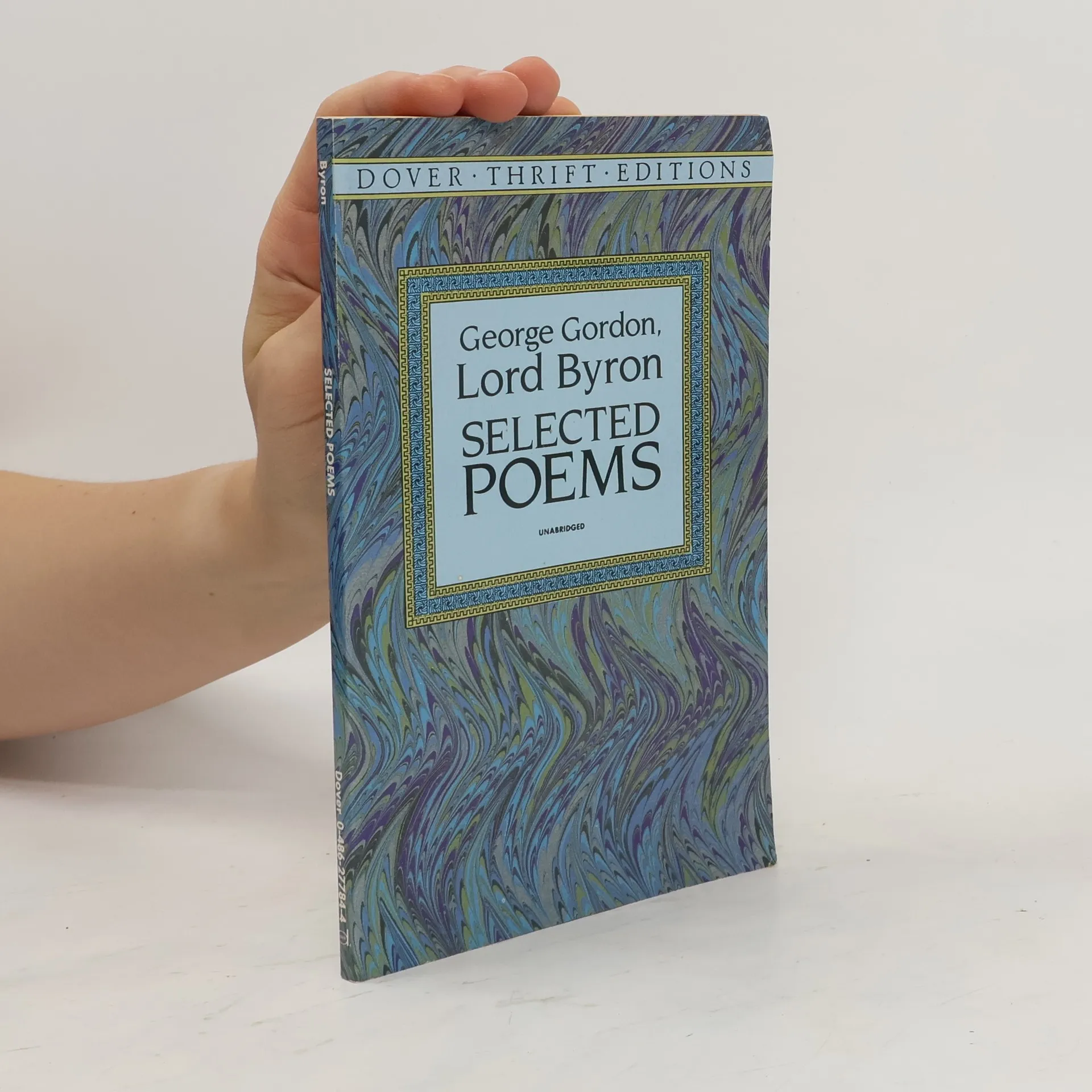
Byron's free-spirited lifestyle combined with his rare poetic gift to make him one of the foremost figures of the Romantic Era. This collection of his poems, richly varied in mood and content, captures the essence of his great achievement. Among the thirty-one poems included are convivial song-like poems, love poems, travel poems, humorous and satiric poems. Shorter works such as the famous "She Walks in Beauty," "Stanzas to Augusta" and "So We'll Go No More a Roving" are well represented. Also here are important longer works — "The Prisoner of Chillon," "Beppo," "The Vision of Judgment," all unabridged — and lyrics excerpted from Don Juan, Childe Harold's Pilgrimage, and the play Manfred. Taken together, these are poems that draw readers quickly into the passions, humors, and convictions of a poet whose life and work truly embodied the Romantic spirit.
Jerome J. McGann Reihenfolge der Bücher (Chronologisch)

Lord Byron
The Major Works
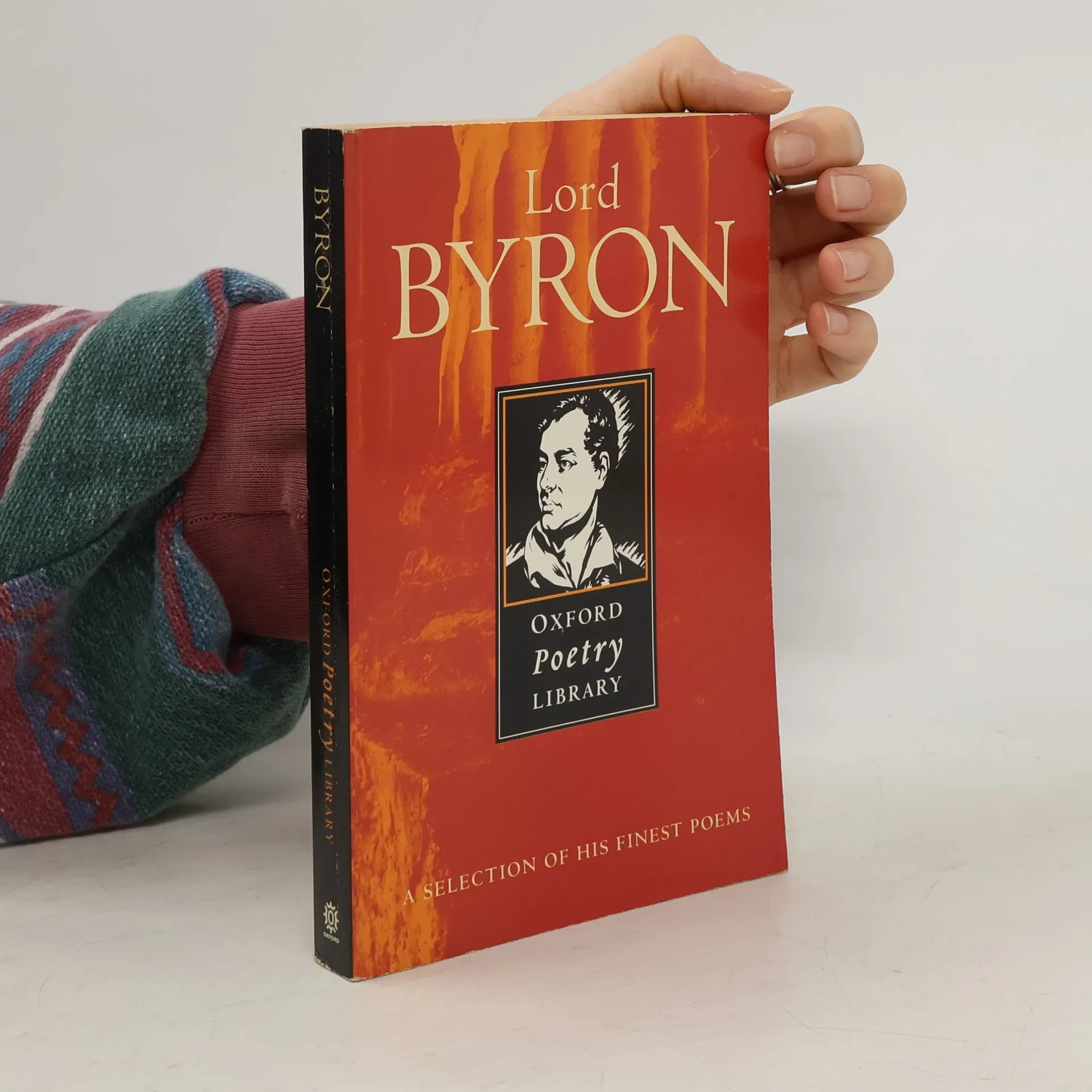
Byron is regarded today as the ultimate Romantic, whose name has entered the language to describe a man of brooding passion. Although his private life shocked his contemporaries his poetry was immensely popular and influential, especially in Europe. This comprehensive edition includes thecomplete texts of his two poetic masterpieces Childe Harold's Pilgrimage and Don Juan , as well as the dramatic poems Manfred and Cain . There are many other shorter poems and part of the satire English Bards and Scotch Reviewers . In addition there is a selection from Byron's inimitable letters,extracts from his journals and conversations, as well as more formal writings.
Byron
- 222 Seiten
- 8 Lesestunden
Lord Byron was won of the most popular and acclaimed writers of his day, as well as the Romantic Age's most notorious figure. He was a man of the world who traveled widely, and who was actively engaged in the events of his day (he died in Greece where he is still honored for his role in resisting Turkish rule). In his poetry he displays a mastery of a sweeping range of topics and forms which reveal his interest in the long tradition of British and continental poetry. The publication of his largely autobiographical poem Childe Harold's Pilgrimage in 1812 rocketed him to fame throughout Europe; he enjoyed the status a rock star might today. With its Romantic emphasis on the personality of the poet, it established the hallmark of all Byron's verse, and marked the emergence of the infamous "Byronic Hero." This new collection, gleaned from Jerome McGann's Complete Poetical Works of Byron, includes generous excerpts from Childe Harold as well as selections from all of the poet's most important works: The Corsair, Manfred, Beppo, and his great satire Don Juan.
The Beauty of Inflections
Literary Investigations in Historical Method and Theory (Clarendon Paperbacks)
- 352 Seiten
- 13 Lesestunden
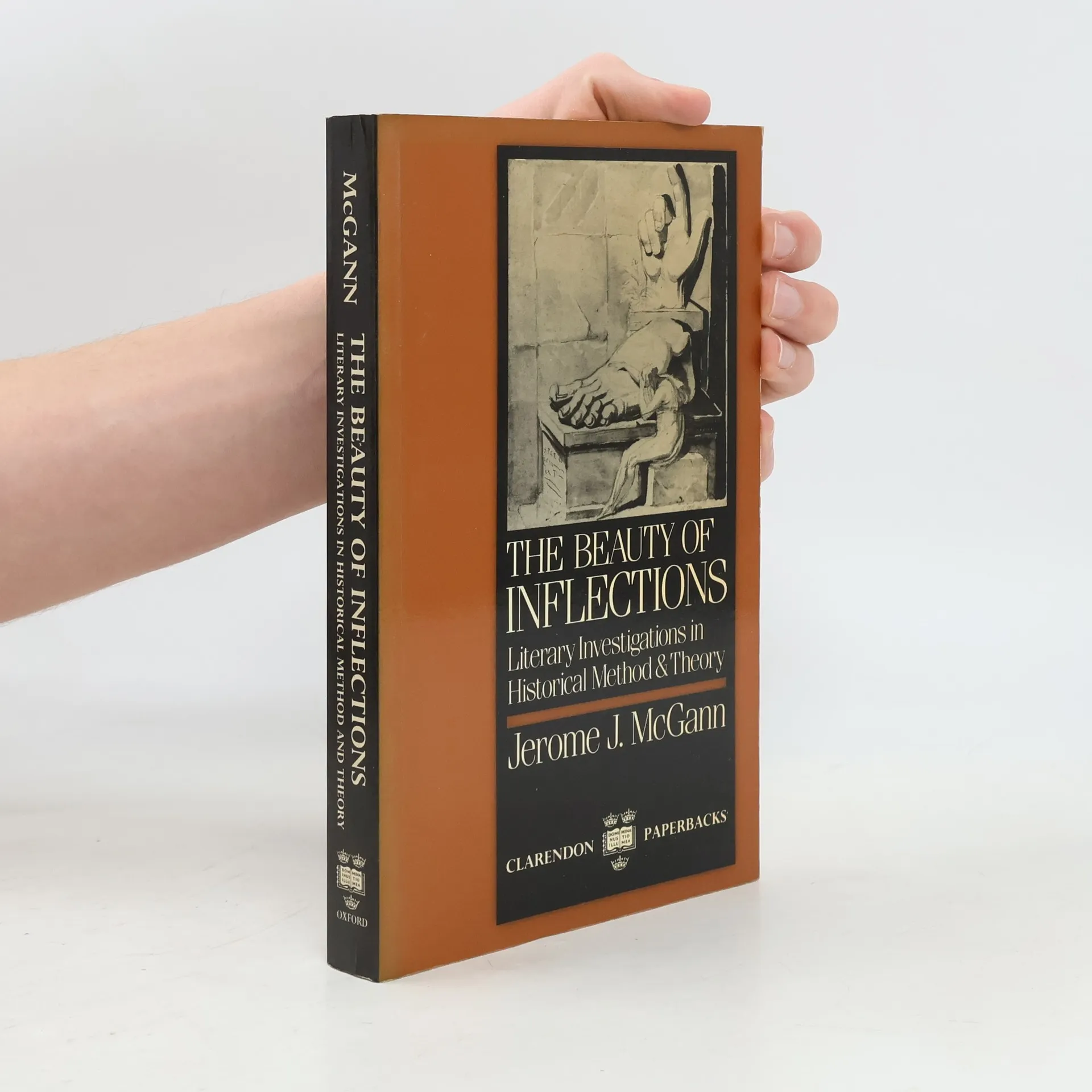
With emphasis on the theoretical and methodological, the studies collected here serve a dual purpose: to explore the fault lines that mark various kinds of ahistorical literary studies from New Criticism to Poststructuralism; and to develop a fully elaborated socio-historical criticism for literary works. McGann moves toward his goal by means of four special sets of investigations: the relation between the so-called "autonomous" poem and its political/historical contexts; the relation of reception and history to literary interpretation; the problems of canon and the characterization of period; and the ideological dimensions of both literary works and criticism of such works. Central to his enquiry is the notion that, whether viewed as an experience or as an event, a literary work is a nexus of various concrete social determinations that can be specified as an aesthetic order.