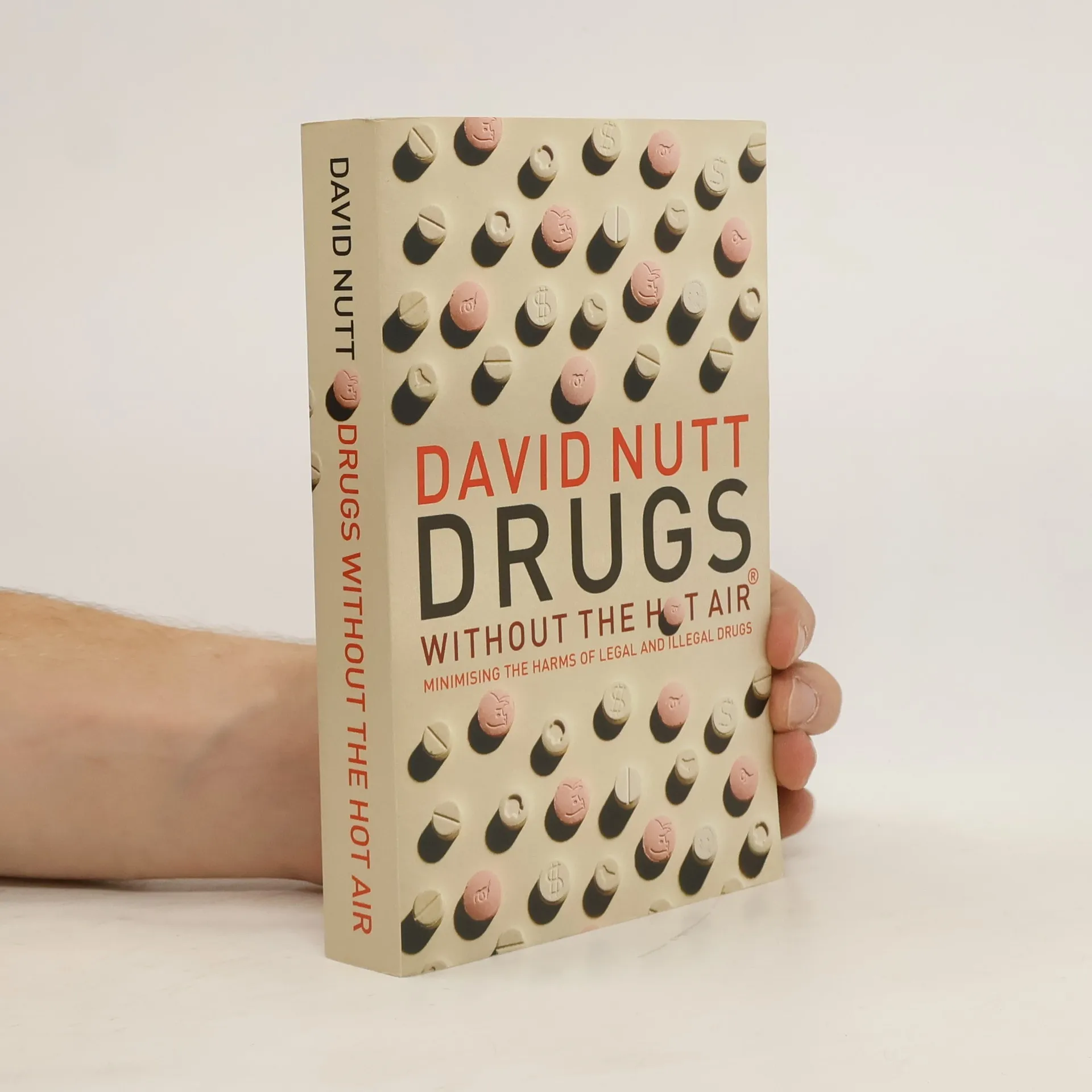
This brilliant book from expert drug scientist David Nutt looks at the facts about drugs, including legal and illegal ones. In straightforward language, he explores the science of what a drug is and how it works, why people take drugs, and how it affects them.
Designed for students old and new, Brain and Mind Made Simple makes sense of
the brain, mind and consciousness. It is packed with examples, patient
histories and explanations, exploring for instance the strange case of Phineas
Gage who survived an iron rod through his brain but with a new personality.
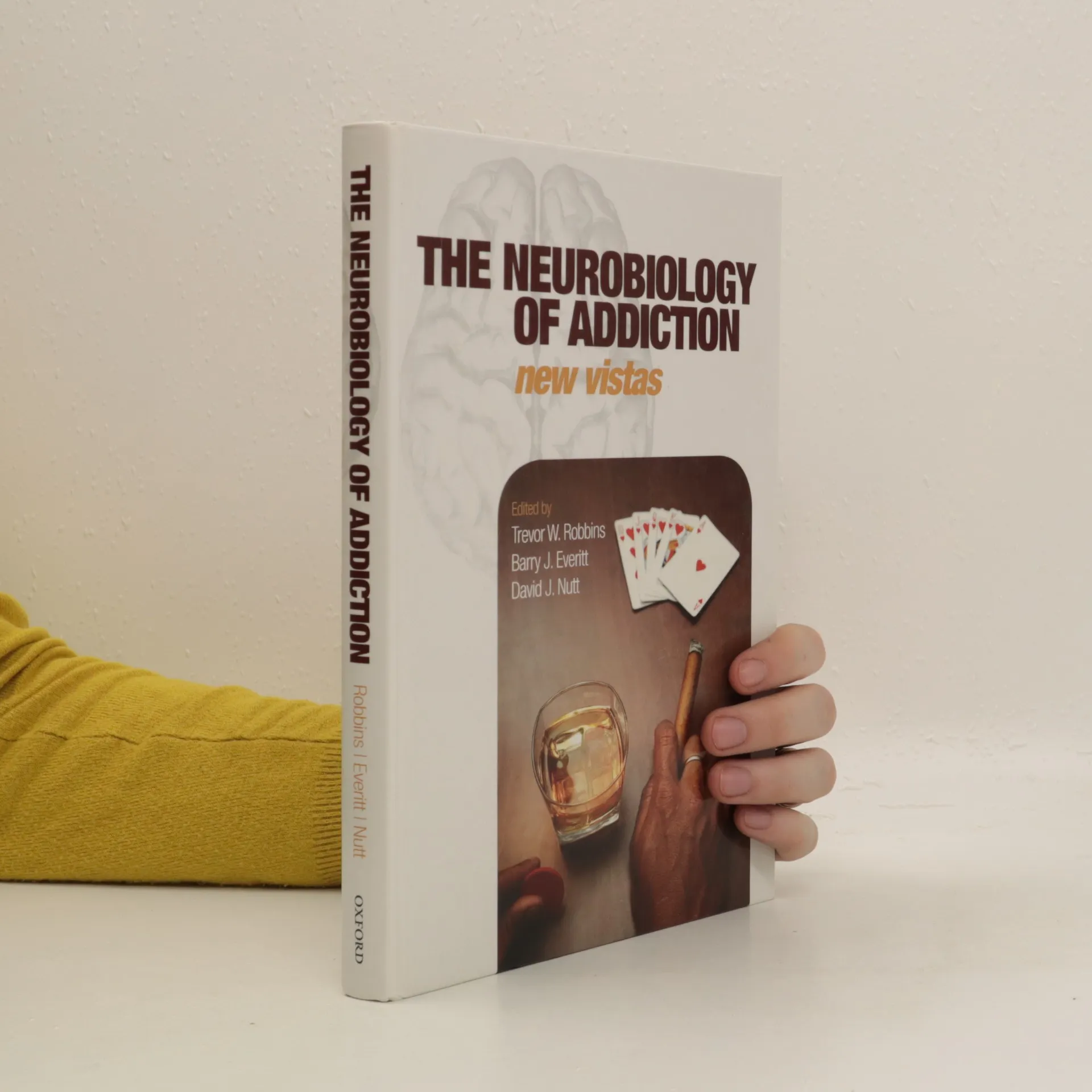
"In the past two decades, there have been astonishing advances in our understanding of the neurobiological basis and nature of drug addiction. We now know the initial molecular sites of action, at identified receptors, of virtually all of the major drugs of abuse including cocaine, heroin, and amphetamine, as well as legal drugs such as nicotine and alcohol. We also understand the main components of a 'reward system' and its connections to major brain regions involved in motivation and emotion, such as the amygdala, hippocampus, and the prefrontal cortex." "The Neurobiology of Addiction describes the latest advances in our understanding of addiction. It brings together world class researchers to debate the nature and extent of addiction, as well as its causes, consequences, and treatment. The focus of the book is on the brain processes underlying addiction, in terms of neural systems, the neurochemical basis, and molecular changes."--Jacket
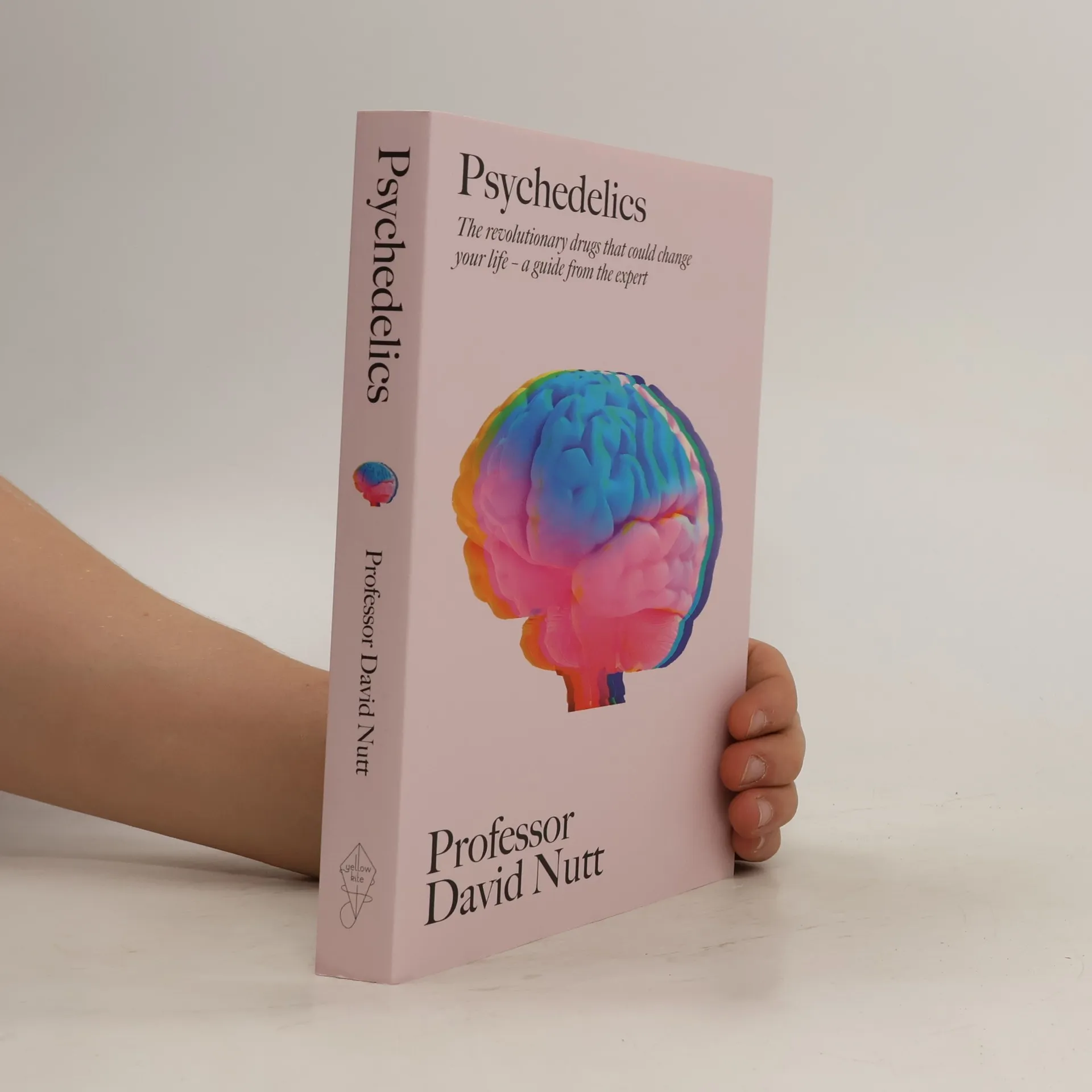
" We are on the cusp of a major revolution in psychiatric medicine and neuroscience. After fifty years of prohibition, criminalisation and fear, science is finally showing us that psychedelics are not dangerous or harmful. Instead, when used according to tested, safe and ethical guidelines, they are our most powerful newest treatment of mental health conditions, from depression, PTSD, and OCD to disordered eating and even addiction and chronic pain. Professor David Nutt, one of the world's leading Neuropsychopharmacologists, has spent 15 years researching this field and it is his most significant body of work to date. In 2018, he co-founded the first academic psychedelic research centre - underpinned by his mission to provide evidence-based information for people everywhere. It revived interest in the understanding and use of this drug in its many forms, including MDMA, ayahuasca, magic mushrooms, LSD and ketamine. The results of this have been nothing short of ground-breaking for the future categorisation of drugs, but also for what we now know about brain mechanisms and our consciousness. At a time where there is an enormous amount of noise around the benefits of psychedelics, this book contains the knowledge you need to know about a drug that is about to go mainstream, free from the hot air, direct from the expert. Are you ready to change your mind?"--Publisher's description.
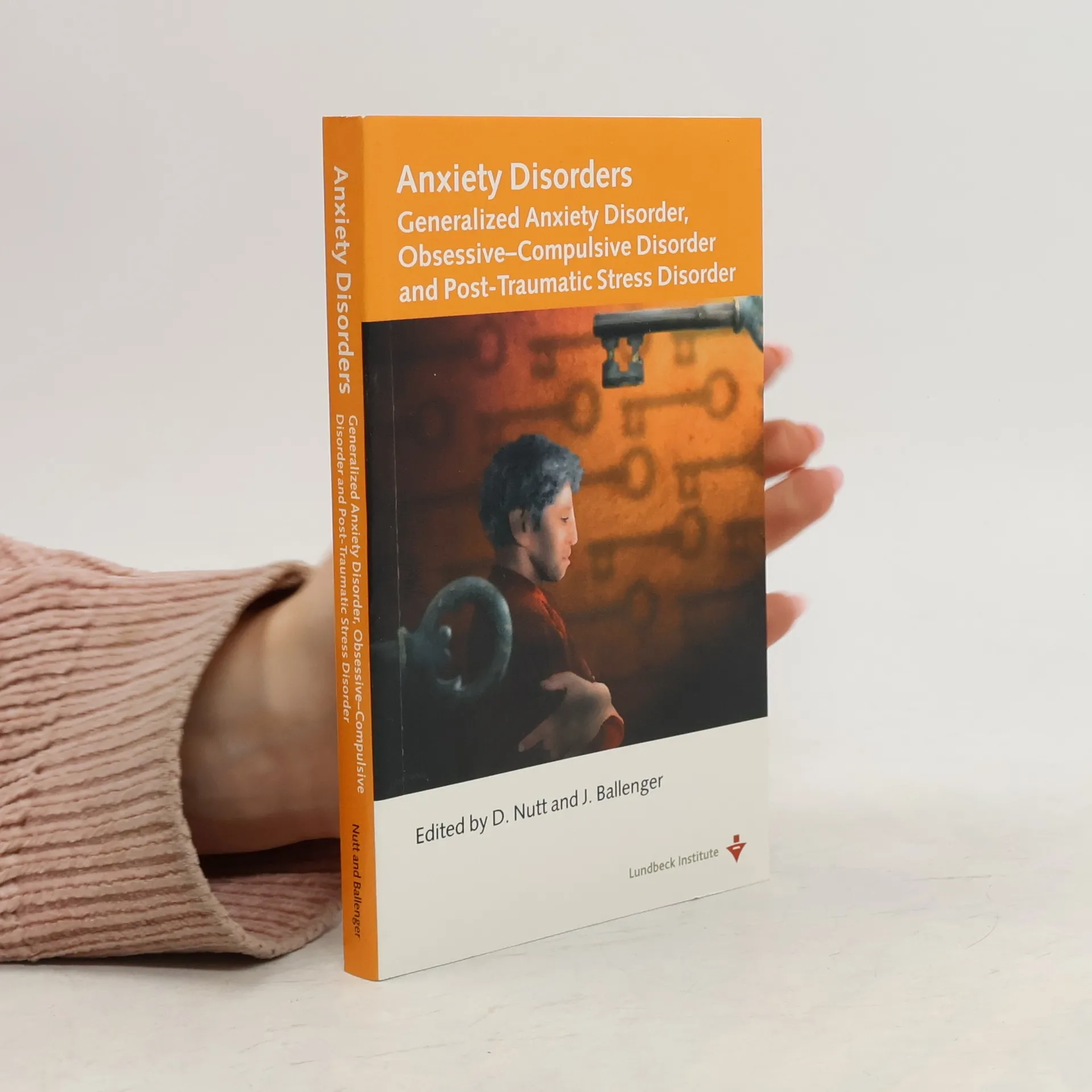
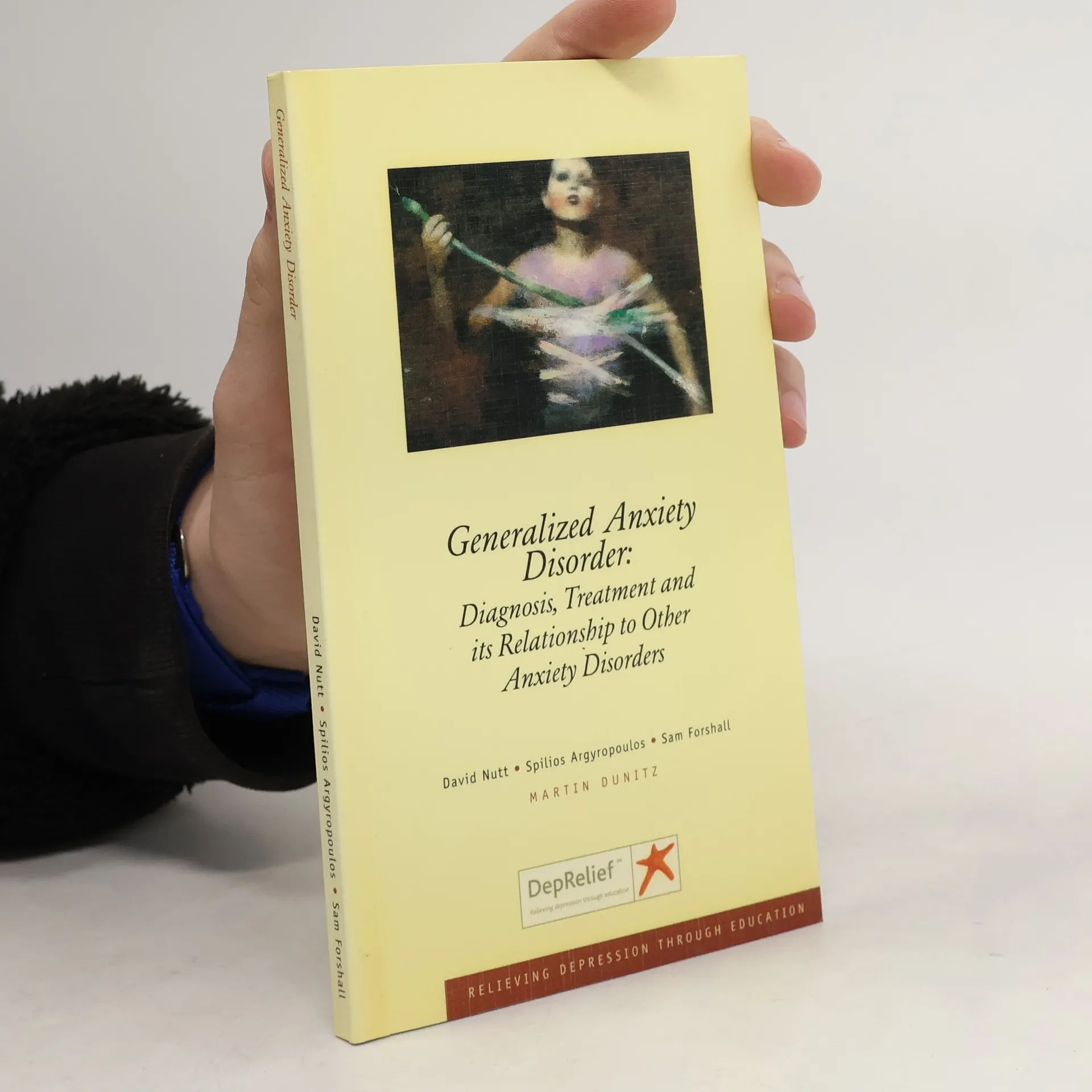
Rapid developments in recent years in basic science and pharmacology has greatly increased understanding of the causes of anxiety disorders. This has led to a large number of new drug treatments from the pharmaceutical industry. This book makes sense of these advances and presents a coherent account of diagnosis and management from the clinical point of view. Chapters are in the form of surveys and digests of the recent literature and are interspersed with clinical guidelines, diagnostic and therapeutic points and are well illustrated.
Part of the Oxford Psychiatry Library (OPL) series, this pocketbook gives a clear and comprehensive overview of the brain science underpinning addiction and how this helps explain the current and future therapeutics for the range of addictions.
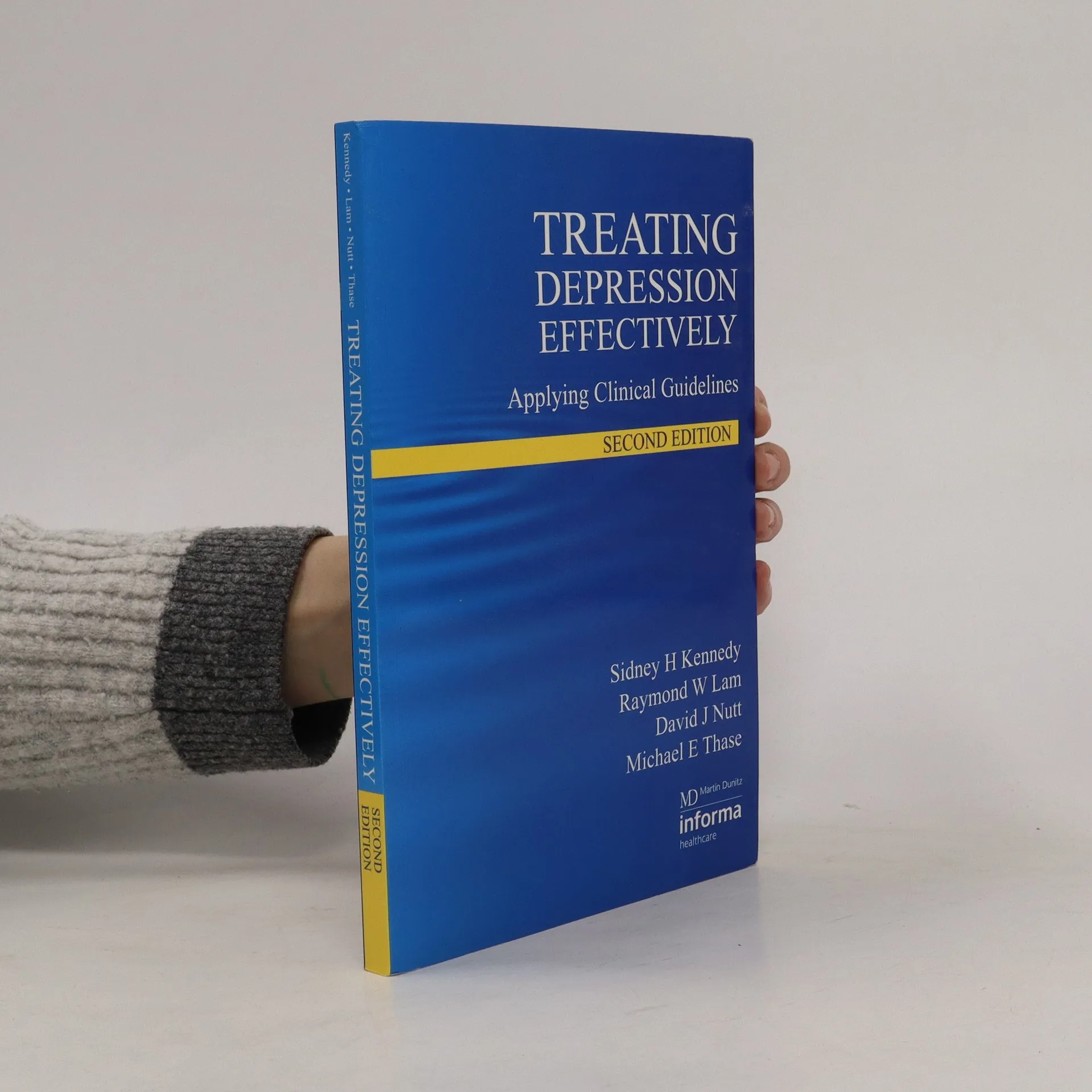
Designed to help clinicians put existing clinical guidelines on the management of depression to their best practical use. This work contains material on the importance of considering circadian rhythm in treatment planning.
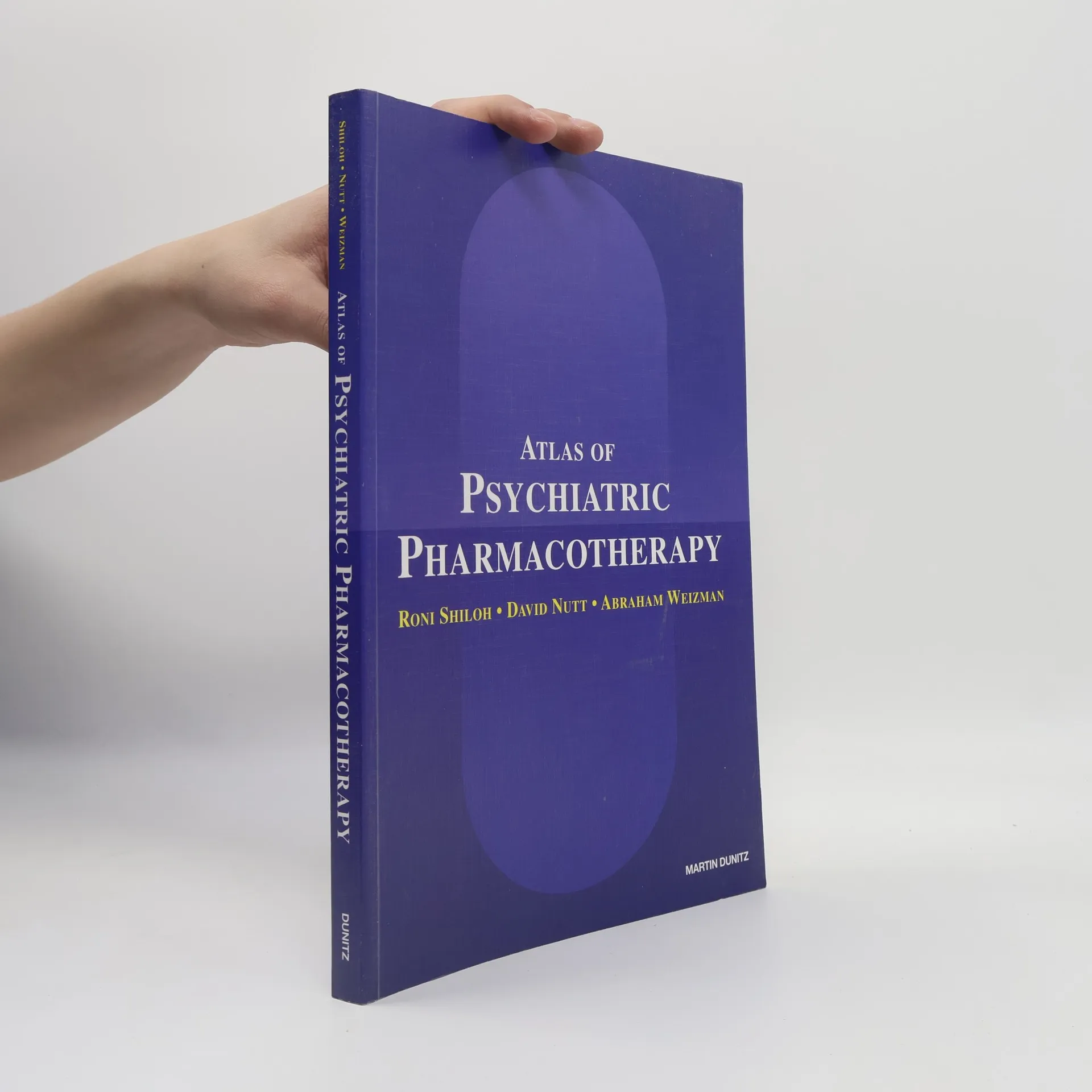
This exceptional book provides a comprehensive understanding of the mechanisms of action involved in psychiatric pharmacotherapy. State-of-the-art information is presented through highly imaginative double page spreads, with each image facing a page of accompanying text. The illustration clarifies and simplifies the complex interactions between psychiatric medications and neural or cellular events. Ranging from the basic aspects of drug action, the book covers the different classes of drugs, abused substances, drug interactions and treatment strategies, including all the latest data available and the relevance of the data to clinical practice.
Post Traumatic Stress Disorder can be one of the most disabling of all the anxiety disorders and is frequently misdiagnosed and ineffectively treated It is also an area in which there have been recent major advances This book sets out to solve this problem, presenting doctors with practical guidance and at the same time a state-of-the-art summary of all the latest developments