Focusing on the European Community's role in a global context, this analysis explores its significance for people worldwide and its impact on the global community. By addressing these two critical questions, the book offers insights into the interconnectedness of the European Community with broader international dynamics, making it a thought-provoking read for those interested in global relations.
Johan Galtung Reihenfolge der Bücher (Chronologisch)
24. Oktober 1930 – 17. Februar 2024

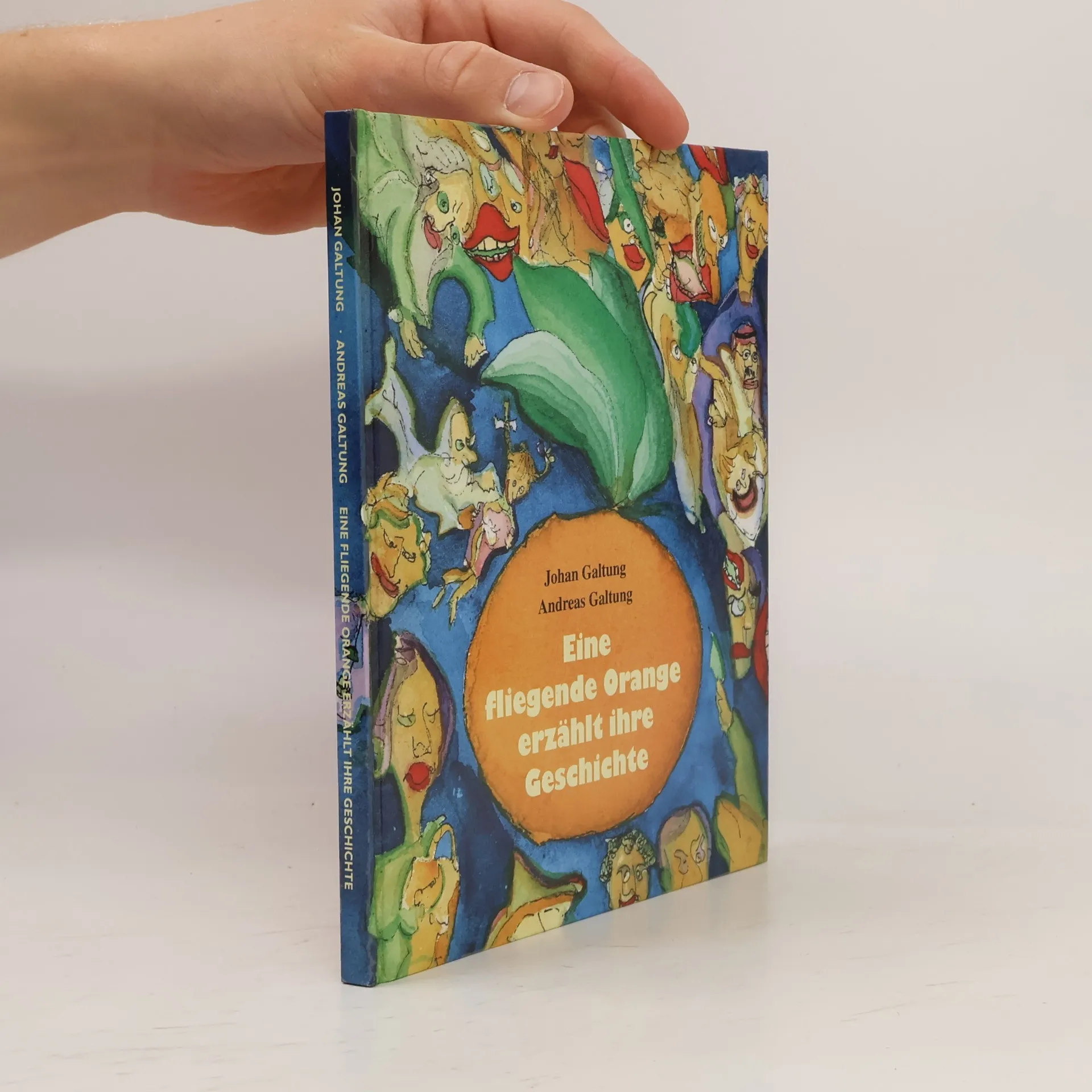
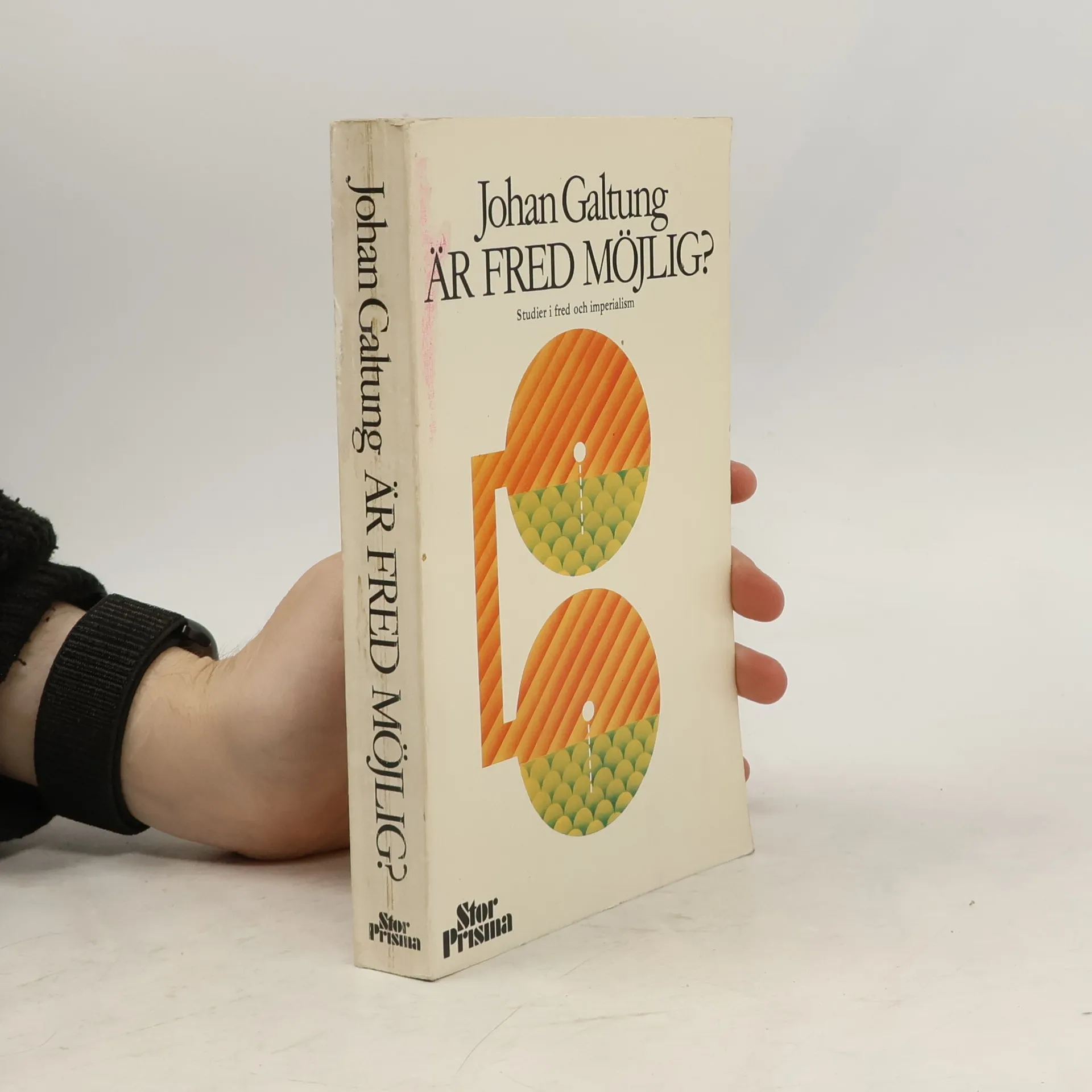
Während ihrer Reise um die Welt beobachtet die fliegende Orange, wie die Menschen sich verhalten. Sie hört Geschichten über Streit und Unfreundlichkeit - sogar bei etwas so Einfachem wie eine Orange zu teilen. Aber manche Menschen sind fähiger als andere, und die Klügsten unter ihnen haben viele gute Lösungen für das Problem. Lerne von ihnen und werde weiser als viele Politiker. Dies ist die Geschichte der Fliegenden Orange, nacherzählt von Johan Galtung und illustriert von Andreas Galtung. Eine Fabel, von der jede und jeder, ob groß oder klein, lernen kann. Sie ist besonders als Gute-Nacht-Geschichte geeignet, die Kinder ihren Eltern vor dem Schlafengehen vorlesen, damit diese bessere Träume haben.
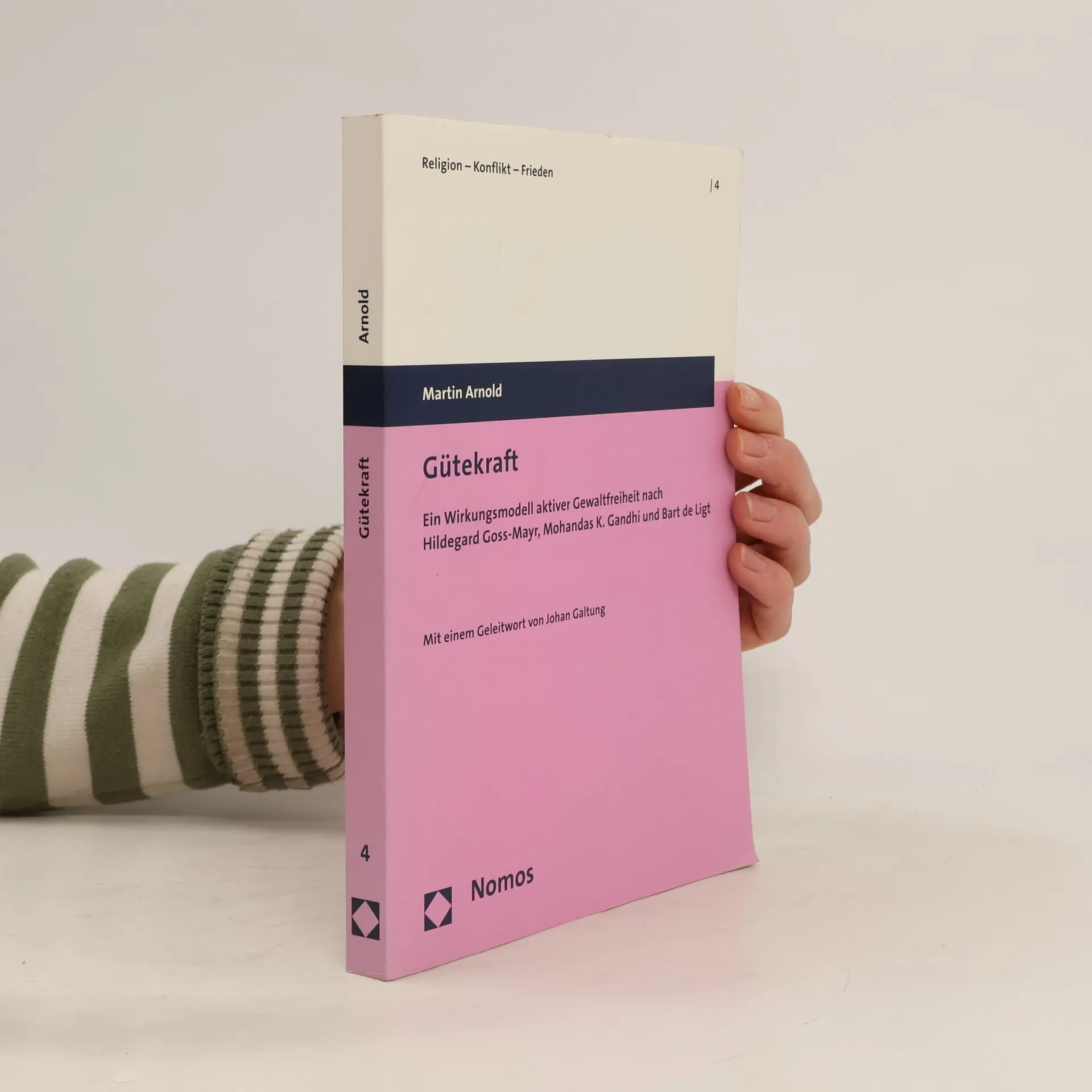
Religion - Konflikt - Frieden - 4: Gütekraft
Ein Wirkungsmodell aktiver Gewaltfreiheit nach Hildegard Goss-Mayr, Mohandas K. Gandhi und Bart de Ligt
- 283 Seiten
- 10 Lesestunden
Gütekraft geht alle an. Der neue Begriff steht für ein starkes allgemein-menschliches Potenzial, das bisher wenig beachtet wurde. Es ermöglicht, auf kluge Weise Missstände abzubauen und Konflikte zu lösen. Martin Arnold beschreibt das Grundmodell der Wirkungsweise gütekräftigen Handelns. Er analysiert dafür drei unterschiedliche Konzepte: das christliche Hildegard Goss-Mayrs, das des Hindus Mohandas Gandhi und das des Atheisten Bart de Ligt. Er bündelt und entwickelt Erkenntnisse aus Traditionen der gewaltfreien Aktion weiter zum neuen Leitbegriff der Friedensforschung. Die beschriebene Wirkungsweise wird Menschen, die politisch, erziehend, therapeutisch oder als Managerin, Mediator oder Multiplikatorin tätig sind, ebenso überzeugen wie Familienmenschen, Streitschlichter und ehrenamtlich Engagierte in freien Gruppen, Verbänden und Gemeinden. „Das Gütekraft-Modell stellt einen fundamentalen neuen Impuls dar, der die Debatte in der Friedensforschung neu beleben wird, weil er eine neue Diskussionsebene eröffnet.“ (Prof. Werner Ruf). „Es ist die umfassendste Arbeit über Theorie und Politik der Nonviolence. Die Wirksamkeit der erforschten Konzepte ist geschichtlich erwiesen.“
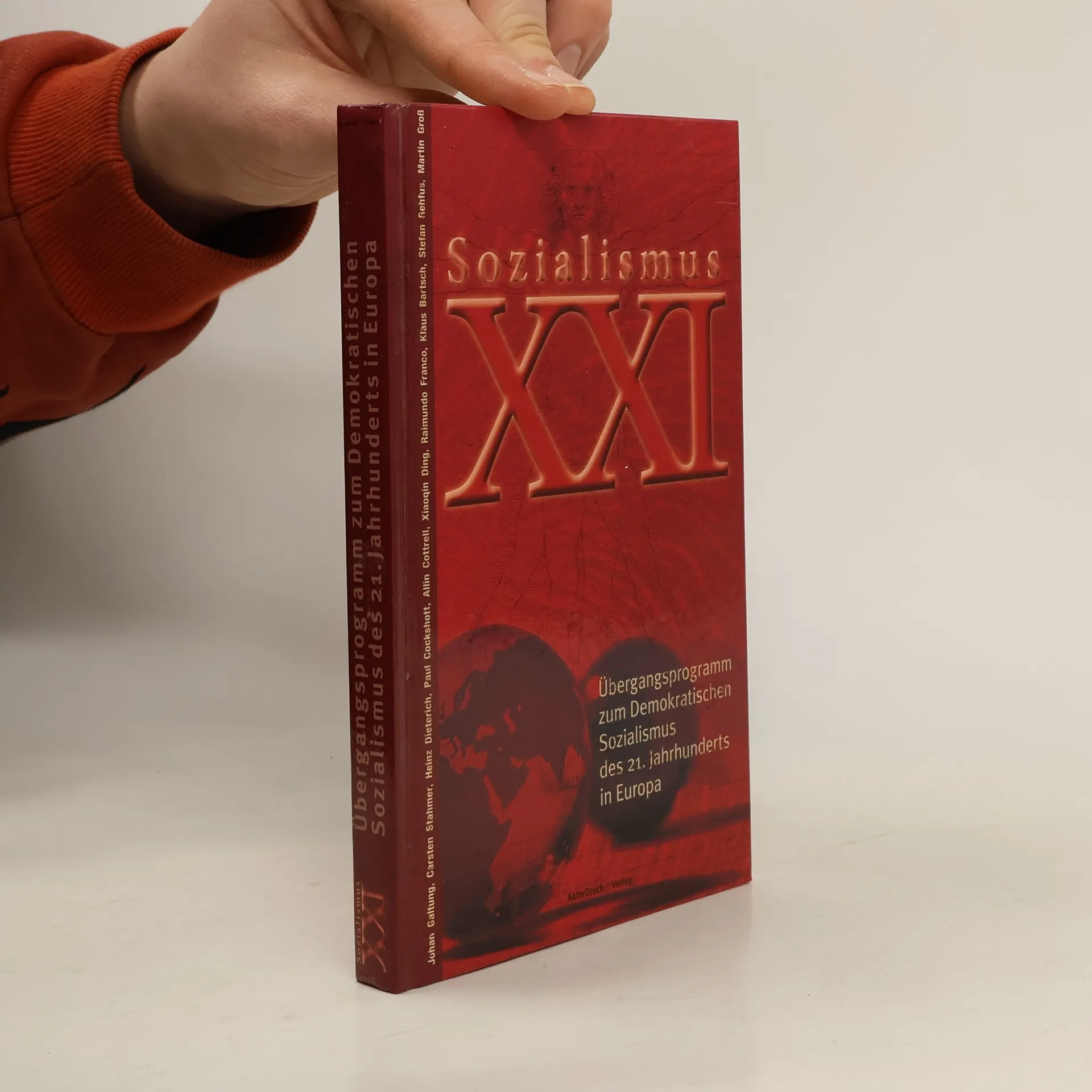
Sozialismus XXI
- 192 Seiten
- 7 Lesestunden
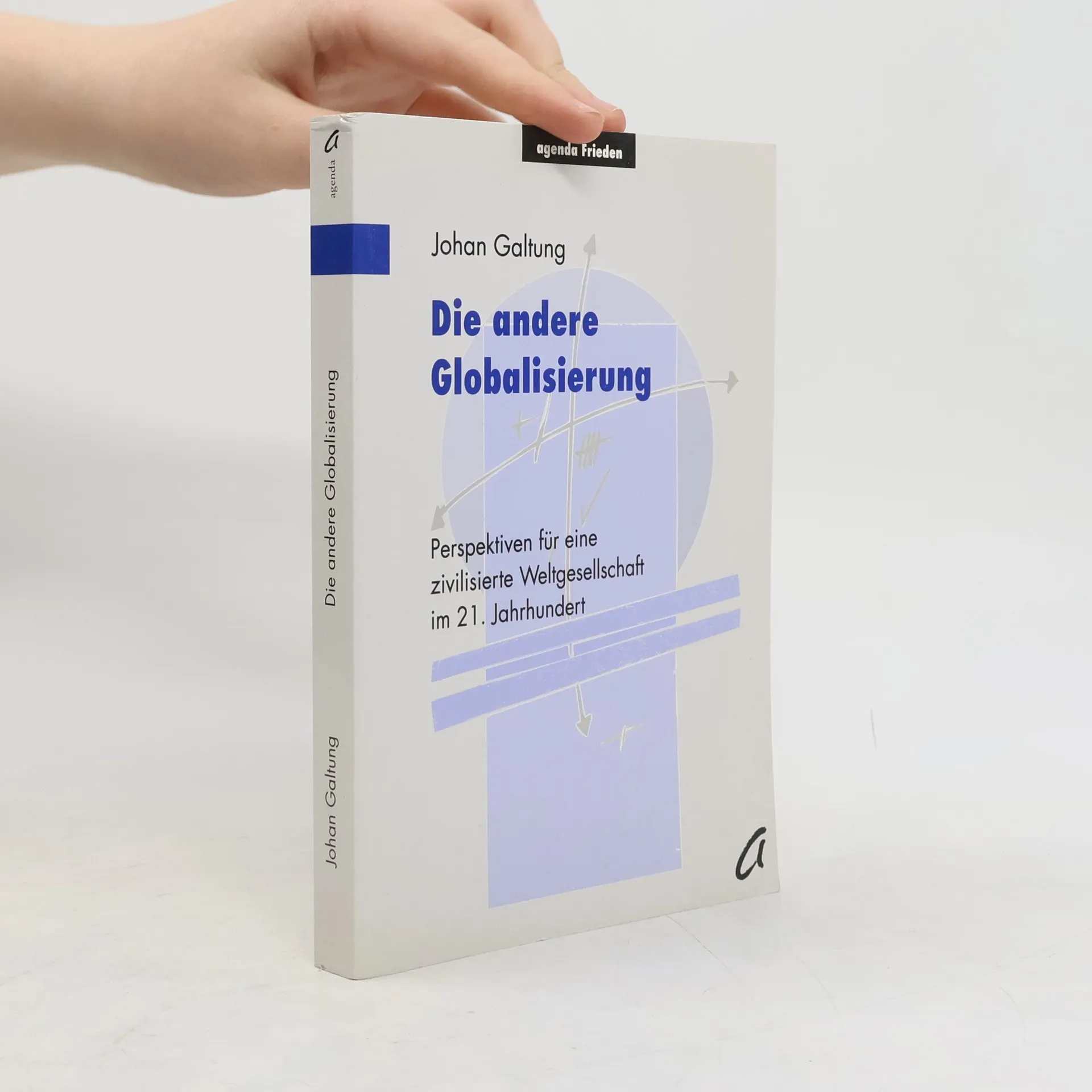
Die andere Globalisierung
- 254 Seiten
- 9 Lesestunden
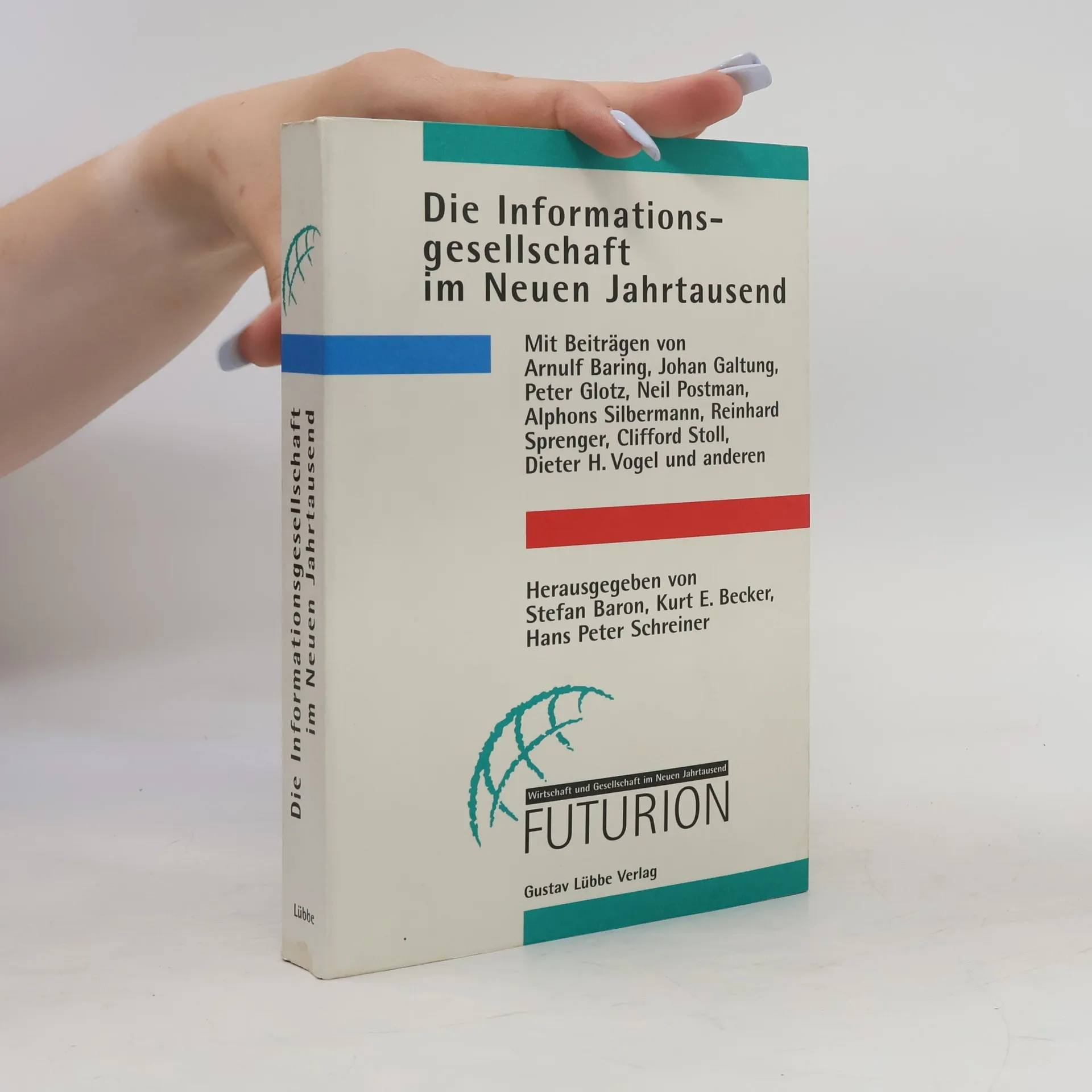
Die Informationsgesellschaft im neuen Jahrtausend
- 384 Seiten
- 14 Lesestunden
German
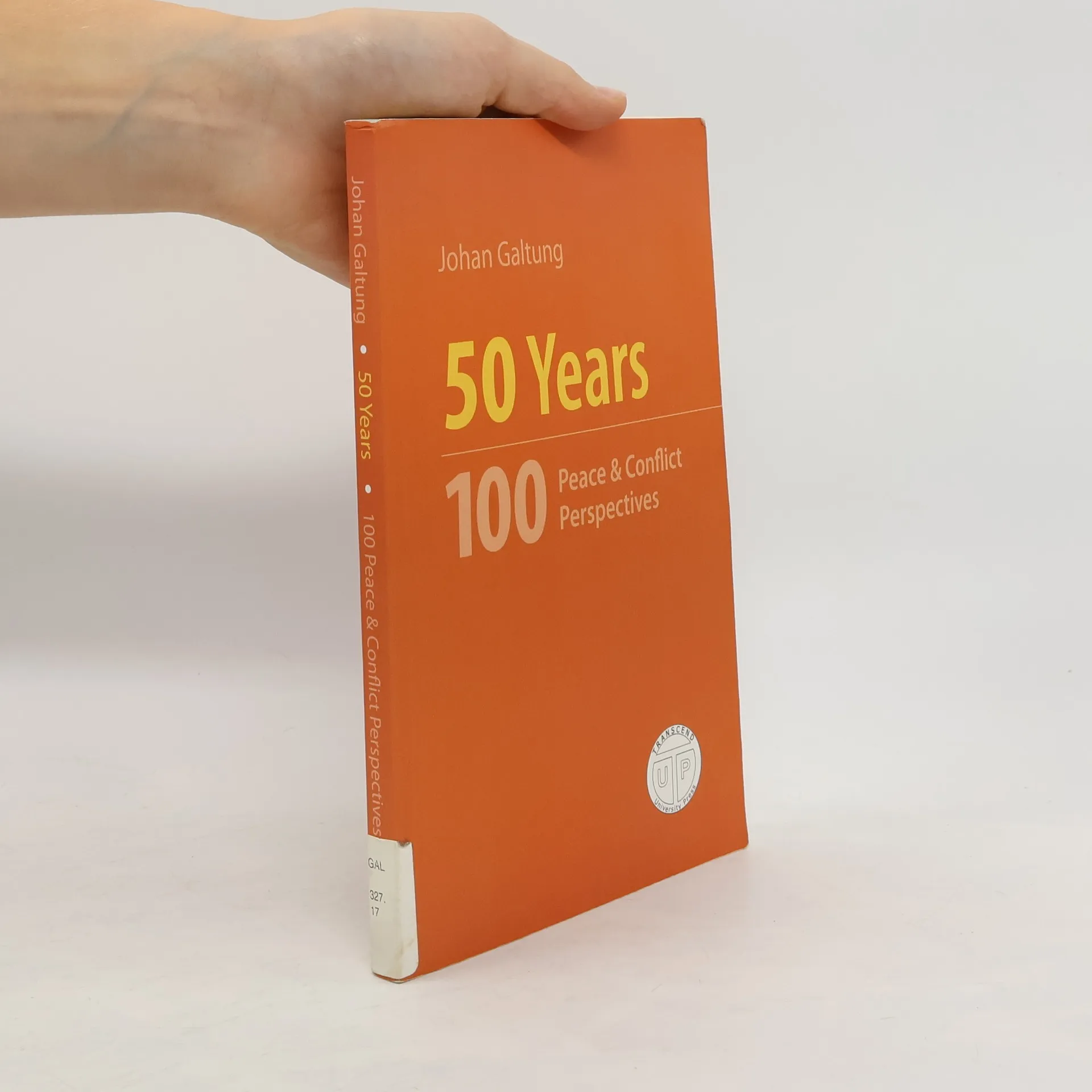
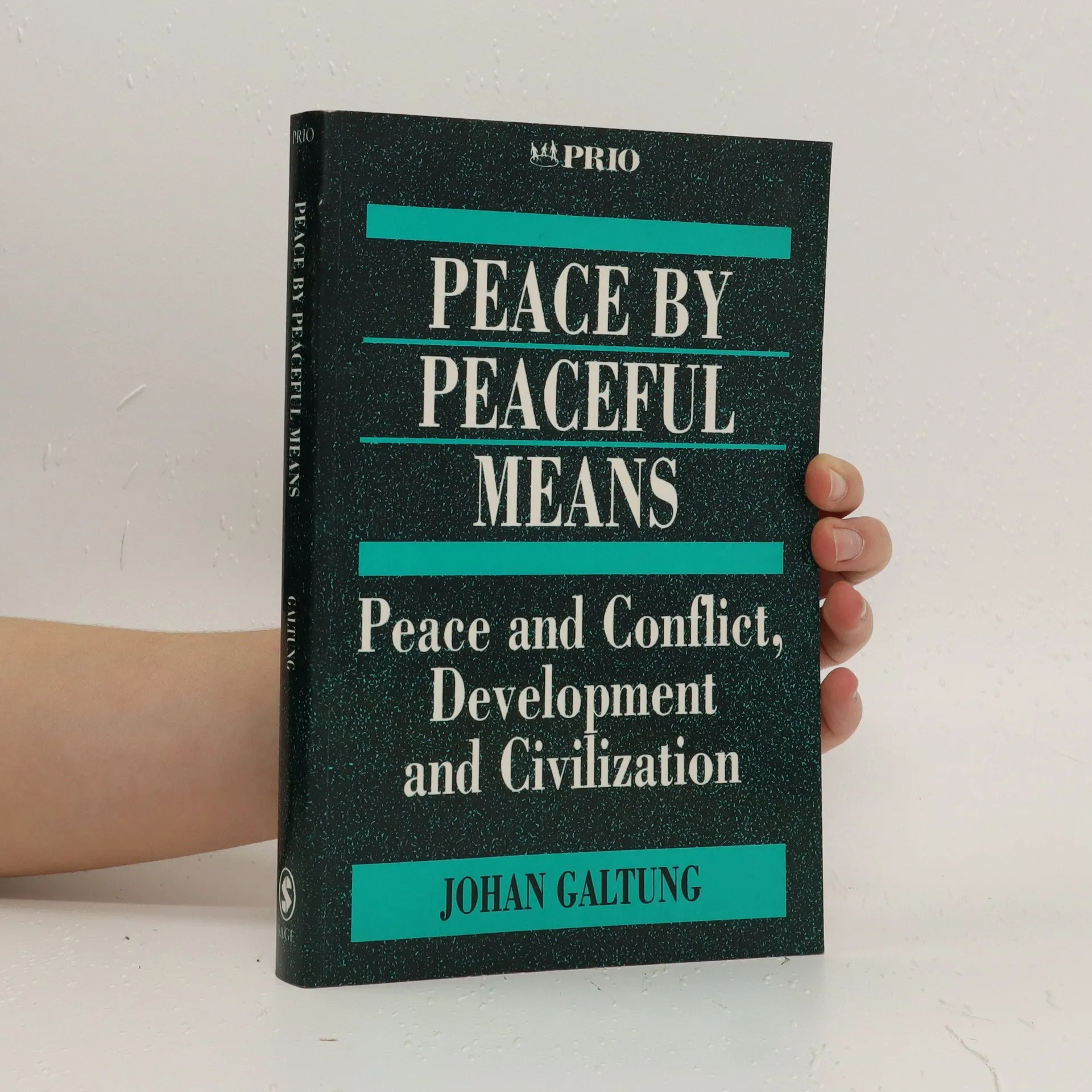
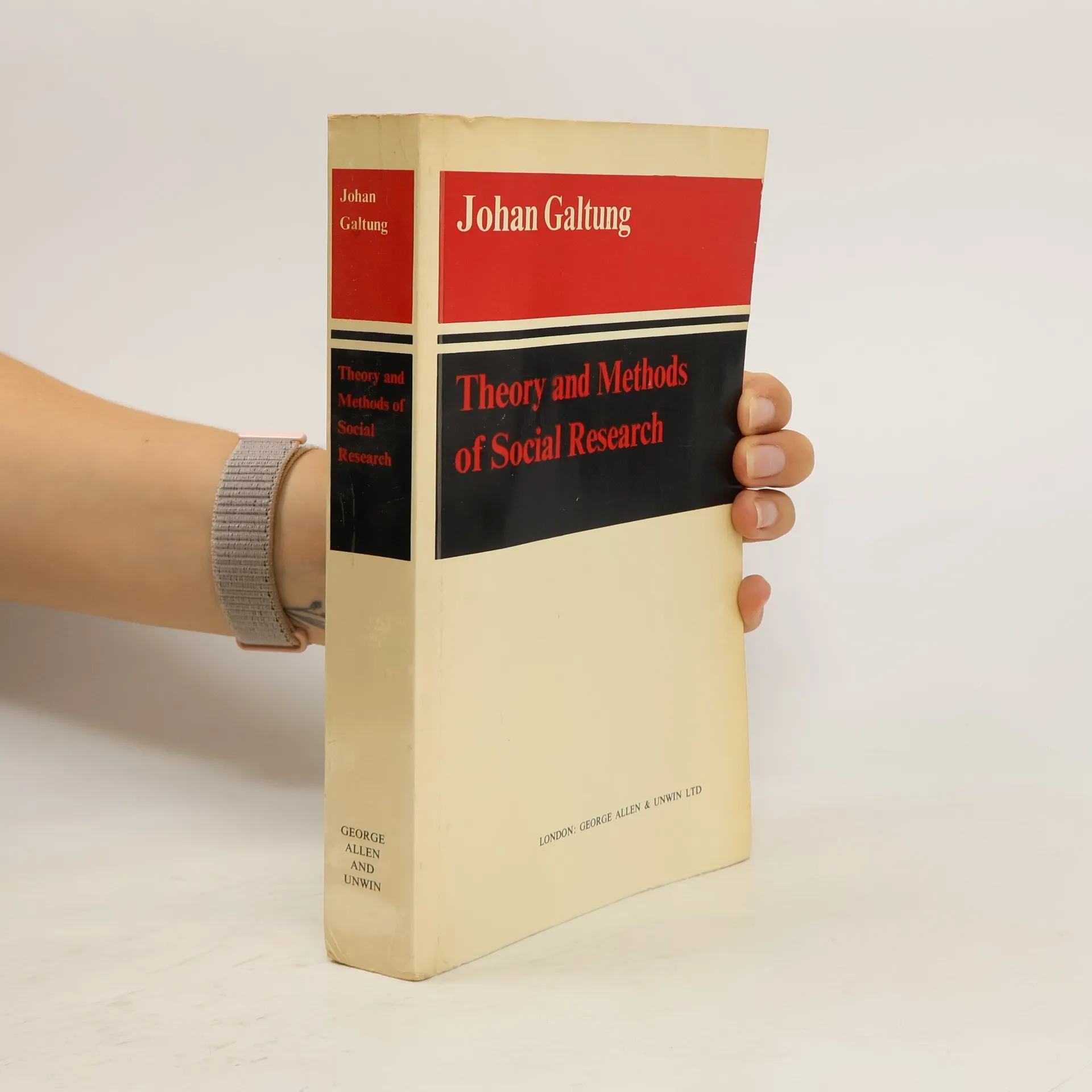
Johan Galtung, one of the founders of modern peace studies, provides a wide-ranging panorama of the ideas, theories and assumptions on which the study of peace is based. The book is organized in four parts, each examining the one of the four major theoretical approaches to peace. The first part covers peace theory, exploring the epistemological assumptions of peace. In Part Two conflict theory is examined with an exploration of nonviolent and creative handling of conflict. Developmental theory is discussed in Part Three, exploring structural violence, particularly in the economic field, together with a consideration of the ways of overcoming that violence. The fourth part is devoted to civilization theory. This involves an
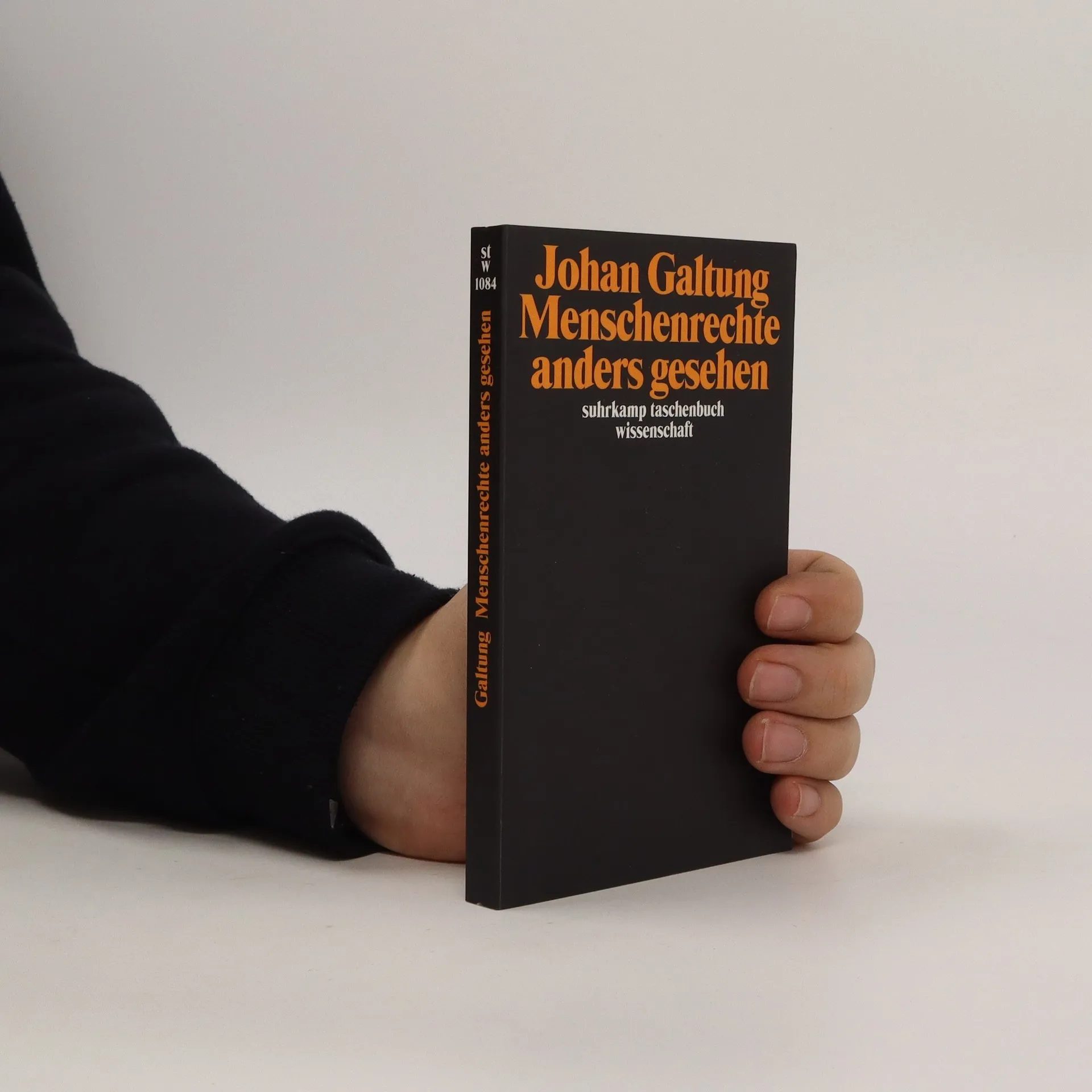
Menschenrechte - anders gesehen
- 235 Seiten
- 9 Lesestunden
„Das erste Kapitel legt die historischen und kulturellen westlichen Prägungen der Menschenrechte offen; zugleich werden konkrete Vorschläge entwickelt, wie die Menschenrechte universeller gemacht werden können. Thema des zweiten Kapitels: Die Unfähigkeit unserer Rechtstradition, auch solche Probleme zu erfassen, die nicht in juristischen Personen und Individuen liegen, vielmehr struktureller und kultureller Natur sind. Galtungs Alternativ-Vorschlag stellt (im dritten Kapitel) die menschlichen Grundbedürfnisse in den Mittelpunkt, entwickelt (im vierten Kapitel) ein strukturelles Konzept und betont bei der Weiterentwicklung des Programms der Menschenrechte sehr stark die Rolle von sozialen Prozessen (fünftes Kapitel). Das Buch schließt mit einem Dialog zwischen den verschiedenen Ansätzen.“
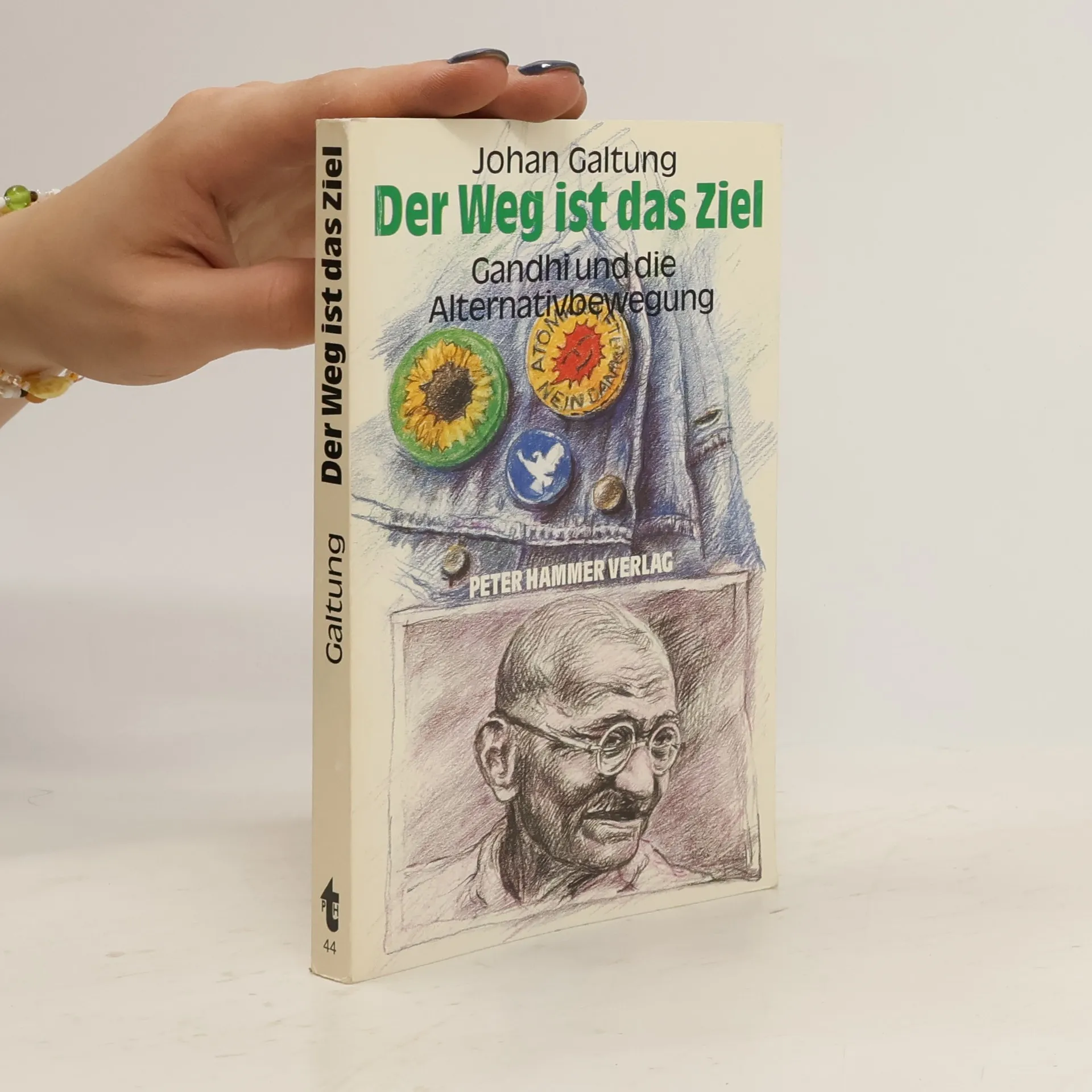
Der Weg ist das Ziel
- 215 Seiten
- 8 Lesestunden
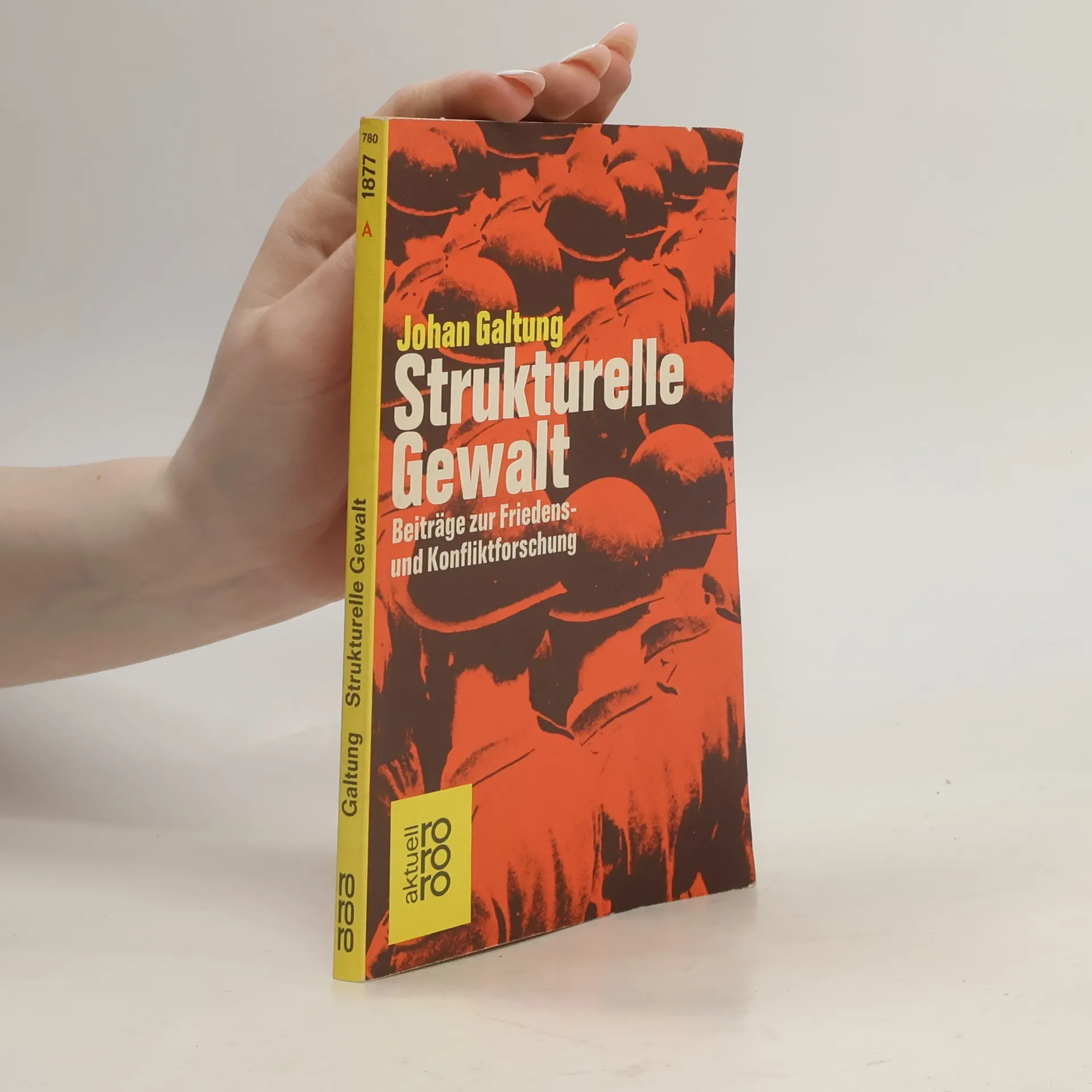
Strukturelle Gewalt
- 156 Seiten
- 6 Lesestunden
"Die Wurzel des Konflikts liegt immer in einem Widerspruch, das heißt, in Zielen, die unvereinbar sind. Aber ein Konflikt hat oft auch Komponenten von Einstellung und Verhalten. Und diese Einstellungen sind in der Regel durch das kollektive Unterbewusstsein, die tiefere Kultur, die Kosmologie dieser Nation, Klasse usw. bedingt. Und das Verhalten wird durch Muster beeinflusst, die in Konfliktsituationen erworben wurden."
Self-reliance
- 193 Seiten
- 7 Lesestunden
Anders verteidigen
- 336 Seiten
- 12 Lesestunden
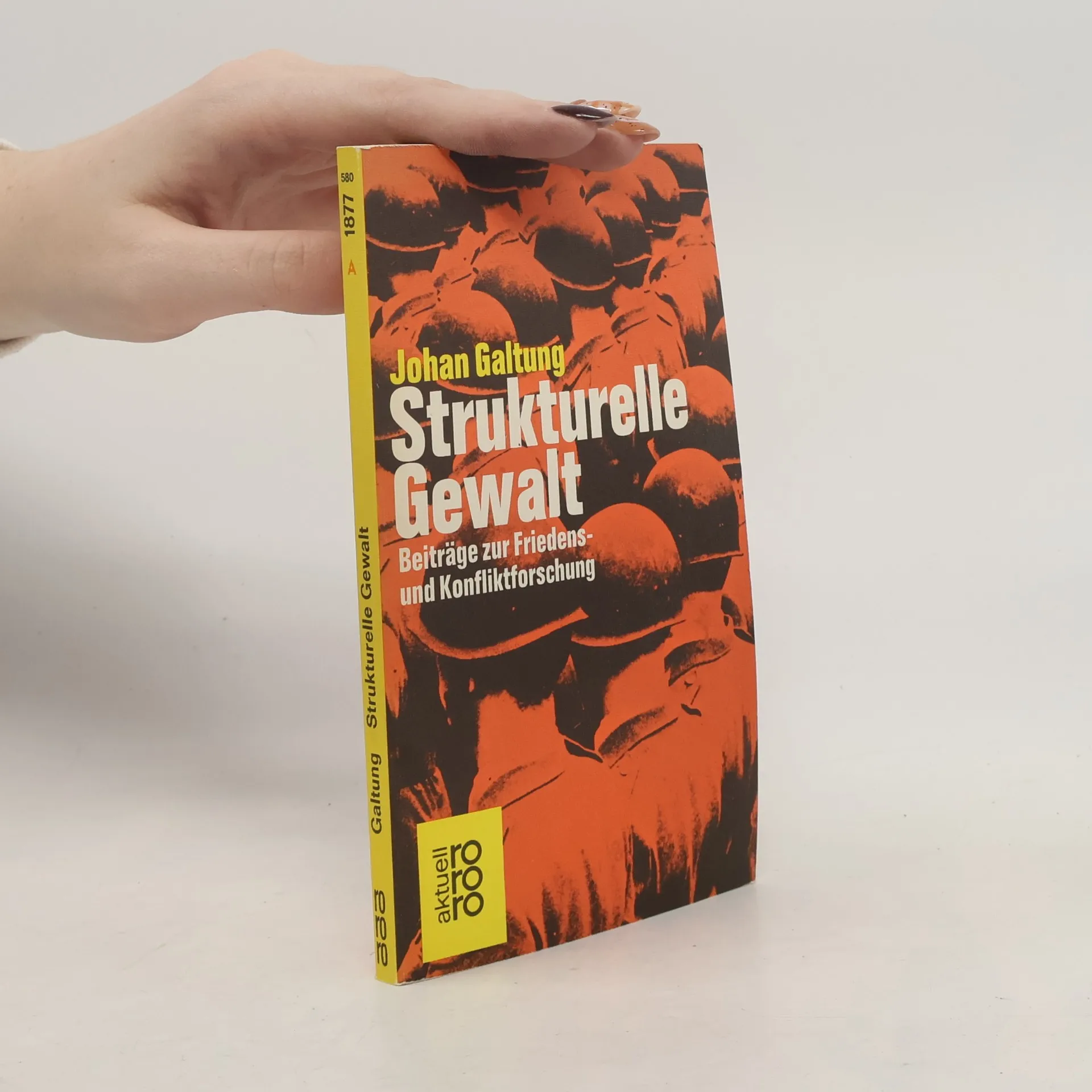
Strukturelle Gewalt
Beiträge zur Friedens- und Konfliktforschung
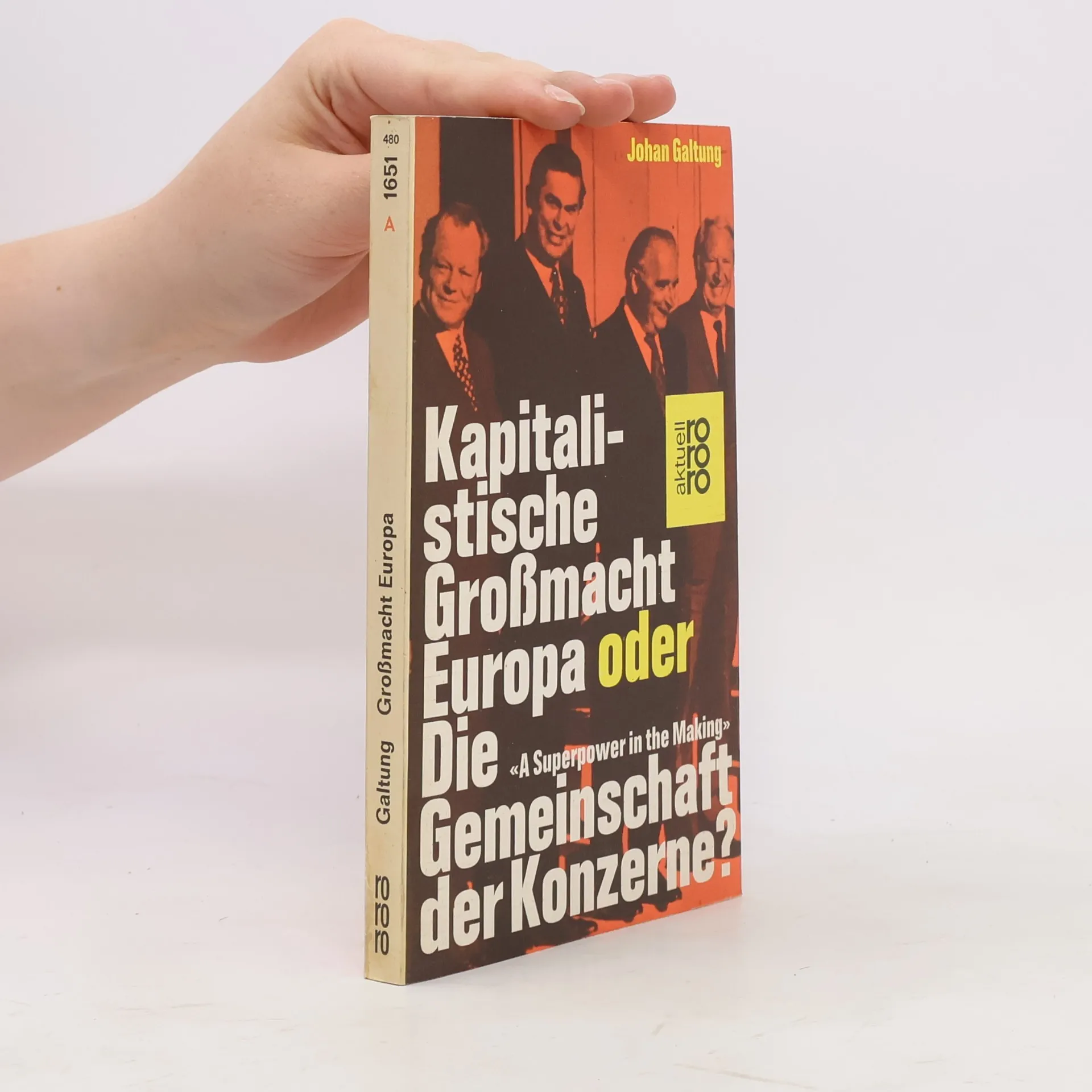
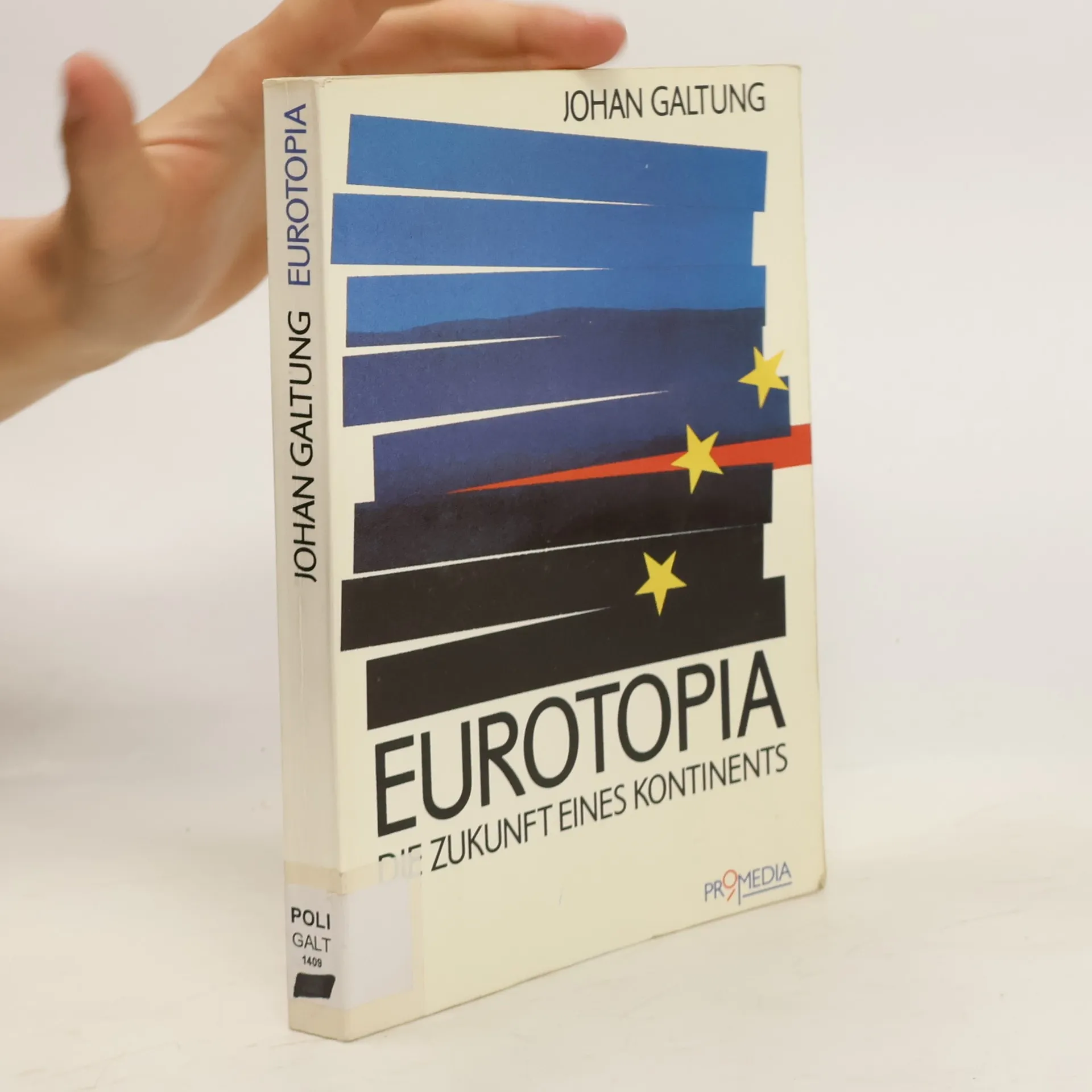
Kapitalistische Grossmacht Europa oder die Gemeinschaft der Konzerne?
- 202 Seiten
- 8 Lesestunden
«Dieses Buch bemüht sich, die Europäische Gemeinschaft aus globaler Sicht zu betrachten. Obwohl von einem Europäer geschrieben, konzentriert es sich nicht auf die Fragestellung, die in der von der Europäischen Gemeinschaft selbst publizierten Literatur zu finden ist, nä Was bedeutet die Europäische Gemeinschaft für uns, für unsere Mitgliedstaaten? Statt dessen werden zwei andere Perspektiven Was bedeutet die Europäische Gemeinschaft für die Massen der Welt, für das Weltproletariat, und was bedeutet sie für die Weltgemeinschaft allgemein?»
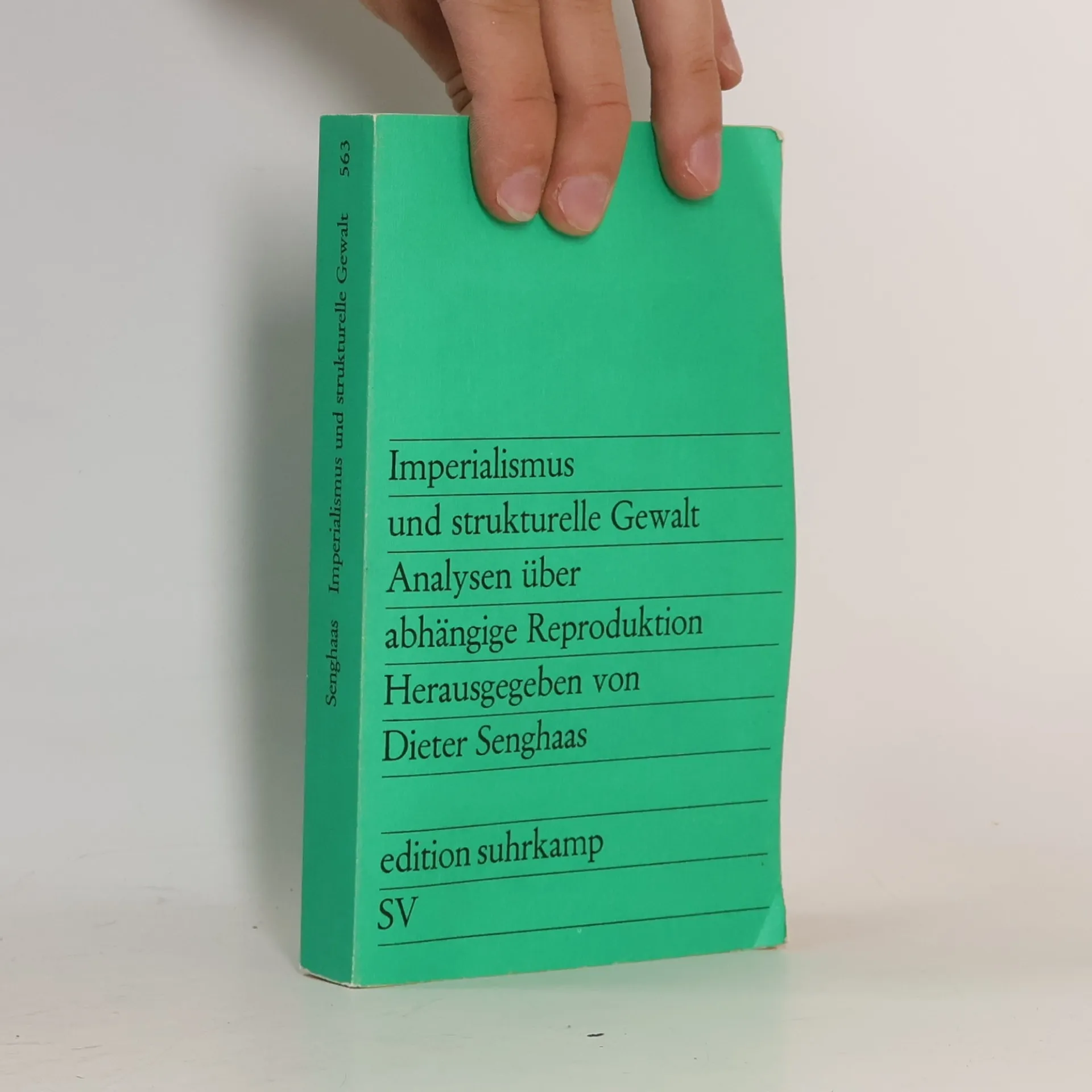
Edition Suhrkamp - 563: Imperialismus und strukturelle Gewalt
Analysen über abhängige Reproduktion
- 426 Seiten
- 15 Lesestunden