Stefan Collini befasst sich mit dem Verhältnis zwischen Literatur und Intellektuellen-Geschichte, insbesondere im britischen Kontext des 20. Jahrhunderts. Seine Arbeit untersucht die kulturelle Rolle der Literaturkritik und die historischen Annahmen, die sie geprägt haben. Er konzentriert sich auf die Stellung von Intellektuellen, die Beziehung zwischen akademischen Kritikern und 'Männern der Literatur' sowie die Rolle der Kulturkritik. Collini's Analysen bieten tiefe Einblicke in die Entwicklung und öffentliche Debatte über Universitäten und ihren gesellschaftlichen Einfluss.
In the book born from his Oxford Ford Lectures, Stefan Collini challenges the
historical assumptions at work in twentieth-century English literary
criticism, showing how the work of critics was bound up with claims about the
nature and direction of historical change, the interpretation of the national
past, and the work of earlier scholars.
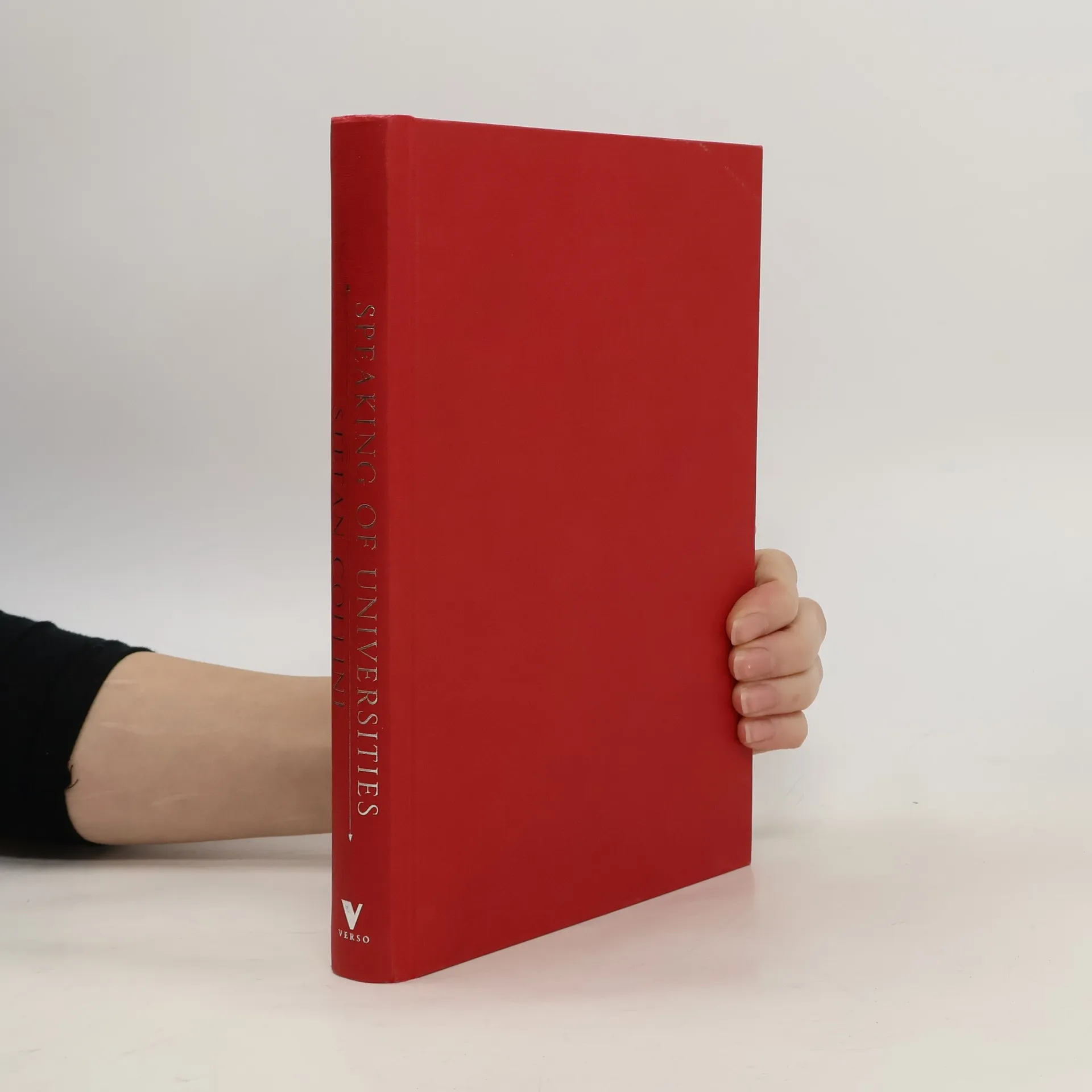
A devastating analysis of what is happening to our universities Does 'marketization' threaten to destroy what we most value about education? Will this new era of 'accountability' distort what it purports to measure? What do we mean by a 'public' system of higher education and how should we defend it?Globalization has transformed the economic horizon. At the same time governments have systematically imposed new regulations for funding, governance, and assessment. Increasingly, universities behave more like business enterprises in a commercial marketplace than centers of learning. In recent decades there has been an immense global surge in the number of universities and the size of the student population. Technology has created new ways of learning and teaching.In Speaking of Universities, historian and critic Stefan Collini analyses these changes and challenges the assumptions of policymakers and commentators. This is an urgent call to 'focus on what is actually happening and the cliches behind which it hides; an incitement to think again, think more clearly, and then to press for something better.'
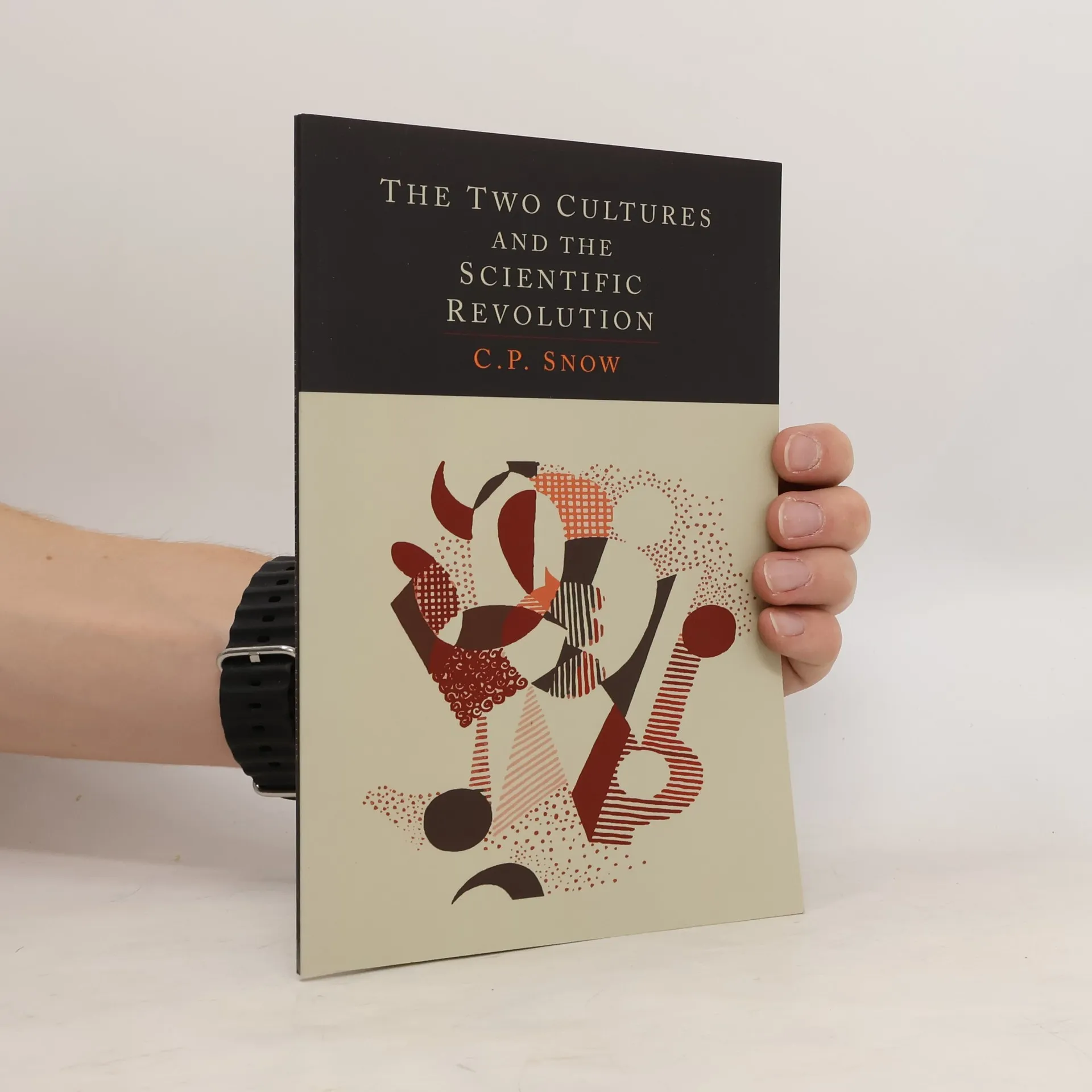
Exploring the divide between the sciences and the humanities, this influential lecture by C. P. Snow argues that this separation hinders societal progress and problem-solving. Originally delivered in 1959, the lecture sparked significant discussion and debate in both the UK and the US, highlighting the need for interdisciplinary understanding. This reprint preserves the original text, allowing contemporary readers to engage with Snow's critical insights into the intellectual landscape of Western society.
Lesen, Interpretieren und Beurteilung von Literatur: Ist das die angestrengte Entschlüsselung dessen, was ein Autor mit seinem Werk gemeint und beabsichtigt haben könnte? Oder die freie, subjektive Nutzung von Literatur für eigene Vorstellungen und Bedürfnisse? Oder ein Drittes: die Begegnung mit einem offenen Kunstwerk, die sich in der Spannung zwischen Subjektivität und Objektivität vollzieht? Umberto Eco, ein Meister der Interpretationskunst, hat die Essentials dieser Diskussion zusammengetragen: anschaulich, knapp und mit Witz.