
Bookbot

Didier Debord Bücher

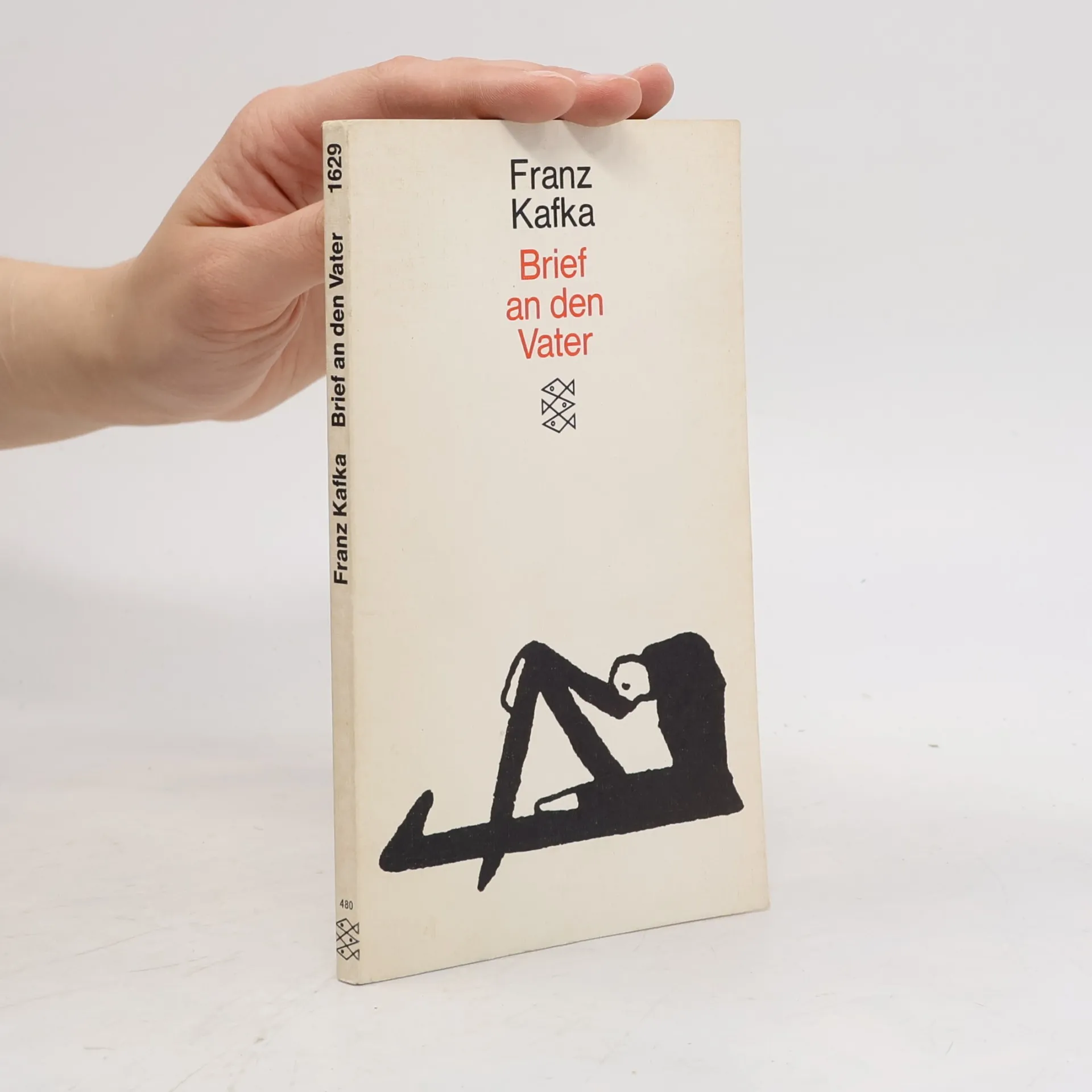
    Brief an den Vater
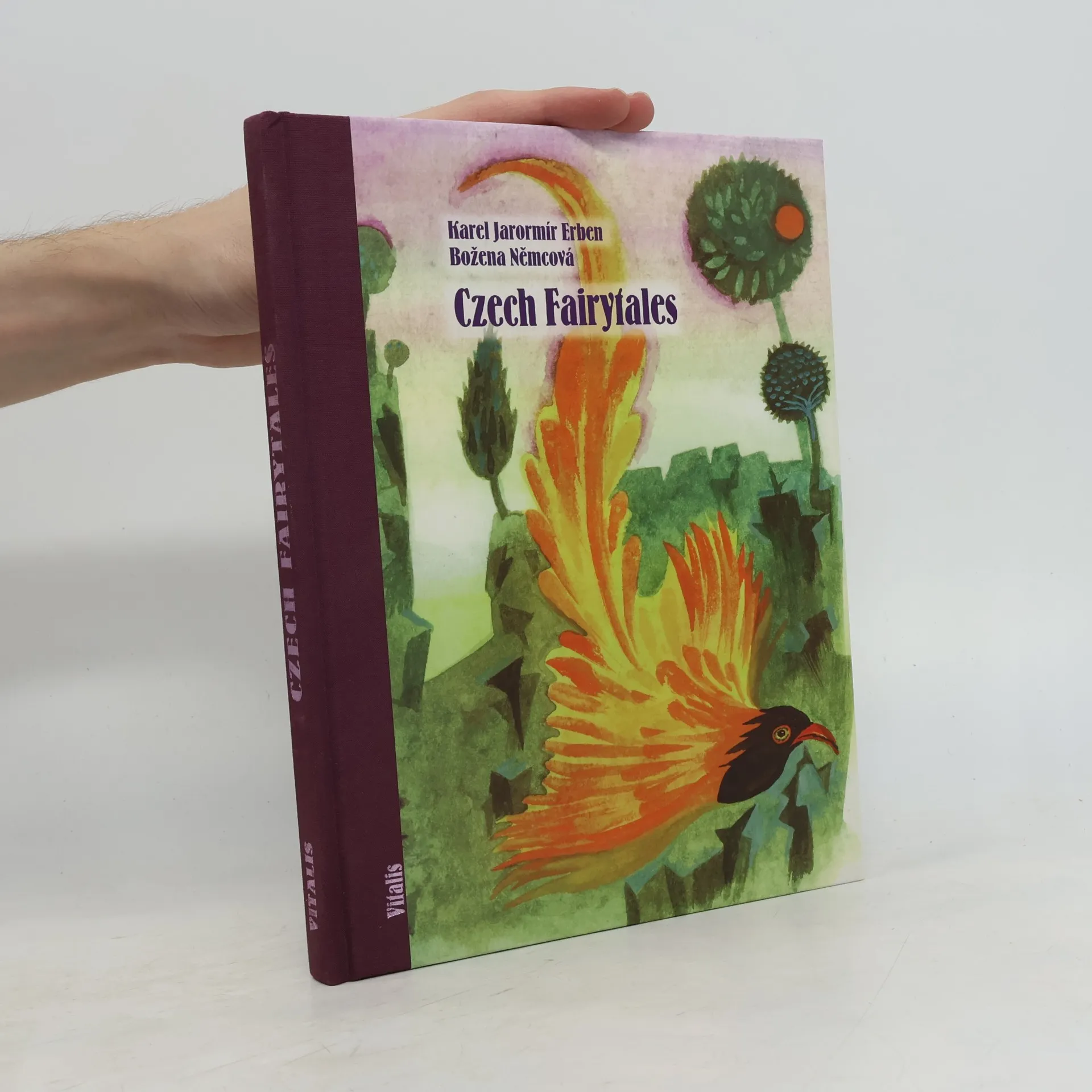
    Czech fairytales
    • Erben compiled and wrote A Bouquet based on his studies of Slavic folktales and folk songs. First published in 1853, it is dotted with murder and mayhem : graves opening and the dead walking the earth, the animate becoming the inanimate and vice versa, ogres and monsters of lake and wood, human transformations reminiscent of Ovid's Metamorphoses. Written as ballads, Marcela Sulak's new translation perfectly captures the cadence and rhythm in an English that is fresh and energetic. Through the years A Bouquet has come to be regarded as a masterpiece and wellspring of inspiration to artists of all stripes, including Antonín Dvořák, who composed a series of symphonic poems to some of these tales. Of the many illustrators who have contributed to the various editions that have appeared over the past century and a half, Alén Diviš's artwork is generally considered the most powerful. This edition also includes Erben's own notes explaining the origins of many of these tales.
      Czech fairytales
      4,3
    • Brief an den Vater

      • 88 Seiten
      • 4 Lesestunden

      Franz Kafka hat den „Brief an den Vater“ im Alter von 36 Jahren, fünf Jahre vor seinem Tode, geschrieben. Er stand damals, im Jahre 1919, auf der Höhe seines literarischen Schaffens. Um so erstaunlicher erscheint es, daß Kafka in diesem Zeitpunkt ausgereifter künstlerischer Produktionsfähigkeit einen solchen „schrecklichen Prozeß“ mit seinem Vater führt in Gestalt eines Riesenbriefes, in dem alle Qualen seiner Kindheit noch ebenso unbewältigt und beklemmend anwesend sind wie ehedem. Kein Wunder, daß sich die psychoanalytische Forschung dieses erstaunlichen „Falles“ Kafka in zahlreichen Abhandlungen und Büchern annahm und auch das gesamte dichterische Schaffen Kafkas unter dem Blickpunkt des sogenannten „Ödipus-Komplexes“ sah, analysierte und aufzuhellen suchte, in ihm den Schlüssel zu allen „Rätseln“ und Dunkelheiten dieser Dichtung der Weltliteratur in Händen zu halten glaubte.

      Brief an den Vater
      4,1