Der Euro ist weiter instabil, die Ökonomien der Südländer der EU befinden sich am Boden und überall bekommen rechtsextreme Parteien Zulauf. Trotz alledem gilt der eingeschlagene Kurs immer noch als alternativlos. Um dieses Dogma zu überwinden, diskutieren in diesem Band die prononciertesten politischen Philosophen und Ökonomen Europas über die Ursache, den Zustand und die Lösung der Eurokrise. So wirft Varoufakis einen Blick zurück und berichtet anschaulich von seinen Erfahrungen als Finanzminister, wie die Entscheidungen auf höchster Ebene getroffen werden und welche gravierenden Demokratiedefizite die EU prägen, entwirft aber auch einen Reformplan für ein neues Europa. Doch ist eine politische Kehrtwende nach Jahrzehnten siegreichen Neoliberalismus noch einfach so möglich oder hat nicht die Demokratie grundlegenderen Schaden genommen? Der Debattenband versammelt Vorschläge und Einsprüche zur Zukunft Europas und bietet einen Ausgangspunkt für alle, die sich dem falschen Zwang der Alternativlosigkeit nicht ergeben wollen.
Franco Berardi Bücher
Franco Berardi ist ein italienischer marxistischer Theoretiker und Aktivist, dessen Werk sich auf die Rolle von Medien und Informationstechnologie im postindustriellen Kapitalismus konzentriert. Berardis Theorien, die von Psychoanalyse und Kommunikationstheorie inspiriert sind und über orthodoxe marxistische Analysen von Wirtschaftskreisläufen hinausgehen, untersuchen, wie Subjektivität und Verlangen mit der Funktionsweise des kapitalistischen Systems verknüpft sind. Er kritisiert den traditionellen marxistischen Fokus auf Arbeit und argumentiert, dass Lösungen für gegenwärtige Schwierigkeiten nicht rein ökonomischer Natur sind, sondern menschliche Emotionen und verkörperte Kommunikation beinhalten. Mit Konzepten wie dem „Kognitariat“ und der „Infoarbeit“ analysiert er diese psycho-sozialen Prozesse und untersucht kulturelle Darstellungen der Zukunft.


Von der Columbine High School bis zum Batman-Kino-Massaker in Aurora, Amokläufe sind in den letzen Jahren zu einer grausigen Routine geworden. Hinzu treten scheinbar ideologisch oder religiös motivierte Massenmorde wie die von Anders Breivik oder islamistischer Terrorkommandos. All diese Wahnsinnstaten faszinieren und verstören und lassen uns letztlich ratlos zurück. Franco »Bifo« Berardi nähert sich diesen Abgründen der Gegenwart mit detektivischer Akribie: Er erstellt Fallstudien, liest die Manifeste der Attentäter und analysiert die Gemeinsamkeiten im Drang zum zerstörerischen Selbstmord. Entgegen individueller Dämonisierungen gelingt es ihm, die Schreckenstaten als epidemisches Phänomen zu deuten. In ihrer Rache an der Gesellschaft treiben die Täter das gesellschaftliche Prinzip des ›Survival of the fittest‹ auf die Spitze: Man kann nur noch gewinnen, wenn man andere Leben zerstört. So beweisen sie sich zumindest einmal in ihrem Leben, die Geschicke der Welt zu lenken, Herr übers eigene Dasein, eben Helden zu sein.
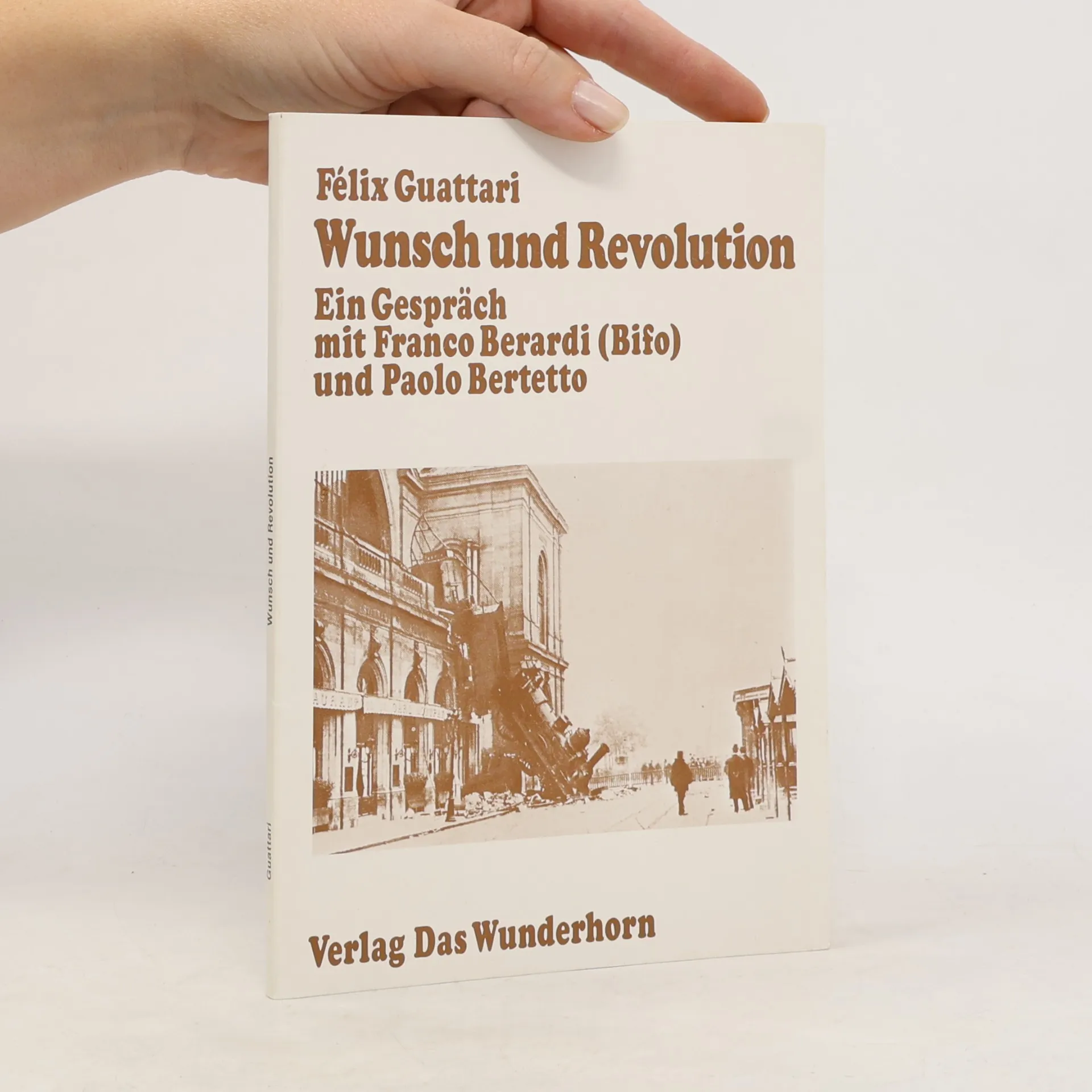
Wunsch und Revolution
Ein Gespräch mit Franco Berardi (Bifo) und Paolo Bertetto
- 89 Seiten
- 4 Lesestunden
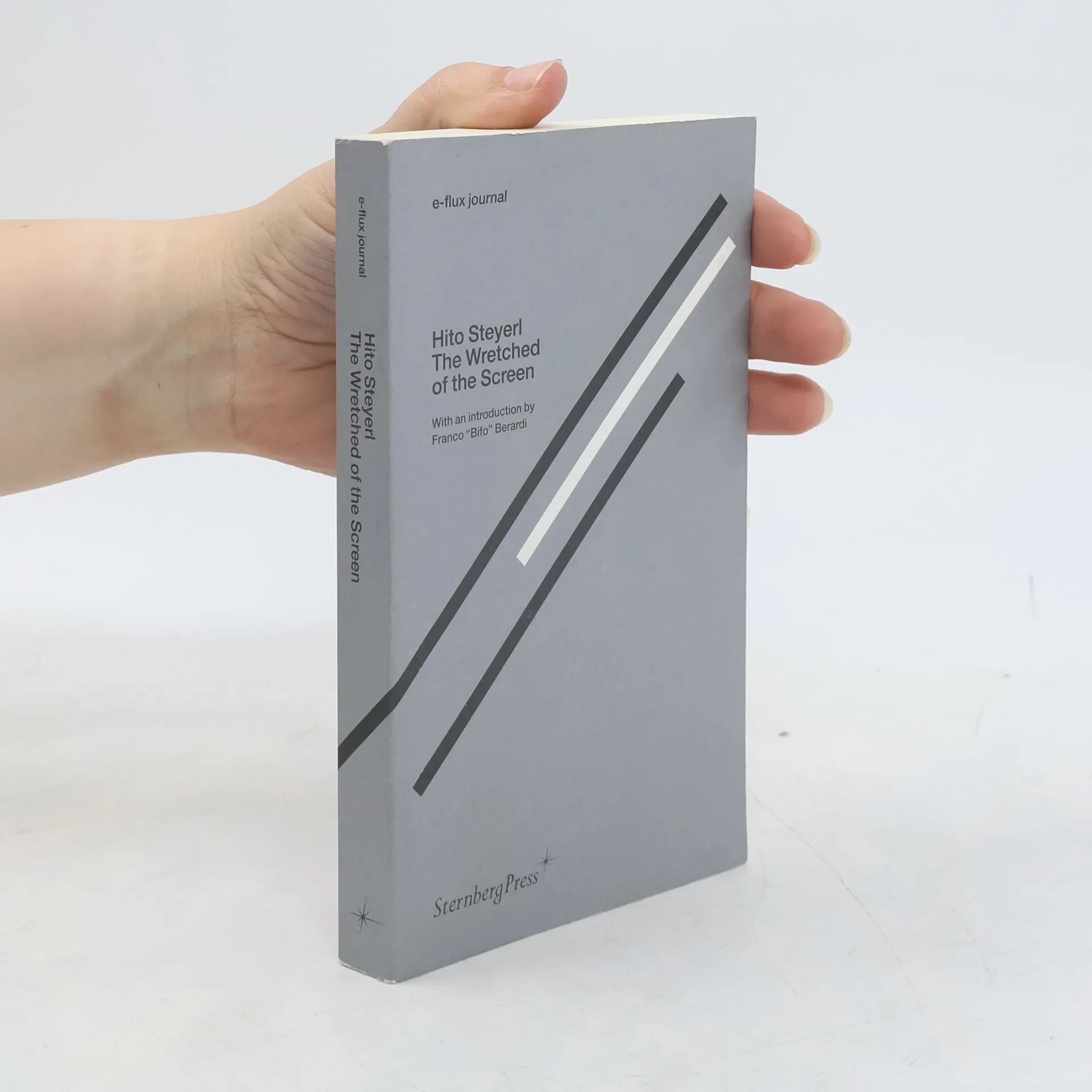
The Wretched of the Screen
- 200 Seiten
- 7 Lesestunden
In Hito Steyerl's writing we begin to see how, even if the hopes and desires for coherent collective political projects have been displaced onto images and screens, it is precisely here that we must look frankly at the technology that seals them in. The Wretched of the Screen collects a number of Steyerl's landmark essays from recent years in which she has steadily developed her very own politics of the image. Twisting the politics of representation around the representation of politics, these essays uncover a rich trove of information in the formal shifts and aberrant distortions of accelerated capitalism, of the art system as a vast mine of labor extraction and passionate commitment, of occupation and internship, of structural and literal violence, enchantment and fun, of hysterical, uncontrollable flight through the wreckage of postcolonial and modernist discourses and their unanticipated openings. e-flux journal Series edited by Julieta Aranda, Brian Kuan Wood, Anton Vidokle
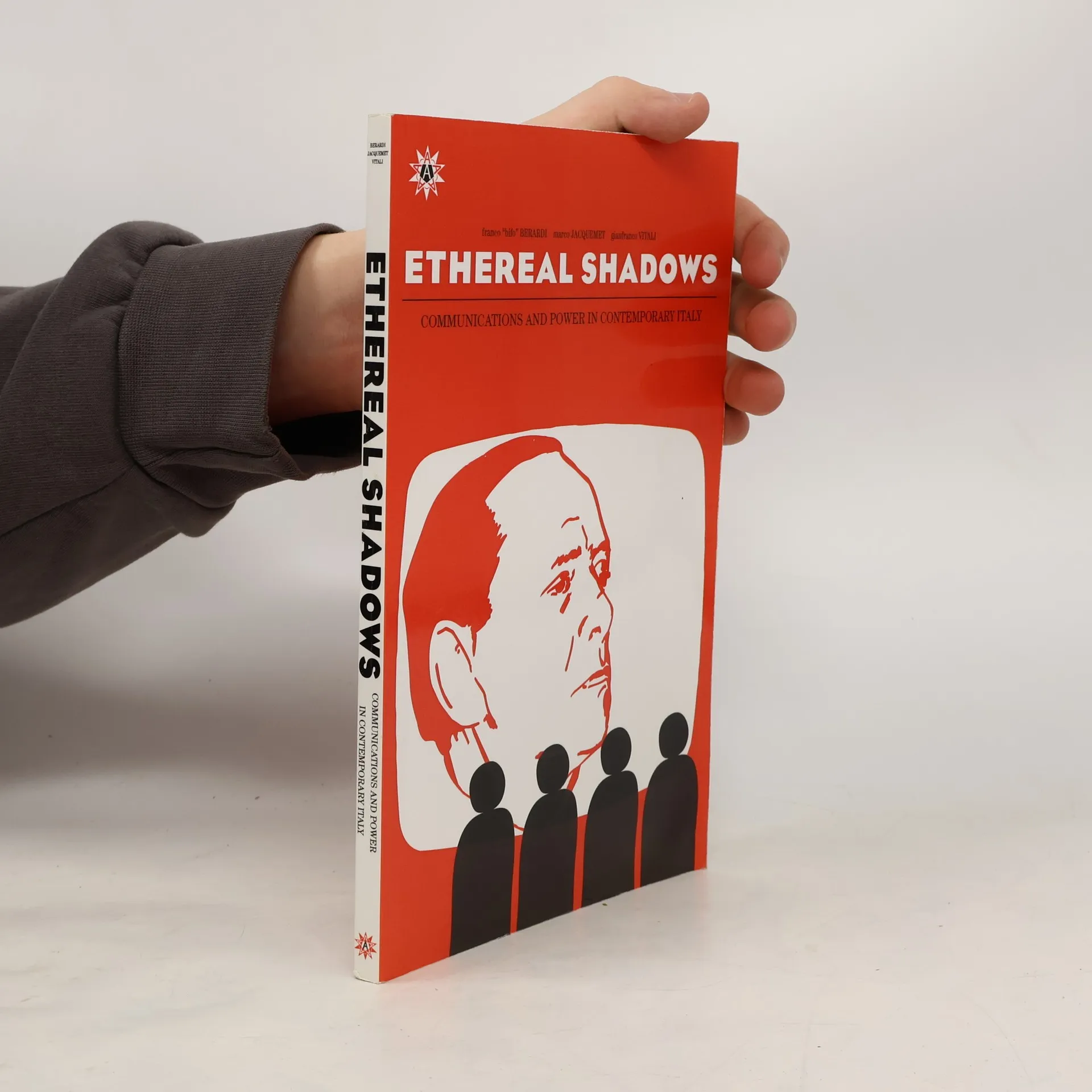
Nonfiction. Media Studies. European History. Translated from Italian by Jessica Otey. Focusing on Italian "videocracy," ETHEREAL SHADOWS documents the emergence of the first Italian media mogul, Silvio Berlusconi, and his rises and falls from political power. It also explores Italian media activism through three case studies: a discussion of the first autonomous free radio station, Radio Alice (broadcasting in Bologna between 1977 and 1979); a review of Italian Internet activism focusing on the site Rekombinant.org (launched in 2000); and a chronicle of the emergence of OrfeoTV in 2002, the first illegal micro-TV station in Italy.
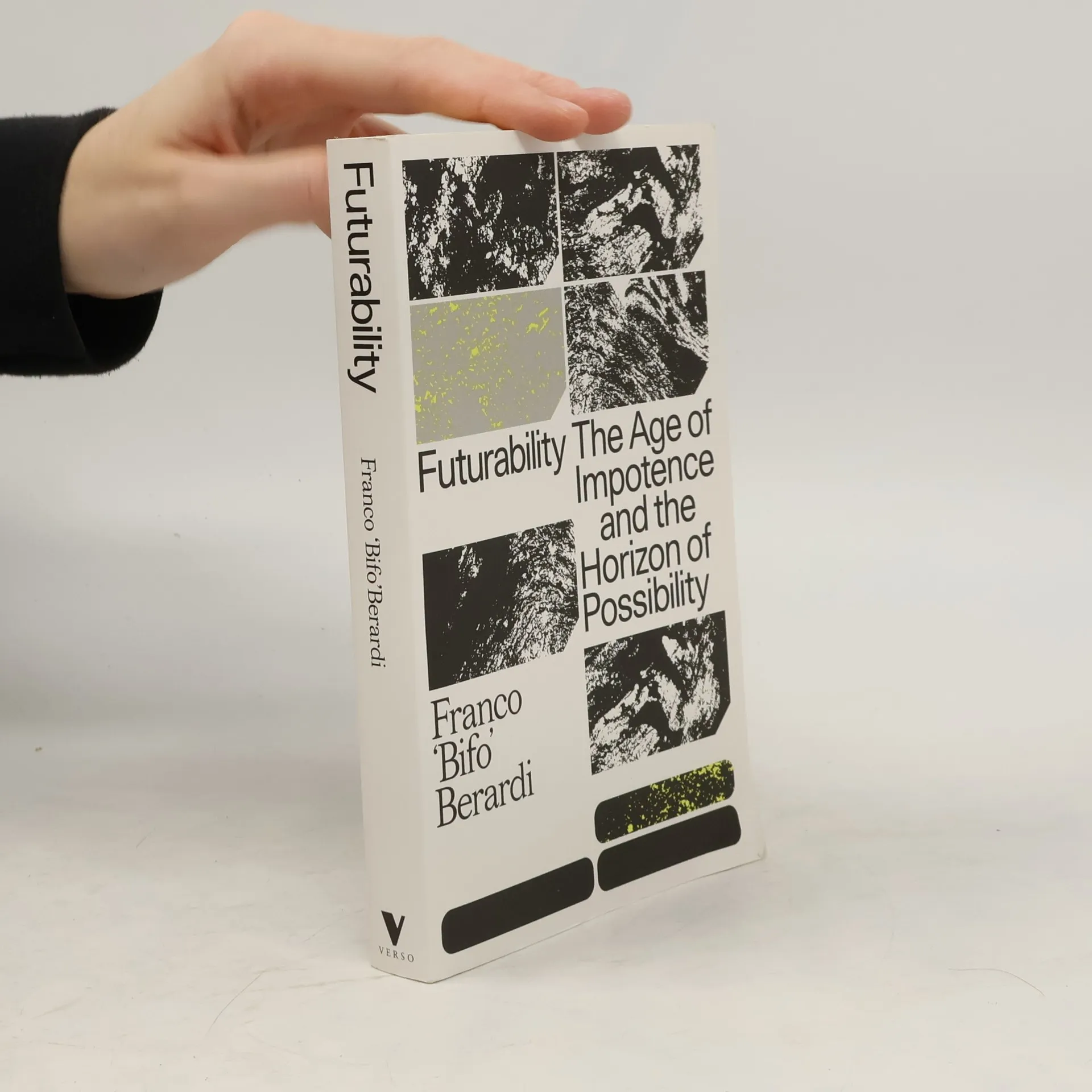
We live in an age of impotence. Stuck between global war and global finance, between identity and capital, we seem to be incapable of producing that radical change that is so desperately needed. Is there still a way to disentangle ourselves from a global order that shapes our politics as well as our imagination? In his most systematic book to date, renowned Italian theorist Franco "Bifo" Berardi tackles this question through a solid yet visionary analysis of the three fundamental concepts of possibility, potency, and power. Overcoming any temptation of giving in to despair or nostalgia, Berardi proposes the notion of futurability as a way to remind us that even within the darkness of our current crisis, still lies dormant the horizon of possibility
The Soul at Work
- 229 Seiten
- 9 Lesestunden
An examination of new forms of alienation in our never-off, plugged-in culture-and a clarion call for a conspiracy of estranged people.
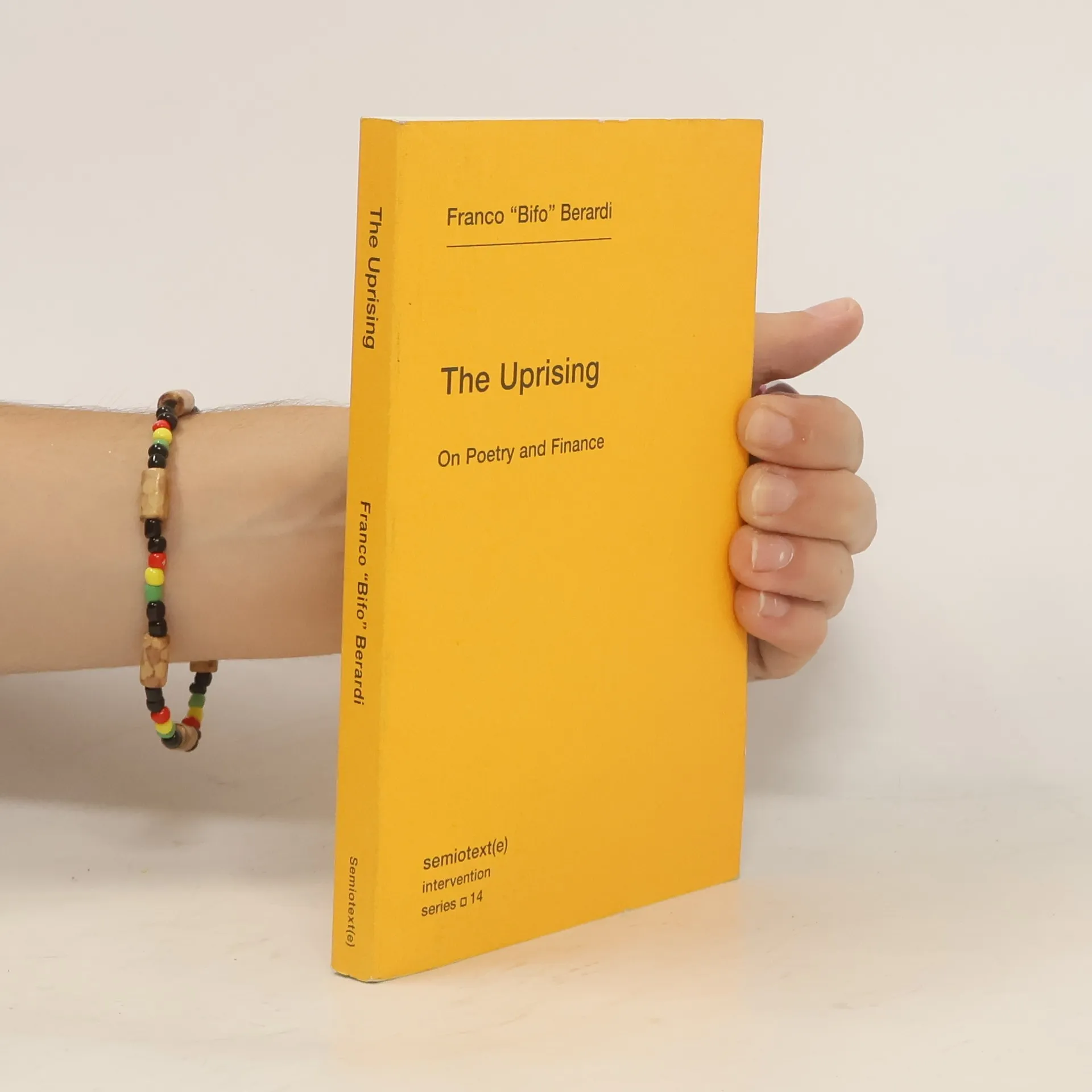
The Uprising
- 176 Seiten
- 7 Lesestunden
A manifesto against the concepts of growth and debt, and a call for a reinvestment in the social body.
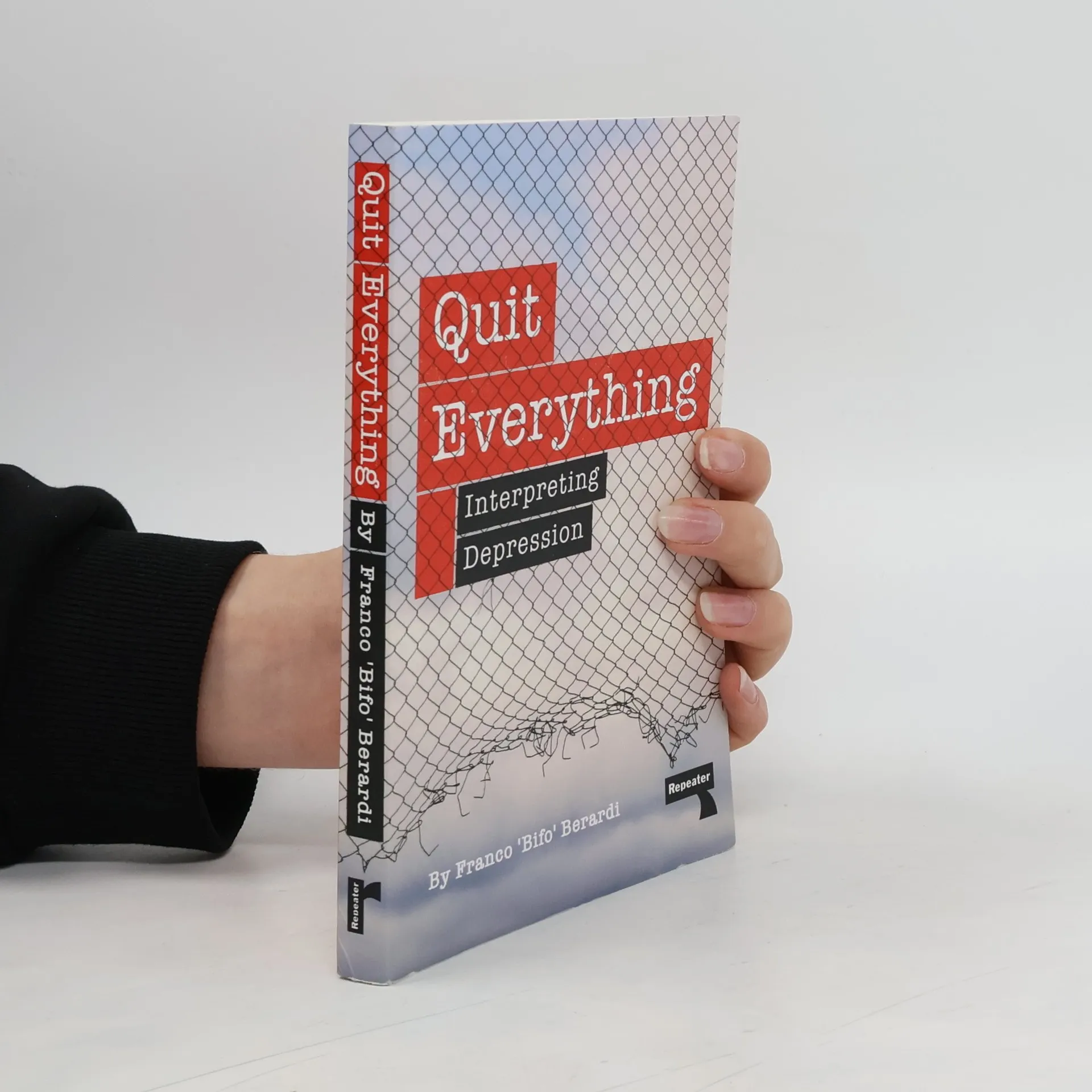
Quit Everything
- 207 Seiten
- 8 Lesestunden
Analyses the current wave of depression, or "desertion", that is causing more and more people to abandon hope and desire in a world where social, political and environment collapse seems inevitable. Depression is rife amongst young people the world over. But what if this isn’t depression as we know it, but instead a reaction to the chaos and collapse of a seemingly unchangeable and unliveable future? In Quit Everything, Franco Berardi argues that this “depression” is actually conscious or unconscious withdrawal of psychological energy and a dis-investment of desire that he defines instead as “desertion”. A desertion from political participation, from the daily grind of capitalism, from the brutal reality of climate collapse, and from a society which offers nothing but chaos and pain. Berardi analyses why this desertion is on the rise and why more people are quitting everything in our age of political impotence and the rise of the far-right, asking if we can find some political hope in desertion amongst the ruins of a world on the brink of collapse.
¿Por qué una fenomenología del fin? ¿Qué está terminando? Lejos del apocalipsis que ha invadido la cultura popular, el filósofo italiano Franco Berardi explora la transformación de nuestra capacidad de sentir y la disolución de la concepción moderna de humanidad. Aunque hombres y mujeres continúan viviendo, matando, sufriendo e intercambiando bienes, ha cambiado la forma en que se perciben a sí mismos y a los demás. Comprender estos procesos históricos y antropológicos requiere no solo de las ciencias sociales, sino también de la teoría estética, ya que su ámbito es lo sensible. A lo largo de la civilización, la creciente abstracción del mundo ha erosionado un modelo de interacción basado en la empatía, fortaleciendo otro que se adapta a estructuras sintácticas y códigos. La transición al entorno digital ha llevado a una disociación entre empatía y vínculo social. La exposición a un flujo de información frenético dificulta la elaboración de estímulos, saturando nuestra sensibilidad y atención. Esto se traduce en un aumento del estrés y la ansiedad, y en el ámbito del poder, en la sustitución de la voluntad política por un diseño biosocial que automatiza nuestras percepciones y deseos. Este libro traza un mapa de esta transformación, centrándose en la resistencia que los cuerpos, el arte y la sensibilidad ofrecen al determinismo de la experiencia.
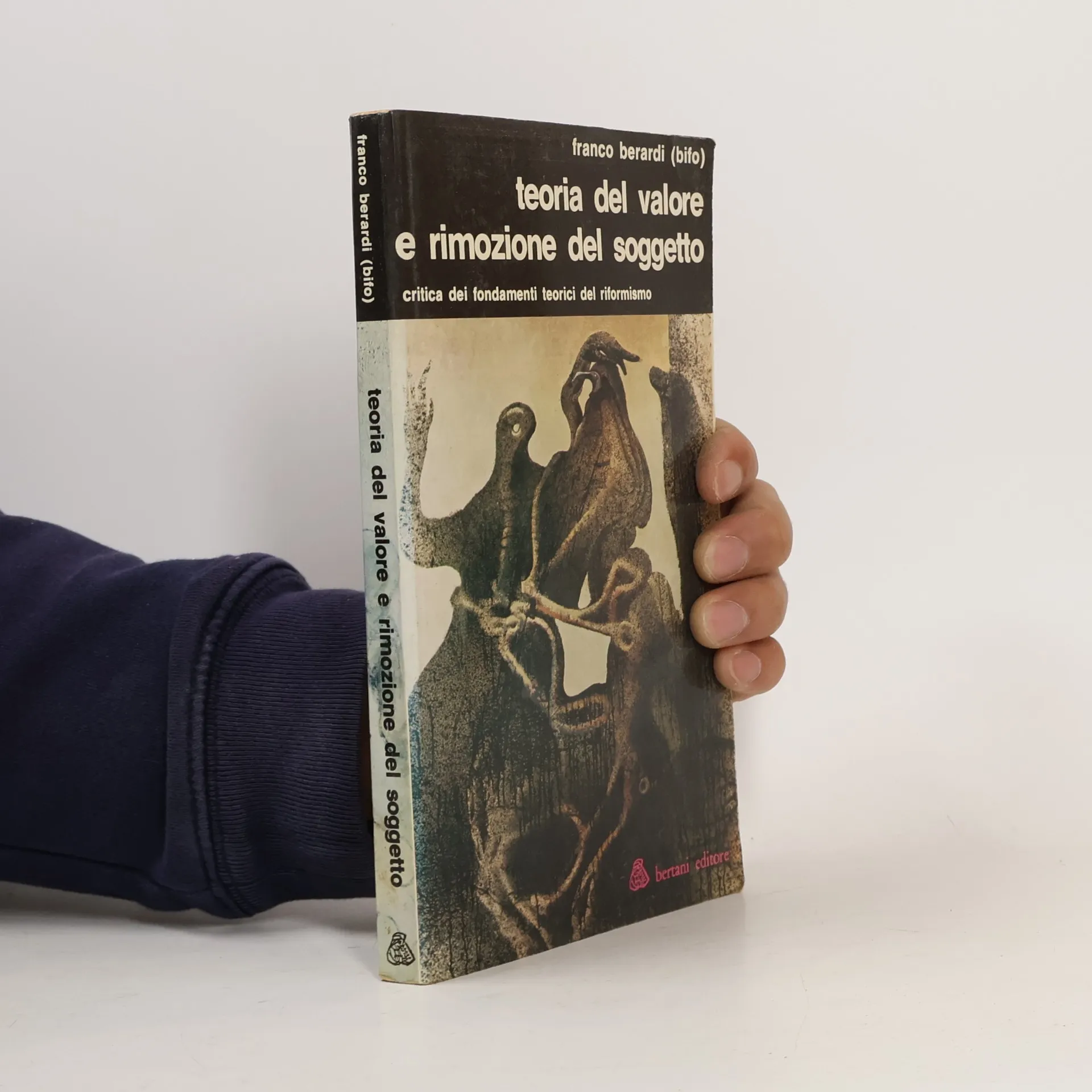
teoria del valore e rimozione del soggetto
critica dei fondamenti teorici del riformismo
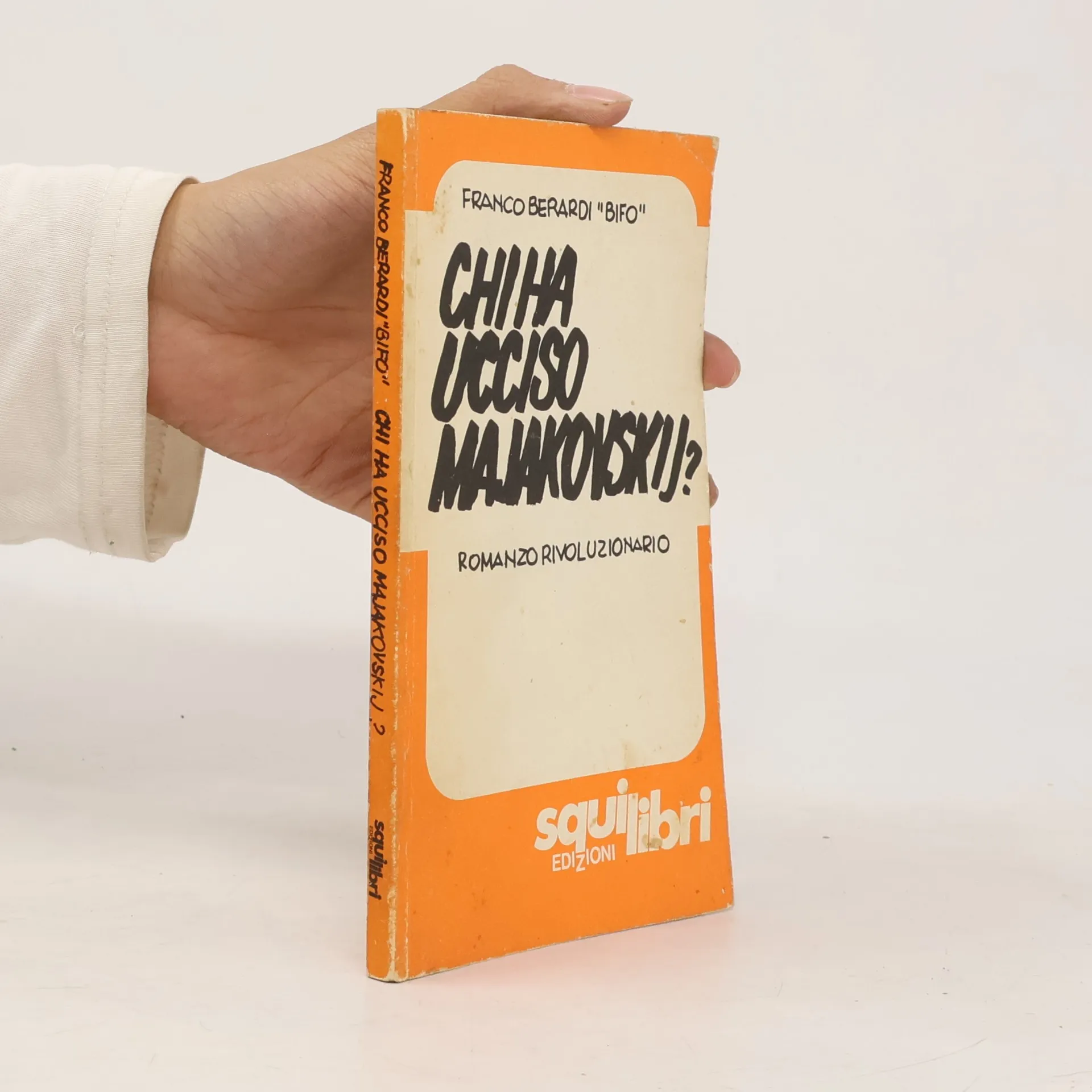
CHI HA UCCISO MAJAKOVSKIJ?
ROMANZO RIVOLUZIONARIO