Von Beirut nach Jerusalem
- 511 Seiten
- 18 Lesestunden
Ausgehend von persönlichen Eindrücken analysiert der langjährige Beirut- und Jerusalem-Korrespondent der äNew York Timesä laienverständlich die Nahost-Problematik.


Thomas L. Friedman ist ein gefeierter Autor und Journalist, dessen Werk sich mit internationalen Angelegenheiten befasst. Er stützt seine Erkenntnisse auf umfangreiche Recherchen vor Ort und bemüht sich, die komplexe globale Landschaft für die Leser zugänglich zu machen. Friedman hat die Definition von Außenpolitik erweitert, um die Auswirkungen von Finanzen, Globalisierung und Technologie einzubeziehen. Seine Schriften untersuchen das Zusammenspiel zwischen beständigen Kräften wie Nationalismus und Kultur sowie den transformativen Auswirkungen des Internets und globaler Märkte.



Ausgehend von persönlichen Eindrücken analysiert der langjährige Beirut- und Jerusalem-Korrespondent der äNew York Timesä laienverständlich die Nahost-Problematik.
Intelligente Mülleimer, Kühe mit Schrittzählern, selbstfahrende Autos: Einst Fiktion, heute Fakt. Noch dazu Symptome größerer Umwälzungen, die alle Lebensbereiche betreffen und sich im Tempo geradezu überschlagen. Wer soll sich da noch auskennen ... New York Times-Kolumnist Thomas L. Friedman weiß Rat: In seinem neuen Buch erklärt er die jüngsten Entwicklungen in Technologie, Gesellschaft und Umwelt und zeigt, dass auch in einer zunehmend komplexen Welt Anlass zu Optimismus besteht. Statt abzuschalten, lädt Friedman zu einem Moment des Innehaltens ein. Sein Credo: Wir müssen rasten und reflektieren statt rosten und resignieren.
In seinem Weltbestseller Die Welt ist flach zeigt Thomas Friedman die positiven und produktiven Folgen der Globalisierung. In seinem neuen Buch diagnostiziert Friedman die äußerst gefährlichen Folgen dieser Entwicklung: Die globale Erwärmung und das gewaltige Wachstum der Erdbevölkerung haben die gesamte Menschheit in ein neues Zeitalter versetzt, in das »Zeitalter der Energie und des Klimas«. Dieses wird dominiert von Konflikten, deren Lösung für das Überleben der Menschen entscheidend ist. Im Gefolge der wachsenden Nachfrage nach immer knapperen Energie- und Rohstoffvorräten können kriegerische Auseinandersetzungen alltäglich werden; vernichtet der verheerende Klimawandel die Überlebensbedingungen großer Bevölkerungsgruppen, sind als Konsequenz einer neuen Armutskluft zwischen Energiebesitzern und Energiehabenichtsen riesige Migrationsströme unausweichlich. Angesichts einer solchen Weltlage der höchsten Alarmstufe entwickelt Thomas Friedman eine Agenda für das 21. Jahrhundert: An die erste Stelle der anzupackenden Aufgaben setzt er die Notwendigkeit einer weltweiten grünen Revolution. Die innovativen Instrumente, die das drohende katastrophische neue Zeitalter verhindern können, sowie die notwendigen Formen der Zusammenarbeit im Gefolge dieser Revolution entfaltet Thomas Friedman detailliert, anregend und aufrüttelnd in seinem radikal eingreifenden Buch über und für eine neue Epoche.
Schulausgabe für das Niveau C1, ab dem 6. Lernjahr. Ungekürzter englischer Originaltext mit Annotationen
When scholars write the history of the world twenty years from now, what will they identify as the most crucial development? The attacks on the World Trade Center on 9/11 and the Iraq war? Or the convergence of technology and events that enabled countries like India and China to join the global supply chain for services and manufacturing, resulting in significant wealth for their middle classes and a vested interest in globalization? This "flattening" of the globe raises questions about whether the world has become too small and fast for human beings and their political systems to adapt effectively. In this insightful book, award-winning columnist Thomas Friedman demystifies the new global landscape, helping readers understand the complex interplay of foreign policy and economic issues. He explores how this flattening occurred at the dawn of the 21st century, its implications for nations, companies, communities, and individuals, and how governments and societies must adapt to thrive in this rapidly changing environment.
Inhaltsubersicht: Eroffnungsszene: Die Welt ist zehn Jahre alt, 1. Das System sehen, 2. Sich an das System anschliessen, 3. Widerstand gegen das System, 4. Amerika und das System, Dansagung, Register
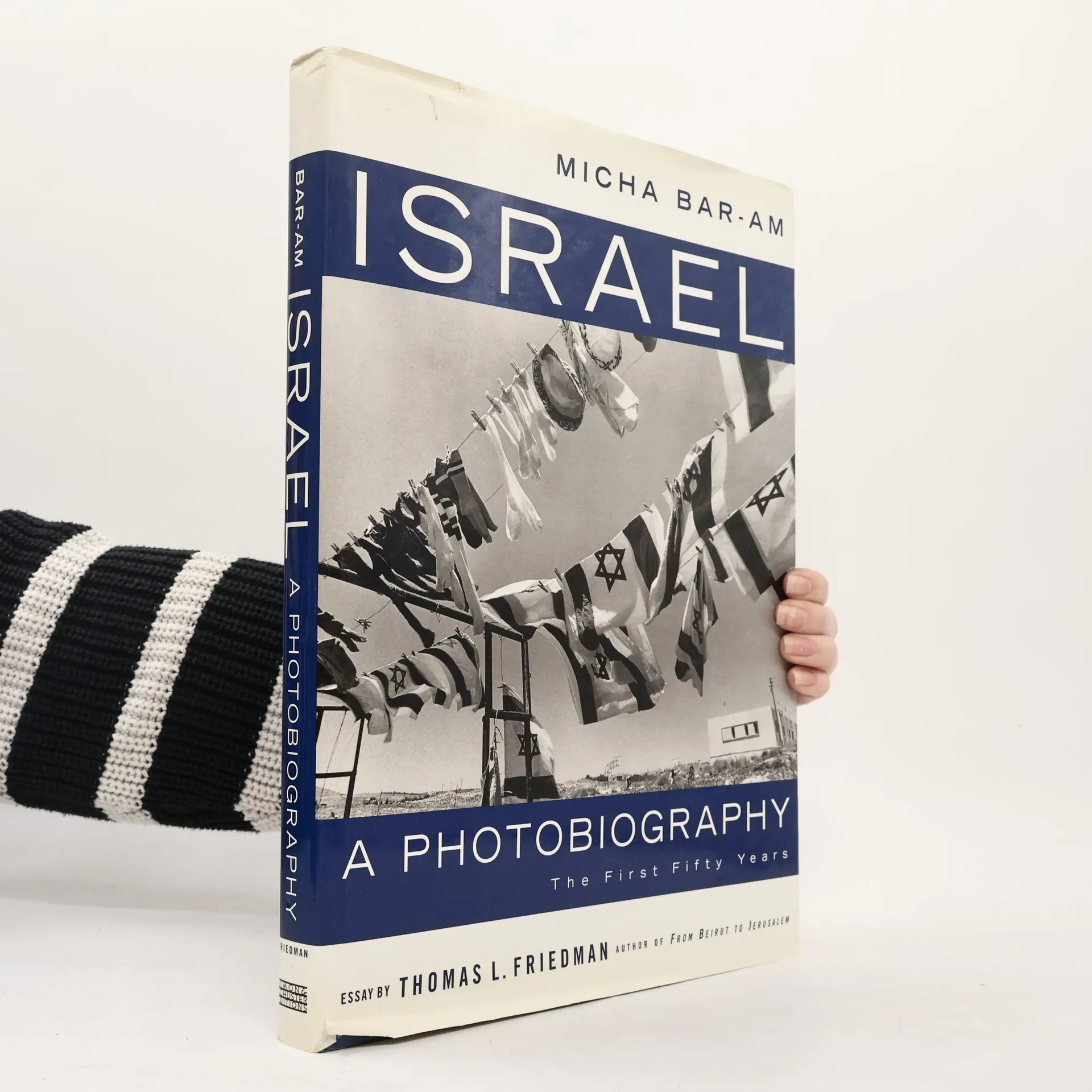
As spectacular and moving as Bar-Am's photos are, Thomas L. Friedman's compelling essay provides an anchor in the form of an eloquent reflection on the unfolding of the first fifty years. Israel's contributions to politics and culture, to religion and commerce, have made a tremendous mark on the world, and these issues Friedman addresses with the perception of an outsider who has spent almost a quarter of his life in the area. While Bar-Am's photos show us the events that have shaped Israel's path, Friedman's essay explores the implications of Israel's first fifty years and the nation's powerful struggle between its past and its future.
Originally published: New York: Farrar, Straus, and Giroux, 2011.
From the Pulitzer Prize–winning New York Times columnist and bestselling author of From Beirut to Jerusalem and The Lexus and the Olive Tree comes this smart, penetrating, brilliantly informed book that is indispensable for understanding today’s radically new world and America’s complex place in it. Thomas L. Freidman received his third Pulitzer Prize in 2002 “for his clarity of vision, based on extensive reporting, in commenting on the worldwide impact of the terrorist threat.” In Longitudes and Attitudes he gives us all of the columns he has published about the most momentous news story of our time, as well as a diary of his private experiences and reflections during his post–September 11 travels. Updated for this new paperback edition, with over two years’ worth of Friedman’s columns and an expanded version of his diary, Longitudes and Attitudes is a broadly influential work from our most trusted observer of the international scene.
This title brings together reportage and reflections on the state of the world leading up to and after September 11, 2001. Thomas Friedman gives voice to our awakening sense of a radically new world and our own complex place in it.