

Gratis Versand in ganz Deutschland
Bookbot

Lenka Merglová-Pánková

    1. Januar 1962
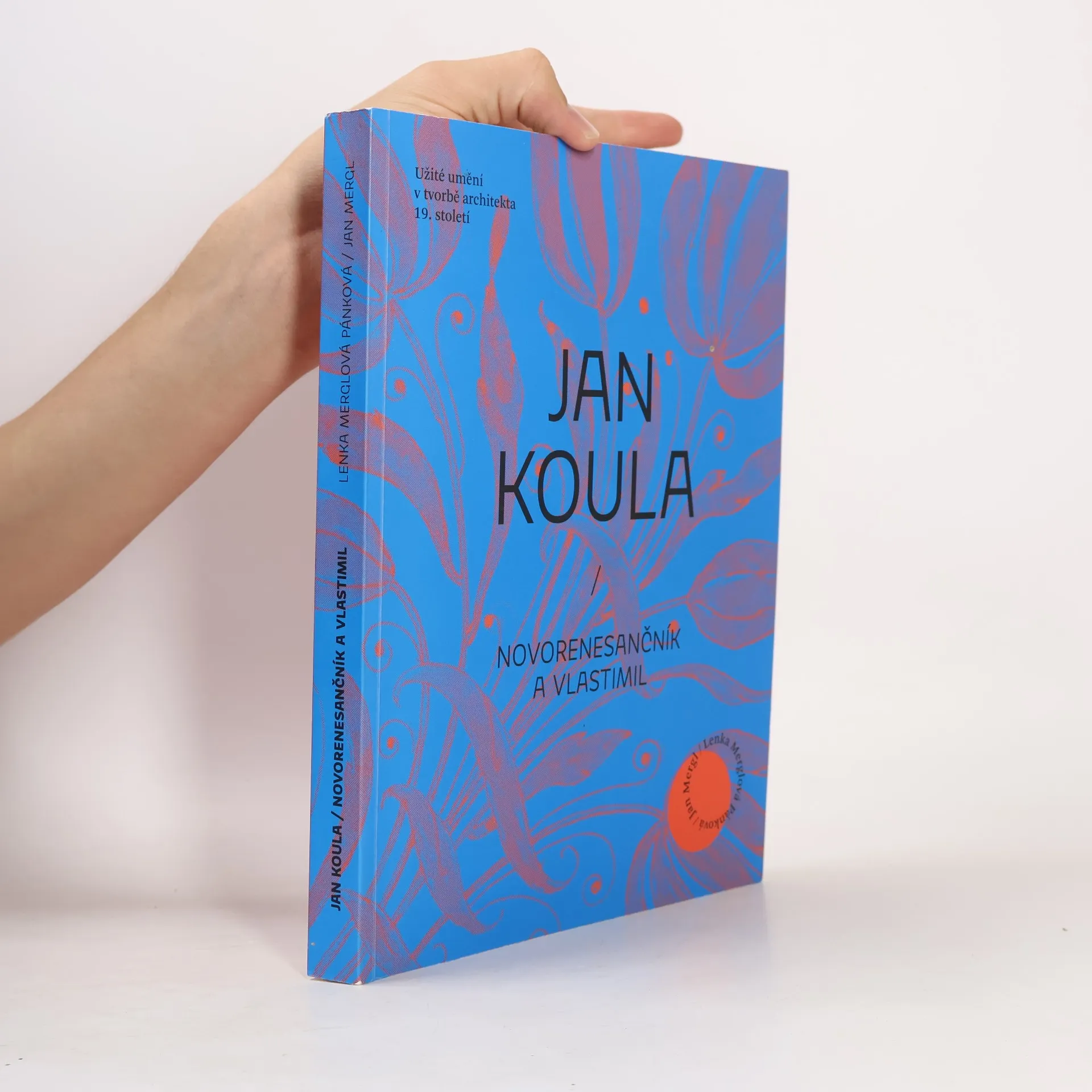
    Jan Koula : Novorenesančník a Vlastimil : užité umění v tvorbě architekta 19. století
    Josef Škorpil (1856-1931). Příběh plzeňského muzejníka a jedné muzejní sbírky
    Jaroslav Ježek
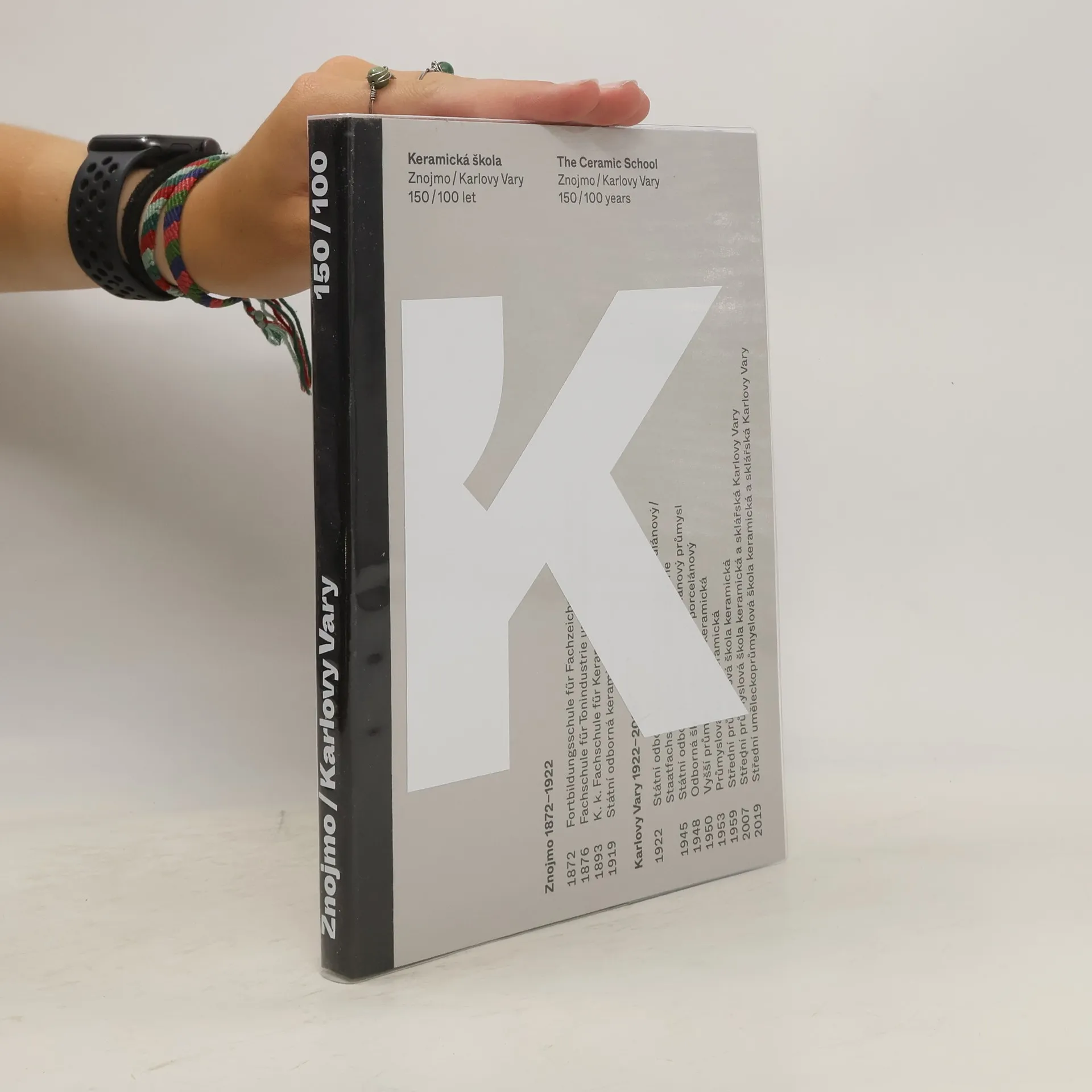
    Keramická škola Znojmo/Karlovy Vary
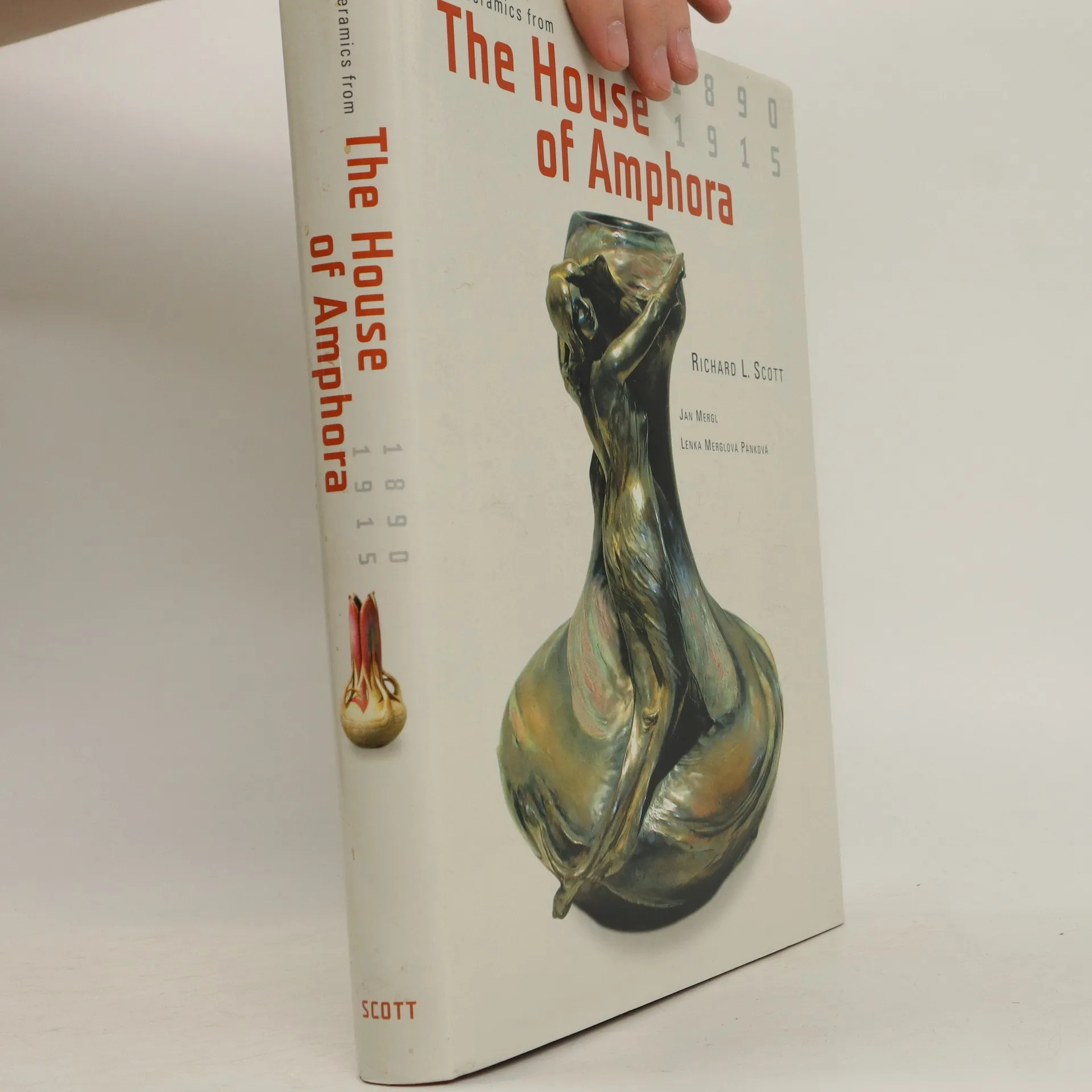
    Ceramics from the House of Amphora: 1890-1915
    • 2024

      Jaroslav Ježek

      • 246 Seiten
      • 9 Lesestunden

      Jaroslav Ježek je klíčovou postavou československého porcelánu, jehož kariéra začala v roce 1949 během studentské praxe v Thunské továrně v Klášterci nad Ohří. Po sloučení porcelánek v národní podnik Karlovarský porcelán pracoval ve Vývojovém závodě Lesov, kde vedl tým řemeslníků při přípravě prototypů pro sériovou výrobu. Jeho návrhy a vzory reprezentovaly československou porcelánovou výrobu na mezinárodních výstavách a soutěžích, kde pravidelně získávaly nejvyšší ocenění. Největšího uznání dosáhl na Expo ’58 v Bruselu, kde jeho souprava Elka a plastiky hřebečků získaly Grand Prix a zlatou medaili. Během Ježkova života se měnily výrobní technologie a přístup společnosti k porcelánu, který se z exkluzivního zboží stával běžným. Ježek navrhoval soupravy pro každodenní použití, přičemž se snažil udržet hodnoty porcelánu prostřednictvím malosériových souborů a originálních dekorů. Vytvořil desítky konvic, hrnků, terin a figurek, čímž věnoval porcelánu celý život a umožnil si uplatnit svůj talent. Jeho práce odráží umělecký vývoj československého porcelánu od 50. do 90. let 20. století a jeho zápisky poskytují cenný pohled na každodenní praxi a život v tomto průmyslu.

      Jaroslav Ježek
    • 2004

      Here is the definitive account of the House of Amphora, the innovative ceramic artworks bearing that name in fact or by association, and the five workshops that produced them.With access to the most extensive Amphora collections worldwide and recently unearthed archives and records from the Czech Republic, the authors - all three specialists in their fields - piece together a fascinating story of talent, ambition, family ties and innovation. They journey from Amphora's beginnings in the Turn-Teplitz region of what was once Bohemia, to foreign markets where their artworks garnered mass appeal and on to the world's largest art exhibitions of the late 19th and early 20th centuries.Cognizant that all works of art reflect the times from which they emerge, the authors discuss the vital relationship between the ceramic workshops and the many movements - political, economic and artistic - that swept through Europe and the rest of the world at that time. Included are hundreds of specially commissioned photographs with detailed descriptions, chapters on collecting, care and conservation, and a lengthy study of marks, signatures and the Amphora numbering system.

      Ceramics from the House of Amphora: 1890-1915