Bookbot

Cecil Balmond

    Element
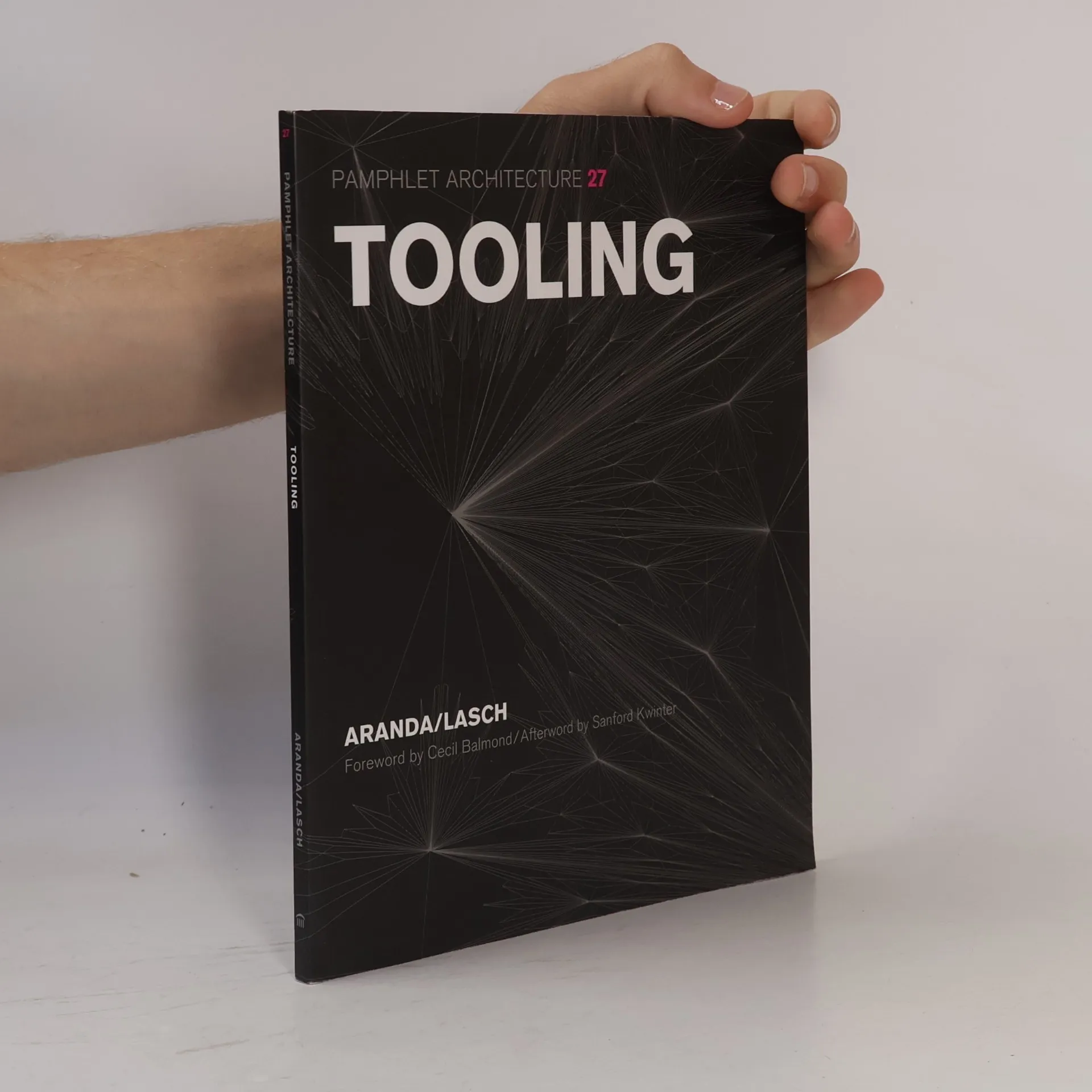
    Tooling
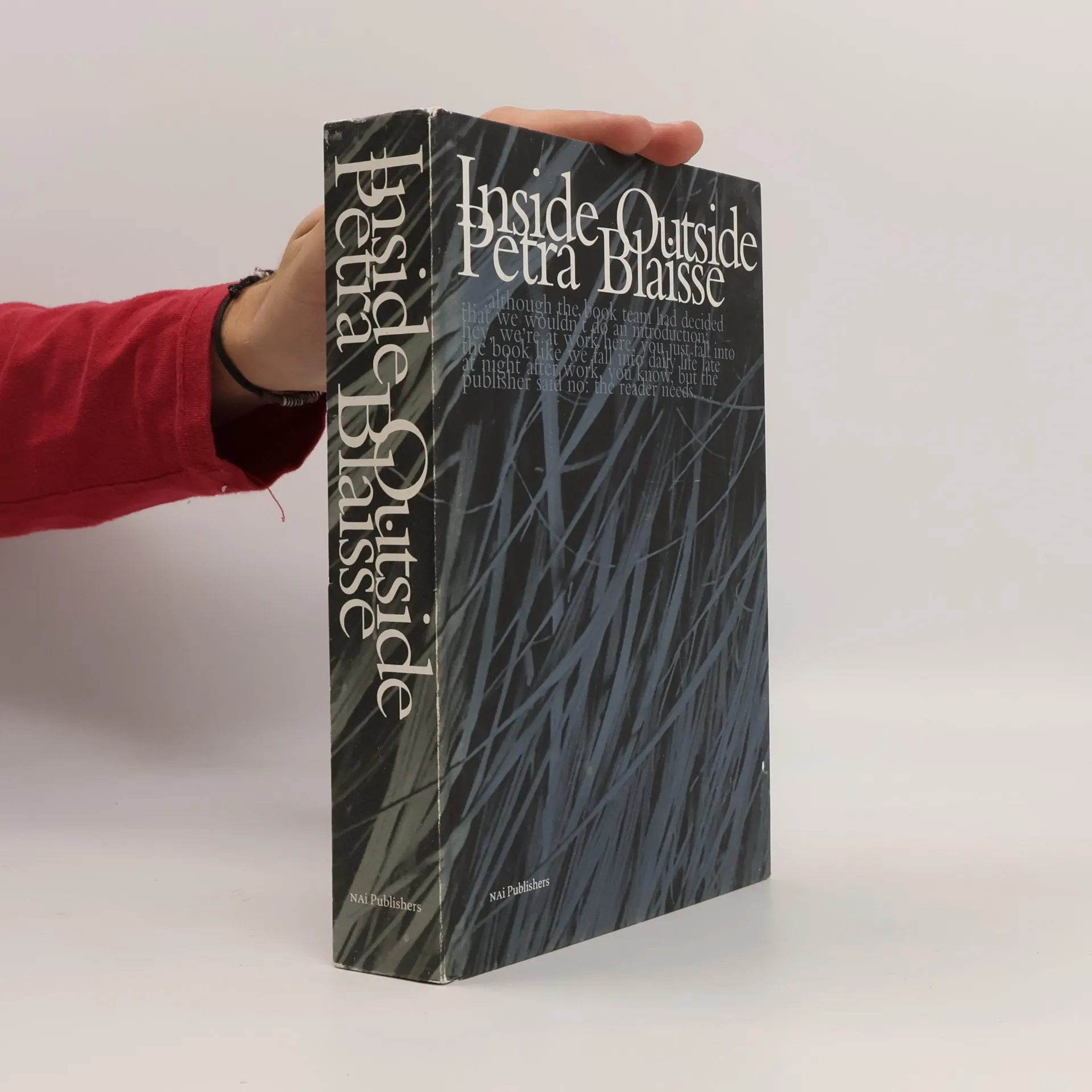
    Petra Blaisse
    Number 9
    Informal
    • Informal

      • 400 Seiten
      • 14 Lesestunden

      Balmond is making the transition from structural engineer working alongside other architects to an architect in his own right. His structural thinking differs from that of others in his field, in its completely innovative conception of the engineer's contribution to architecture. The plasticity of architectural plans is enhanced through a decisive promotion of their structural designs. The borderline between structure and architecture thus becomes increasingly blurred. This process is explained in detail in "Informal" by reference to eight seminal projects. Balmond elucidates the theoretical basis of his engineering and architectural solutions, and his sketches transcend purely technical illustration - they are key to his approach. "Informal" invites readers to rethink their understanding of the relationships between architecture, design and engineering.

      Informal
      4,2
    • Number 9

      • 232 Seiten
      • 9 Lesestunden

      Number 9 tells the story of Enjil, a boy mathematician who is challenged by a spirit to solve the riddle, What is the fixed point of the wind? As Enjil searches for the answer, he and the reader embark on a journey through myth, legend, and religion. Enjil s adventures lead readers to an appreciation of symmetry within asymmetry, classical ideas, and modern impulses. Along the way Balmond redefines arithmetic for the lay person and opens the gateway to further discoveries.

      Number 9
      3,7
    • Petra Blaisse

      Inside Outside Reveiling - Interior and Landscape Architecture

      • 320 Seiten
      • 12 Lesestunden

      This first extensive survey of the work of Petra Blaisse, the internationally known Dutch garden and interior designer, comes at the right time. Blaisse, who has been collaborating with Rem Koolhaas's Office for Metropolitan Architecture and other major architectural concerns for many years, just finished her largest and best-known project in the U.S., the much-lauded Seattle Public Library's gardens and interior. A "library" of local plant life surrounds the building, and a tiled carpet designed after a garden leads patrons in. Blaisse is passionate about uniting interior and exterior space. She sees them as continuous, and says of her unusual synergy of design roles, that "They are totally different professions, yet they are completely open the window and the garden comes in, the curtain comes out." Her work, situated in the margin between design and architecture, indicates new directions and possibilities for each field. A conversation between Blaisse and curator Kayoko Ota runs throughout Inside Outside, while the balance of the book documents 20 projects ranging from contained interior interventions to larger landscape designs, each described in photography, sketches and drawings.

      Petra Blaisse
    • Tooling

      Tooling

      • 96 Seiten
      • 4 Lesestunden

      We all know that today's architectural design has moved from the sketchpad to the screenthe era of the Mayline and the drafting board now seems downright Paleolithicbut techniques for using the computer not just as a tool for rendering but as a generative instrument remain woefully unexplored. In Tooling , the latest installment in our renowned Pamphlet Architecture series, the technologically progressive young firm Aranda/Lasch illustrates how advanced computational methods and algorithmic codes can be used to foster architectural design. Tooling explores patterns generated by computer codes that in turn create an organizational template assembling projects. By openly sharing these codes, the authors seek to foster further investigation into their methods, allowing other architects to model and evolve more critical and insightful geometries and patterns.

      Tooling
    • Element

      • 249 Seiten
      • 9 Lesestunden

      In seinem neuen Buch „Element“ nimmt Cecil Balmond den Leser mit in seine Denkwelt und eröffnet ihm durch die Verknüpfung von Fotografie, Text und Zeichnung einen neuen visuellen Horizont. Balmonds sehr persönliche und einmalige Bildsprache wie auch die Texte führen seine kreativen Ansätze vor Augen. Die Erzählung entfaltet sich über drei Kapitel - elements, pattern, nature -, die wiederum durch zwei konzeptionelle Ebenen - patterns und numbers - verbunden werden. In dieser Verflechtung entwickeln sich verschiedene Erzählebenen. Vergleichbar dem chinesischen Kreis der Elemente werden die unterschiedlichen Konzepte verbunden und in einen kausalen Zusammenhang gesetzt.

      Element