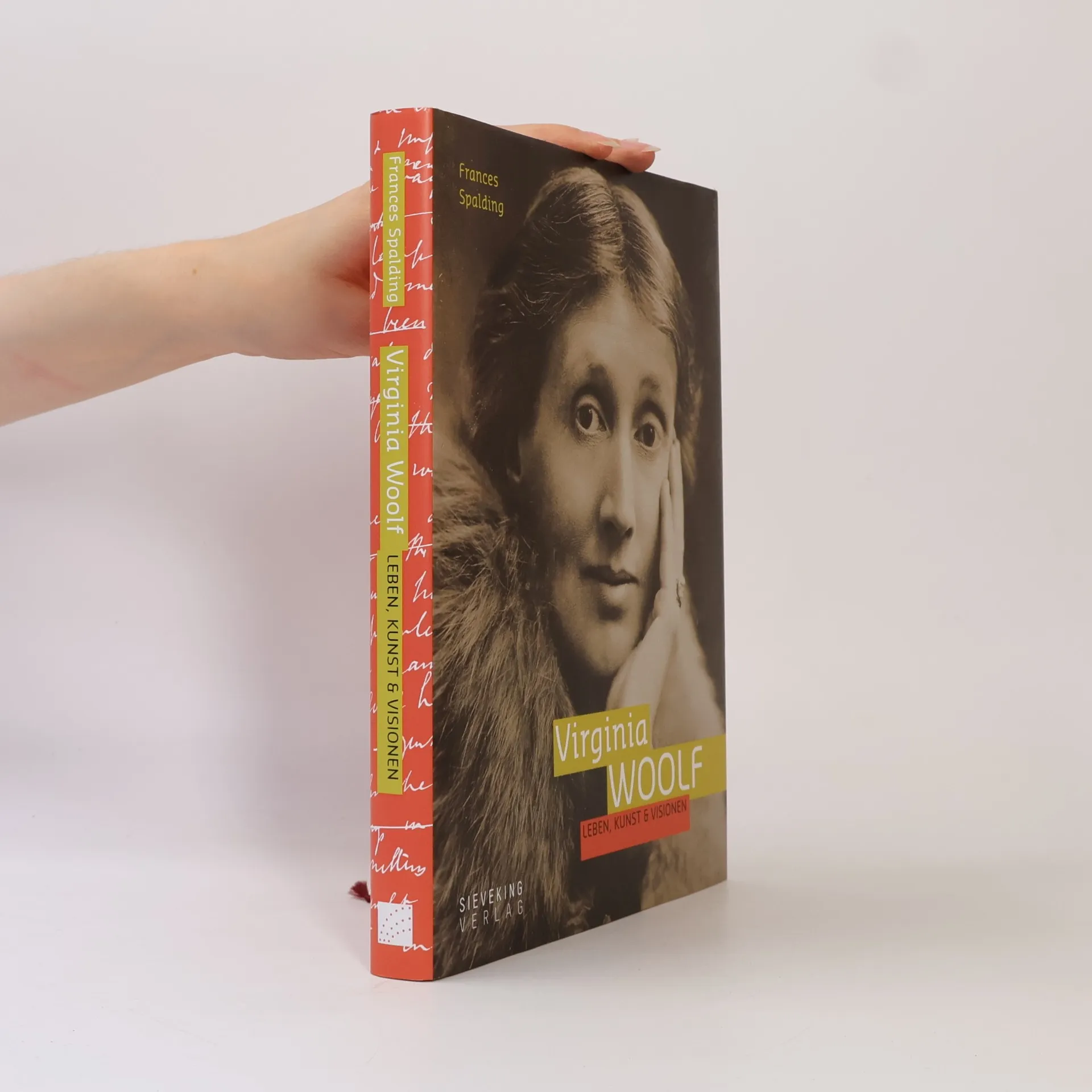
Hochlebendige Biographie durch mehr als 100 Abbildungen Virginia Woolf (1882-1941) war eine der bedeutendsten Schriftstellerinnen des frühen 20. Jahrhunderts. Von Kindheit an spielte Kunst eine große Rolle in ihrem Leben. Umgeben von Porträts des Malers G. F. Watts und Fotografien ihrer Tante Julia Margaret Cameron wuchs sie in einem Kreis von Literaten, Intellektuellen und Künstlern auf. So verwundert es nicht, dass sie später zur zentralen Figur der berühmten Bloomsbury Group wurde, die mit ihren innovativen Ideen von Kunst und Gesellschaft die moderne Gesellschaft Englands prägte. In ihren Schriften gelang es der scharfen Beobachterin, dieses Umfeld pointiert zu porträtieren. Gleichzeitig führte der rege Austausch dazu, dass sie selbst bei vielen Gelegenheiten von Künstlern und Fotografen porträtiert wurde. Über 100 Gemälde, Fotografien, Buch- und Tagebuchseiten illustrieren diese sorgfältig recherchierte Lebensgeschichte und tragen zu einem tiefen Verständnis für die Person Virginia Woolfs bei. Eine faszinierende Reise durch das Leben der großen Literatin.
Frances Spalding Bücher
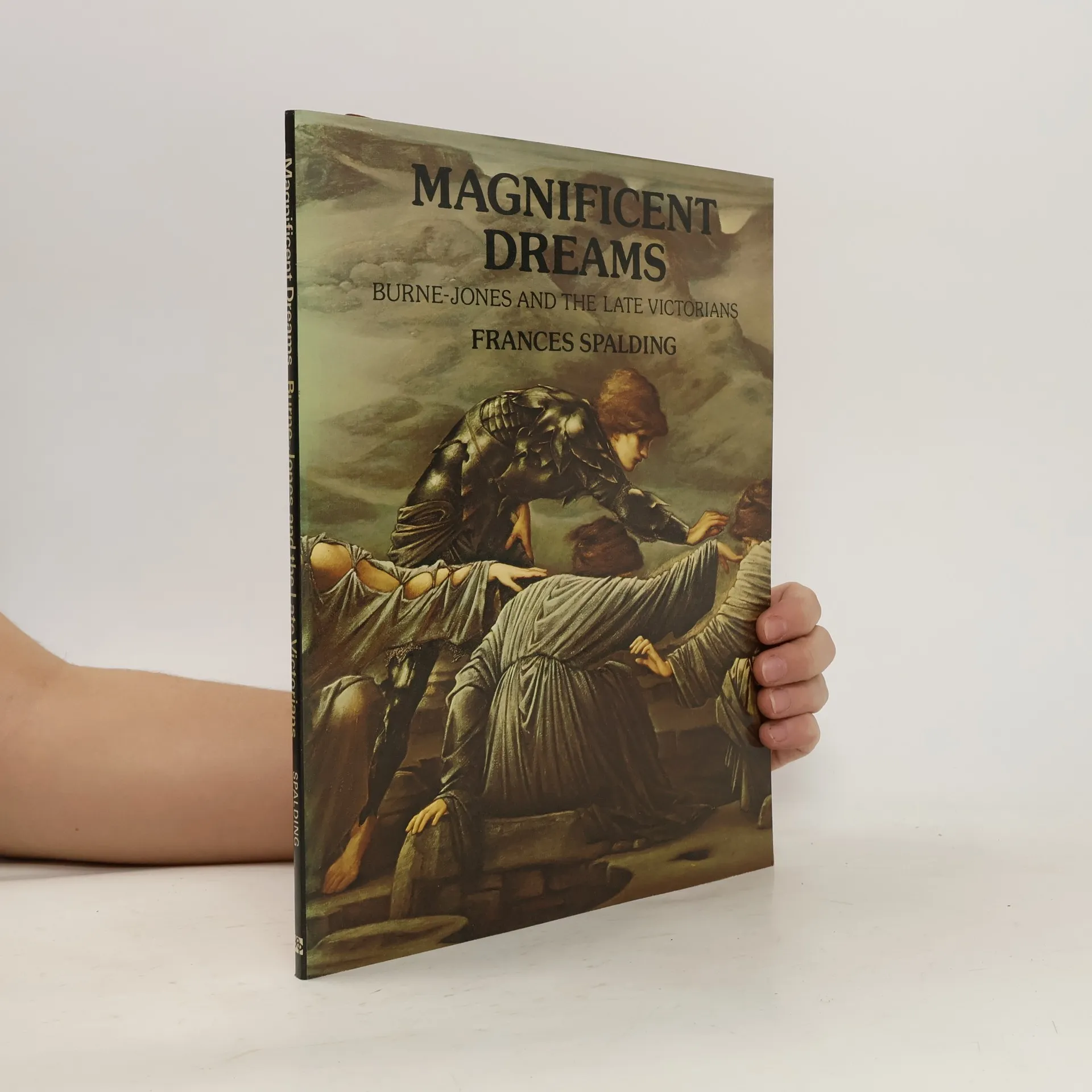
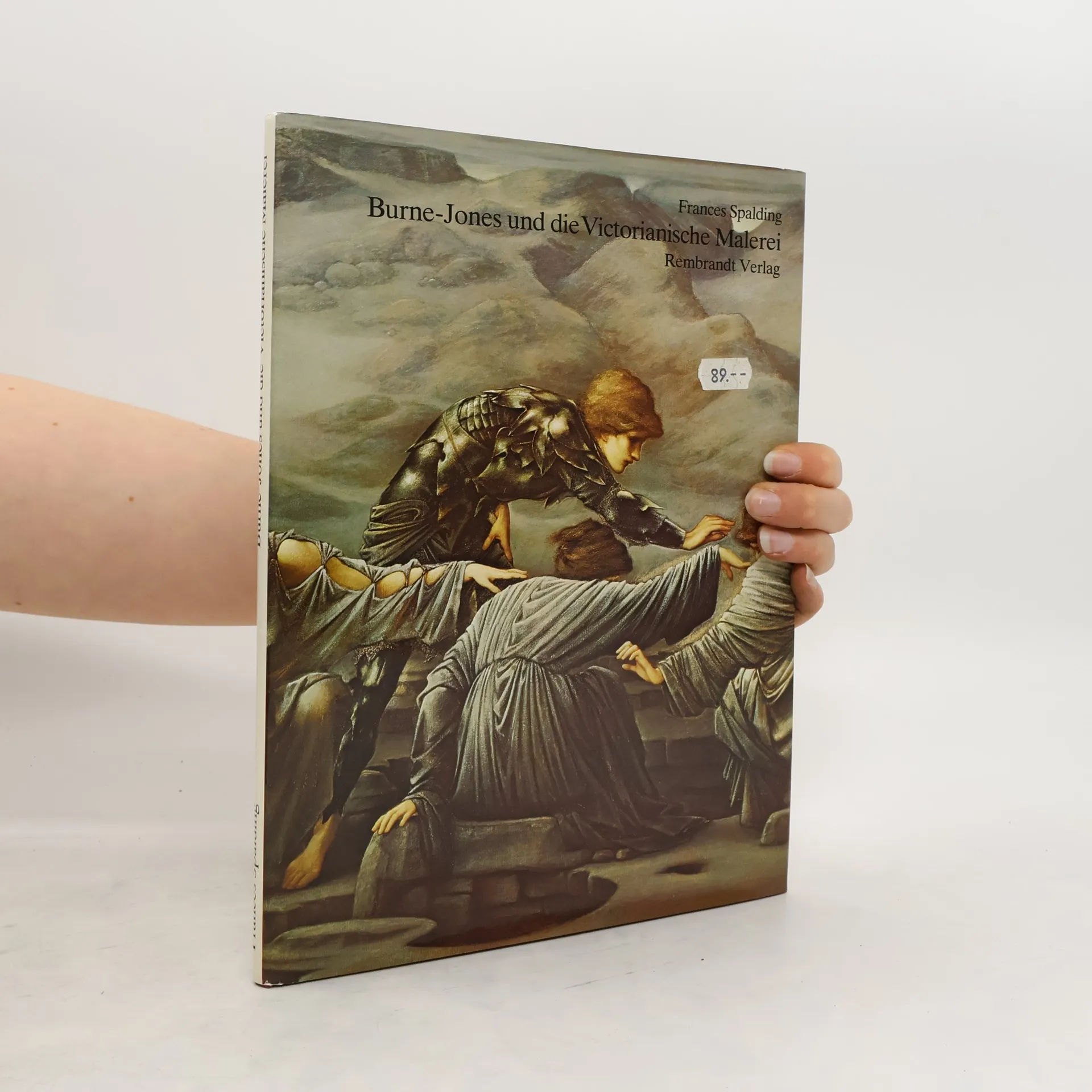
Burne-Jones und die Victorianische Malerei
- 80 Seiten
- 3 Lesestunden
Libro usado en buenas condiciones, por su antiguedad podria contener señales normales de uso
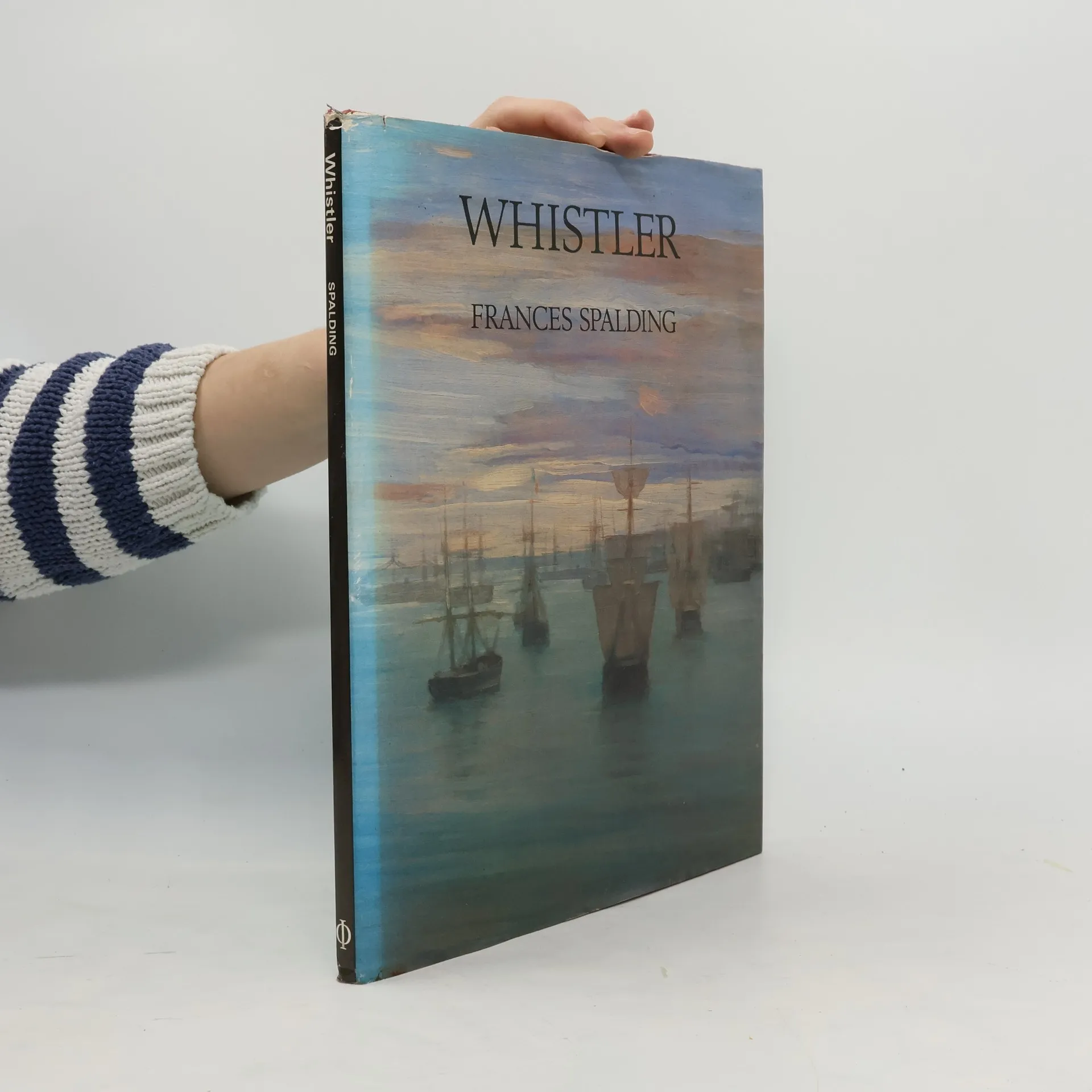
Whistler
- 80 Seiten
- 3 Lesestunden
The series has always been highly regarded for its insight and authority, providing an invaluable introduction to key artists and movements in art history. Each volume contains an introductory essay, forty-eight full-page colour plates, accompanied by extensive notes, and numerous comparative illustrations in colour or black and white.
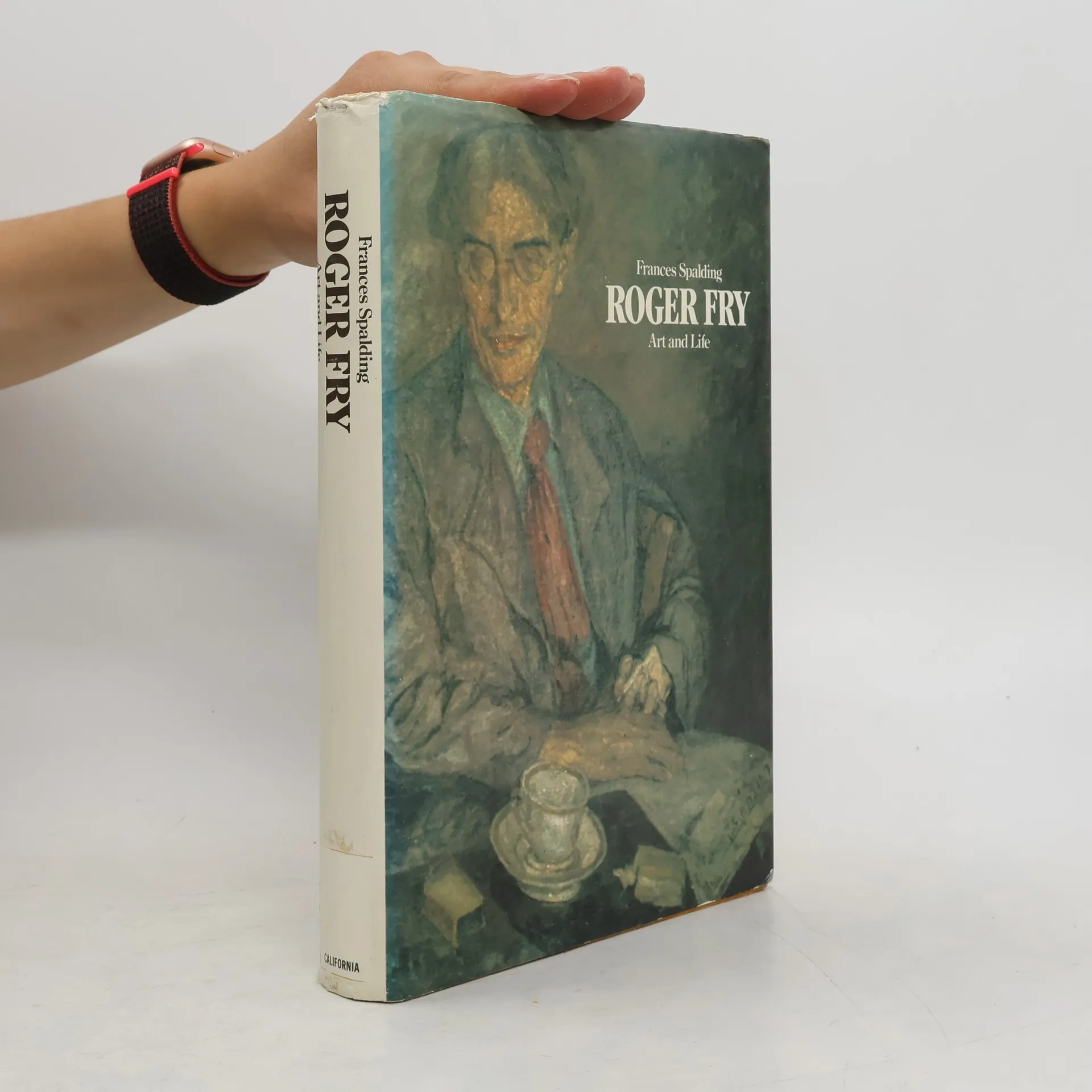
Roger Fry
Art and Life
Traces the career of the nineteenth-century English art critic and painter, who associated with the Bloomsbury group, Picasso, and Bernard Shaw
Book by Spalding, Frances
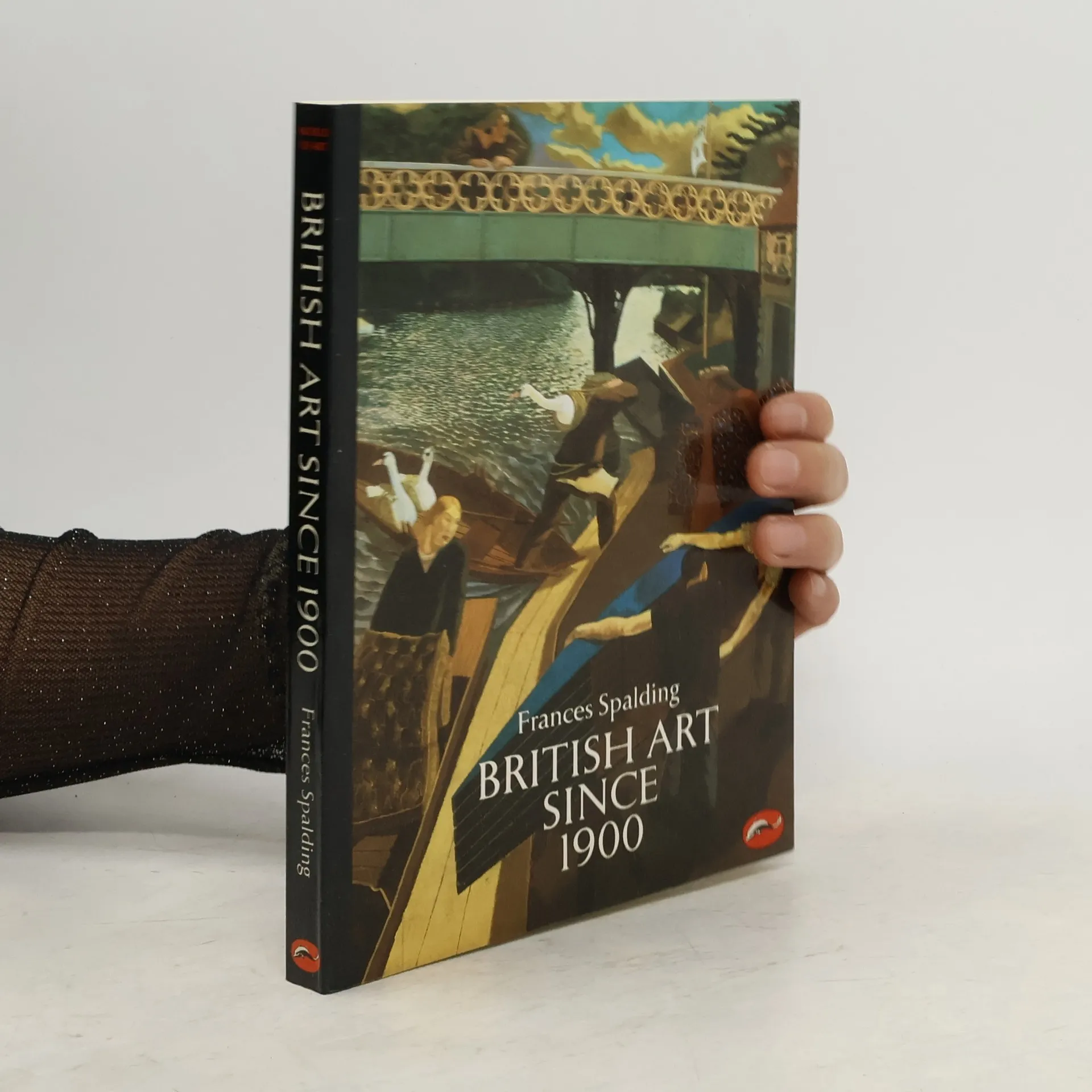
An overview tracing the development of British art and examining the careers of influential artists such as John Singer Sargent, Vanessa Bell, and David Hockney.
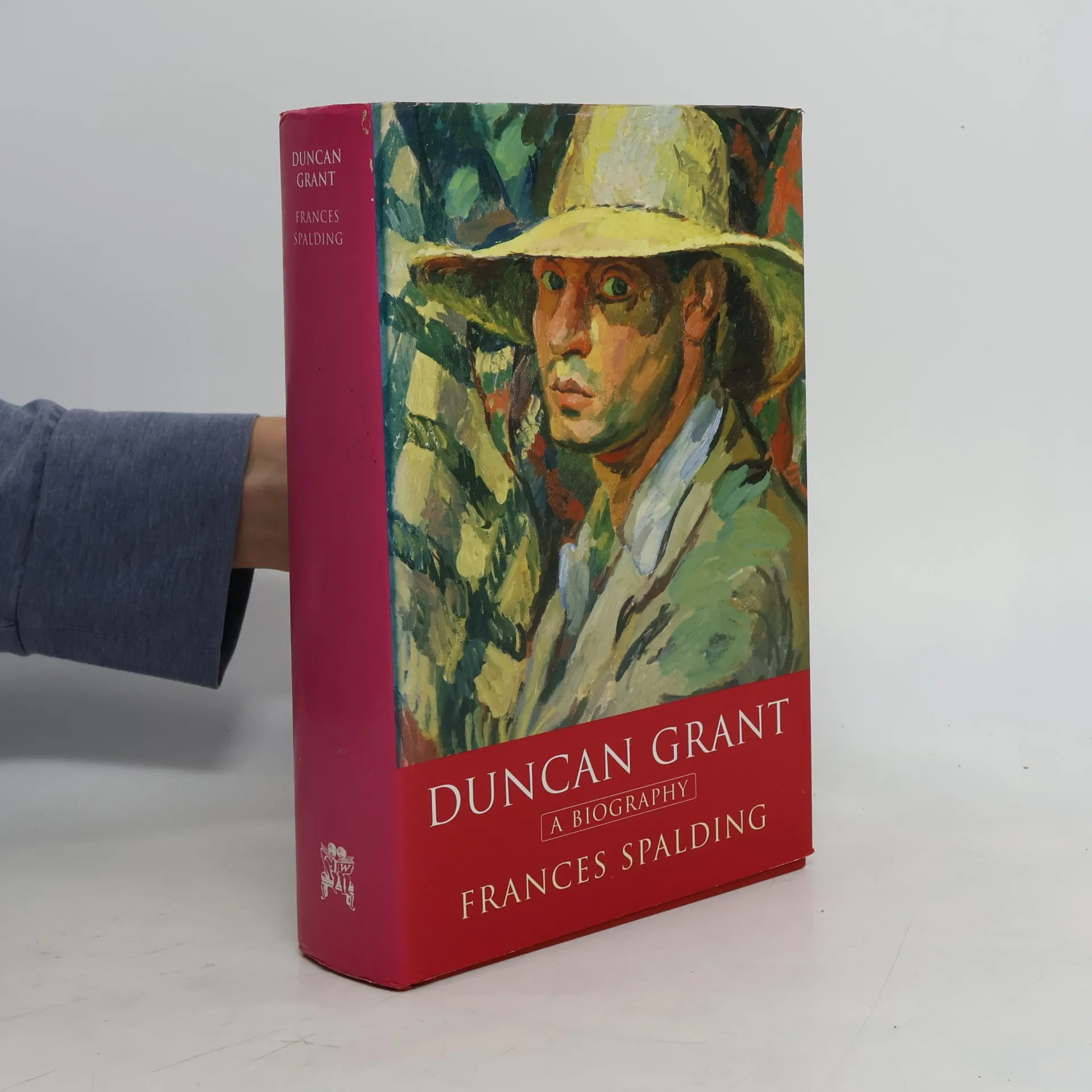
This is a biography of the well-known British painter, Duncan Grant. He was a central member of Bloomsbury, but he also extended far beyond it, into every level of English society. Spalding sheds light on his love affairs with Lytton Strachey and Maynard Keynes, and on his tempestuous relationship with Vanessa Bell, with whom he lived at Charleston, and had a daughter, Angelica.
Spalding reveals and explores the intimate relationship between the course of Stevie Smith's life and the evolution of her art, into which she assimilated not simply the events and emotions of her private life, but the influences on her imagination of her wide and varied reading. Photos.