

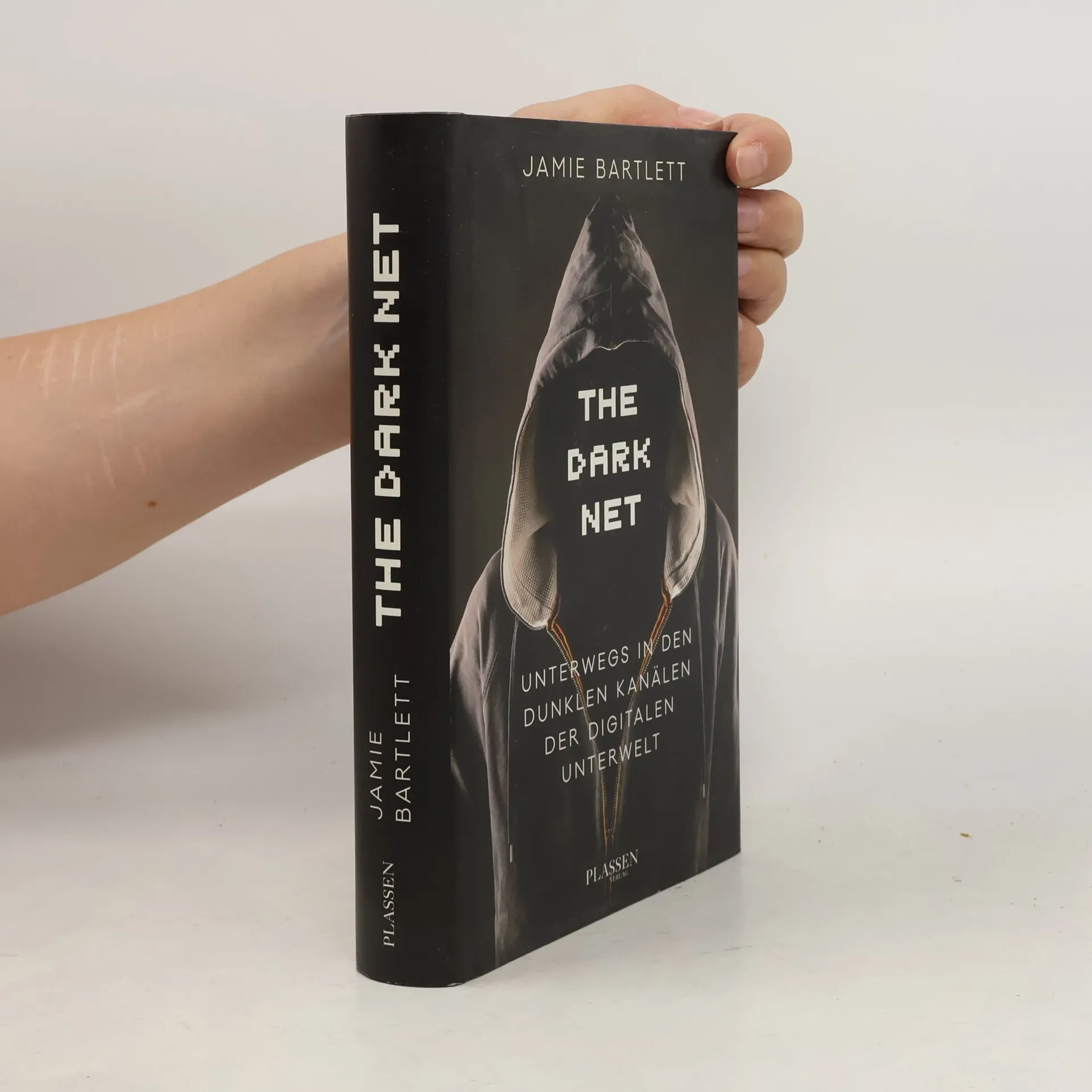
Dealer, Hacker, Pädophile. Jenseits der uns vertrauten Onlinewelt – Google, Facebook, Amazon – existiert ein gewaltiges, geheimes und oftmals verstecktes Netzwerk. Dort ist jeder anonym und kann tun, was er will. Es ist eine komplexe, gefährliche und verstörende Welt. Und sie ist viel näher, als wir vielleicht denken. Das 'Dark Net' ist eine Unterwelt. Es besteht aus den geheimsten und verschwiegensten Ecken des verschlüsselten Webs. Ab und zu gerät ein Teil dieser Unterwelt in die Schlagzeilen, beispielsweise wenn eine Plattform für Online-Drogenhandel zerschlagen wird. Abgesehen davon wissen wir jedoch so gut wie nichts darüber. Bis heute. Basierend auf umfangreichen Recherchen, exklusiven Interviews und schockierendem, authentischem Material zeigt Jamie Bartlett, wie sich völlige Anonymität auf Menschen auswirken kann, und porträtiert faszinierende, abstoßende oder auch gefährliche Subkulturen, darunter Trolle und Pädophile, Dealer und Hacker, Extremisten, Bitcoin-Programmierer und Bürgerwehren.
Jamie Bartlett Bücher
Jamie Bartlett ist ein Journalist und Tech-Blogger, dessen Arbeit sich mit Online-Extremismus, Meinungsfreiheit und Social-Media-Trends befasst. Er untersucht, wie neue Subkulturen und politische Kräfte entstehen und sich verbreiten, und analysiert ihre gesellschaftlichen Auswirkungen. Seine Schriften decken die verborgenen Aspekte der digitalen Welt auf und beleuchten die komplexen Beziehungen zwischen Technologie, menschlichem Verhalten und gesellschaftlichen Veränderungen.


The Missing Cryptoqueen
- 320 Seiten
- 12 Lesestunden
In 2014, Dr. Ruja Ignatova, an Oxford graduate, claimed she would revolutionize money and make people wealthy through her creation, OneCoin, which she touted as the "Bitcoin Killer." Promising immense fortunes and a transformative impact on the world, OneCoin rapidly gained traction, becoming one of the fastest companies to reach $1 billion in revenue. By 2017, billions had been invested across hundreds of countries, from the USA to Pakistan and beyond. However, by the end of that year, Ignatova vanished, taking the money with her, and it became evident that her cryptocurrency was far from revolutionary. The narrative unfolds as a modern tale of intrigue, techno-hype, and collective folly, illustrating how OneCoin evolved into the largest scam of the 21st century. The story captures the extraordinary rise, disappearance, and eventual downfall of Ignatova, highlighting the ease with which a classic scam can be adapted for the digital age. This account offers a gripping exploration of the complexities and dangers of the cryptocurrency landscape, revealing the darker side of a phenomenon that promised wealth and innovation but ultimately led to widespread deception.
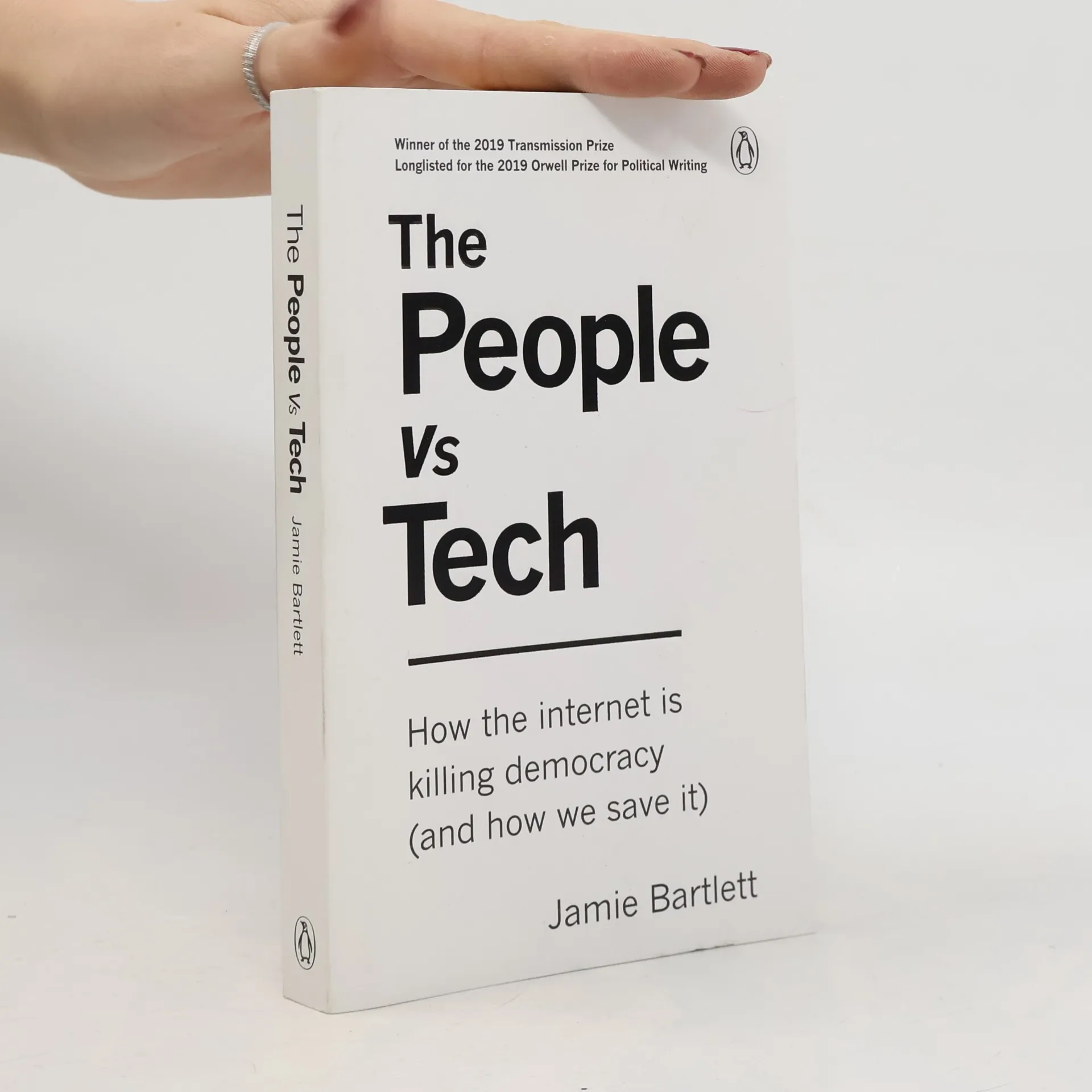
The People vs Tech: How the internet is killing democracy (and how we save it)
- 246 Seiten
- 9 Lesestunden
Tech has fundamentally transformed our lives, but have we surrendered too much to the obscure forces behind the code, controlled by a select few in Silicon Valley? Recent data breaches involving companies like Facebook and Cambridge Analytica raise critical questions about the implications for democracy, a system established long before the advent of big data and AI. In this urgent polemic, the author contends that our uncritical acceptance of big tech is gradually dismantling the foundations of democracy. The middle class is shrinking, sovereign authority and civil society are being undermined, and citizens risk losing their critical thinking and perhaps even their free will. This compelling narrative reveals how the digital revolution threatens our fragile political system. The author emphasizes the need to uphold six essential pillars of democracy to safeguard it: active citizenship, a shared democratic culture, free elections, equality, competitive and civic freedoms, and trust in sovereign authority. This crucial work highlights the urgent stakes involved and warns that without significant changes, democracy could fade away, joining the ranks of historical political experiments like feudalism and communism.