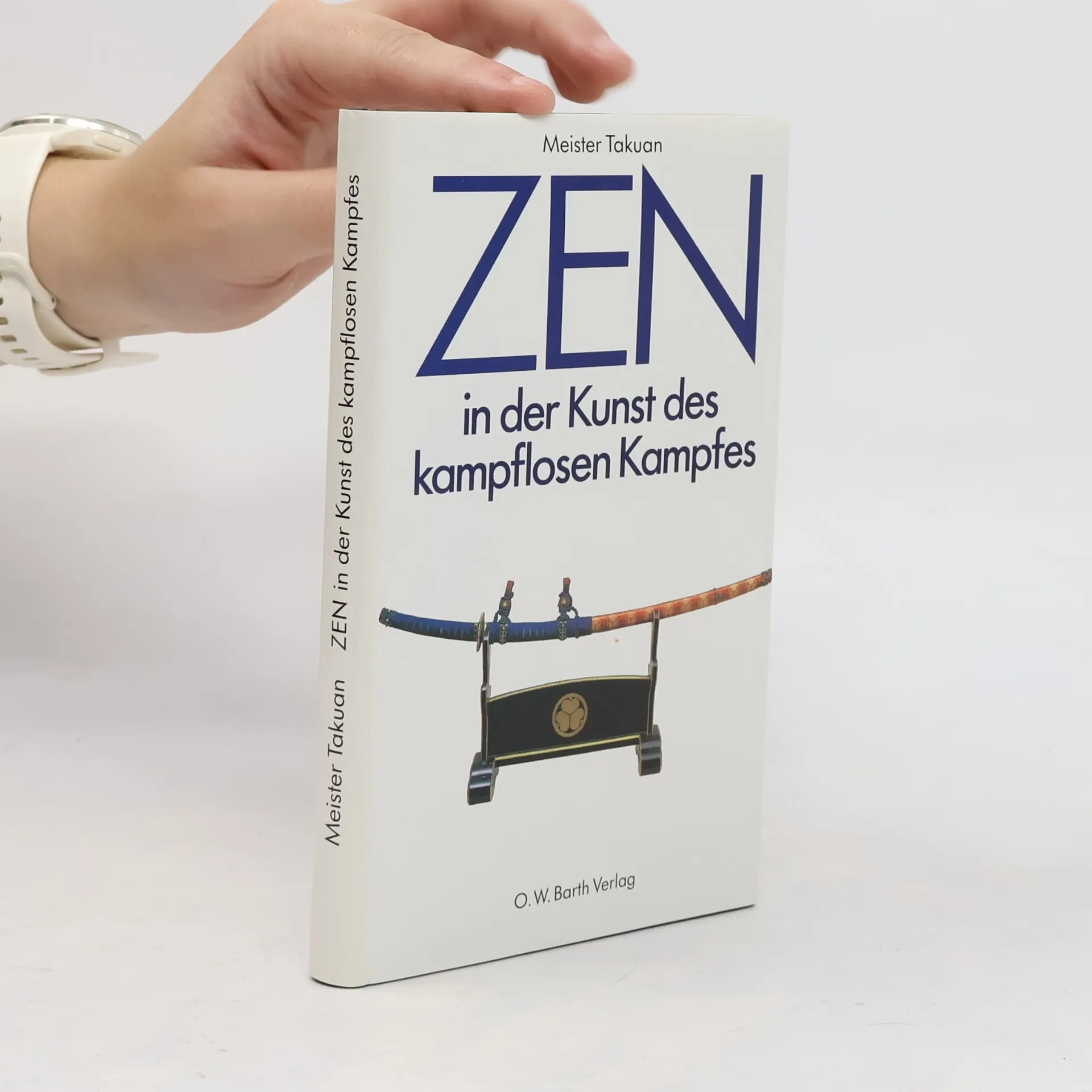
Dieses Buch thematisiert die Befreiung des menschlichen Potenzials, ähnlich wie in Herrigels „Zen in der Kunst des Bogenschießens“. Es enthält drei Essays des Schwertmeisters Yagyu Munenori, die seine Unterweisung durch Zenmeister Takuan festhalten und die Kunst des Lebens und Sterbens beleuchten.
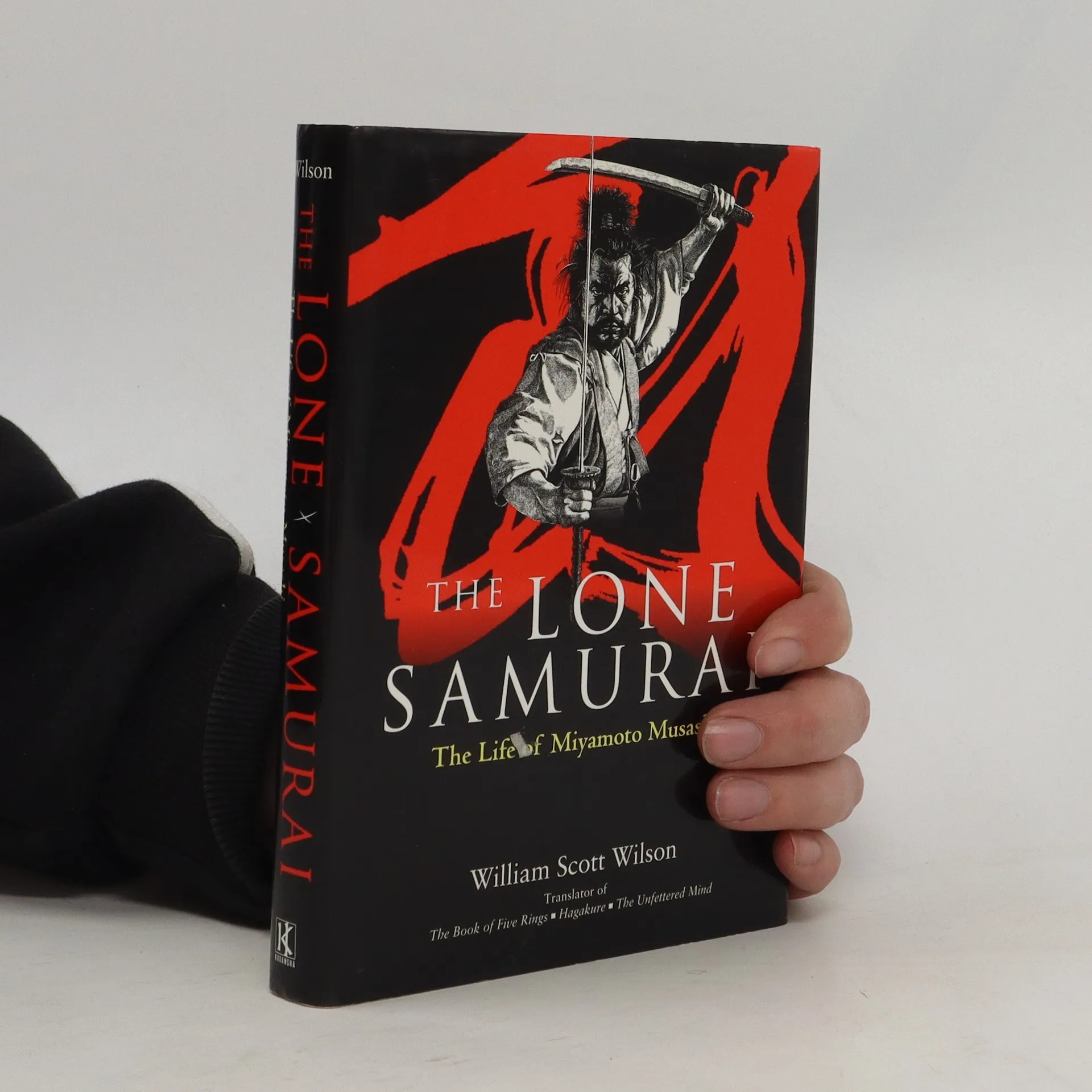
An expert on samurai history paints a vivid, multi-faceted portrait of feudal Japan and Miyamoto Musashi—the legendary swordsman who wrote the classic martial arts treatise, The Book of Five Rings Born in 1584, Miyamoto Musashi was the legendary samurai known throughout the world as a master swordsman, spiritual seeker, and author of the classic book on strategy, The Book of Five Rings . Over 350 years after his death, Musashi and his legacy still fascinate readers worldwide, inspiring artists, authors, and filmmakers. In The Lone Samurai, respected translator and expert on samurai culture William Scott Wilson presents both a vivid account of a fascinating period in feudal Japan and a portrait of the courageous, iconoclastic samurai who wrestled with philosophical and spiritual ideas that are as relevant today as they were in his time. For Musashi, the way of the martial arts was about mastery of the mind rather than simply technical prowess—and it is this path to mastery that is the core teaching in his Book of Five Rings .
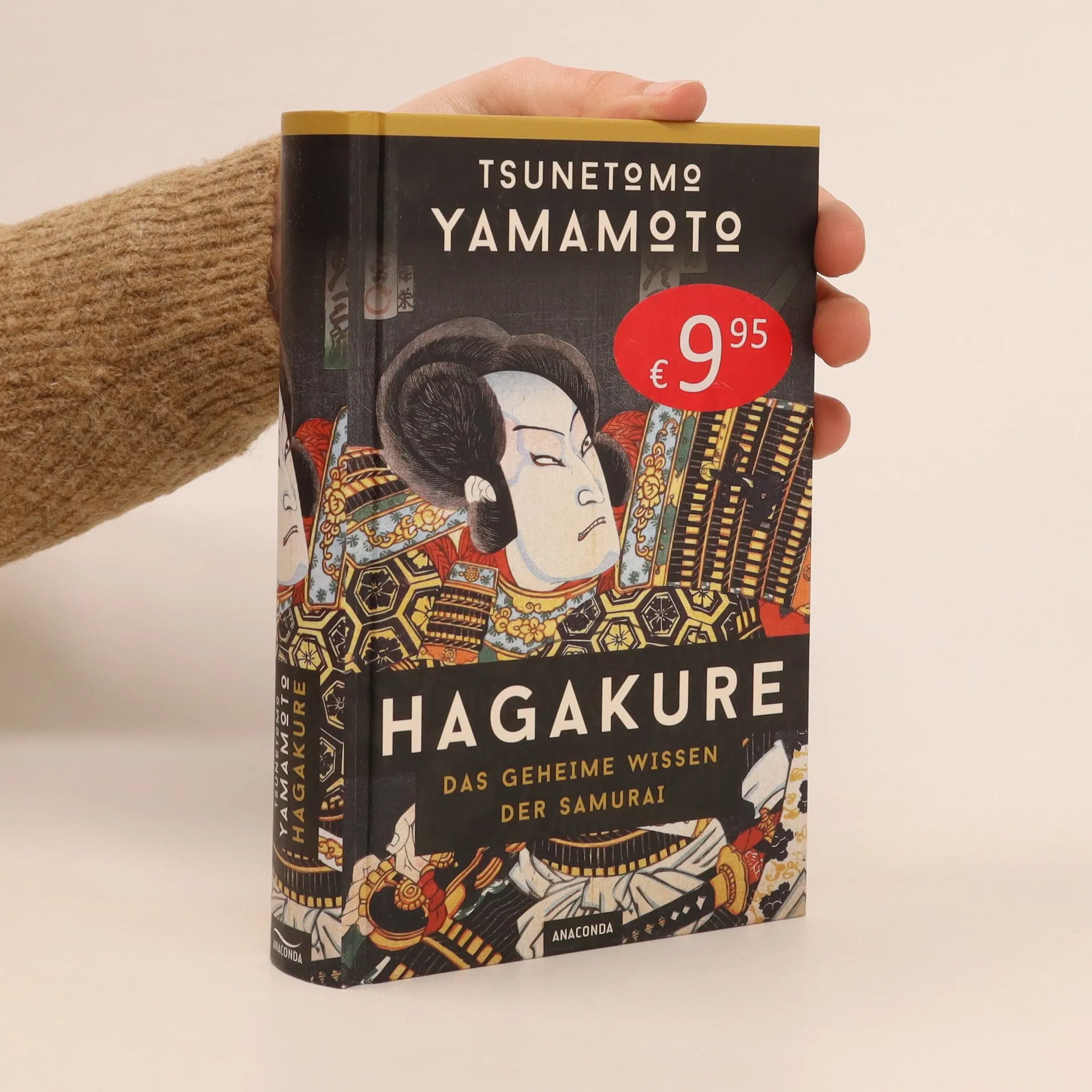
Das »Hagakure« ist einer der einflussreichsten japanischen Texte überhaupt. Vor über 300 Jahren diktierte Tsunetomo Yamamoto seinen Schülern diese Lektionen, um den Ehrenkodex und die Kultur der Samurai hochzuhalten. Auf seiner Überlieferung des »Bushido« beruht der Großteil unseres Verständnisses dieser alten Kriegerkultur. Diese Ausgabe enthält die ersten beiden Bücher vollständig und ausgewählte Auszüge aus dem dritten Buch. Zahlreiche Erläuterungen machen den Originaltext leicht zugänglich. Der essenzielle Begleiter für Kampfsport-Enthusiasten und jeden, der vom alten Japan fasziniert ist.