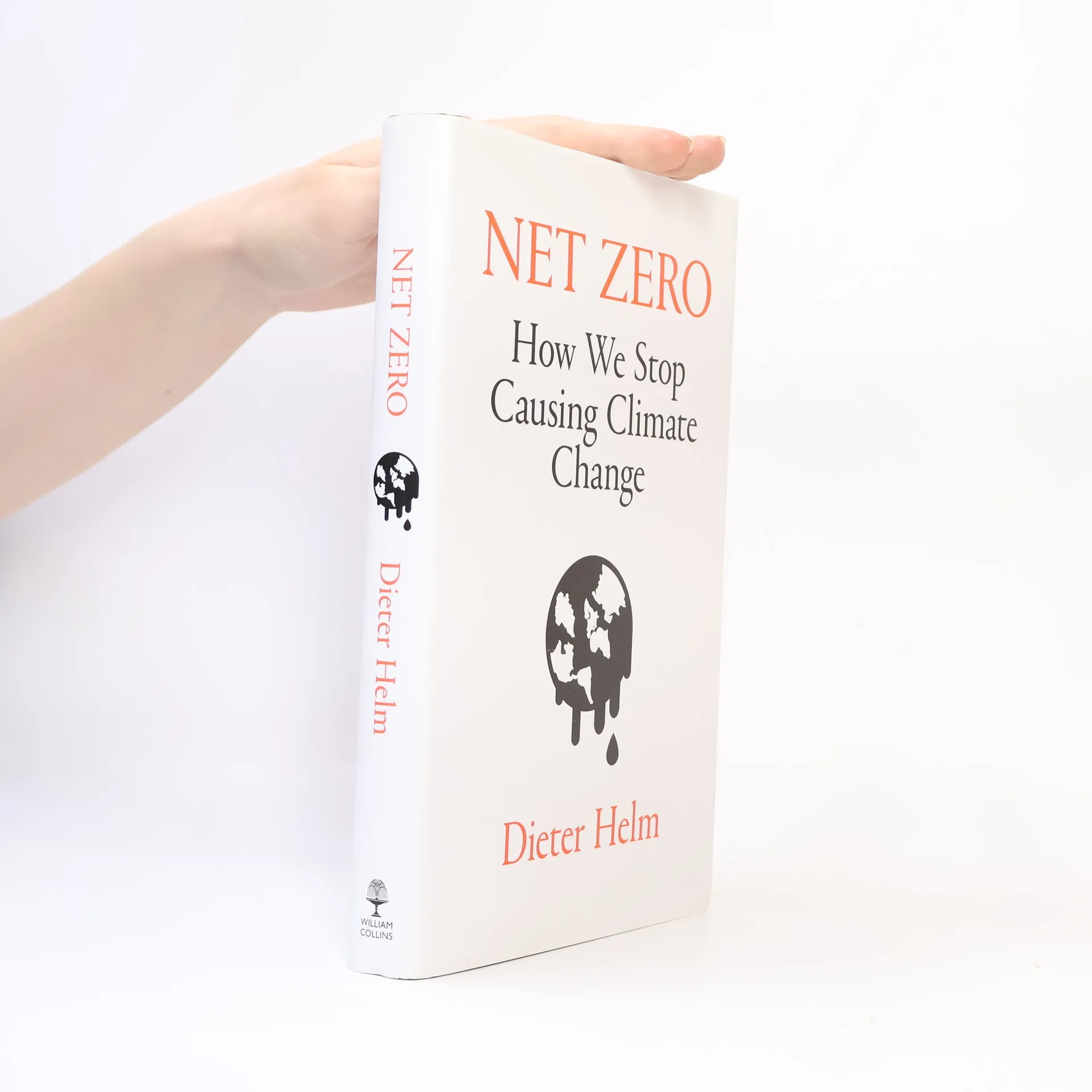
Dieter Helm ist Fellow für Ökonomie am New College in Oxford und Professor für Energiepolitik an der Smith School of Enterprise and the Environment der Universität Oxford. Seine Arbeit befasst sich mit breiteren wirtschaftlichen und ökologischen Fragen, insbesondere im Energiesektor. Er untersucht, wie Unternehmen und Regierungen die komplexen Herausforderungen der Nachhaltigkeit und Ressourceneffizienz bewältigen können. Seine Analysen bieten wertvolle Einblicke in die Zukunft der Energie und ihre gesellschaftlichen Auswirkungen.
Legacy answers one of the most important questions faces us today. What would
an economy look like if it were to be sustainable and hence leave the next
generation with the capabilities to choose how to live their lives, having
addressed the great environmental challenges of climate change and
biodiversity loss?
What can we really do about the climate emergency? The inconvenient truth is
that we are causing the climate crisis with our carbon intensive lifestyles
and that fixing - or even just slowing - it will affect all of us. But it can
be done.
Der Klimawandel und das Endspiel der fossilen Brennstoffe
352 Seiten
13 Lesestunden
Niedrige Ölpreise erschüttern die Weltwirtschaft. Der renommierte Energieexperte Dieter Helm erklärt, warum diese und besonders technologische Veränderungen unzweifelhaft ankündigen, dass das Zeitalter der fossilen Brennstoffe zu Ende geht. In seinem neuen provokativen Buch weist er nach, dass neue Technologien wie die Nanotechnologie die Nachfrage nach Öl, Gas und Kohle unaufhaltsam reduzieren – und dies schneller und effektiver als das in den Entscheidungszentren von Politik und Wirtschaft gedacht wird. Energiekonzerne und Erdöl exportierende Länder werden die Verlierer dieser Entwicklungen sein, während Staaten, die in neue Technologien investieren, als Sieger im geopolitischen Spiel dastehen könnten. Wie sollen Regierungen und Unternehmen reagieren? Dieter Helms Ratschläge sind radikal und überraschend, denn wir stehen am Beginn eines neuen Energiezeitalters. Mit einem Vorwort von Günther Oettinger.
The international framework for a climate change agreement is under review as the Kyoto period ends in 2012. Despite enthusiasm from political and environmental groups, the economics and politics involved remain contentious. This book provides a clear analysis of the roadblocks to agreement, focusing on the economics of climate change and the incentives of key players like the U.S., EU, and China. It also explores governmental policies aimed at reducing greenhouse gas emissions and transitioning to a low-carbon economy. Featuring contributions from leading experts, the volume delves into the economic analysis and negotiations surrounding Copenhagen and beyond. Several articles challenge the prevailing climate change consensus and debate the findings of the Stern Report. The book is divided into four parts: the first reassesses the economics of climate change, introducing new material that extends beyond conventional wisdom. The second part examines the geography of costs and benefits, highlighting the differing perspectives of Africa, China, the U.S., and Europe, which are crucial for understanding the prospects for a new global agreement. The third part discusses global policy instruments, including trading, R&D, and more radical unilateral options like geo-engineering. Finally, the fourth part addresses institutional architecture, drawing on evidence from past attempts in other areas and proposing new bodies.