Luxus für alle
- 203 Seiten
- 8 Lesestunden
Die Rückeroberung des Erbes der Pariser Kommune für das einundzwanzigste Jahrhundert.


Kristin Ross ist Professorin für Vergleichende Literaturwissenschaft und ihre Arbeit befasst sich eingehend mit den tiefgreifenden Veränderungen in der französischen Kultur. Sie untersucht kritisch, wie Perioden bedeutender sozialer und politischer Umwälzungen kulturelle Normen und ästhetische Empfindlichkeiten umgestalten. Ross' Schriften erforschen das Zusammenspiel zwischen historischen Ereignissen und ihren bleibenden Auswirkungen auf künstlerischen Ausdruck und gesellschaftliche Werte. Ihre Forschung bietet den Lesern tiefe Einblicke in die Komplexität moderner kultureller Transformation.


Die Rückeroberung des Erbes der Pariser Kommune für das einundzwanzigste Jahrhundert.
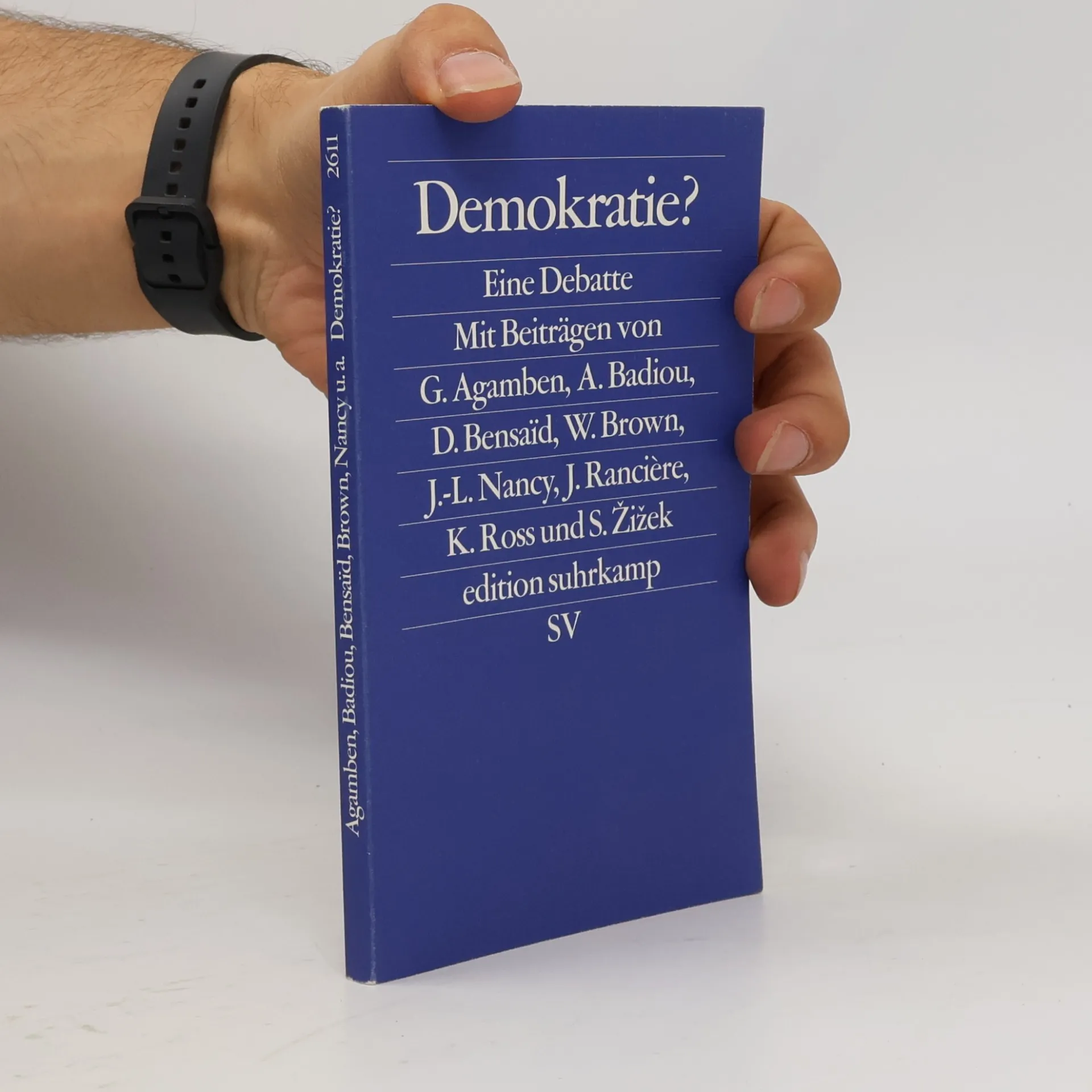
Zu Beginn des dritten Jahrtausends ist die Situation der Demokratie paradox: Einerseits sind mehr Staaten denn jemals zuvor demokratisch verfaßt, andererseits nehmen die Krisensymptome in den Staaten, die einstmals so etwas wie eine demokratische Avantgarde bildeten, zu: Die Wahlbeteiligung sinkt, schillernde Persönlichkeiten wie Silvio Berlusconi oder Nicolas Sarkozy gewinnen an Bedeutung, Wahlkämpfe geraten zu schalen Marketingkampagnen. Colin Crouch hat all diese Trends in dem Band „Postdemokratie“ präzise auf den Punkt gebracht. In diesem Band setzen sich nun acht herausragende politische Denkerinnen und Denker mit dem Zustand und den Perspektiven der am wenigsten schlechten aller Regierungsformen (Winston Churchill) auseinander, die tageszeitung sprach von einem »Who's who der internationalen linken Theorie«. Der Diskussionsband enthält Beiträge von Giorgio Agamben, Alain Badiou, Daniel Bensaïd, Wendy Brown, Jean-Luc Nancy, Jacques Rancière, Kristin Ross und Slavoj Žižek.
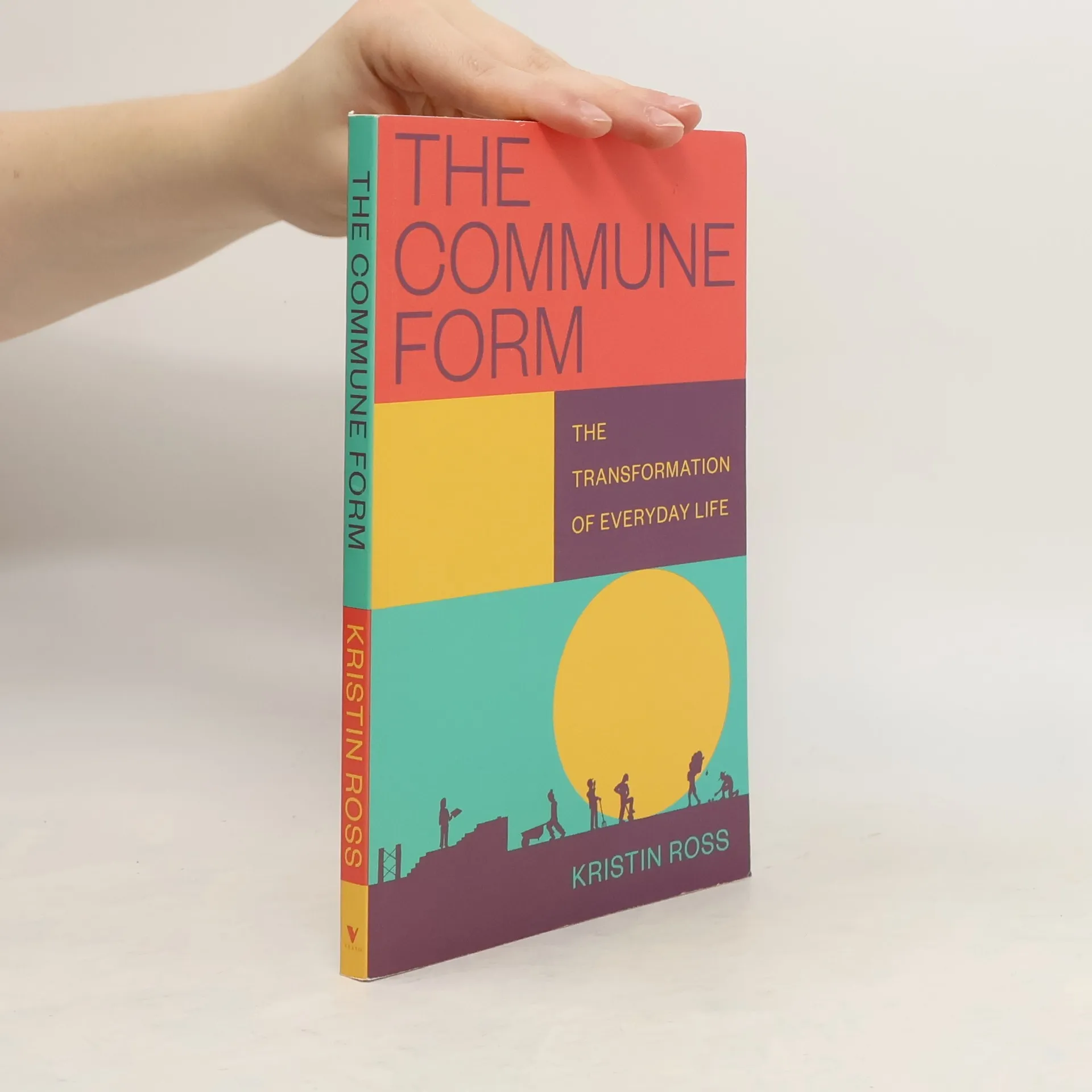
Exploring the concept of the commune, a prominent radical historian examines its global revival and potential as a means of liberation. The book delves into the historical and contemporary significance of communes, analyzing their role in fostering freedom and social change. Through insightful perspectives, it invites readers to consider how these communal spaces can challenge existing power structures and promote collective empowerment.
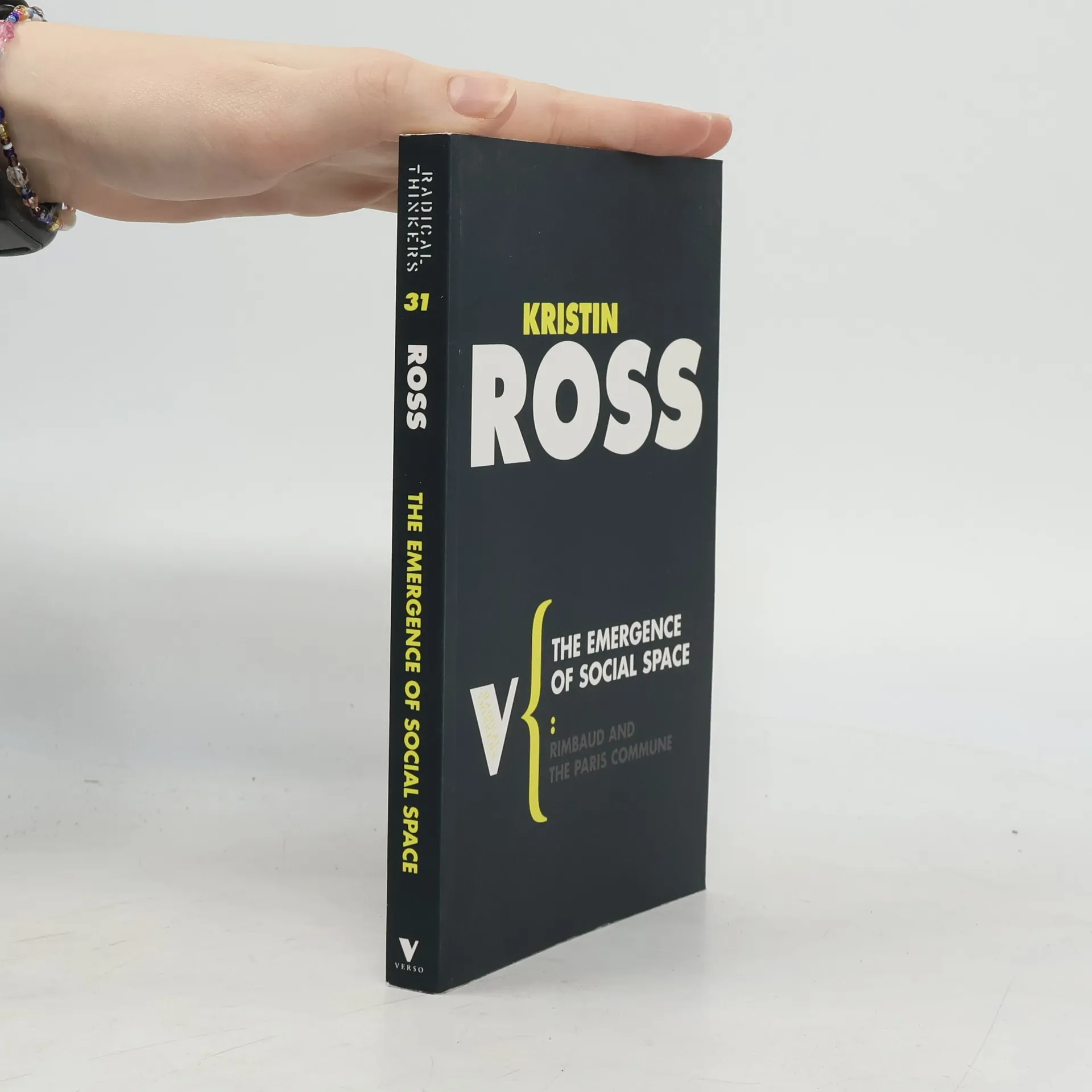
Rimbaud and the Paris Commune
The 1870s in France, a decade often overlooked in standard histories, was marked by significant spatial events: France's global expansion and the brief existence of the Paris Commune in spring 1871, which represented a revolutionary urban space. Kristen Ross argues that space is inherently political and strategic, crafting a narrative that intertwines history and geography of the Commune’s anarchist culture, including its political language, social relations, values, and strategies. Central to her analysis is a close reading of Arthur Rimbaud’s poetry, which serves as a common thread throughout the book, representing one of many documents that recreate the Communard experience. Figures like Rimbaud, Paul Lafargue, and social geographer Elisee Reclus emerge as emblematic of the Commune, challenging the capitalist conception of work and identity, thus threatening the existing order. Ross explores these emancipatory notions as integral to Communard life, each reflecting a parallel strategy in Rimbaud’s poetry. By applying contemporary theory to a wealth of lesser-known archival materials, she presents a fresh, persuasive, and original perspective on this pivotal moment in French history.
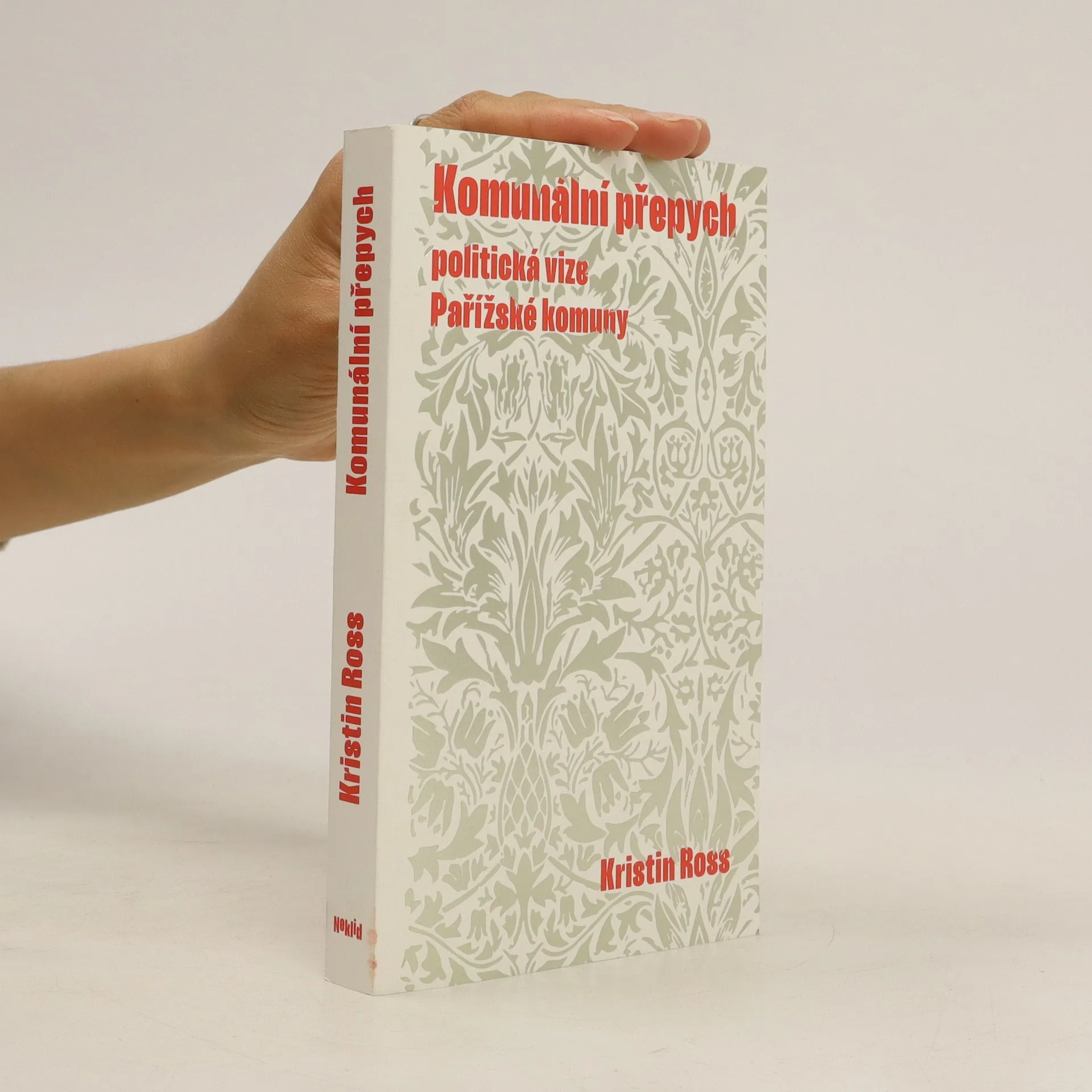
Vysoce oceňovaná kniha Kristin Ross o myšlení a kultuře Pařížské komuny z roku 1871 rezonuje s motivacemi a akcemi mnoha současných protestů, jako byly akce na náměstí Tahrír, Syntagma, hnutí Occupy či Indignados. Tyto protesty se projevovaly obsazováním veřejných prostor, kde se kultivoval společný zájem o politiku. Ross, na základě důkladného výzkumu, znovu zkoumá slova a činy jednotlivých komunardů a komunardek z pařížského povstání, jejich myšlenky o internacionalismu, vzdělání, budoucnosti práce, umění, ženské otázce a ekologii. Kniha se snaží vymanit naše porozumění Pařížské komuně z dominantních historiografií, které ji dříve definovaly: oficiálních státněkomunistických a francouzských národně-republikánských. Přináší originální analýzu a oživuje svět pracujících, kteří se stali revolucionáři, a význam, který přisuzovali svému boji. Dále se věnuje politické imaginaci Pařížské komuny po jejím konci, jak u přeživších aktérů, tak u jejích podporovatelů, jako byli Karel Marx, Petr Kropotkin nebo William Morris. Pařížská komuna byla laboratoří politické vynalézavosti, jak připomíná Marx, a kniha umožňuje čtenářům nahlédnout do složitého fungování tohoto výjimečného experimentu.