Paul Freiberger ist ein anerkannter Autor, dessen Werke für ihre Wirksamkeit und ihr Mitgefühl gelobt werden. Sein eigener vielfältiger beruflicher Werdegang, der Rollen von Lehrer bis zum Kommunikationsmanager umfasst, verleiht ihm tiefe Einblicke in den Prozess der Stellensuche. Freiberger nutzt diese umfassende Erfahrung, um Einzelpersonen bei der Navigation in der Berufswelt und beim beruflichen Aufstieg zu unterstützen. Seine Schriften konzentrieren sich auf praktische Ratschläge und die psychologischen Nuancen der beruflichen Entwicklung.
The book offers an in-depth look at the life of the 44th President of the United States, tracing his journey from childhood in Hawaii through his education at Columbia and Harvard Law School. It highlights his work as a civil rights attorney and professor before detailing his historic two-term presidency. Accompanied by illustrations, the narrative captures the key moments and influences that shaped his character and leadership.
Die Welt funktioniert anders, als Computer sich das 'denken'. Die eindimensionale Computerlogik wird vielen Situationen nicht gerecht, in denen es flexibel zu reagieren gilt. Hier liegt die Stärke der 'Fuzzy Logic'. Diese 'unscharfe Logik' macht Maschinen und Systeme intelligenter, indem sie den Prozeß der Entscheidungsfindung, wie er sich in menschlichen Hirnen vollzieht, imitiert. Milliarden werden bereits heute mit Fuzzy-Logic-Produkten verdient, doch der Siegeszug dieser Technik hat erst begonnen: Die Anwendungsmöglichkeiten reichen von Haushaltsgeräten über medizinische Apparaturen bis hin zu Steuerungssystemen in technischen Großanlagen.§Die faszinierende Geschichte der Fuzzy-Logic zeichnen die Autoren nach: die Schwierigkeiten, mit denen die Pioniere der Fuzzy-Logic zunächst zu kämpfen hatten, und die großartigen Erfolge der letzten Jahre. Klar und anschaulich beschreiben sie, wie diese komplexe Technik der Zukunft funktioniert.§

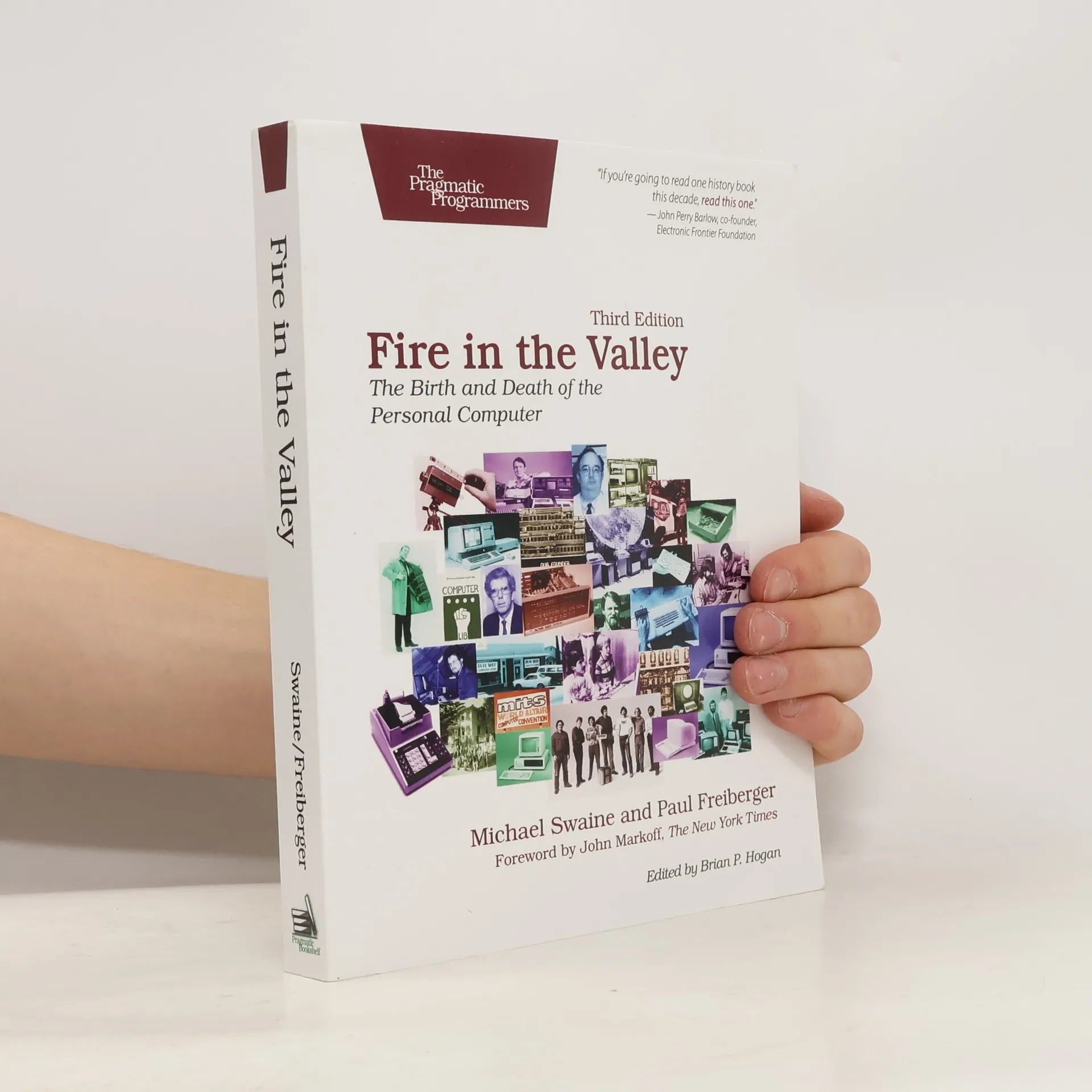
The Birth and Death of the Personal Computer - Third Edition
386 Seiten
14 Lesestunden
Fire in the Valley is the definitive history of the personal computer, drawn from interviews with the people who made it happen, written by two veteran computer writers who were there from the start.
The Discovery of a Revolutionary Computer Technology—-And How It Is Changing Our World
319 Seiten
12 Lesestunden
Fuzzy Logic offers an exhilarating glimpse into a high-tech future shaped by visionary computer scientists, while also highlighting the pitfalls of shortsighted business practices. Picture a "fuzzy" washing machine that automatically measures detergent and selects the perfect wash temperature, or a microwave that monitors meals with greater sensitivity than a human cook. In Japan, these innovations are already a reality and are poised to enter the global market. The concept of fuzzy logic, invented by Lotfi Zadeh in 1964, transcends conventional binary thinking by embracing shades of gray, enabling computers to emulate human thought processes. Despite facing skepticism from the American academic community and businesses, Zadeh's ideas found fertile ground in Japan, where companies like Matsushita and Sony are now set to profit immensely. The future possibilities of fuzzy logic are staggering, including software that predicts stock market trends, autonomous vehicles, advanced robots with human-like behaviors, and microscopic health agents that target cancer cells and slow aging. This narrative not only chronicles the evolution of this groundbreaking technology and its pioneers but also illustrates the journey of American business in recognizing its potential and the profound impact it will have on our lives.