
Bookbot

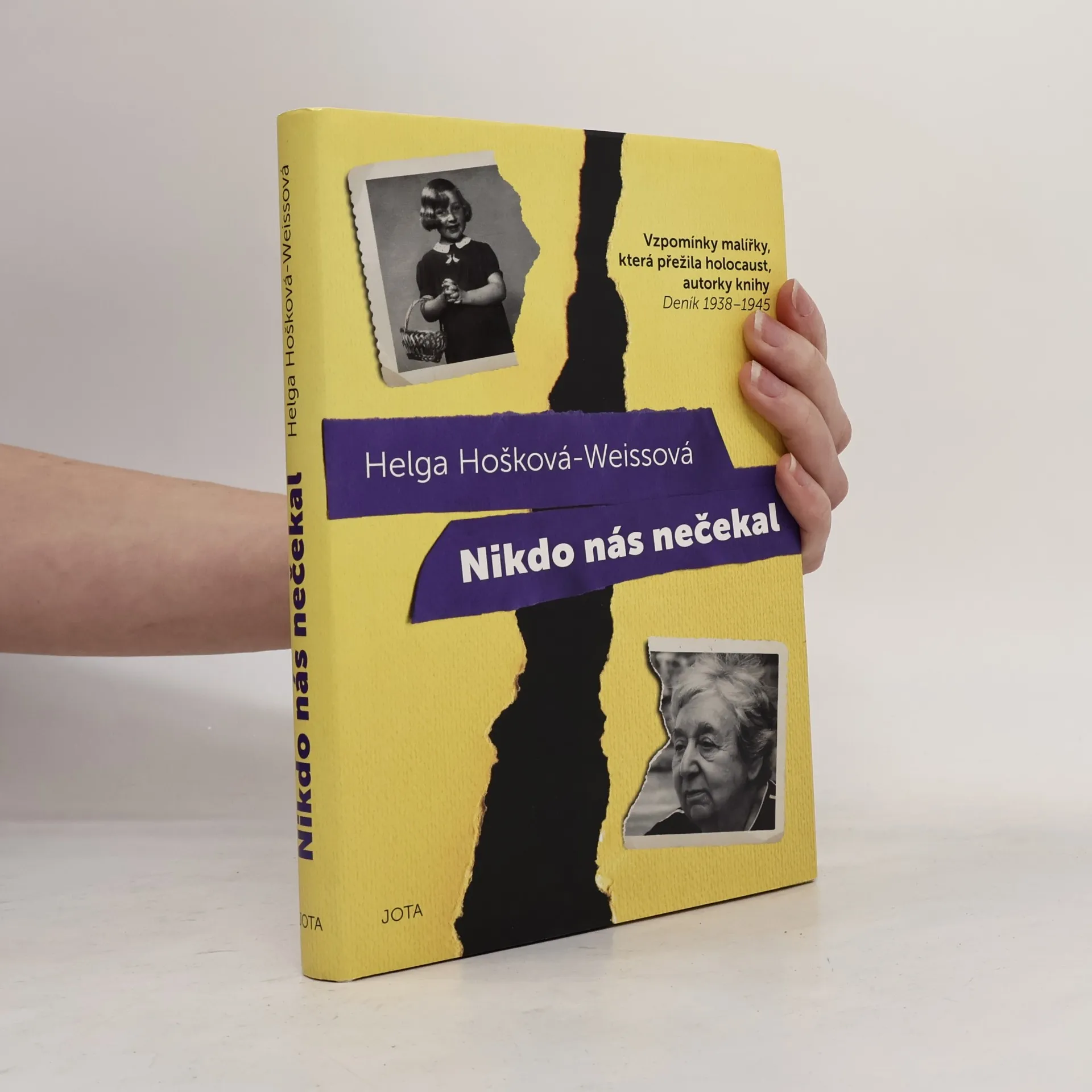
Helga Hošková-Weissová

    10. November 1929

    Helga Hošková-Weissová ist eine tschechische Künstlerin, deren Werk die rohe Realität des Lebens im Ghetto Theresienstadt einfängt. Ihre Zeichnungen und Tagebucheinträge, entstanden unter immens schwierigen Bedingungen, sind ein eindringliches Zeugnis menschlicher Widerstandsfähigkeit angesichts von Widrigkeiten. Durch ihre Kunst erforscht sie Themen wie Erinnerung, Verlust und den unbezwingbaren Geist und schafft Werke, die eine tiefgreifende menschliche Botschaft vermitteln.

    Helga's Diary
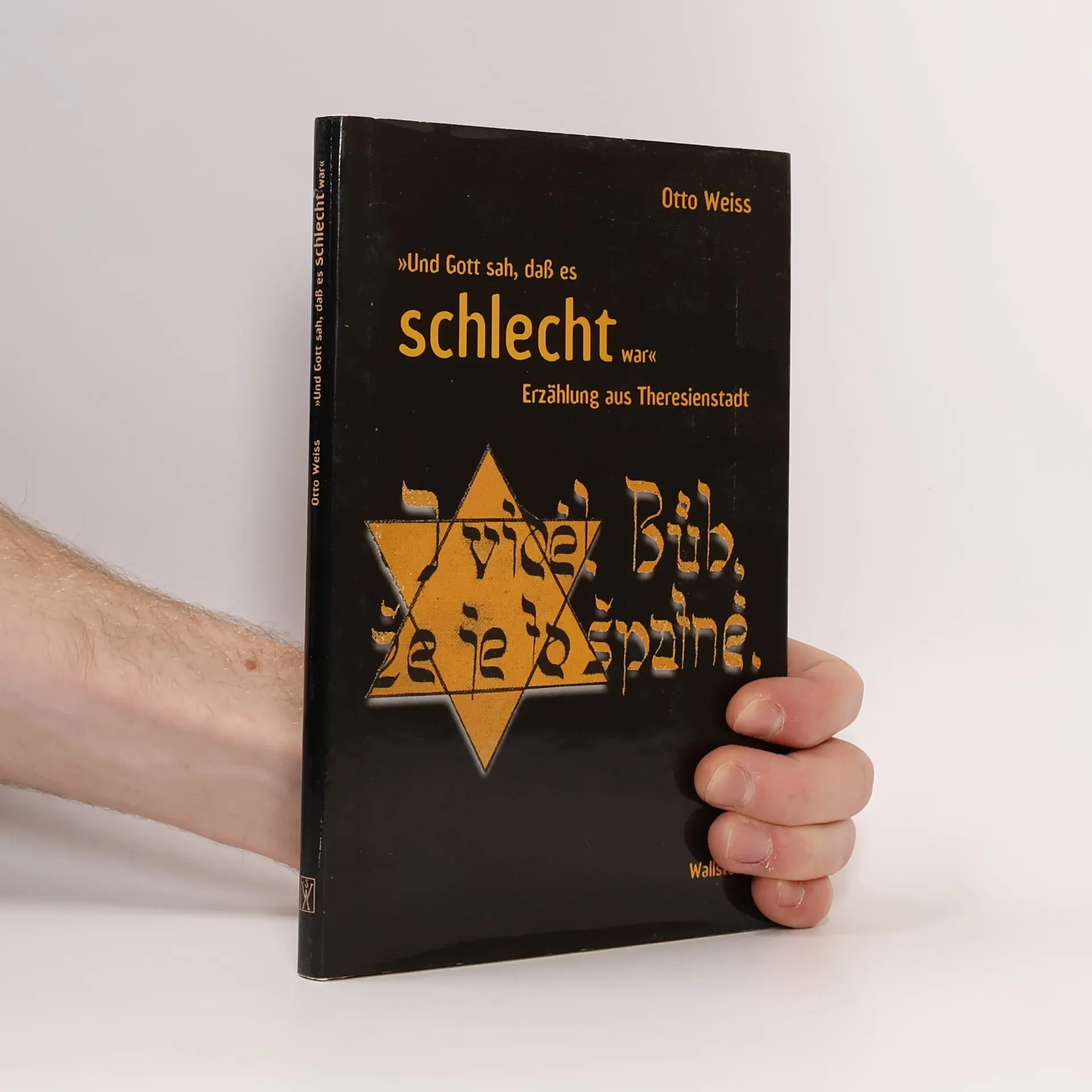
    »Und Gott sah, daß es schlecht war«
    Die richtige Bachblüte zu deinem Sternzeichen
    Ich kann dir helfen
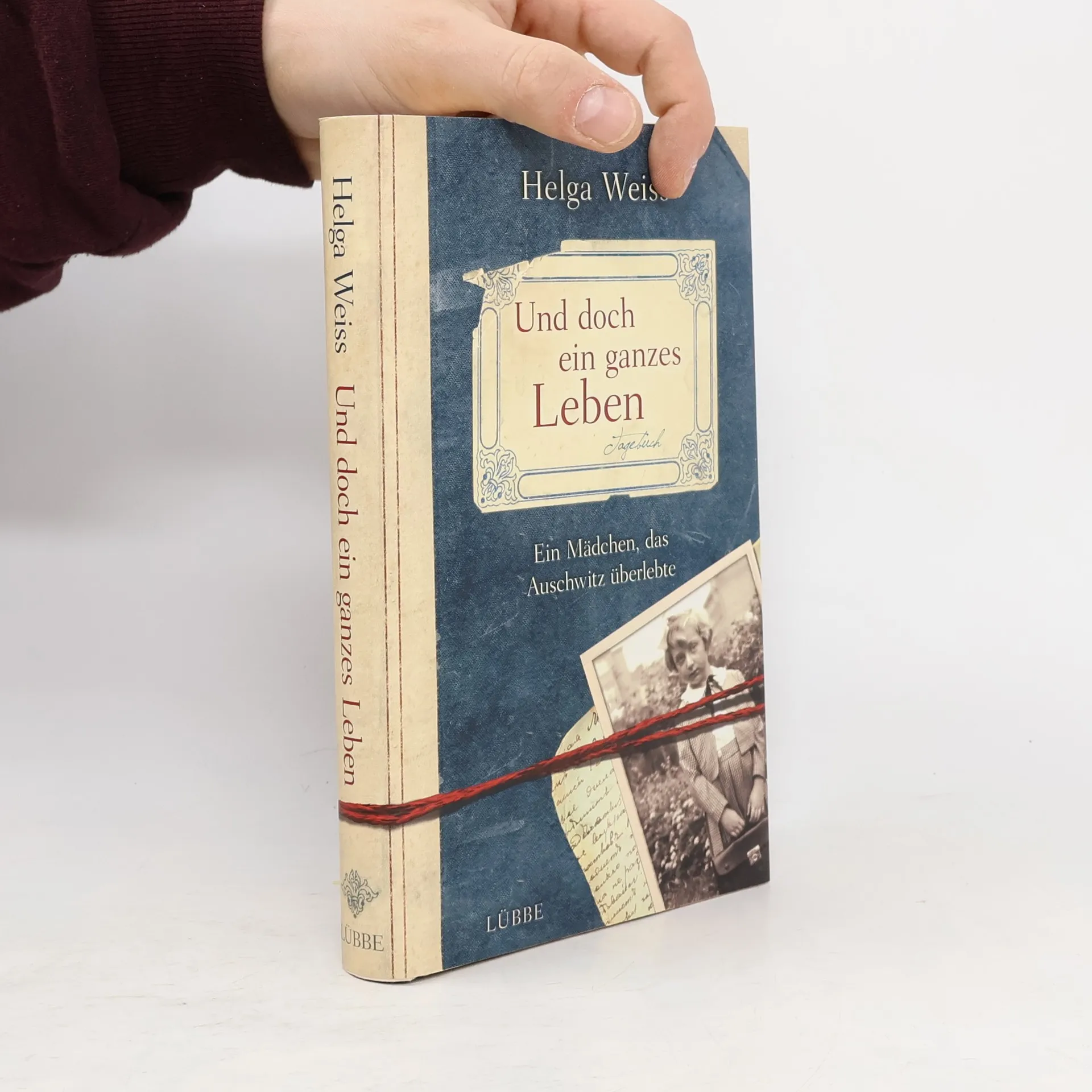
    Und doch ein ganzes Leben
    Zeichne, was Du siehst : Zeichnungen eines Kindes aus Theresienstadt
    • »Draw what you see«, was my father´s response, when I managed to smuggle to the men´s barracks the drawings of children building a snowman. This was in December of 1941, shortly after we arrived in Theresienstadt. That snowman was actually my last genuine drawing as a child. Through this sentence of my father´s, and through my own inner motivation, I felt called from now on to capture in my drawings the everyday life of the ghetto. The impressions that from this point in time would affect me, ended my childhood.
      Zeichne, was Du siehst : Zeichnungen eines Kindes aus Theresienstadt
      4,6
    • Als Helga 1939 ihr Tagebuch beginnt, ist sie elf Jahre alt. Der Einmarsch der Deutschen in Prag und die antisemitische Brutalität der Nationalsozialisten reißen sie aus ihrer heilen Welt: Ihr Vater darf nicht mehr arbeiten, die Schule ist ihr plötzlich verschlossen, sie und ihre Eltern dürfen ihre Wohnung nicht verlassen, Freunde und Verwandte verschwinden. Auch die Familie Weiss wird deportiert, erst nach Theresienstadt, später nach Auschwitz. Mutter und Tochter überleben das Lager und die vielen Transporte und Todesmärsche der letzten Kriegstage. Das Tagebuch eines jungen Mädchens, das die dramatischen Ereignisse mit ihrem unschuldigen Blick wahrnimmt und kommentiert. Ein erschütterndes Zeitzeugnis. Und ein versöhnlicher Blick auf ein erfülltes Leben, gegen alle Widerstände.

      Und doch ein ganzes Leben
      3,9
    • In 1939, Helga Weiss was an eleven-year-old Jewish schoolgirl in Prague, enduring the first wave of the Nazi invasion. As Helga witnessed Nazi brutality toward her friends and neighbors and eventually her own family she began documenting her experiences in a diary. In 1941, Helga and her parents were sent to the concentration camp of Terezin, where she continued to write with astonishing insight about her daily life. Before she was sent to Auschwitz in 1944, Helga's uncle, who worked in the Terezin records department, hid her diary and drawings in a brick wall. Miraculously, he was able to reclaim it for her after the war. Of the 15,000 children brought to Terezin and deported to Auschwitz, Helga was one of only 100 survivors. Written in school exercise books and translated here for the first time, Helga's Diary is a strikingly immediate and exceptional firsthand account of the Holocaust.

      Helga's Diary
      4,2
    • A Terezínbe, majd Auschwitzba deportált tizenötezer csehországi zsidó gyerek közül mindössze száz élte túl a holokausztot. Helga Weiss a száz túlélő egyike. Naplója megrázó és egészen egyedi dokumentum, amely Anne Frank naplójához hasonlóan örök érvényű olvasmány. Helga Weiss 1939-ben kislányként szenvedi el a náci megszállás első hullámát Prágában: apját elbocsátják a munkahelyéről, ő pedig nem járhat hagyományos iskolába. A növekvő náci brutalitás szemtanújaként kezd naplót írni. Ez a napló sok tekintetben emlékeztet Anne Frank feljegyzéseire: Helga egyidős Annával, s hozzá hasonlóan az éppen kamaszodó kislány szemével nézi maga körül az egyre borzasztóbbá váló világot. Próbál élni és túlélni, nem sejtve, hogy az egyre nehezebb körülmények nem a szabaduláshoz, hanem a legborzasztóbbhoz, a gettóhoz, majd a koncentrációs táborhoz vezetnek. 1941-ben szüleivel együtt a terezíni gettóba kerül, ahol bámulatos éleslátással örökíti meg családja mindennapjait: a nyomorúságos életkörülményeket, az éhezést és a kivégzéseket – csakúgy, mint a legrosszabb helyzetekben is létező örömöt és reményt. 1944-ben Helgát Auschwitzba deportálták. Mielőtt elhagyta volna a terezíni tábort, feljegyzéseit és rajzait a tábor nyilvántartó részlegénél dolgozó nagybátyja gondjaira bízta, aki egy téglafalba rejtette a papírokat. A dokumentumok a háború végeztével csodával határos módon előkerültek.

      Helga Napjóla
      4,6
    • Autobiografie akademické malířky a přeživší holocaustu, Helgy Hoškové-Weissové, nabízí fascinující pohled na její život. Vzpomíná na idylické dětství v předválečné Praze a na rodinu, přičemž vypráví příběhy těch, kteří se již nikdy nevrátili z nacistických táborů. K válce se vrací jen okrajově, neboť většina jejího příběhu je zachycena v knize Deník 1938–1945, která se stala součástí učebnic historie. Klíčová je druhá část, kde se vrací do poválečné Prahy, kde na ni a její maminku nikdo nečekal. Popisuje lidi, kteří jim pomohli, i ty, kteří se k nim obrátili zády. Atmosféra v poválečném Československu je poznamenána údivem sousedů z jejich návratu a nepochopením jejich příběhu. Hošková-Weissová provází čtenáře svým životem, studiem a snahou začlenit se do společnosti, která ji však odmítá. Po překonání těžkostí dostuduje, vdá se a porodí děti, přičemž se ponoří do malování jako prostředku vyrovnání se s traumatem holocaustu. Po roce 1989 spoluzakládá Terezínskou iniciativu a přednáší po světě. Její příběh je svědectvím o době, která se nesmí opakovat, a pro její děti a vnuky nyní vypráví svůj příběh.

      Nikdo nás nečekal : vzpomínky malířky, která přežila holocaust
      4,3
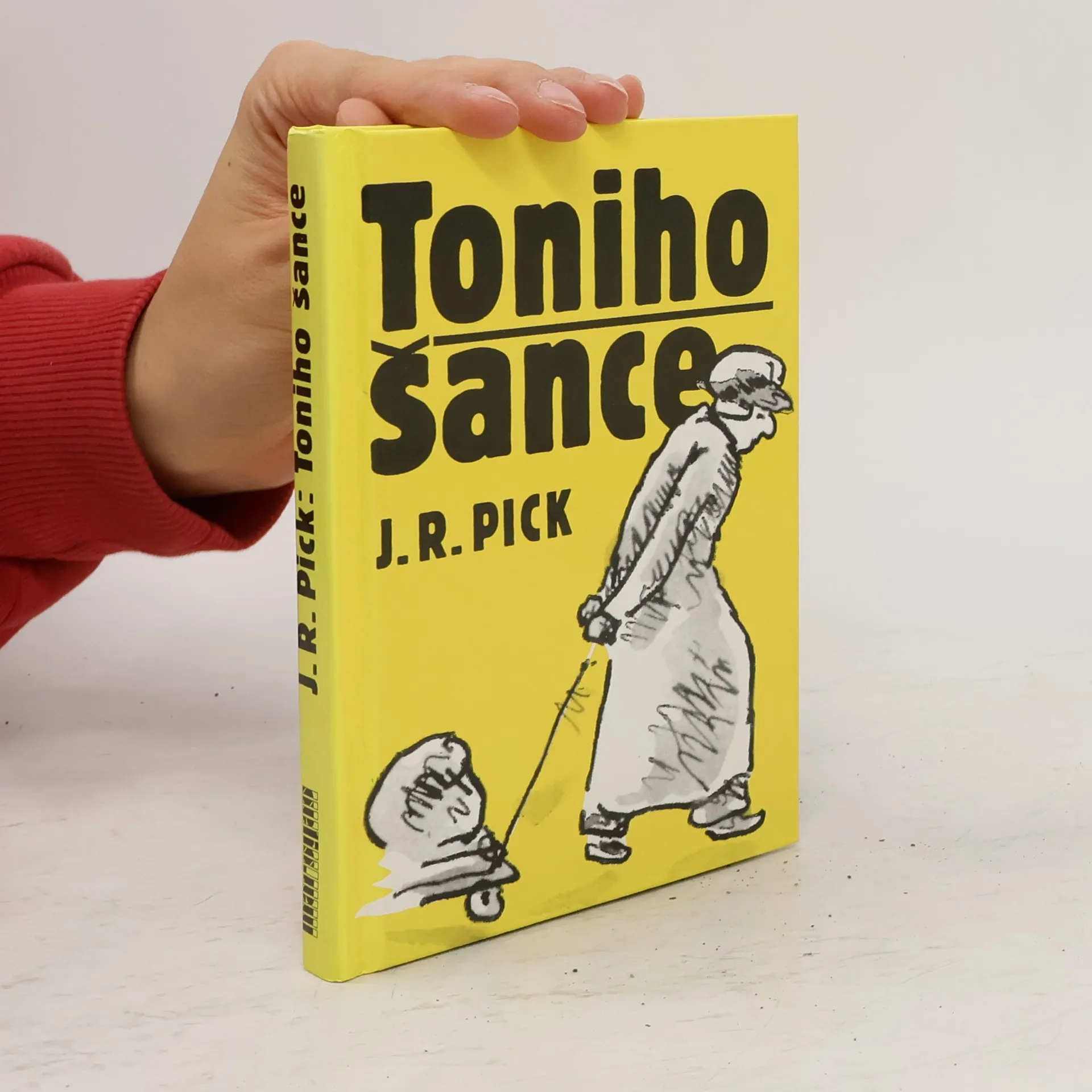
    • Toniho šance : dvě novely

      • 247 Seiten
      • 9 Lesestunden

      Souborné vydání Spolku pro ochranu zvířat z prostředí terezínského ghetta a Příliš mnoho příbuzných.

      Toniho šance : dvě novely
      4,0
