A compendium of prominent thinkers' answers to the question: 'What is the future of culture in the age of globalization?'
David Held Reihenfolge der Bücher (Chronologisch)
27. August 1951 – 2. März 2019




Debating Globalization
- 200 Seiten
- 7 Lesestunden
Debating Globalization is a short, accessible introduction to the debate about globalization written by many of the most prominent figures in the field. Published by Polity in association with openDemocracy, the book is notable not just for focusing on the pressing difficulties facing our world, but also on solutions. Rich and positive suggestions are made for reshaping globalization into a force that will work for humans everywhere. In an extended analysis, David Held provides a robust critique of the present order and sets out his alternative vision. Building on arguments he made in Global Covenant, he calls for a new global political agenda, informed by social democratic political values. His analysis has been criticized by leading figures and their responses follow in this book. There are chapters by, among others, Martin Wolf, Roger Scruton, Grahame Thompson, David Mepham, Meghnad Desai, Maria Livanos Cattaui, Patrick Bond, Benjamin Barber, John Elkington, Takashi Inoguchi, Narcís Serra, and Anne-Marie Slaughter and Thomas N. Hale. The volume ends with David Held's reply to his critics. The book provides a fascinating introduction to the debate about globalization today.
Since the UNa s creation in 1945 a vast nexus of global and regional institutions has evolved, surrounded by a proliferation of non--governmental agencies and advocacy networks seeking to influence the agenda and direction of international public policy.
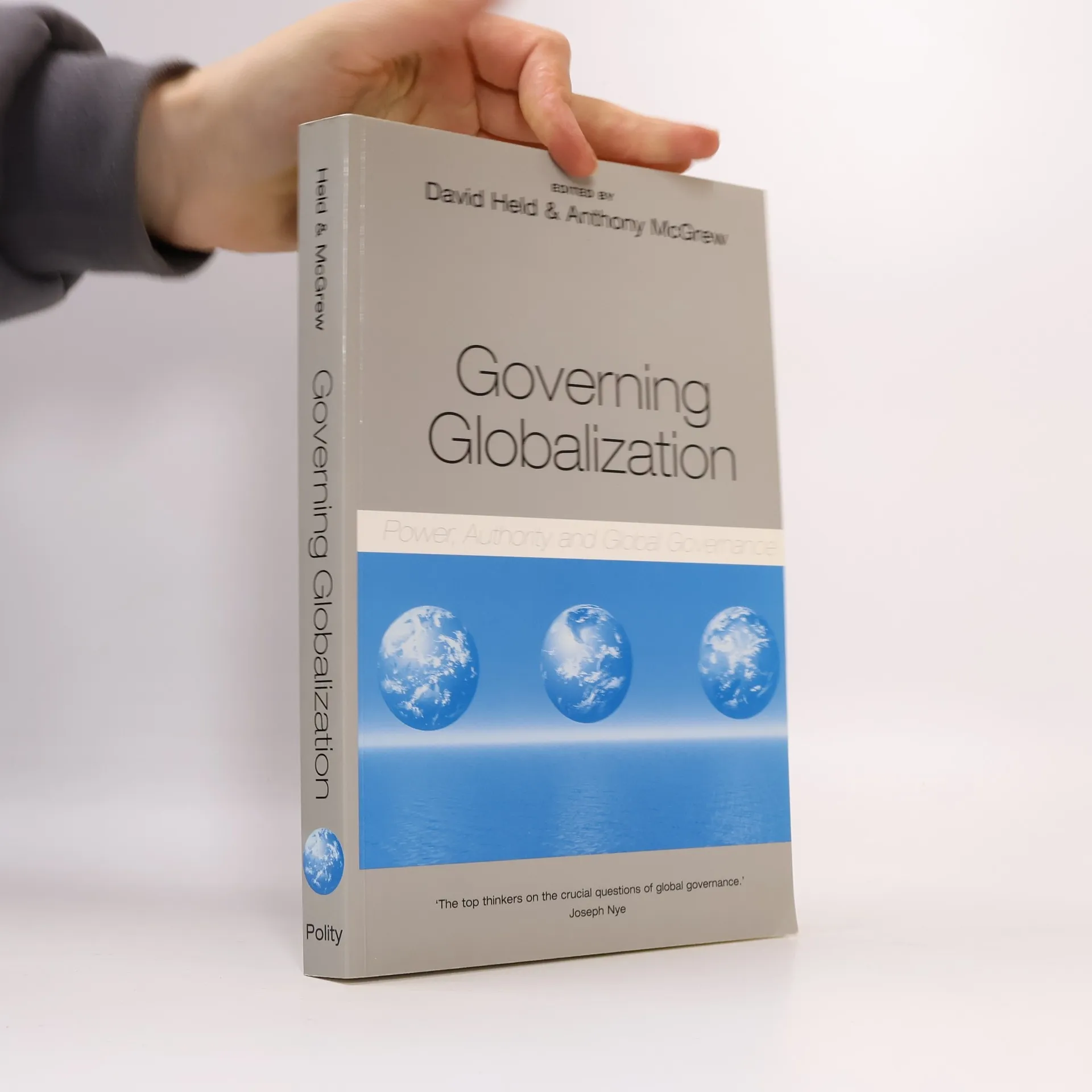
Is globalization being overshadowed by a resurgence of geopolitics? Does the war on terror signify the end of globalization or a shift towards militarized globalization? This second edition critically examines claims that dismiss the ongoing relevance of globalization through a thorough analysis of contemporary global trends. In the wake of 9/11 and the Iraq war, many have declared globalization's demise; however, Held and McGrew contend that such conclusions are premature. They investigate key structures of world order, including governance, organized violence, economic dynamics, cultural exchanges, and environmental issues, while also addressing patterns of inequality, exclusion, and domination. The authors advocate for recognizing globalization as both a description and explanation of our current global landscape. They pose essential questions about the potential to tame globalization and explore the desirability and feasibility of a more just and stable world order. Additionally, they propose an ethical and political agenda for the twenty-first century, envisioning a global covenant of cosmopolitan social democracy. This updated edition features three new chapters and is designed for those intrigued or perplexed by the ongoing debate surrounding globalization and its implications for the future world order.
Globalismo e antiglobalismo (Universale paperbacks Il Mulino, Band 405)
- 122 Seiten
- 5 Lesestunden
Global Transformations
- 515 Seiten
- 19 Lesestunden
This widely acclaimed book throws new light on the complex processes that are reshaping the contemporary world. All too often debates about globalization - and about whether it implies the end of the nation-state - have descended into polemics and confusion.
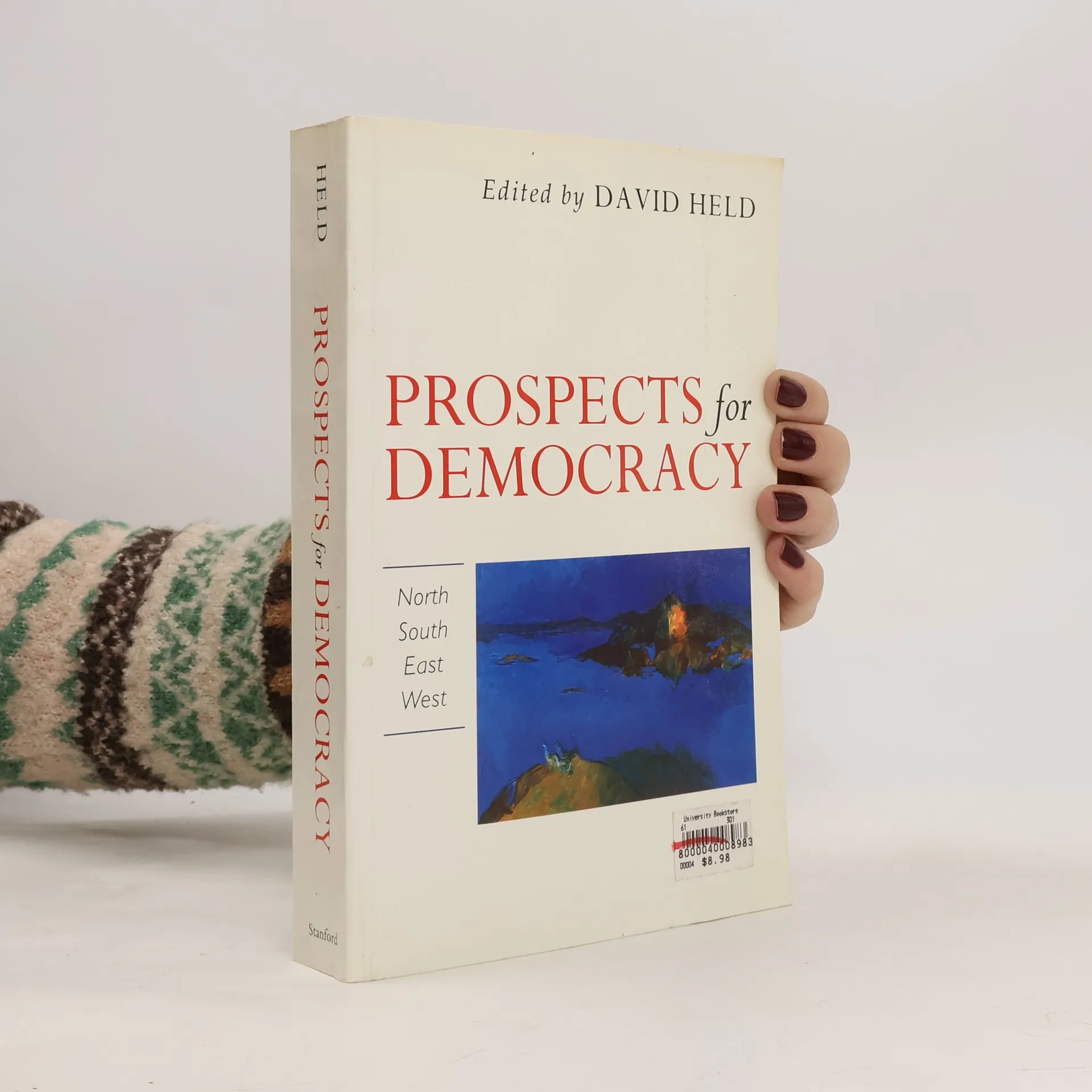
This volume offers a comprehensive overview of current debates about democracy across the globe. Since the political turmoil in Eastern Europe began in the 1980s, the debate about the meaning and future of democracy has intensified. Prospects for Democracy assesses this debate through wide-ranging theoretical considerations and a diverse set of case studies.
Understanding Modern Societies an Introduction - 4: Modernity and Its Futures
- 408 Seiten
- 15 Lesestunden
Modernity and its Futures is a major introductory textbook which examines the forces reshaping modern industrial societies and the new patterns, structures and relationships that are emerging in the contemporary world.
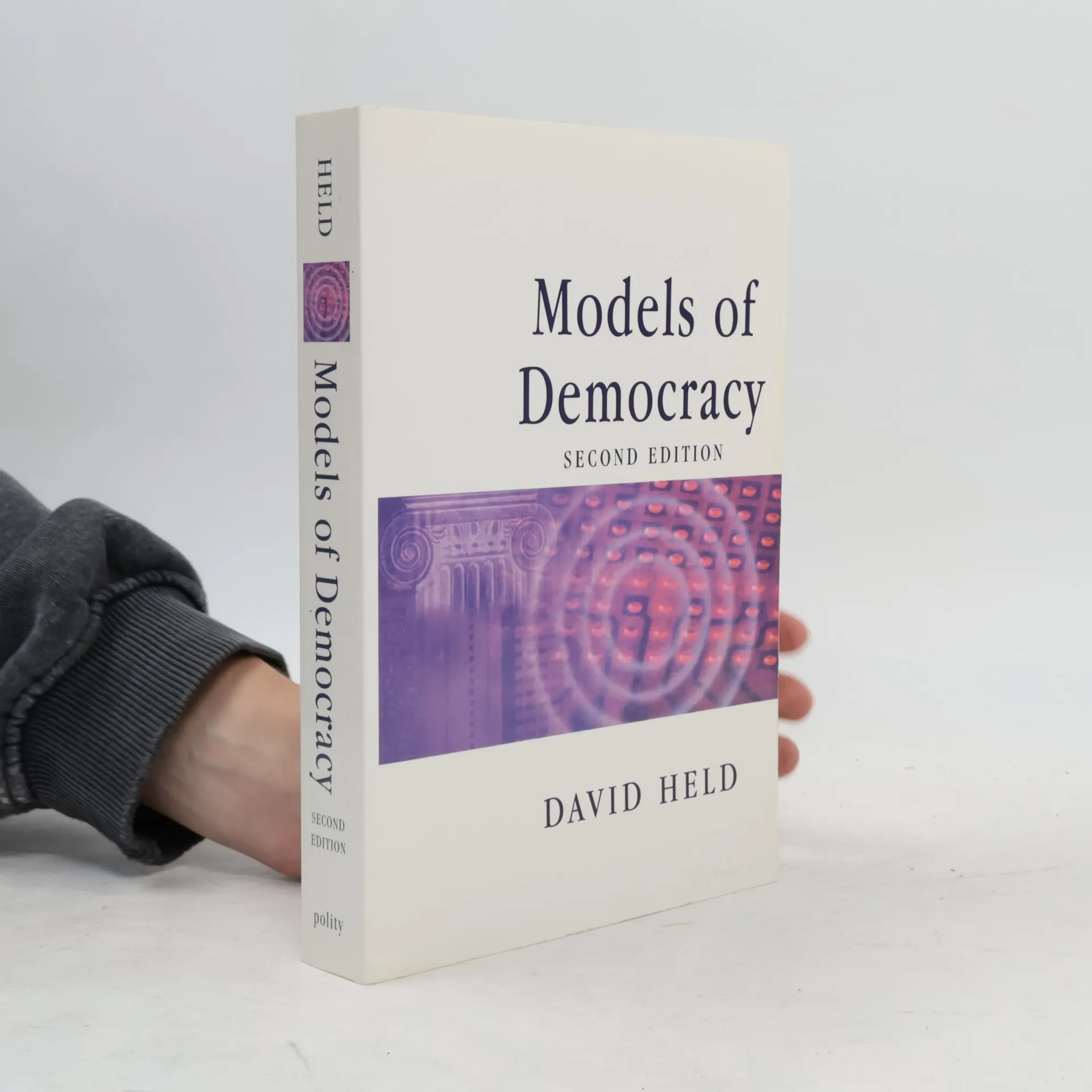
How should we understand the nature and scope of democracy? To what domains of life should it be applied? Or, alternatively, should democracy be clearly defined to maintain other important ends? This study examines changing responses to these questions from classical Athens to modern times. The context, nature and limits of each major development in democratic theory are explored.
Introduction to critical theory : Horkheimer to Habermas
- 520 Seiten
- 19 Lesestunden
Deals particularly with the Frankfurt School.