
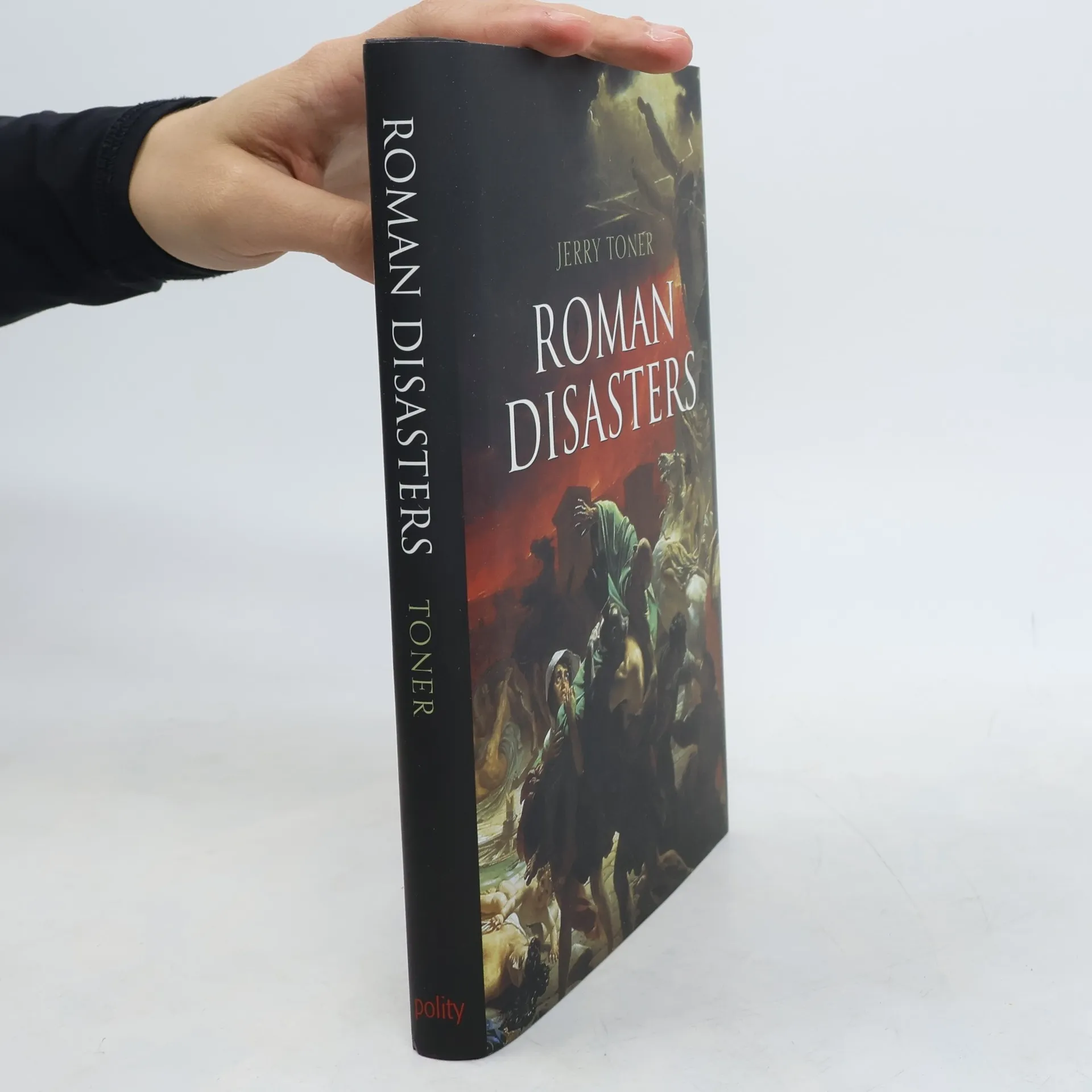

How did the Romans handle risk, from uncertainty about food supply and
dangerous travel to survival itself? Modern risk studies view the ancients as
dominated by fate, but the reality was different. A range of techniques, from
dream interpretation and oracles to logistics and law, all served to control
risk.
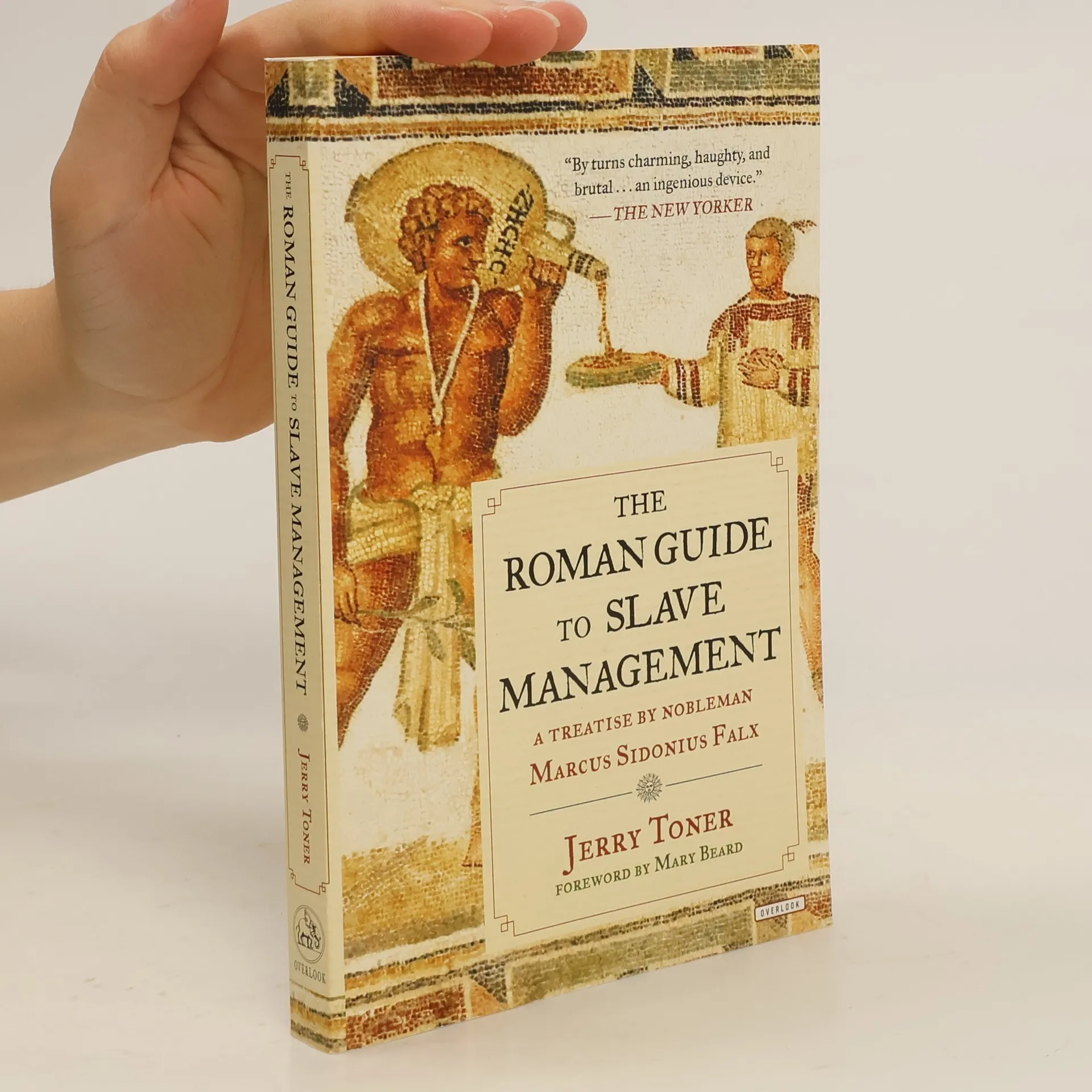
Marcus Sidonius Falx is an average Roman citizen. Born of a relatively well-off noble family, he lives on a palatial estate in Campania, dines with senators and generals, and, like all of his ancestors before him, owns countless slaves. Having spent most of his life managing his servants—many of them prisoners from Rome’s military conquests—he decided to write a kind of owner’s manual for his friends and countrymen. The result, The Roman Guide to Slave Management, is a sly, subversive guide to the realities of servitude in ancient Rome. Cambridge scholar Jerry Toner uses Falx, his fictional but true-to-life creation, to describe where and how to Romans bought slaves, how they could tell an obedient worker from a troublemaker, and even how the ruling class reacted to the inevitable slave revolts. Toner also adds commentary throughout, analyzing the callous words and casual brutality of Falx and his compatriots and putting it all in context for the modern reader. Written with a deep knowledge of ancient culture—and the depths of its cruelty—this is the Roman Empire as you’ve never seen it before.
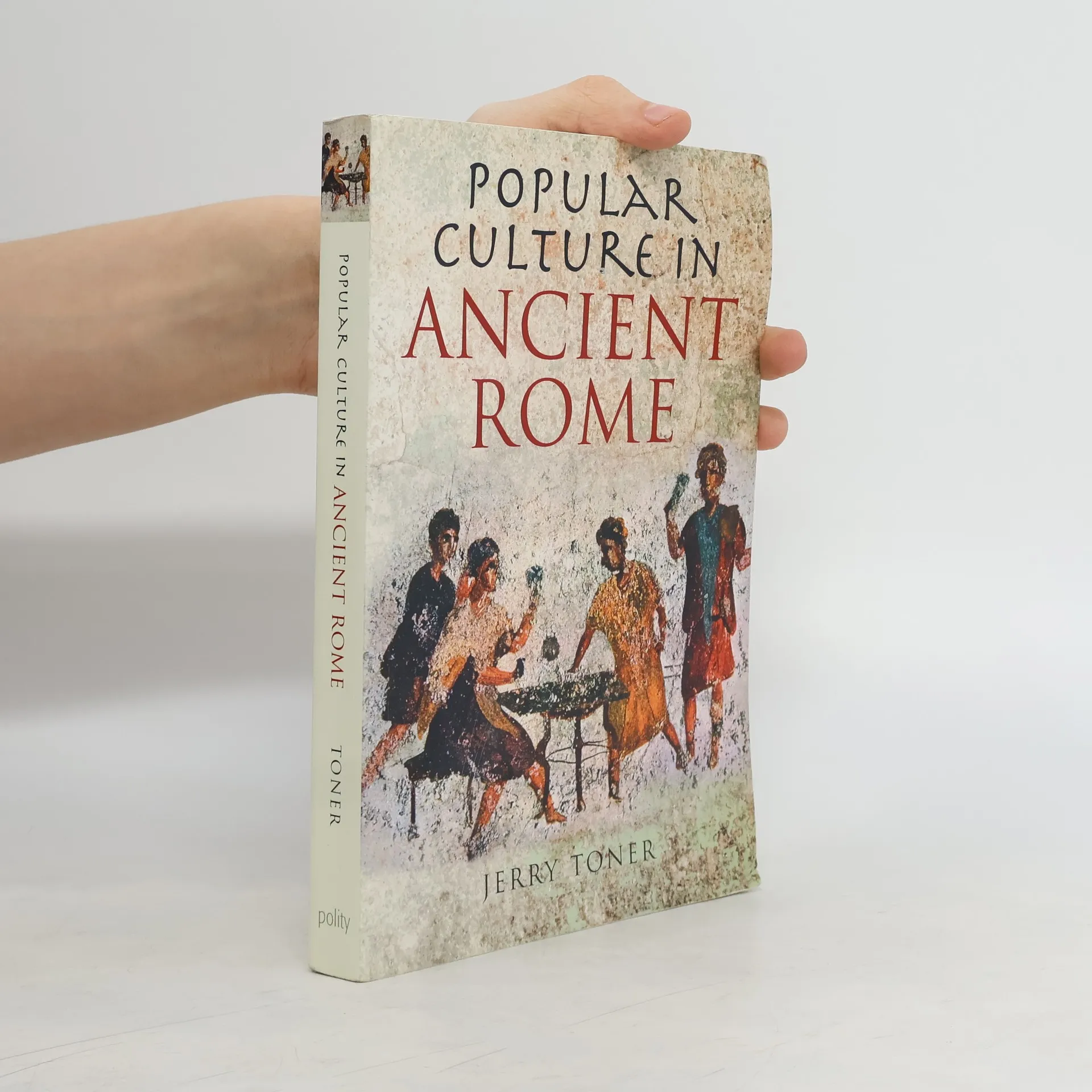
Focusing on the non-elite in the Roman world, this book builds an account of
the everyday lives of the masses, including their social and family life,
health, leisure and religious beliefs, and the ways in which their popular
culture resisted the domination of the ruling elite.
Roman Disasters looks at how the Romans coped with, thought about, and used disasters for their own ends. Rome has been famous throughout history for its great triumphs. Yet Rome also suffered colossal disasters.