This fully revised and updated book covers all aspects of the university
application process, helping you stand out from the competition. From writing
a persuasive personal statement to putting together a winning portfolio, this
book will be your step-by-step guide to securing a place to study art, design
or architecture.
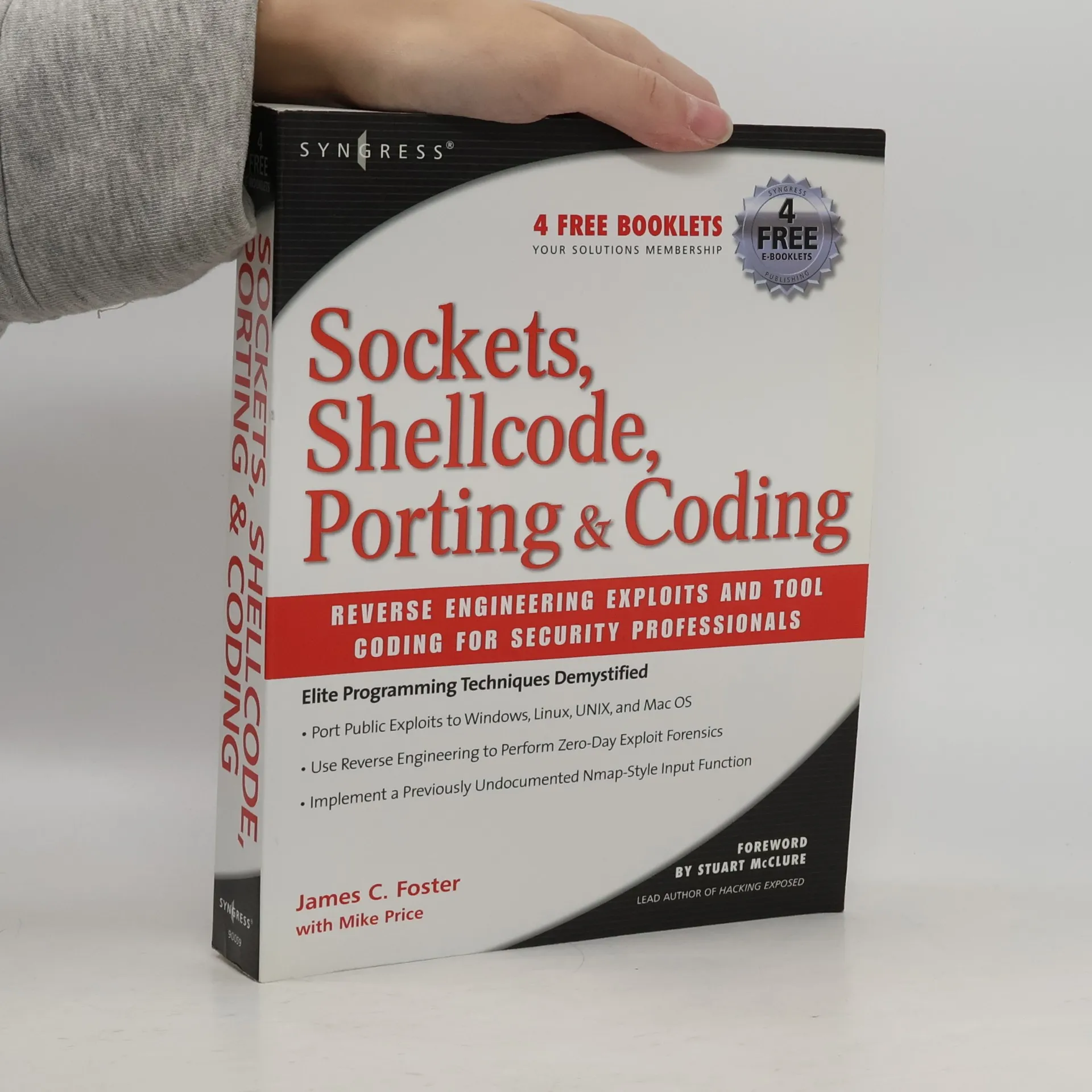
Reverse Engineering Exploits and Tool Coding for Security Professionals
696 Seiten
25 Lesestunden
The book is organized into five key categories, each representing essential skills for the security industry. The first category, Coding, emphasizes the growing necessity of programming and scripting skills across the field. It introduces coding basics and offers tips in languages such as C/C++, Java, Perl, and NASL. The second category, Sockets, explains how programs communicate over networks using TCP and UDP, highlighting the unique implementations in various programming languages. The third category focuses on Shellcode, defined as bytecode from Assembly, which is used to execute commands on remote systems through direct memory access. The fourth category, Porting, discusses the practice of modifying code for different operating platforms, allowing for efficient adaptation without starting from scratch. The final category, Coding Tools, synthesizes the previous sections, equipping readers with the ability to create quick utilities that enhance productivity and build valuable skills. Additionally, the book includes new chapters on writing and automating exploits for Windows systems, performing zero-day exploit forensics through reverse engineering, and provides practical code and scripts in common programming languages for immediate application in network defense.