Charlene Li widmet sich seit zwei Jahrzehnten der Vorausschau und hilft Menschen, die Zukunft zu gestalten, insbesondere in den Bereichen digitale Transformation und Strategie. Als anerkannte Expertin für Kundenerlebnisse und die Zukunft der Arbeit bietet sie wertvolle Einblicke, warum manche Unternehmen transformieren und andere scheitern. Ihre Arbeit konzentriert sich auf das Verständnis der Schlüsselfaktoren, die eine erfolgreiche Transformation in einer dynamischen Geschäftslandschaft ermöglichen. Lis Fachwissen basiert auf über 20 Jahren Beratung führender Unternehmen, und ihr Ansatz wird auf renommierten Konferenzen und in den Medien nachgefragt.
"Many companies make disruption their goal. They believe that if they develop the right innovation, they will disrupt their markets forever and drive the kind of growth worthy of a magazine cover story. But as bestselling author Charlene Li explains, that’s not how disruption works. Disruption doesn’t create growth; instead, growth creates disruption."--From dust jacket.
Ako podnikať a víťaziť vo svete, ktorý zmenili sociálne médiá. Prostredie, v ktorom žijeme, čoraz viac ovplyvňujú sociálne médiá. Internetové stránky ako YouTube, Twitter či Facebook vložili do rúk jednotlivcov aj komunít nebývalú mienkotvornú moc. V knihe Spodná vlna ponúkajú dvaja špičkoví výskumníci z Forrester Research spôsob, ako využiť moc sociálnych médií na dosiahnutie úspechu v podnikaní. Ak sa zaoberáte marketingom, výskumom, podporou predaja, predajom, vývojom, alebo ak riadite spoločnosť, v knihe nájdete presne cielené rady, podporené skutočnými príkladmi návratnosti investícií, ktoré vás presvedčia, že spojenie so sociálnymi médiami naozaj funguje.
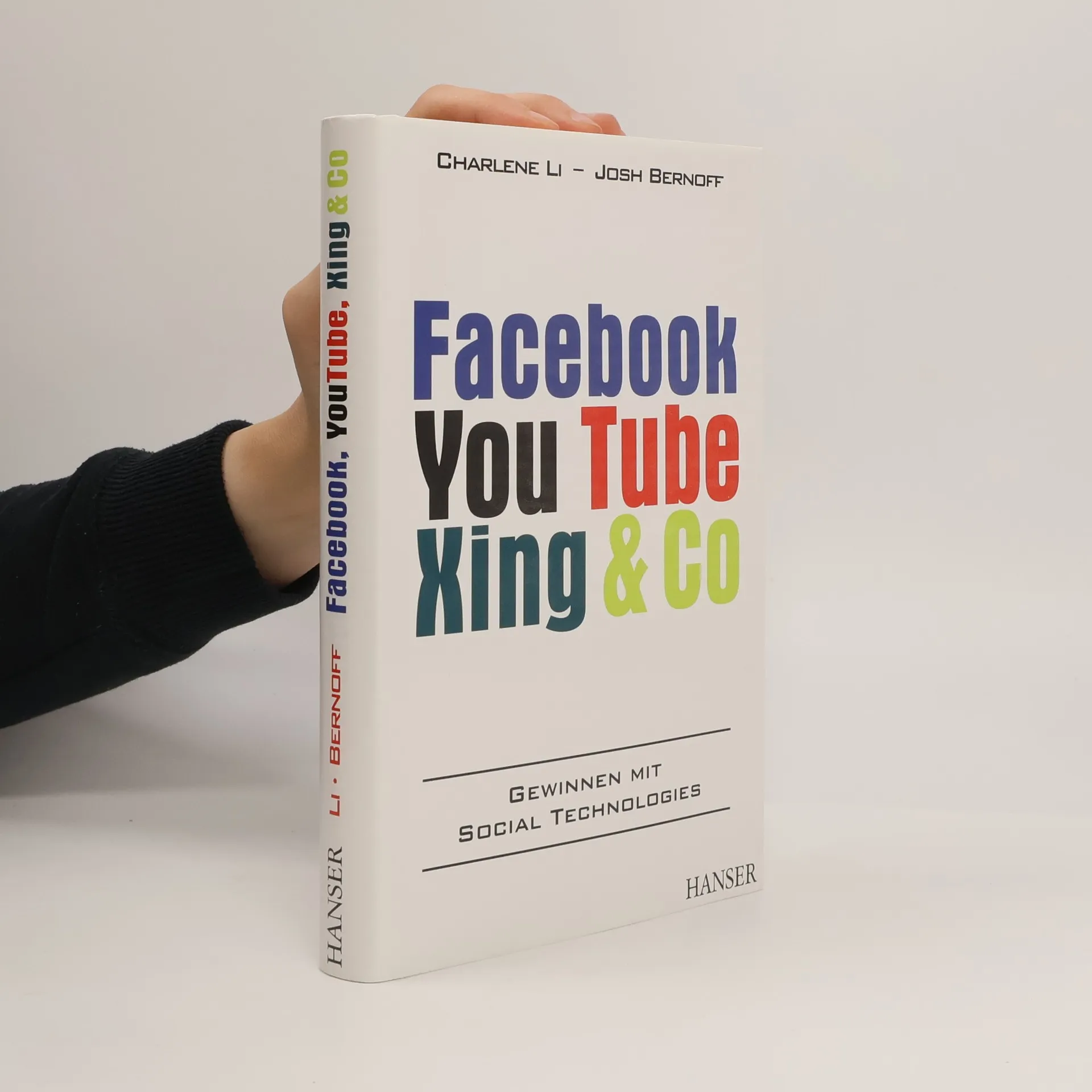
Immer mehr Menschen nutzen „Social Technologies“: Internet-Plattformen wie Facebook, YouTube und Twitter sowie Tools wie Podcasts, Wikis und Blogs, wo sie sich online austauschen. Dort finden sie, was sie suchen - Informationen, Produkte, Geschäftspartner oder einfach jemanden zum Chatten. Viele Unternehmen tun sich schwer mit den Social Technologies: Sie sind es nicht gewohnt, dass sich Kunden ganz unverblümt zu ihren Produkten äußern, statt die „offizielle“ Produktwerbung zu schlucken. Aber ob es den Unternehmen gefällt oder nicht: Die Bedeutung der Social Technologies nimmt ständig weiter zu. Unternehmen, die diesen Trend ignorieren, sind jetzt schon erheblich im Nachteil gegenüber ihren Wettbewerbern - wer die Herausforderung annimmt, kann davon stark profitieren. Charlene Li und Josh Bernoff zeigen, wie Social Technologies funktionieren - und wie Unternehmen sie strategisch für sich nutzen können. Mehr als zwanzig konkrete Fallbeispiele zeigen, wie führende Unternehmen aus aller Welt und in ganz verschiedenen Branchen mit Social Technologies ihren Umsatz und ihren Gewinn steigern - und was Führungskräfte in allen Unternehmen davon lernen können.
Since Groundswell was published in April of 2008, two things have The global economy has gone into the dumper; and at the same time, marketers have fallen in love with social technologies." So states author Josh Bernoff in his introduction to Marketing in the Groundswell , which offers vital information that everyone involved in marketing or in communicating with customers' needs to know. The book includes three core chapters from the original bestseller that focus on market research, marketing, and spreading word-of-mouth among your best customers. Sure, you already know that customers are writing about your products on blogs or talking about your brand on Twitter and Facebook. Now, turn that interest into opportunity and profit. In these economic times, marketers like you are increasing their investment in social technologies, while cutting back on more traditional expenses. Why? Because they work—no matter the economic climate. Marketing in the Groundswell shows you how you can build social applications, measure their results, and use the social technology movement to your company's advantage.
Defines 'the groundswell' as a social structure in which technology puts power into the hands of individuals and communities, not institutions. This book generates hard consumer data that quantifies a viable business opportunity. It describes how business can participate in the social medium in order to communicate and learn from their customers