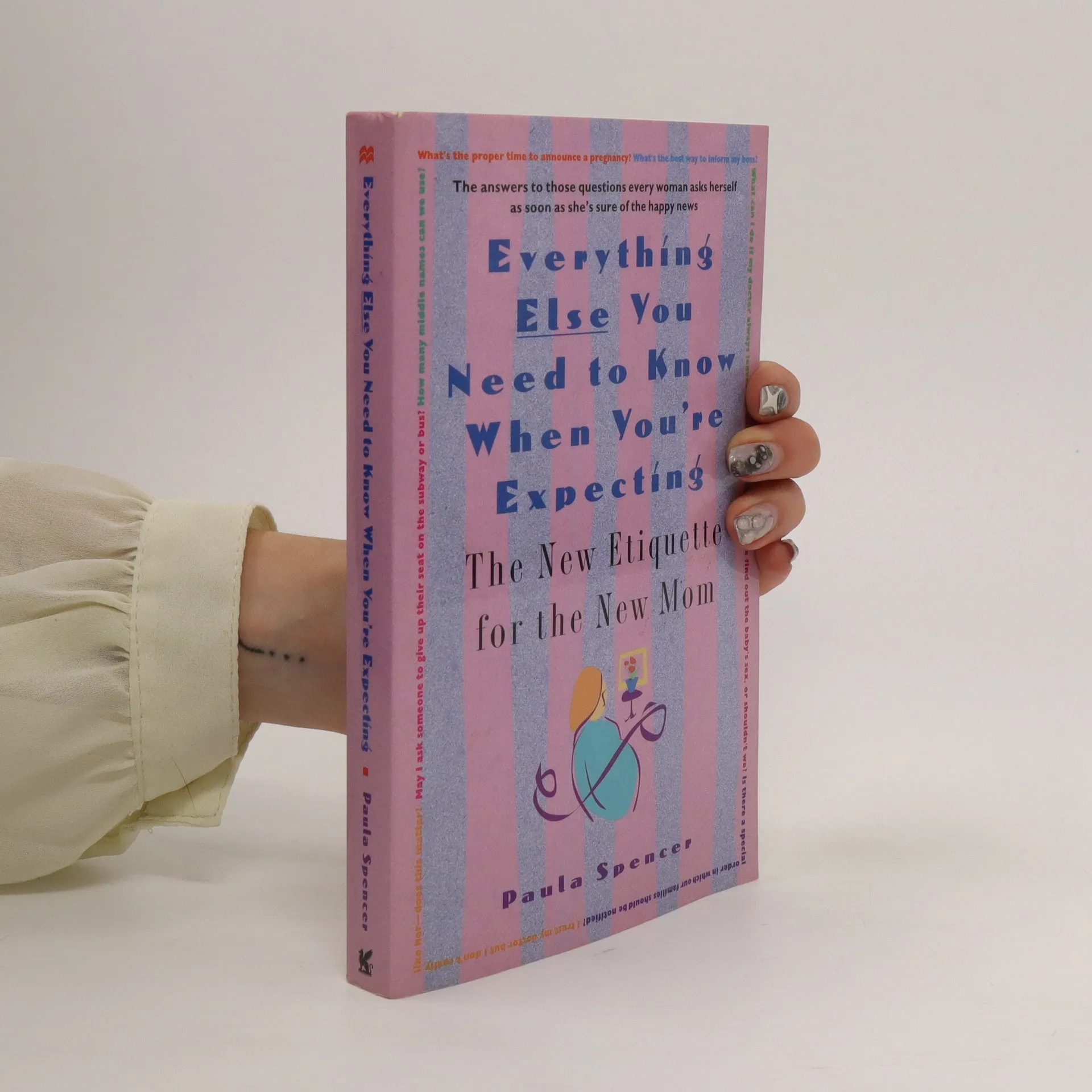
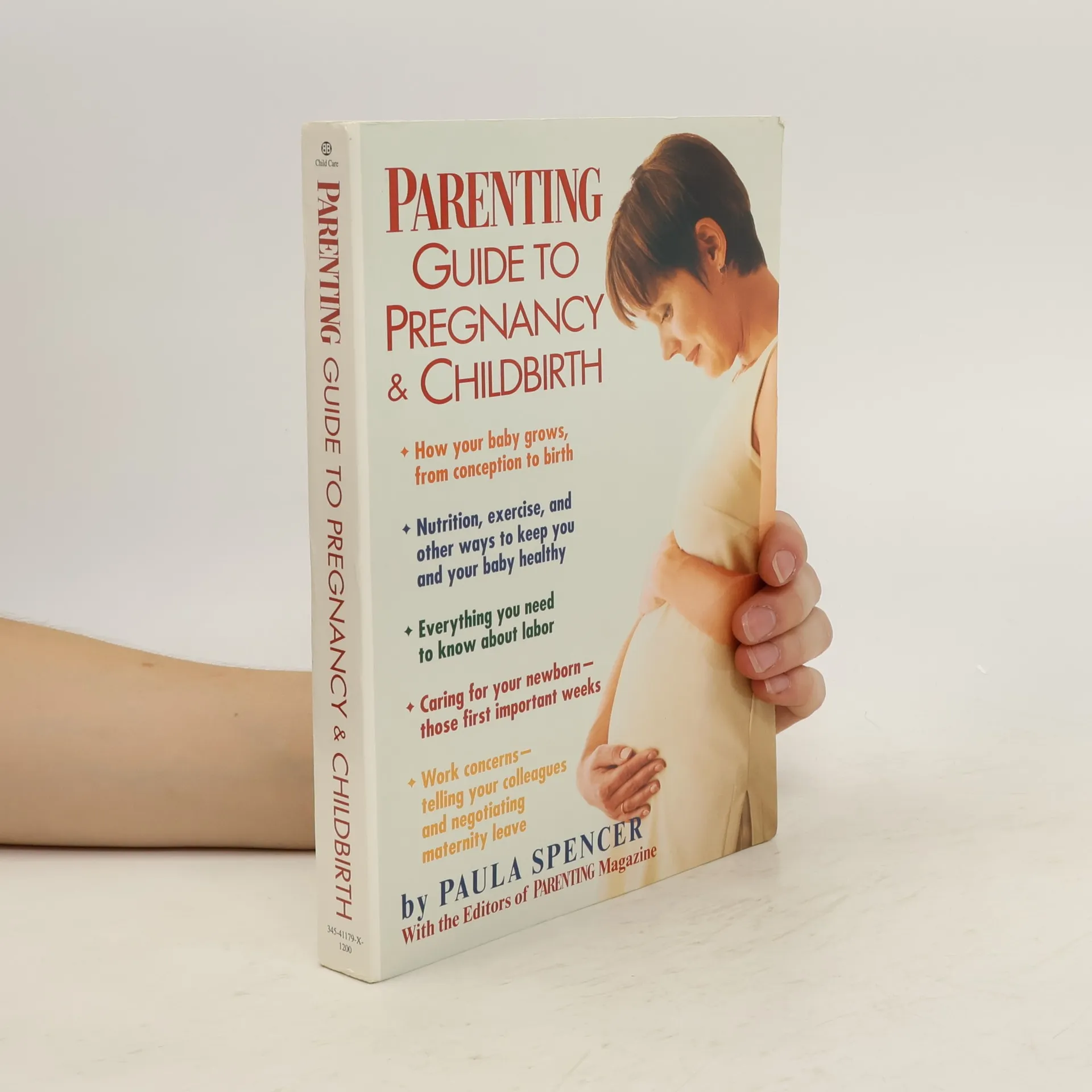
Sourcebook covering pregnancy and childbirth from conception through the first weeks of a baby's life. Includes information on physical and emotional changes during pregnancy, fetal development, eating and fitness, special situations, work concerns, and newborn basics.
Paula Spencer Bücher
Paula Spencer bietet ehrliche, vernünftige Perspektiven auf das Familienleben, die von der Säuglingspflege bis zur Seniorenbetreuung und Selbstfürsorge reichen. Ihr Schreiben zeichnet sich durch einen direkten und praktischen Ansatz bei den Herausforderungen und Freuden des Elternseins und Familienlebens aus. Durch ihre Arbeit bietet sie den Lesern nützliche Ratschläge und Unterstützung.
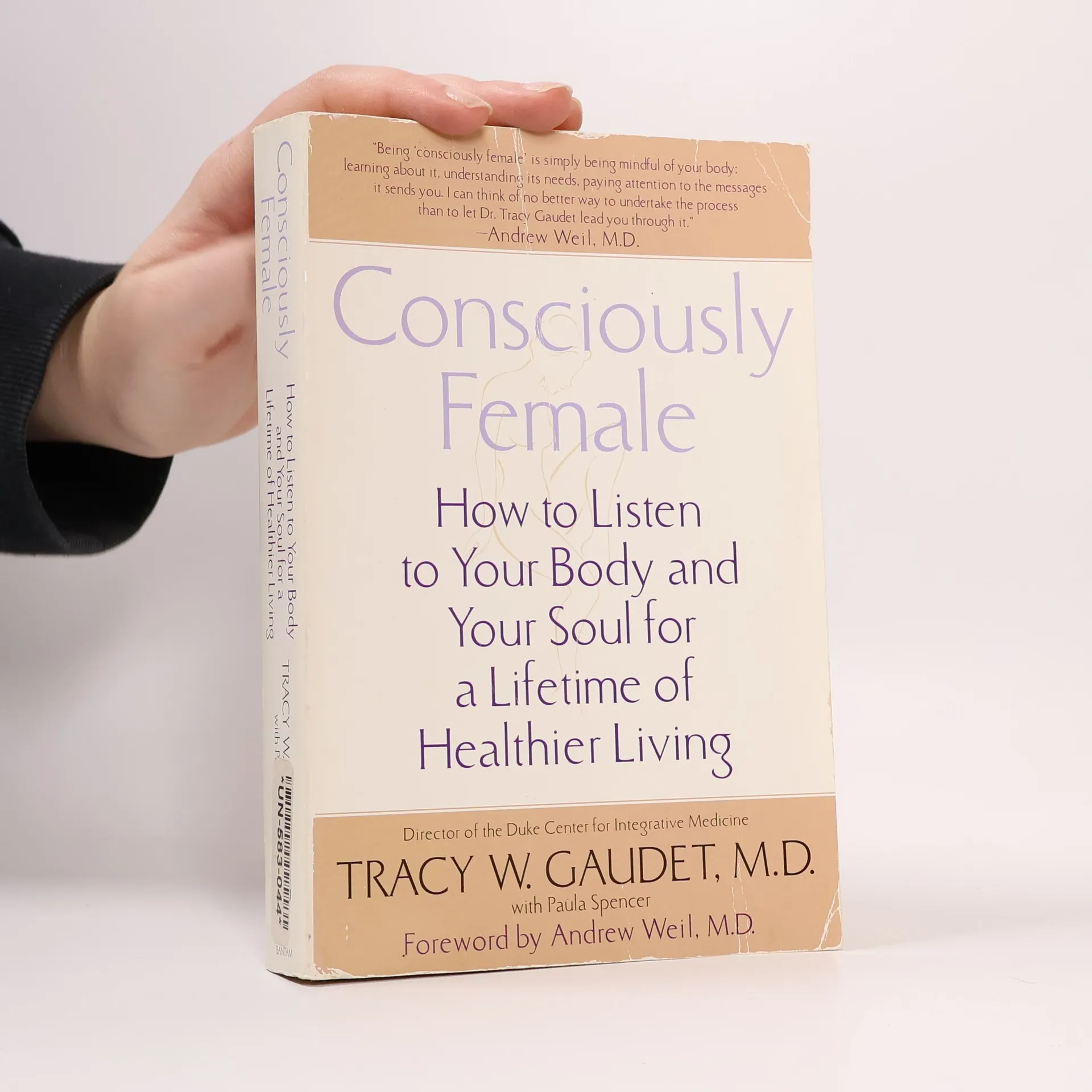
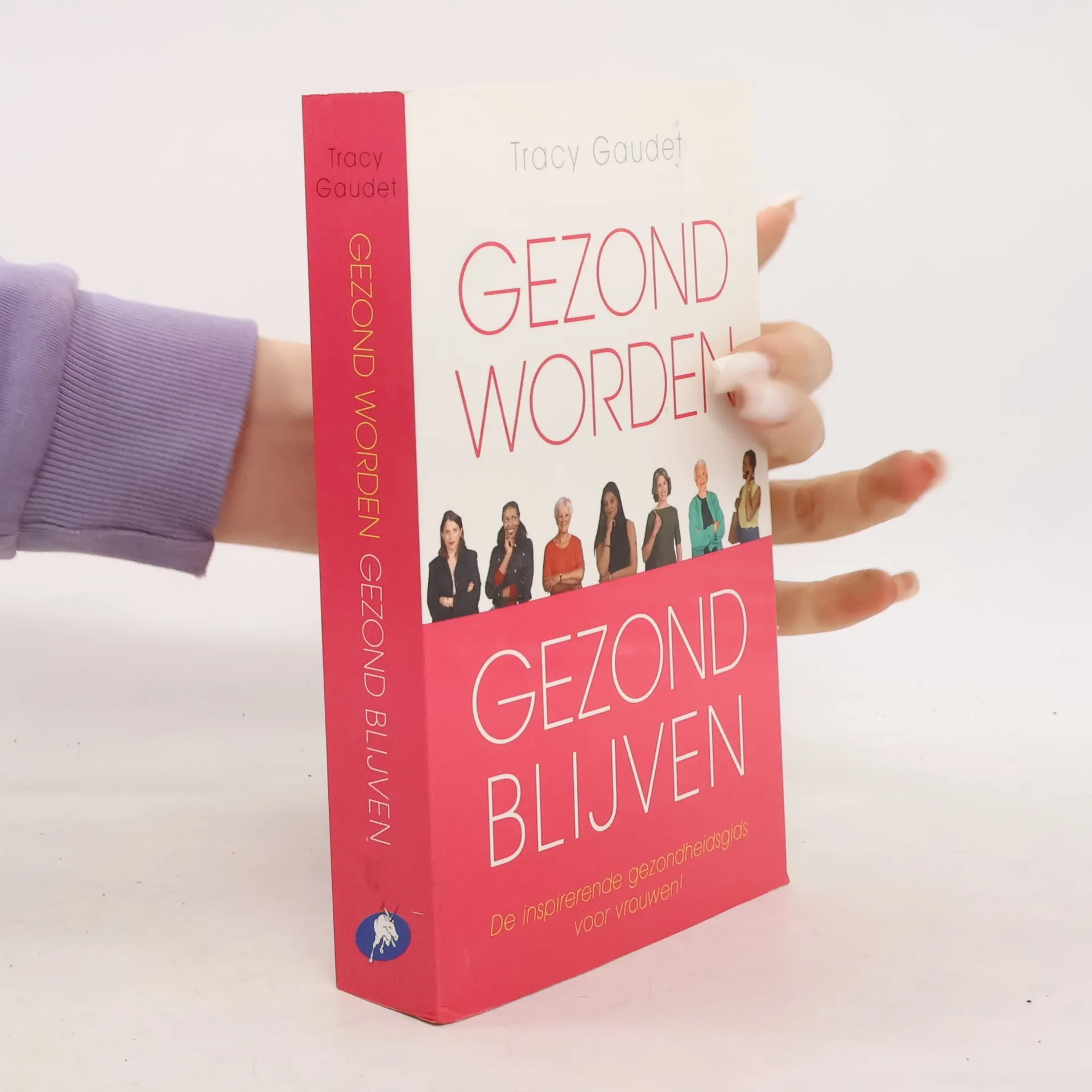
It often feels chaotic rather than dynamic being a woman. Every day is different. Am I a size 10 today, or a size 14? Do I feel energised or do I feel like crawling under the duvet and watching Eastenders? Even our interest in sex bobs about, seemingly from minute to minute. And we mentally cross off the days when our hormones are in flux - chalking our bad moods up to PMS and waiting impatiently for our bodies to return to 'normal'. But if we are not 'ourselves' for so much of our lives, then who are we? In Consciously Female, Tracey Gaudet gives women the tools and the techniques to consciously reframe what it means to live inside a woman's body. So instead of crossing off the days we feel bad, we will learn to understand them as part of an important cycle which adds emotion and physical feeling to our lives - we will become 'consciously female'. Integrating conventional and alternative medicine, the book provides us with a complete wellness programme, including advice on nutrition, exercise, rituals and mind-body techniques. It's wonderfully positive, practical and inspirational - it's for every woman.
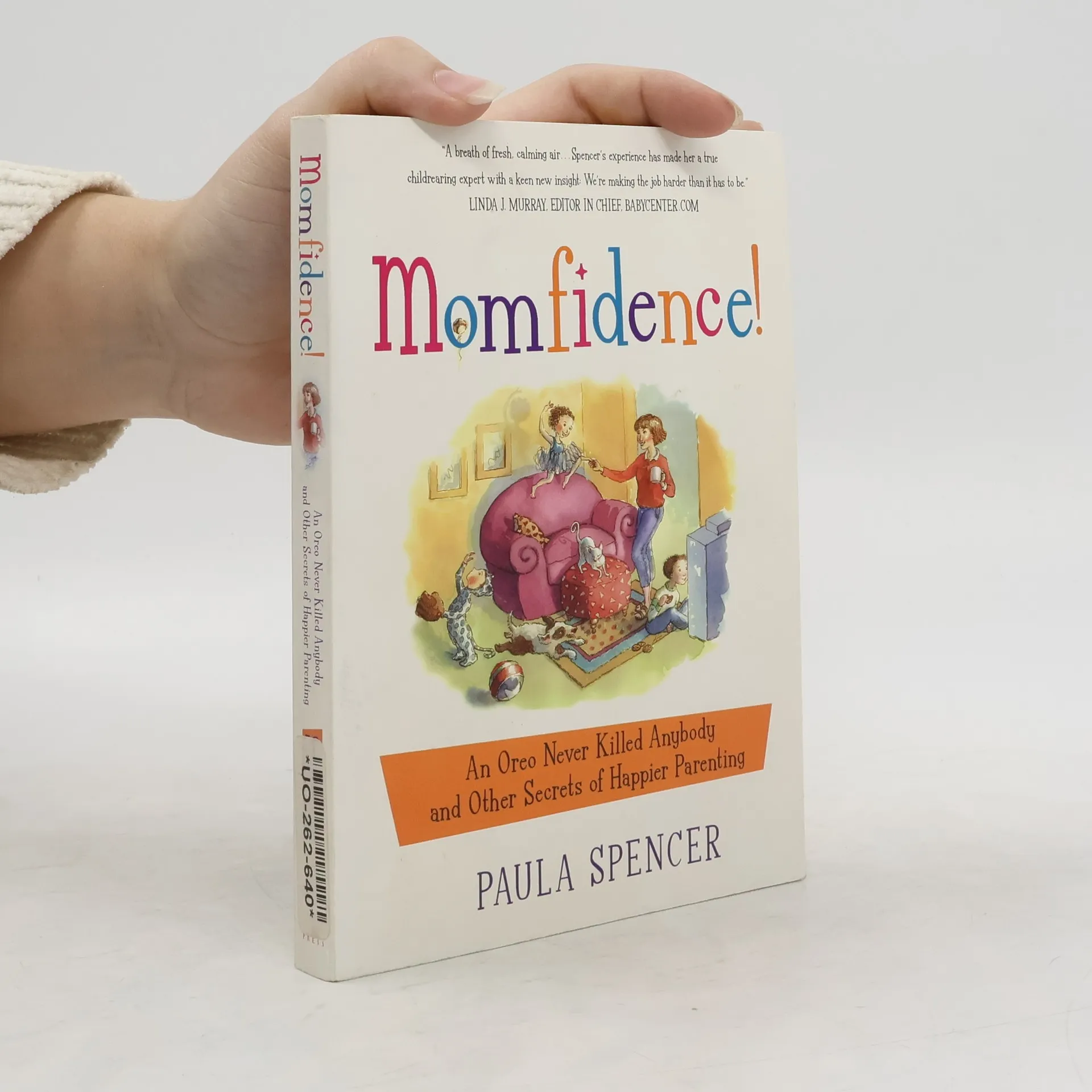
Momfidence!
- 288 Seiten
- 11 Lesestunden
Lose the Guilt, Love Your InstinctsIf the latest “breakthrough” child-development theory, parenting technique, or child-appropriate diet makes you worry or groan (or just want to lie down for a nap), it’s time to make way for Momfidence! Paula Spencer, parenting expert and mother of four, provides refreshing, down-to-earth proof that most of the business of raising confident, healthy children involves nothing more complicated that trusting your instincts, using common sense, and above all, hanging on to your humor.Momfidence! •Using “perfect” only to describe such wonders as a ripe peach, a cloudless day at the beach, or a husband who does diapers and dinner. . . It has no application whatsoever in describing motherhood.•Recognizing that there are appropriate times and places for lying, yelling, threatening, bribing, and saying “I told you so”•Sending yourself to time-out—preferably with chocolate and/or your spouse•Being completely amnesiac about the day’s exasperating transgressions when you peek in your children’s bedrooms at night and watch them sleepBased on her popular Woman’s Day and Parenting columns, Momfidence! explains how obsessing less and winging it more can keep you sane—and your kids healthy and happy. It’s a hilarious look at “perfect motherhood” that cuts parents a long-overdue break by reminding us that we’re not the amateurs here—we’re all experts, too.
Paula Spencer
- 301 Seiten
- 11 Lesestunden
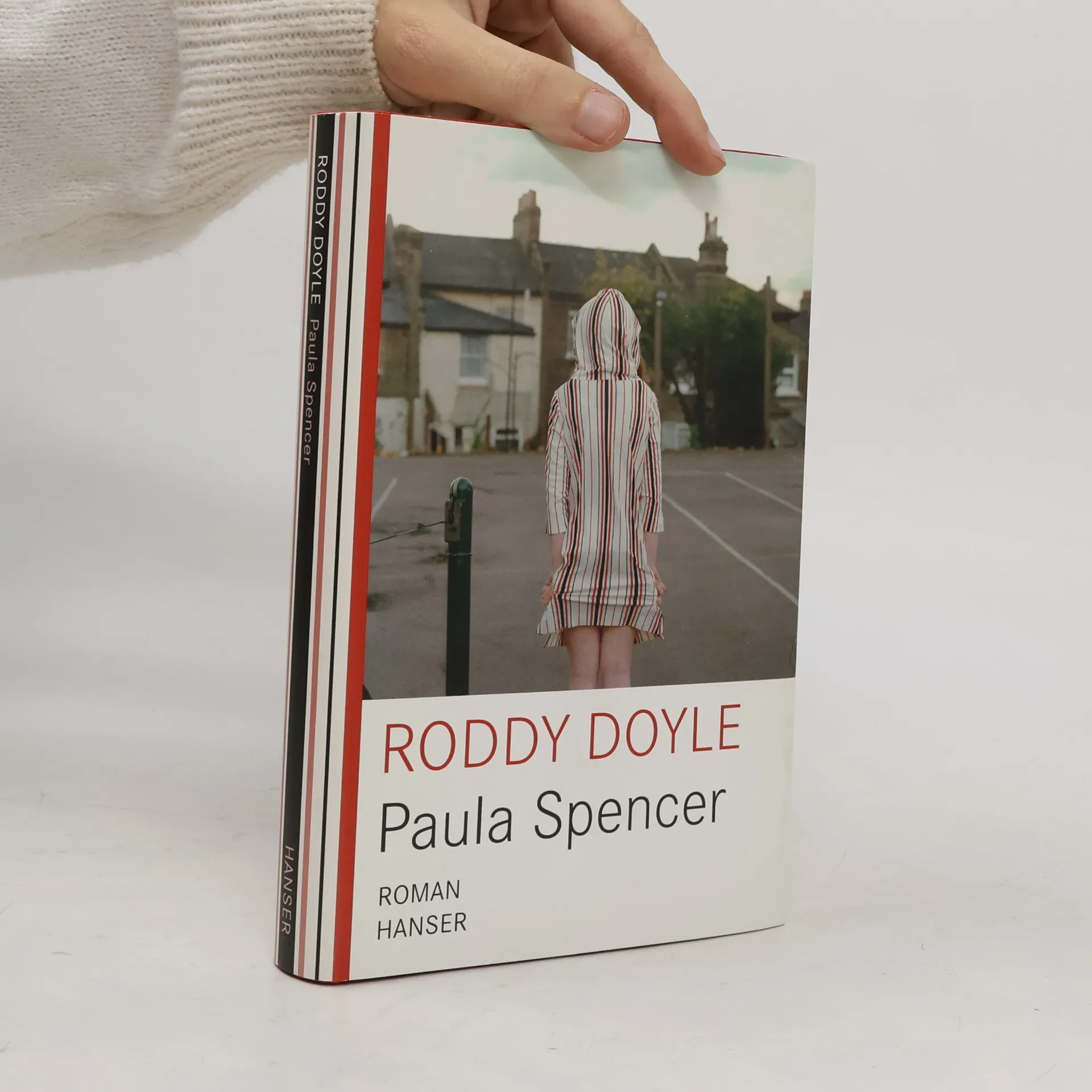
Eine Frau aus der irischen Unterschicht nimmt ihr Leben in die Hand. Paula Spencer ist 48 Jahre alt, Witwe und seit vier Monaten und fünf Tagen trocken. Außer dem soliden Job in einer Putzkolonne bringt ihr der Aufschwung in Irland nur wenig ein. Ihr größtes Problem - ihre Kinder: Jack wartet nur darauf, dass sie wieder zur Flasche greift. Die erfolgreiche Nicola ist irritierend selbstgerecht. Und Leanne ist selbst Alkoholikerin geworden. Allen Demütigungen zum Trotz kämpft Paula sich voran und wird endlich zur Protagonistin ihres eigenen Lebens. Roddy Doyle versteht es meisterhaft, Menschen eine Stimme zu verleihen, die im Leben zu kurz kommen.
Das glücklichste Kleinkind der Welt
Wie Sie Ihr Kind liebevoll durch die Trotzphase begleiten
- 381 Seiten
- 14 Lesestunden
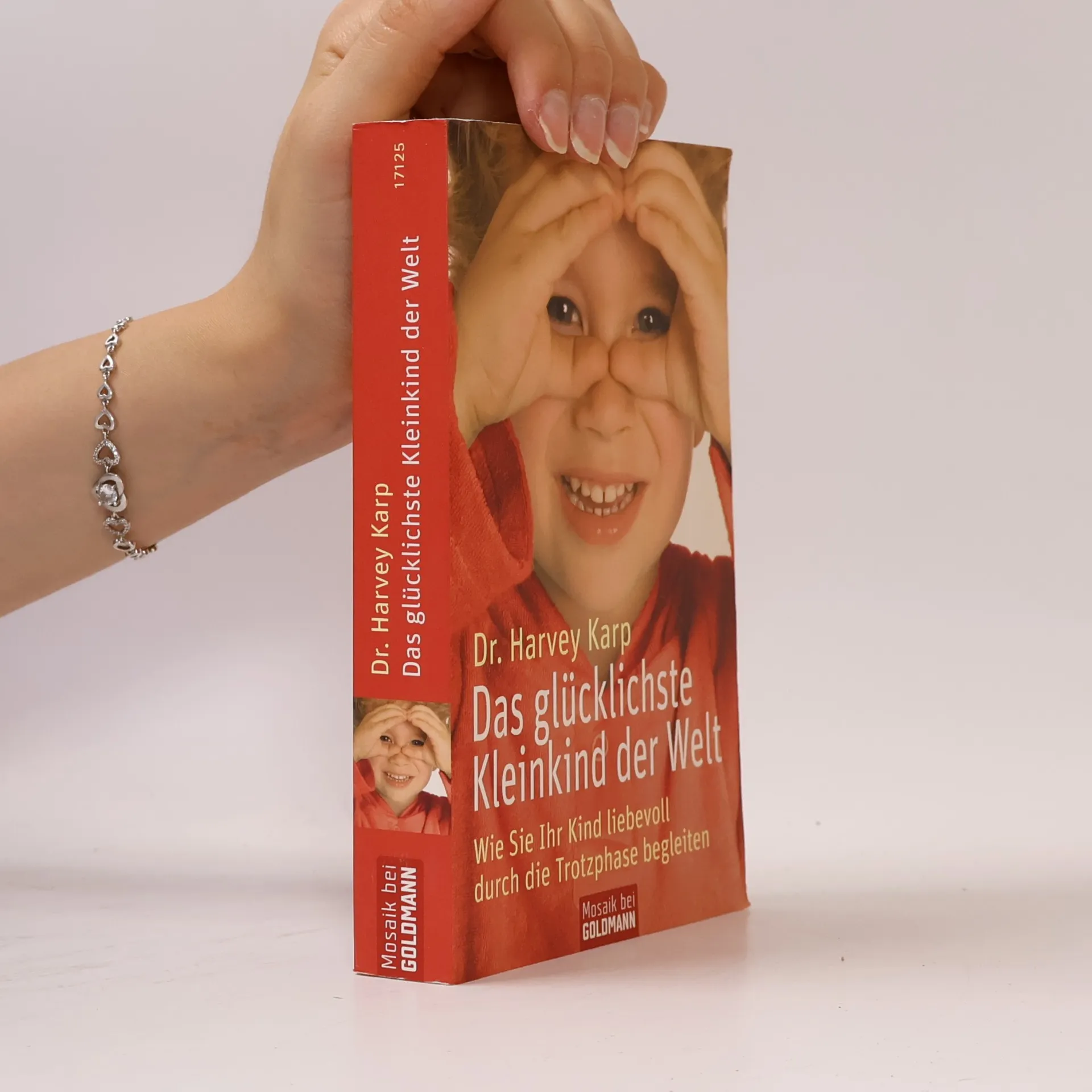
Für Eltern, Großeltern, Erzieher und Tagesmütter »Die Welt vom einzigartigen Standpunkt unserer Kinder aus betrachten …« Mit Dr. Harvey Karp können Eltern die Zeit zwischen dem ersten und vierten Lebensjahr eines Kindes genießen. Um Kleinkinder liebevoll zu erziehen, muss man ihre Art des Denkens und Begreifens verstehen lernen. Wutausbrüche, Geschrei und Trotzanfälle gehören dann bald der Vergangenheit an. Das Ergebnis: zufriedene Eltern und glückliche Kleinkinder.Die Ergänzung zu »Das glücklichste Baby der Welt«.
Everything Else You Need to Know When You're Expecting
- 269 Seiten
- 10 Lesestunden
An etiquette guide for pregnant women offers answers to questions concerning maternity clothes, baby showers, birth announcements, naming the baby, adoption, birth ceremonies, and maternity leave.
Gezondheidsadviezen vanuit de reguliere en alternatieve geneeskunde.