Die Bändigung des Zufalls
- 268 Seiten
- 10 Lesestunden


Ian Hacking ist emeritierter Professor für Philosophie an der University of Toronto mit Spezialisierung auf Wissenschaftsgeschichte. Seine Arbeit befasst sich hauptsächlich mit der Geschichte und Philosophie der Wissenschaft, insbesondere in den Bereichen Wahrscheinlichkeit, Statistik, Psychiatrie und Biologie. Hacking untersucht, wie wissenschaftliche Erkenntnisse und Methoden unsere Realität und unser Weltverständnis prägen. Sein Ansatz stützt sich oft auf historische Fallstudien, um die philosophischen Implikationen wissenschaftlicher Forschung zu analysieren.




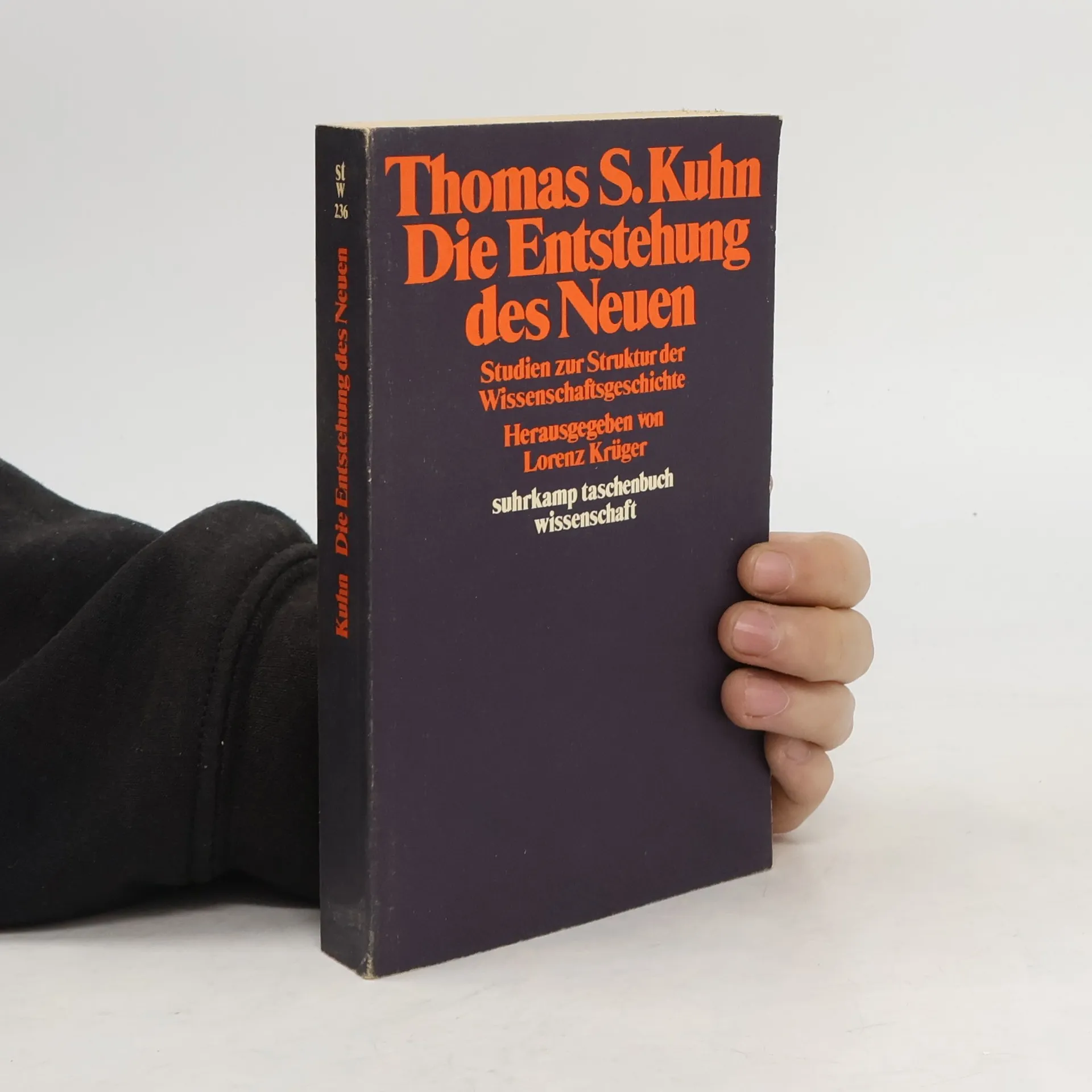
Kuhns Thema ist der Prozeß, in dem wissenschaftliche Erkenntnisse erzielt werden. Fortschritt in der Wissenschaft - das ist seine These - vollzieht sich nicht durch kontinuierliche Veränderung, sondern durch revolutionäre Prozesse. Dabei beschreibt der Begriff der wissenschaftlichen Revolution den Vorgang, bei dem bestehende Erklärungsmodelle, an denen und mit denen die wissenschaftliche Welt bis dahin gearbeitet hat, abgelöst und durch andere ersetzt werden: es findet ein Paradigmenwechsel statt.
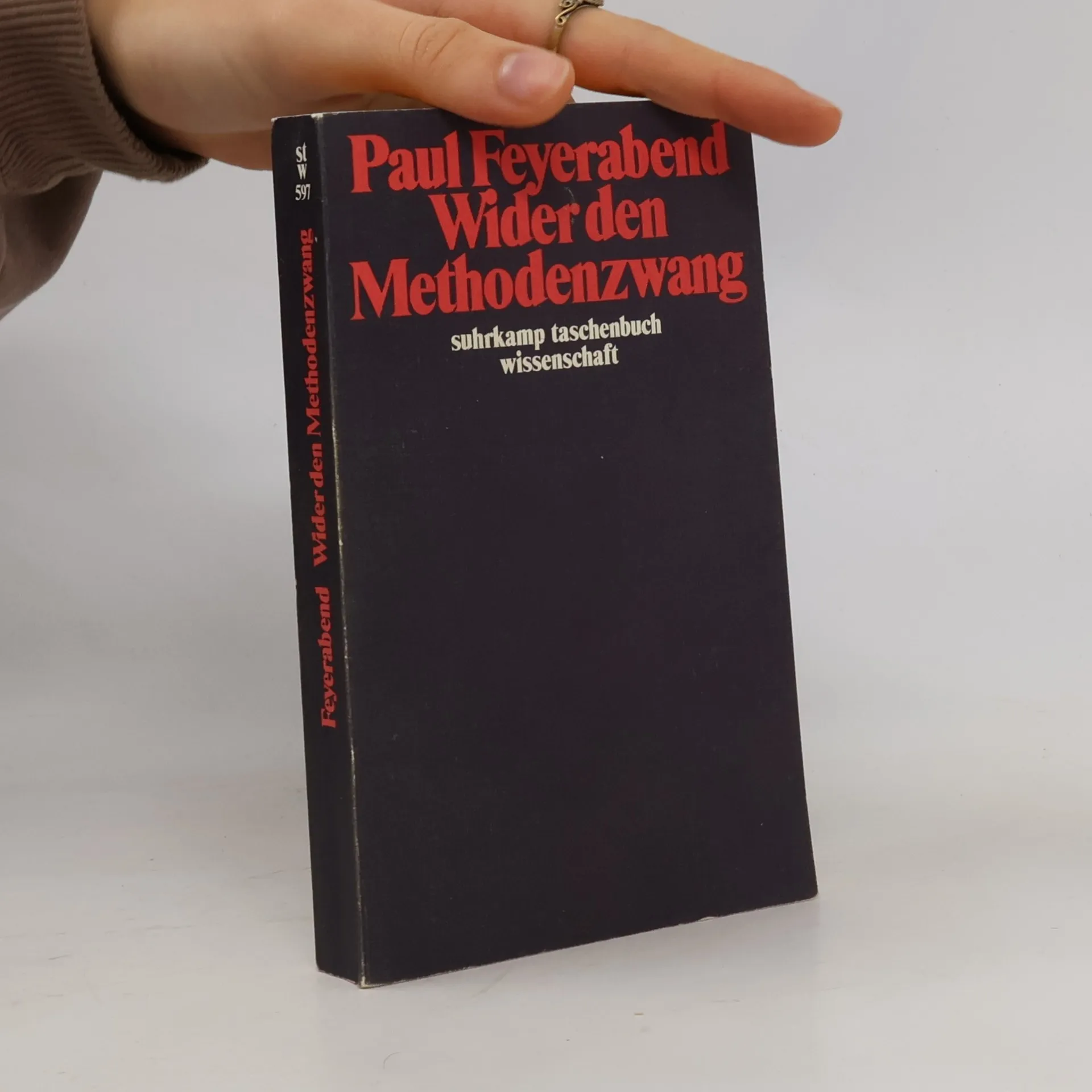
»Der vorliegende Essay wurde in der Überzeugung geschrieben, daß der Anarchismus vielleicht nicht gerade die anziehendste politische Philosophie ist, aber gewiß eine ausgezeichnete Arznei für die Wissenschaften und die Philosophie.«
Includes an introduction, contextualizing his book in light of developing philosophical trends.
Podtitul: Čo je a čo nie je sociálnou konštrukciou Jeden z najoriginálnejších súčasných filozofov vedy Ian Hacking v knihe rozoberá najzávažnejšie problémy v oblasti sociálnej konštrukcie reality. Ukazuje, že hoci od vydania priekopníckej knihy Petra I. Bergera a Thomasa Luckmana Sociálna konštrukcia reality (1966) uplynulo už takmer 40 rokov, dodnes nie je mnohým autorom – filozofom, sociológom, vedcom z rôznych odvetví – jasný ani len základný pojem. Hacking kritizuje najmä skutočnosť, že novú oblasť postihol údel viacerých pôvodne veľmi perspektívných myšlienok – stali sa módnymi, a tak sa ich zmocnili všetci, od odborníkov až po najväčších laikov. Výsledkom sú spory, ktoré sa niekedy označujú ako „kultúrne vojny“ či „vedecké vojny“. Kniha predstavuje súbor prednášok, ktoré mal autor po celom svete, tematicky ich spája reflexia vývinu názorov na problematiku sociálnej konštrukcie. Publikácia sa vyznačuje jasným výkladom, živým jazykom a nevšedným humorom.
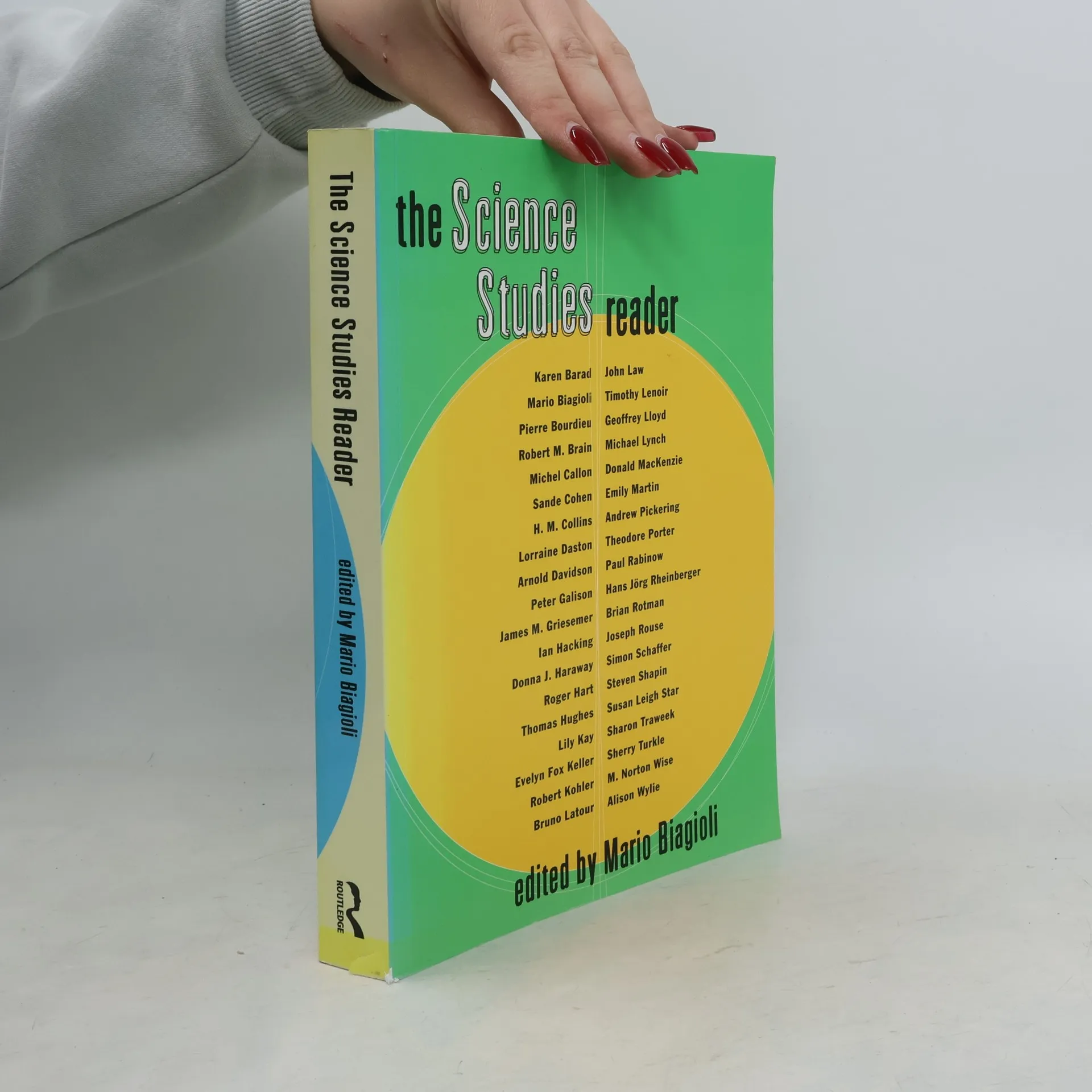
The Reader focuses on the practices of modern and contemporary science and technology located in different national and institutional settings, with some attention to non- Western contexts. By mapping some of the open questions and points of tension likely to occupy the field for years to come, the essays in the Reader cast fresh light on what "science" means at the end of the twentieth century.
'Sozialer Konstruktivismus' ist en vogue. Man muß nur die Verzeichnisse der theoretisch ambitionierten Neuerscheinungen in den Sozialwissenschaften durchblättern, um sich davon zu überzeugen. Und die 'science wars' führen vor, daß die Debatten über die 'soziale Konstruiertheit' von Theorien und Fakten auch die Naturwissenschaften erreicht haben. Grund genug also, sich angesichts der erhitzten Diskussionen einmal die Frage vorzulegen, was eigentlich mit Äußerungen der Form 'X ist sozial konstruiert' überhaupt behauptet wird. Ian Hacking, Philosoph und Wissenschaftstheoretiker, hat sich dieser Frage angenommen und eine ebenso nüchterne wie erhellende Analyse der von 'Konstruktionisten' auf den verschiedensten Gebieten erhobenen Ansprüche vorgelegt.
The book explores the surge in diagnosed dissociative disorders, particularly multiple personality disorder (MPD), over the past twenty-five years, linking it to the prevalence of child sexual abuse. Philosopher Ian Hacking examines the moral and political implications of this epidemic, addressing the contentious debates around memory and the potential for false memories. Through this lens, he critically analyzes how society grapples with psychological trauma and the power dynamics involved in understanding and treating these complex issues.
Vor allem in den USA, zunehmend aber auch in Europa mehren sich die »Multiplen Persönlichkeiten«: Menschen, die in sich mehrere, meist ganz verschiedene Persönlichkeiten entdecken. Erwachsene sprechen plötzlich mit der Stimme von Kindern, wechseln zwischen Persönlichkeiten von verschiedenem Charakter, Geschlecht, sexueller Neigung und Alter. Als Ursache werden traumatische Erfahrungen in der Kindheit angesehen, fast immer solche sexuellen Mißbrauchs. Ian Hacking hat diese Epidemie Multipler Persönlichkeiten zum Ausgangspunkt seines Buches gemacht. Dabei beleuchtet er nicht nur den gesellschaftlichen Kontext, er stellt sich auch die Frage, warum die Erklärung der vielfältigen »Ichs« Multipler Persönlichkeiten durch den Mechanismus selektiven Erinnerns einen so zentralen Stellenwert bekommen konnte.
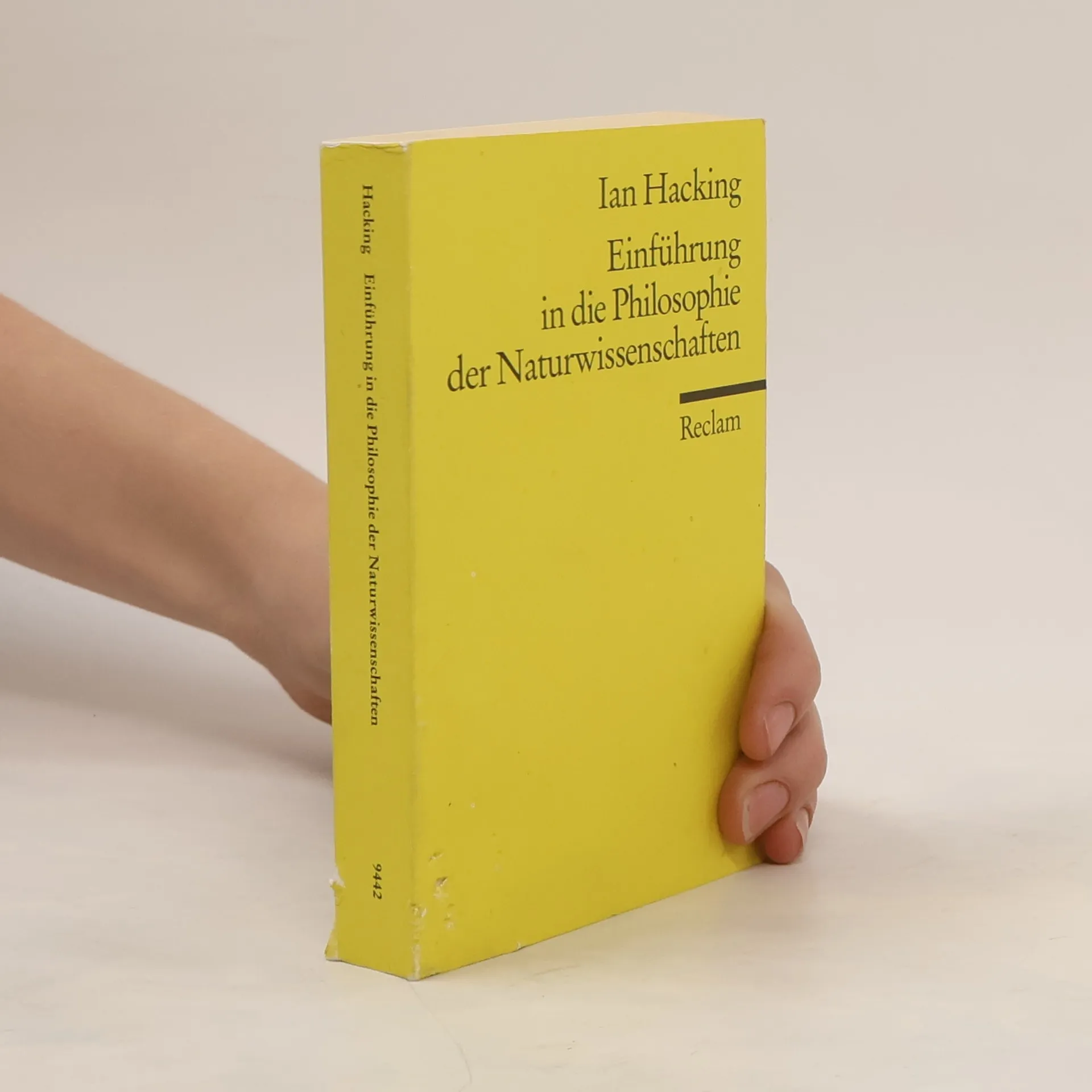
Ein Buch für Philosophen und Wissenschaftler, dessen erster Teil (»Darstellen«) die wesentlichen wissenschaftstheoretischen Grundlagen und Ansätze behandelt (Objektivität, Realismus, Positivismus, Pragmatismus u. a.). Der zweite Teil (»Eingreifen«) bietet eine Einführung in die philosophischen Probleme des Experiments und der Beobachtung mit vielen Fallbeispielen aus Physik, Biologie, Chemie. Es zeigt sich, daß Experiment und Theorie voneinander unabhängig sein können. Das hat Folgen für ein adäquates Verständnis des wissenschaftlichen Realismus.
This book combines detailed scientific historical research with characteristic philosophic breadth and verve.