

An experienced preacher and teacher encourages pastors to preach on pain to
help their congregants identify and share their suffering in Christian
community for the purpose of healing and transformation.
Jak rozładować napięcie w związku bez ranienia partnera? Złość jest naturalną i ważną emocją, która pozwala wyrażać uczucia oraz stawiać granice. Jednak istotne jest, aby nie wpaść w błędne koło złości, które może niszczyć więź i prowadzić do bólu oraz oddalenia partnerów. Zamiast atakować czy krytykować, warto nauczyć się konstruktywnego wyrażania złości, co pomoże uniknąć destrukcyjnych kłótni i problemów w relacji. Kluczowe jest opracowanie własnego modelu rozwiązywania konfliktów. Książka przedstawia dziesięć sprawdzonych metod pracy nad sobą i związkiem, ucząc asertywności oraz konstruktywnego radzenia sobie z emocjami. Pomaga stworzyć plan walki ze złością, który umożliwia: zapobieganie wybuchom złości, radzenie sobie z narastającymi emocjami, kontrolowanie zachowania, zdrowe rozładowanie napięcia, zrozumienie uczuć partnera oraz unikanie czterech zapalników złości: krytycyzmu, potępienia, bronienia się i unikania. Książka oferuje również wskazówki, jak naprawić szkody wynikające z powrotu do starych nawyków oraz odbudować zaufanie i bliskość w związku.
No one preaches in a cultural vacuum. The message of what God has done in Christ is good news to all, but to have the greatest impact on its hearers--or even to be understood at all--it must be culturally contextualized. Finding Our Voice speaks clearly to an issue that has largely been ignored: preaching to Asian North American (ANA) contexts. In addition to reworking hermeneutics, theology, and homiletics for these overlooked contexts, Kim and Wong include examples of culturally-specific sermons and instructive questions for contextualizing one's own sermons. Finding Our Voice is essential reading for all who preach and teach in ANA contexts. But by examining this kind of contextualization in action, all who preach in their own unique contexts will benefit from this approach.
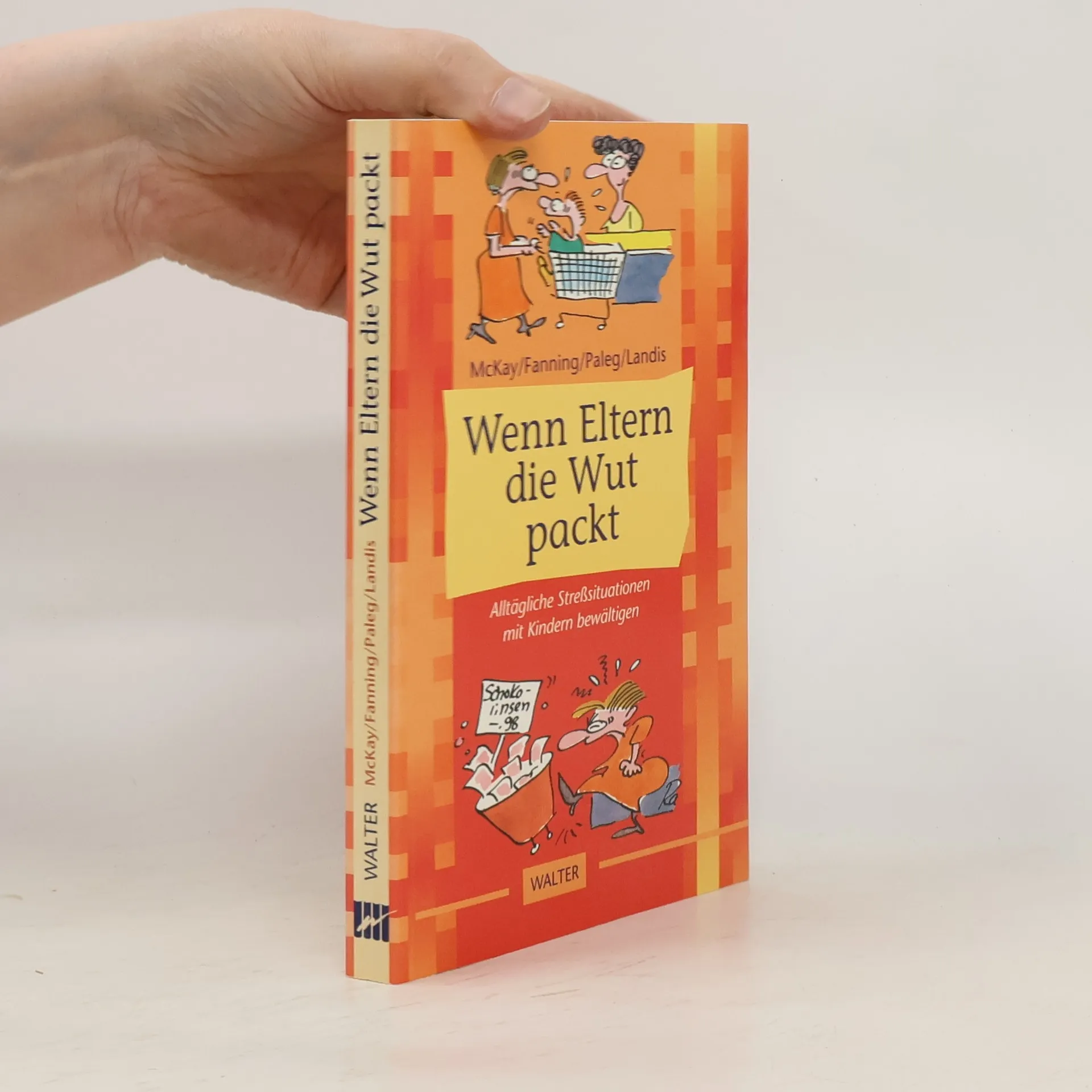
Mit Schlägen zu strafen ist in vielen Familien verbreitet. Und daß eine Ohrfeige nie schade, ist noch immer ein gängiger Erziehungsgrundsatz. Tatsache ist aber auch, daß ein Zusammenhang besteht zwischen Gewalterfahrung in der Kindheit und Gewaltausübung im Erwachsenenleben. Basierend auf einer umfangreichen Studie beschreibt dieses Buch die ganz normale Wut, die Eltern packt, und wie sie lernen können, damit umzugehen. Eingängig und Schritt für Schritt führt es von einer Analyse dessen, was da eigentlich zwischen Eltern und Kind passiert, zu Lösungen, die sich im alltäglichen Leben gut umsetzen lassen. Es bietet einen Vorschlag für ein Wut-Tagebuch, Kataloge von Fragen, die man sich selbst beantworten muß, und entwickelt daran anknüpfend systematisch Ratschläge zur Verhaltensänderung.
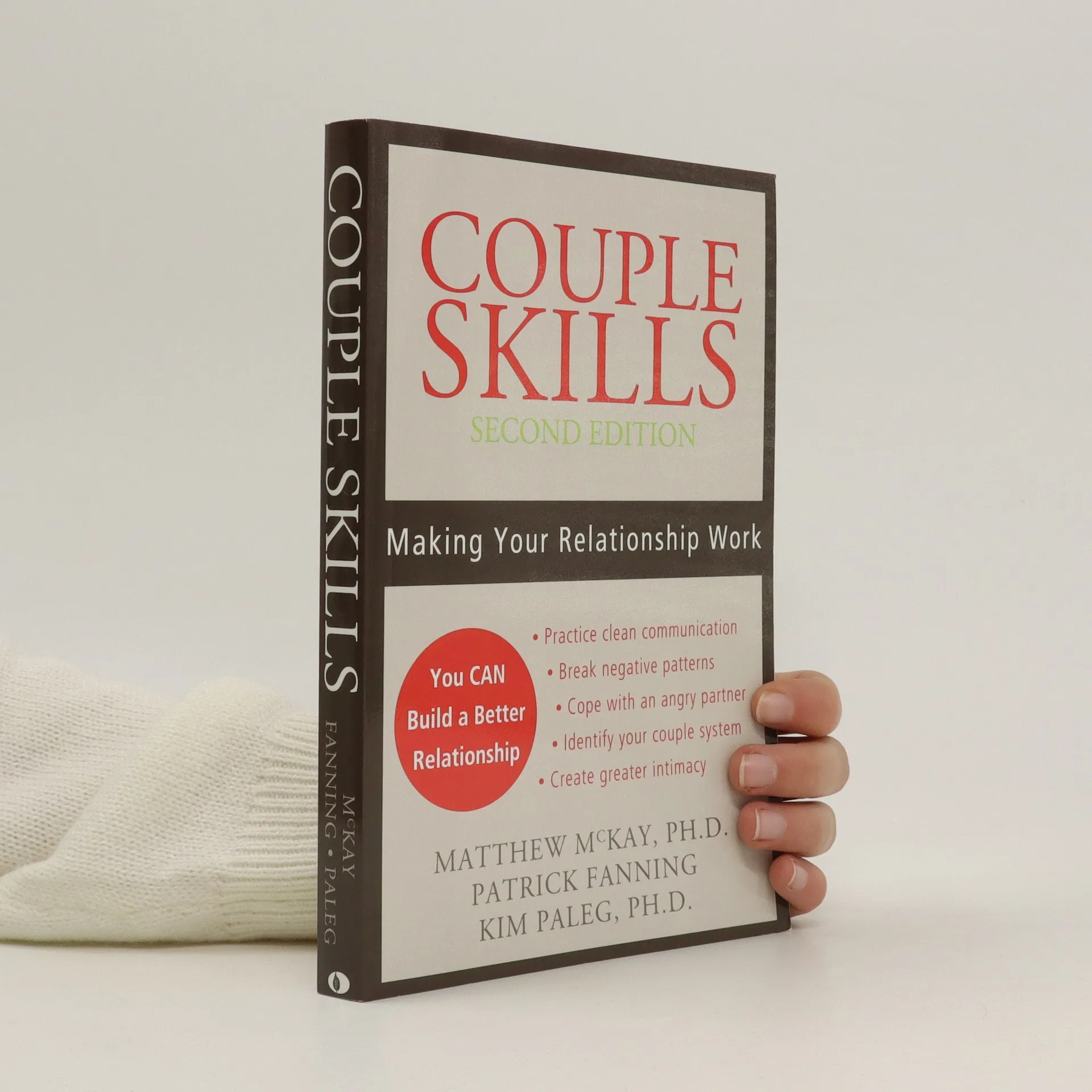
Love takes work, but, when it comes to relationships, it pays to work smarter. Couple Skills, Second Edition, revised and updated from the therapist-recommended classic, will show you how to work smarter in your relationship. You'll learn to improve communication, cope better with problems, and resolve conflicts with the one you love in healthy and creative ways. Each chapter teaches you an essential skill that supports greater relationship satisfaction and deeper intimacy.New to this edition is a chapter on using acceptance skills, developed from the revolutionary new acceptance and commitment therapy (ACT). These new approaches will help you to accept your partner's feelings (and your own emotions) without judgment. Using these techniques will help you decide what you really value in your relationship and then commit to acting in ways that further those values every day.