

Imagine a Crow Indian elder, his wise eyes meeting yours in the flickering firelight, sharing mesmerizing stories from Custer to World War II and beyond. Over 90 years old, he is the last traditional chief of his people, yet he lectures at colleges and addresses the United Nations on peace. This is the remarkable life of Joseph Medicine Crow, born as Winter Man and trained as a warrior by his grandfather, Yellowtail. He undergoes the intense "counting coup" ceremony, facing fierce combat against a Sioux boy. A hospital operation forces him to confront his deepest fears: a Sioux, a ghost, and a white man. Excelling in the white man's school and raised in the Baptist faith, he becomes a vital link to the ancient traditions of the pre-reservation generation, translating the stories of elder chiefs. His own dramatic and humorous tales, rich with Crow legends, are passed down through storytelling. Joseph's pursuit of a doctorate was interrupted by World War II, where he earned the status of War Chief by completing the four war deeds of the Crow warrior on the battlefields of Germany. In 1948, he was appointed the Tribal Historian and Anthropologist by the Crow Tribal Council. This vibrant adventure narrative brings Native American history and culture to life, illuminating the challenges faced by the Crow people amidst profound change. Joseph Medicine Crow's story and its lessons are a vital legacy for all.
Herman J. Viola Reihenfolge der Bücher (Chronologisch)
Dr. Herman J. Viola ist Kurator emeritus am National Museum of Natural History des Smithsonian, spezialisiert auf die Geschichte des amerikanischen Westens. Seine Arbeit befasst sich mit dem Austausch von Pflanzen, Tieren und Krankheiten zwischen der Alten und der Neuen Welt nach den Entdeckungsreisen und mit den Erfahrungen der amerikanischen Ureinwohner. Viola konzentriert sich darauf, einzigartige Geschichten und Perspektiven in der Geschichte aufzudecken, um die unbekannten Aspekte wichtiger Ereignisse zu enthüllen. Seine Schriften bieten den Lesern eine tiefe Erkundung dieser fesselnden Themen.

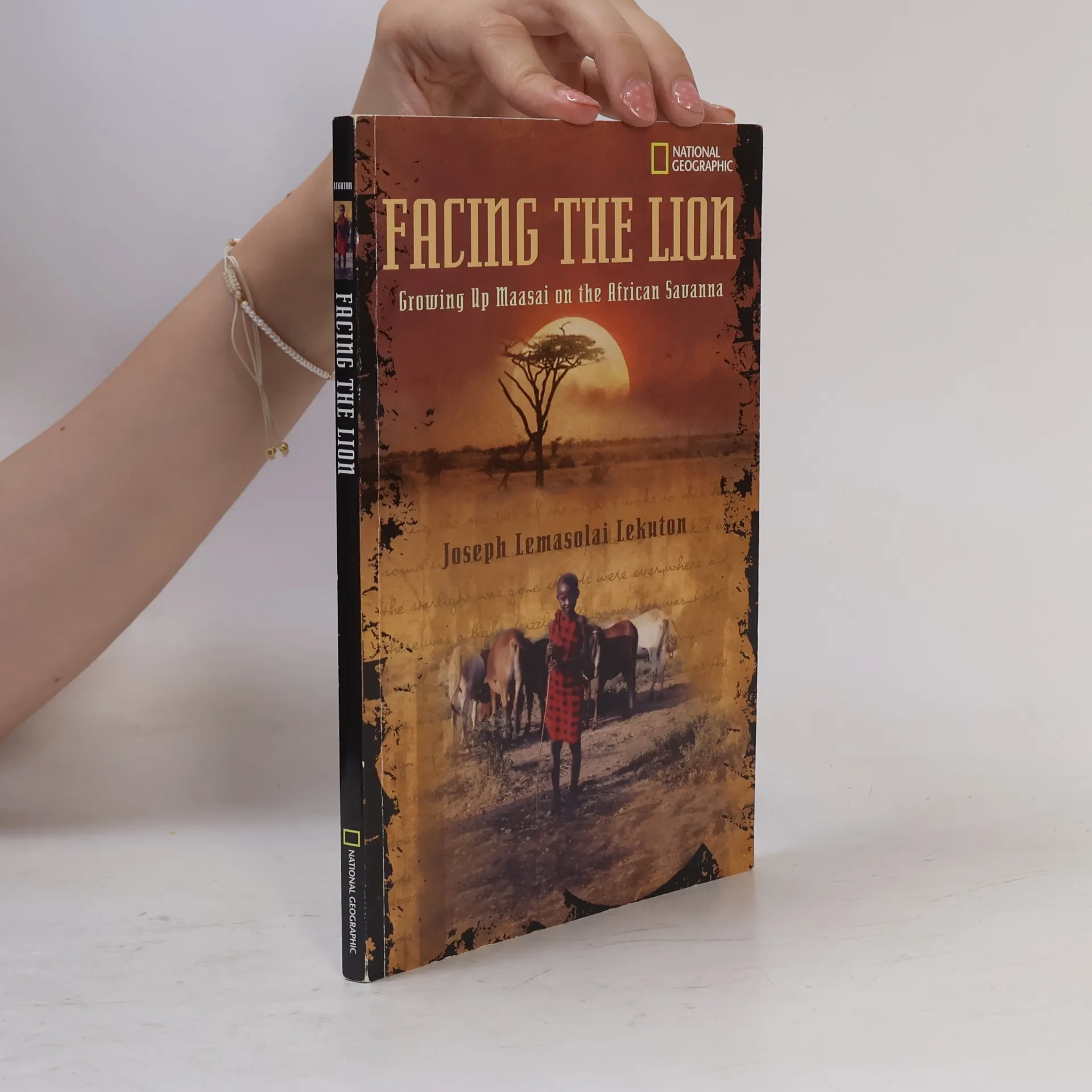
Joseph Lemasolai Lekuton gives American kids a first-hand look at growing up in Kenya as a member of a tribe of nomads whose livelihood centres on the raising and grazing of cattle.
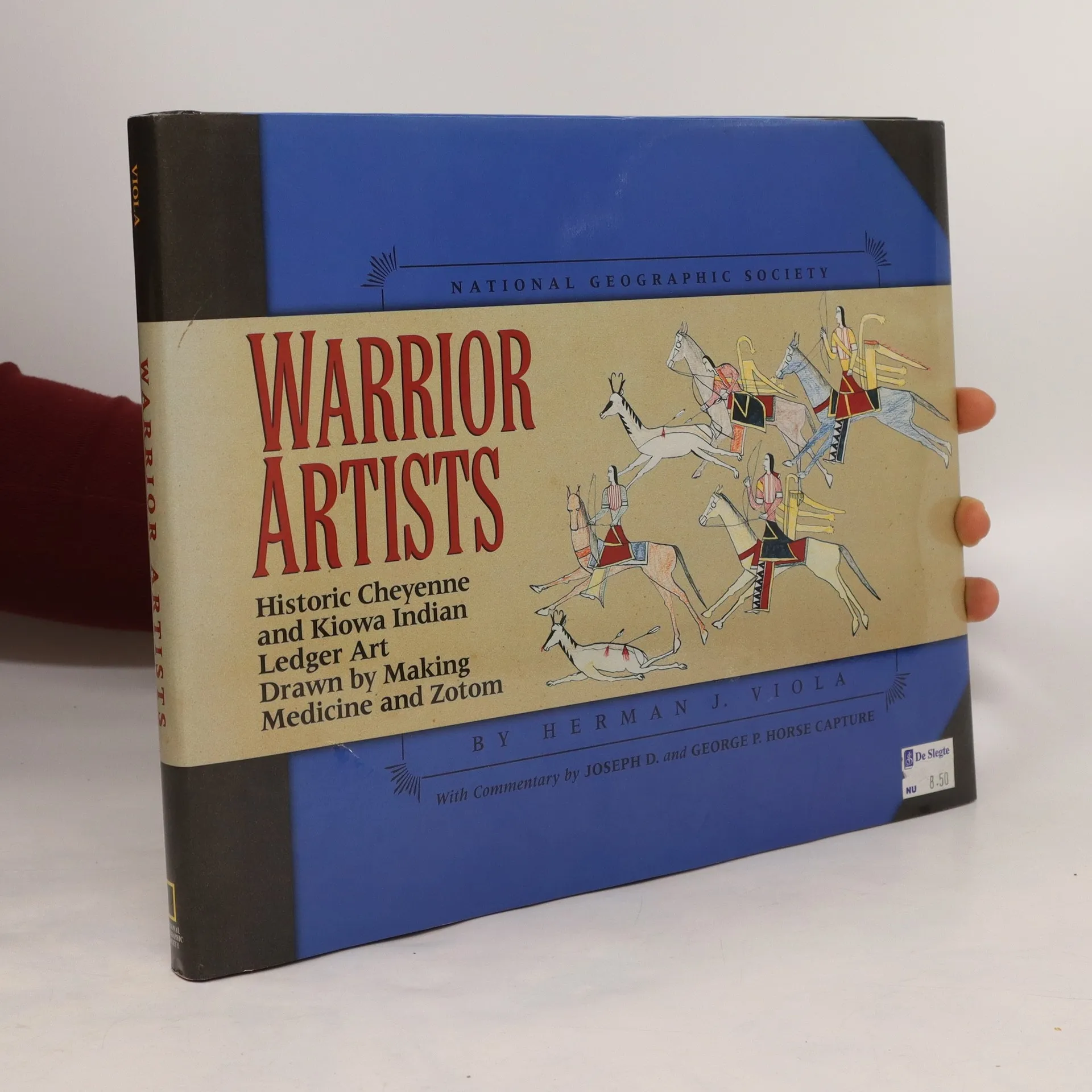
An artistic community unique in American history flourished in St. Augustine, Florida, between 1875 and 1878. Some 70 Plains Indians, imprisoned for their refusal to accept life on the reservations, produced an extraordinary body of work that chronicled their history, their lives, and their experience of exile from the freedom so central to their heritage. Called "ledger art" after the large lined books that in most cases were the first form of paper they used, these remarkable pencil and ink depictions are vivid evocations of a poignant chapter in American history.A superbly annotated reproduction of one such ledger, originally presented to the Commissioner of Indian Affairs in the late 19th century, Warrior Artists presents more than 50 eloquent drawings by two of the finest practitioners of this traditional narrative art.
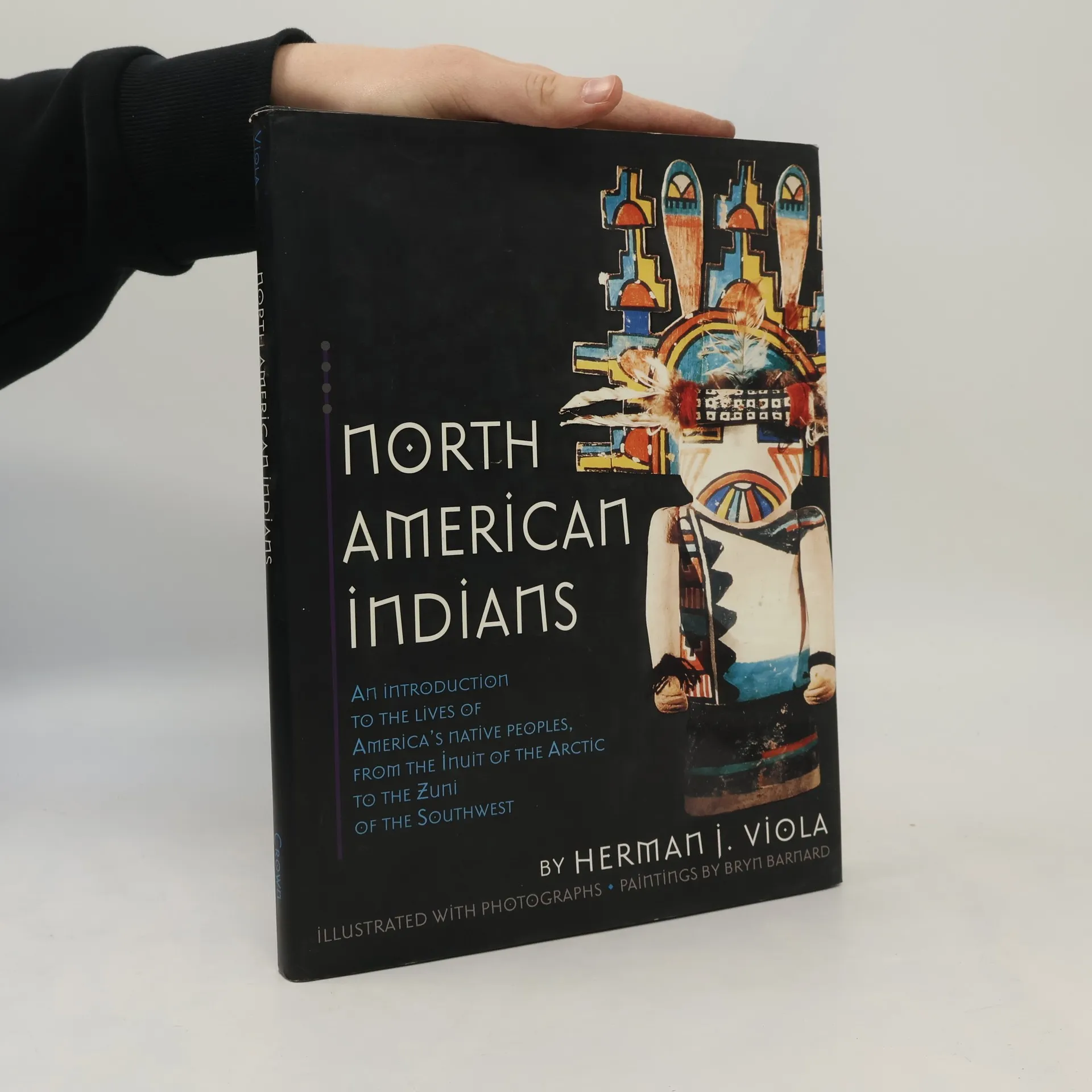
North American Indians
An Introduction to the Lives of America's Native Peoples, from the Inuit of the Arctic to the Zuni of the Southwest
- 128 Seiten
- 5 Lesestunden
Illustrated in full color, with full-color & black-and-white photographs and maps. Each chapter of this striking survey of Native American life begins in a uniquely appropriate with a dramatic, double-page painting showing the dwelling of a particular tribe. From a Zuni adobe pueblo to an Iroquois communal long house, paintings introduce the reader to the book's eight chapters covering the continent's eight regions and offer a comprehensive examination of the lifestyles of North America's native peoples. This splendid reference volume is enhanced by six essays by Native American contributors about their life today--a valuable feature that places the historical material in a contemporary context. A glossary, resource-guide sidebars on such topics as "how to read" a totem pole and the introduction of horses to North America, and over one hundred paintings, color photographs, and maps ensure that this book will rise above all others in bringing to life the world of the American Indian.
"Here is...one of the most important books in modern times on Indian-white relations." ---Western Historical Quarterly "Dr. Viola has...provided us with what will undoubtedly be the last word on the topic." ---American Indian Quarterly "Diplomats in Buckskins is loaded with historical fact, but this does not make it dry reading. Beyond being extremely entertained we can be educated by a work that tells us a lot more about ourselves as a nation. We are a people of so many origins. It gives perspective to know that a part of us once negotiated with another part as separate and soverign nations." ---Minnesota History "This volume is a soundly-represented and imaginative study of the delegations of tribal representatives who visited Washington largely between 1800 and 1900....The diligence with which Dr. Viola pursued his research has enabled him to write a most rewarding book which captures the agonies and pleasures, successes and defeats, and humor and pathos of the delegates as they conferred with Washington's sympathetic bur mostly patronizing and diffident bureaucracy." ---Journal of the West
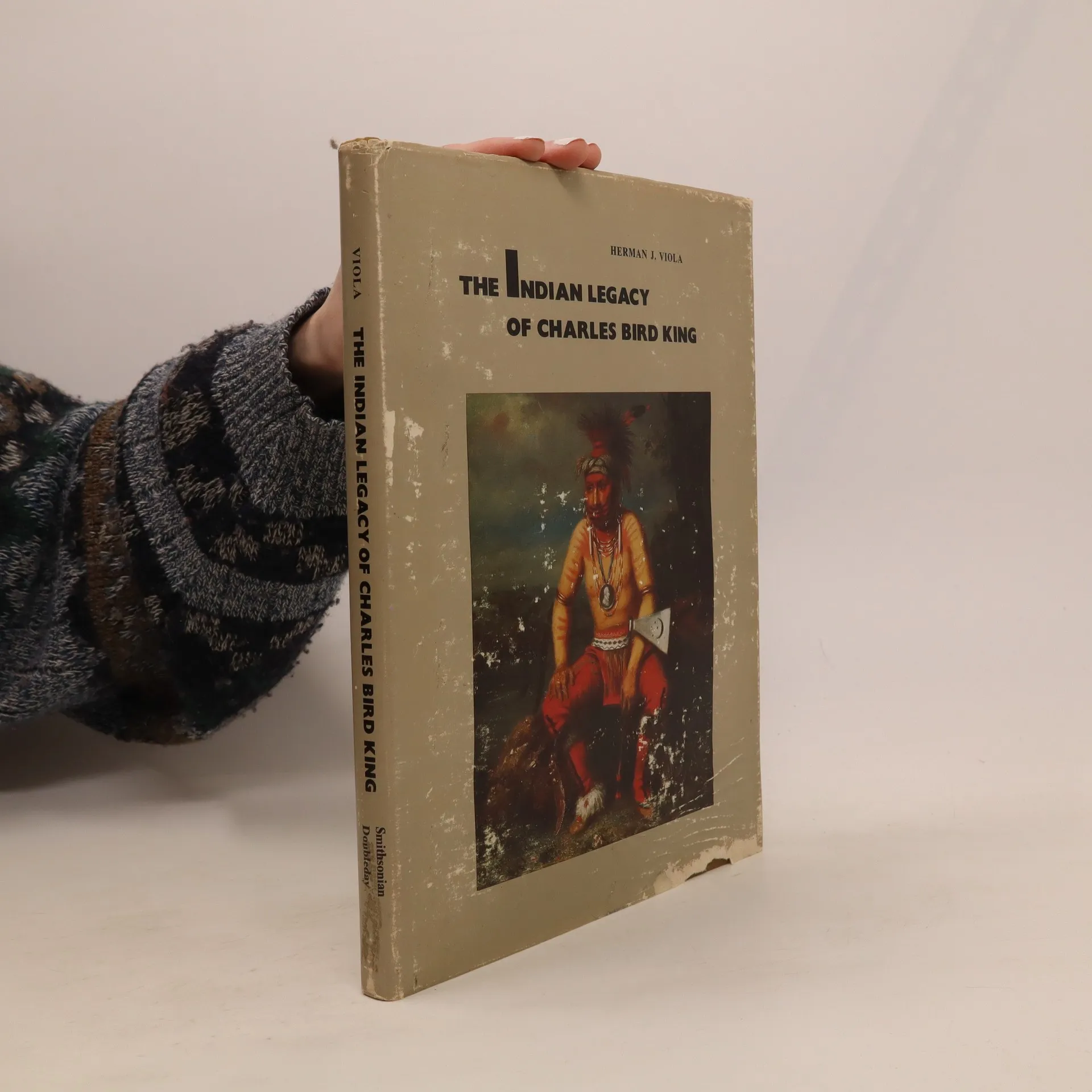
The Indian Legacy of Charles Bird King
- 152 Seiten
- 6 Lesestunden