End State
- 400 Seiten
- 14 Lesestunden
An ambitious, thrilling manifesto, setting out a new relationship between the individual and the state and how we can get there


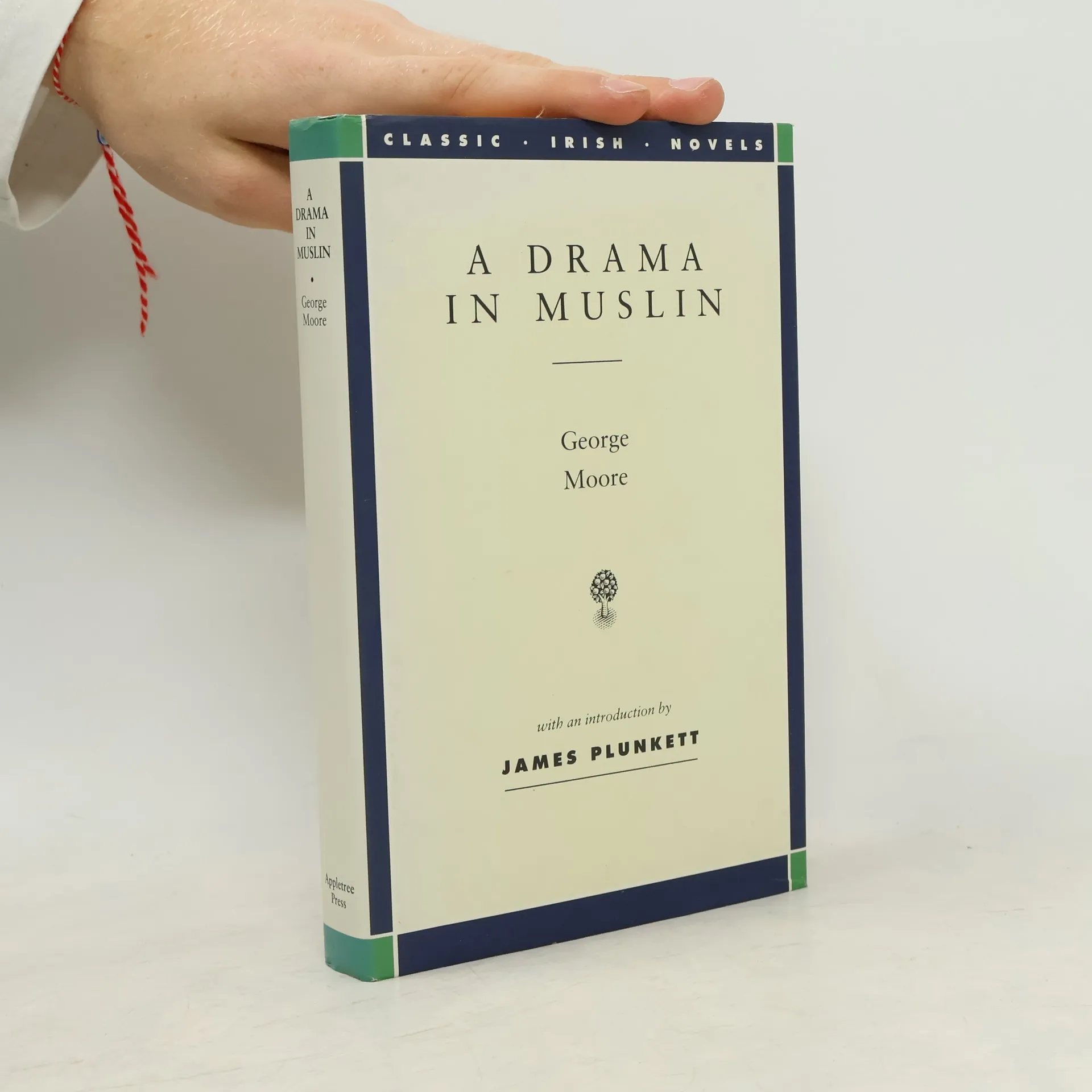
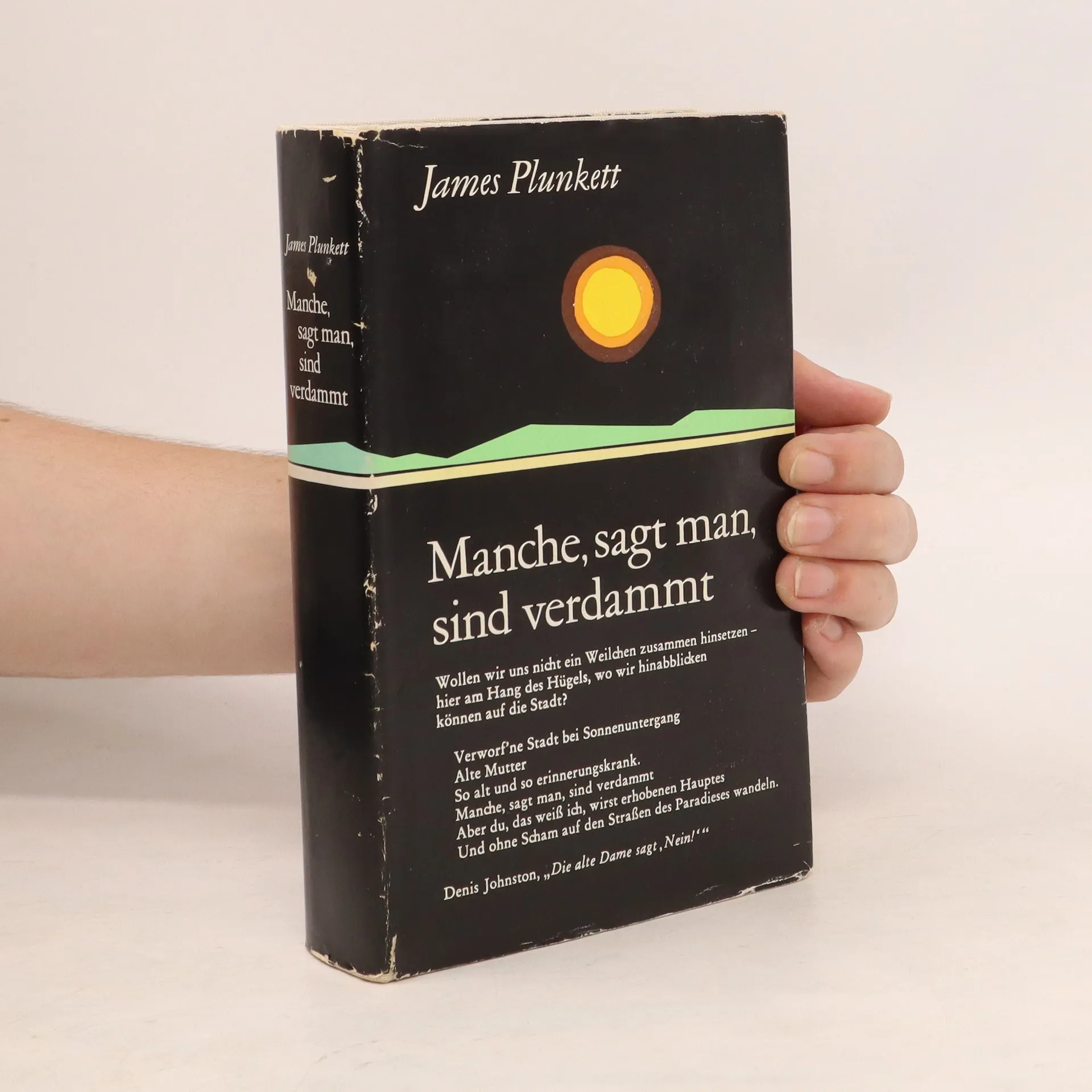
James Plunkett war ein irischer Schriftsteller, der für seine realistischen Darstellungen des Lebens der Arbeiterklasse in Dublin gefeiert wurde. Seine Werke befassen sich häufig mit Themen wie sozialer Ungerechtigkeit, Armut und menschlicher Widerstandsfähigkeit angesichts von Widrigkeiten. Plunkett fing meisterhaft die authentische Stimme und Atmosphäre der Dubliner Straßen ein und schuf Erzählungen voller fesselnder Charaktere und ergreifender Momente. Sein literarischer Beitrag liegt in seiner ehrlichen und einfühlsamen Perspektive auf das Leben einfacher Leute.

An ambitious, thrilling manifesto, setting out a new relationship between the individual and the state and how we can get there
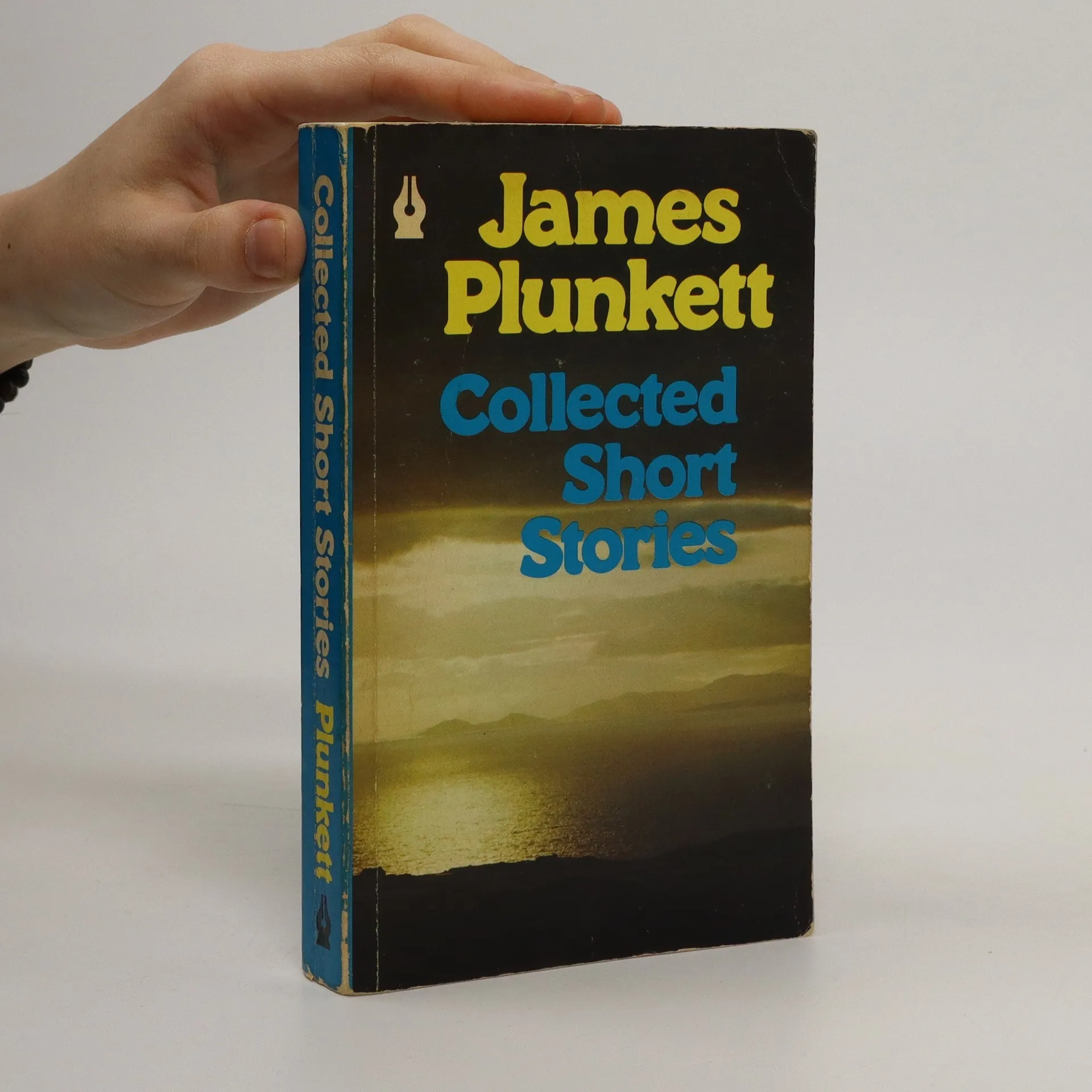
This collection looks at the years of innocence, the pains and pleasures of schooldays and the struggles of adolescence in stories by such writers as Seamus Heaney, Roddy Doyle, Flann O'Brien, William Trevor, Bryan MacMahon, Samuel Beckett, Neil Jordan, Sean O'Faolain, Edna O'Brien, Brian Friel, Maeve Binchy, Brendan Behan and many more.
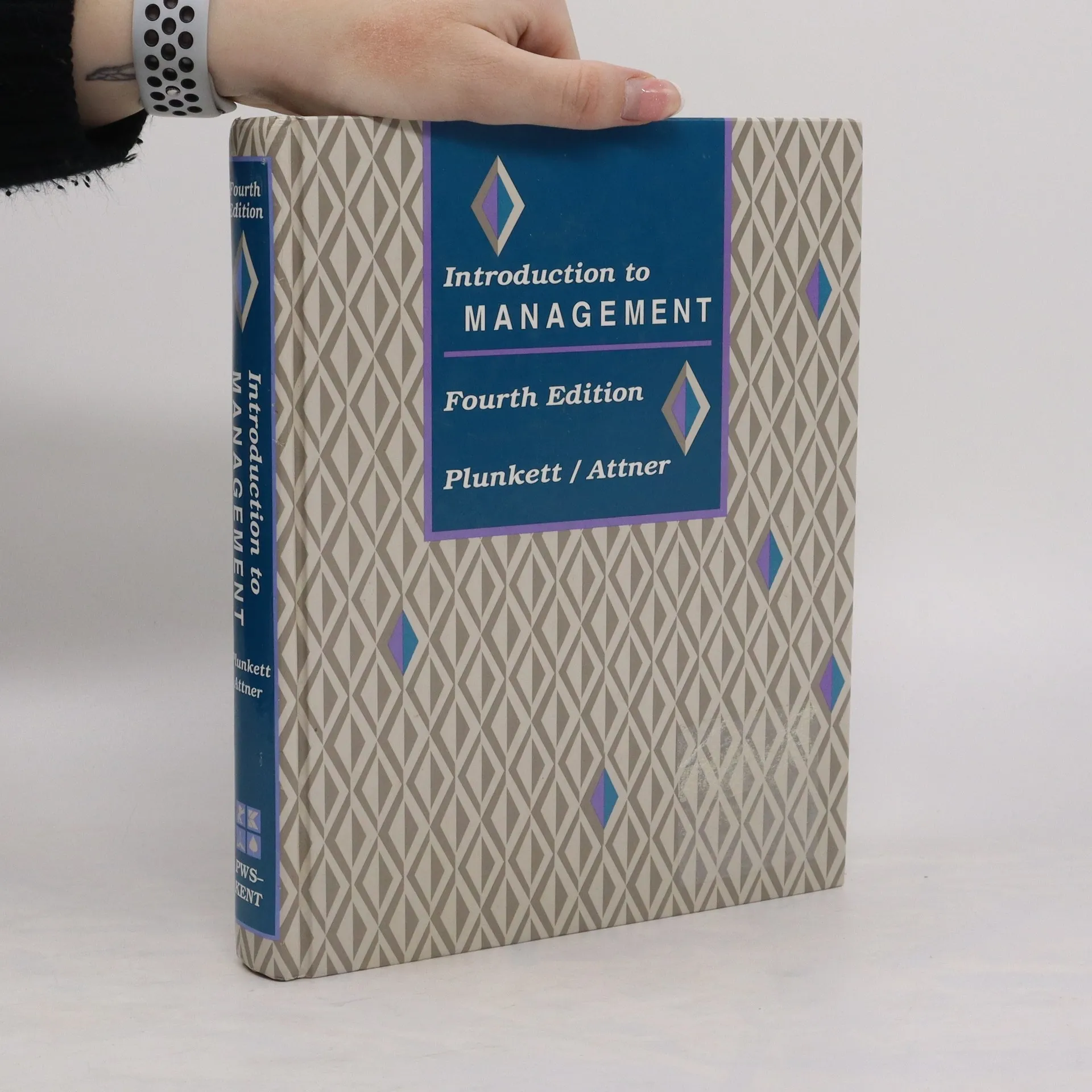
The latest look at corporate culture, planning, and all other functions of business as the apply to both large and small companies in the United States and globally.
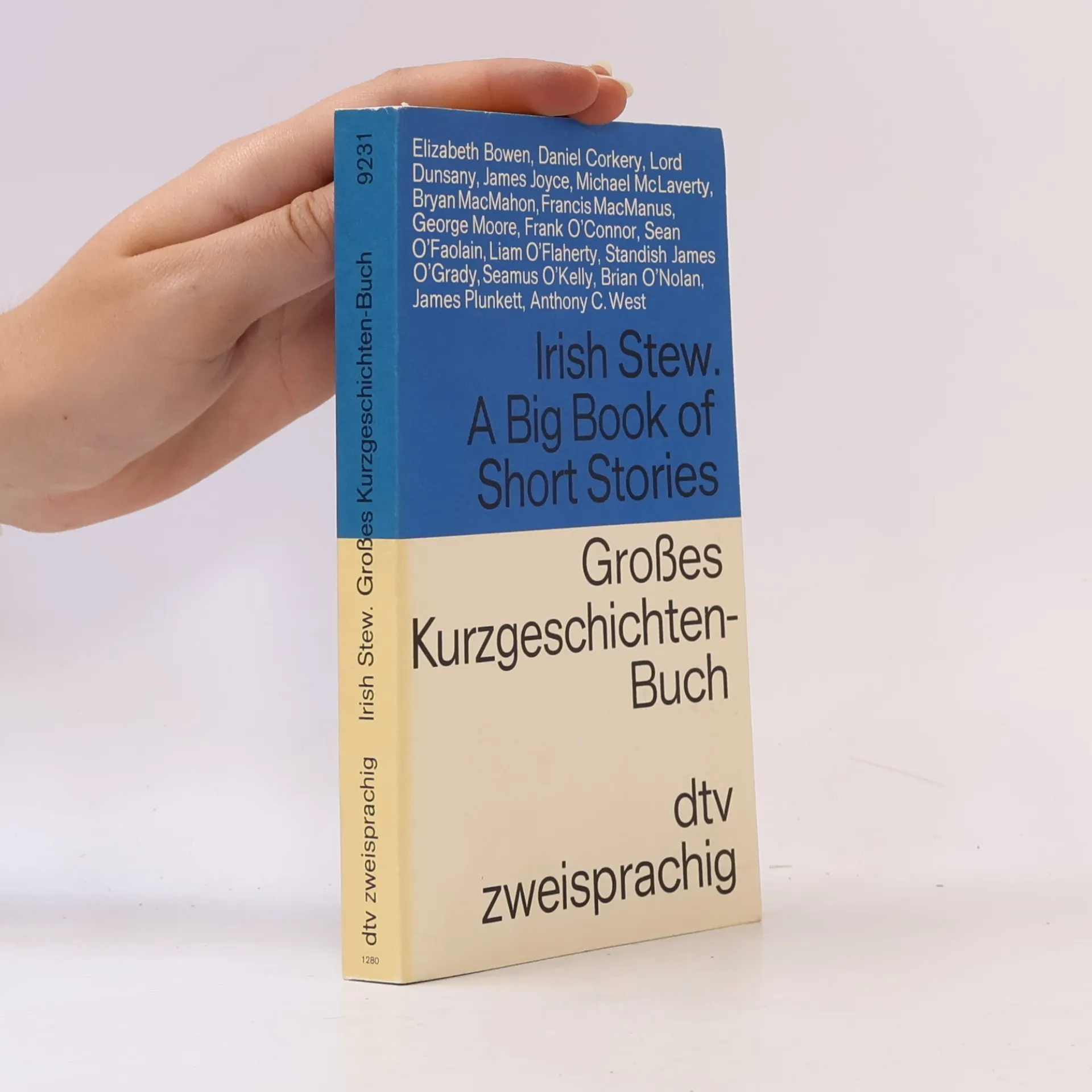
A Big Book of Short Stories / Großes Kurzgeschichtenbuch. English-German.
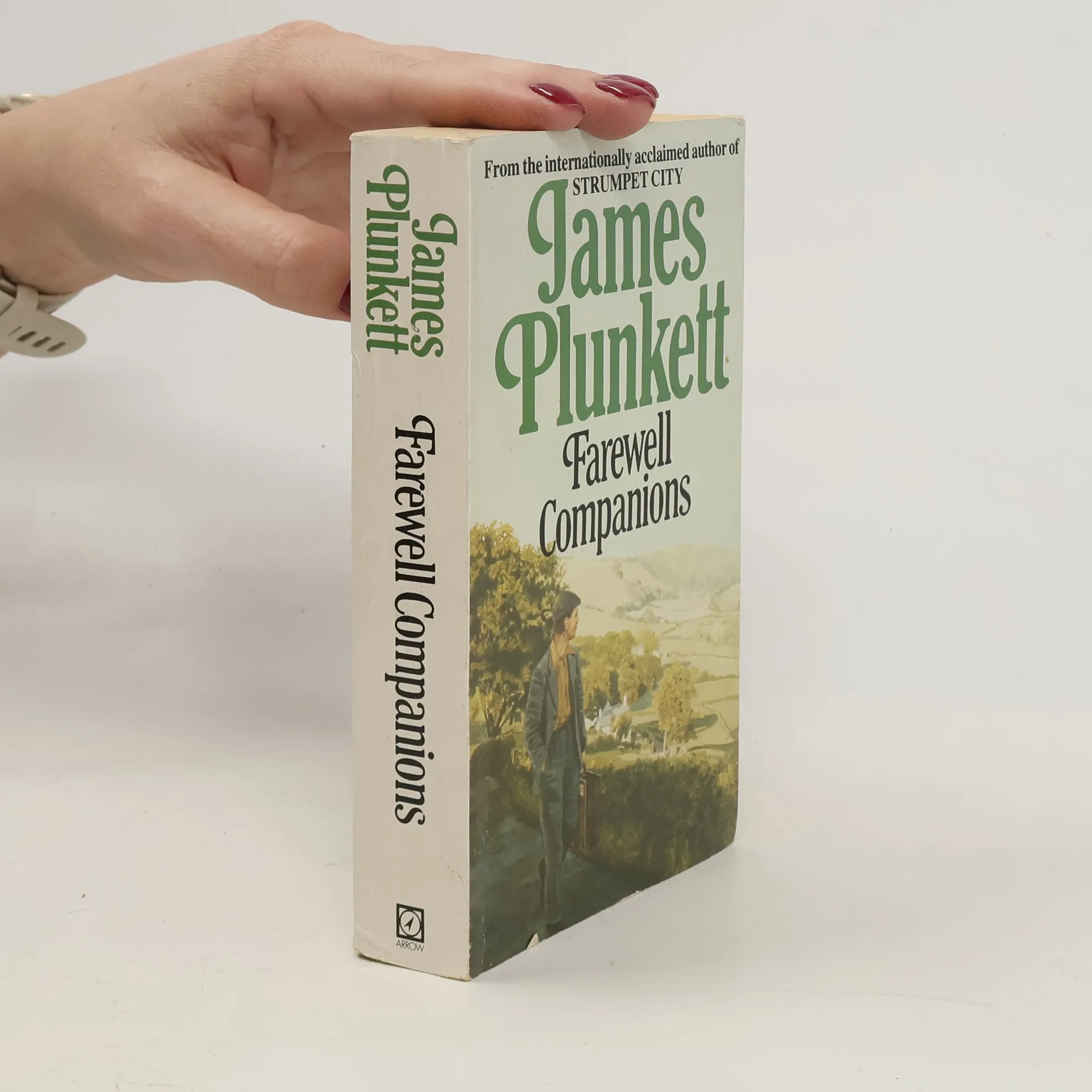
"James Plunkett's long-awaited second novel is a haunting evocation of the poignancy and pathos of Irish life between the wars." Back cover comment.
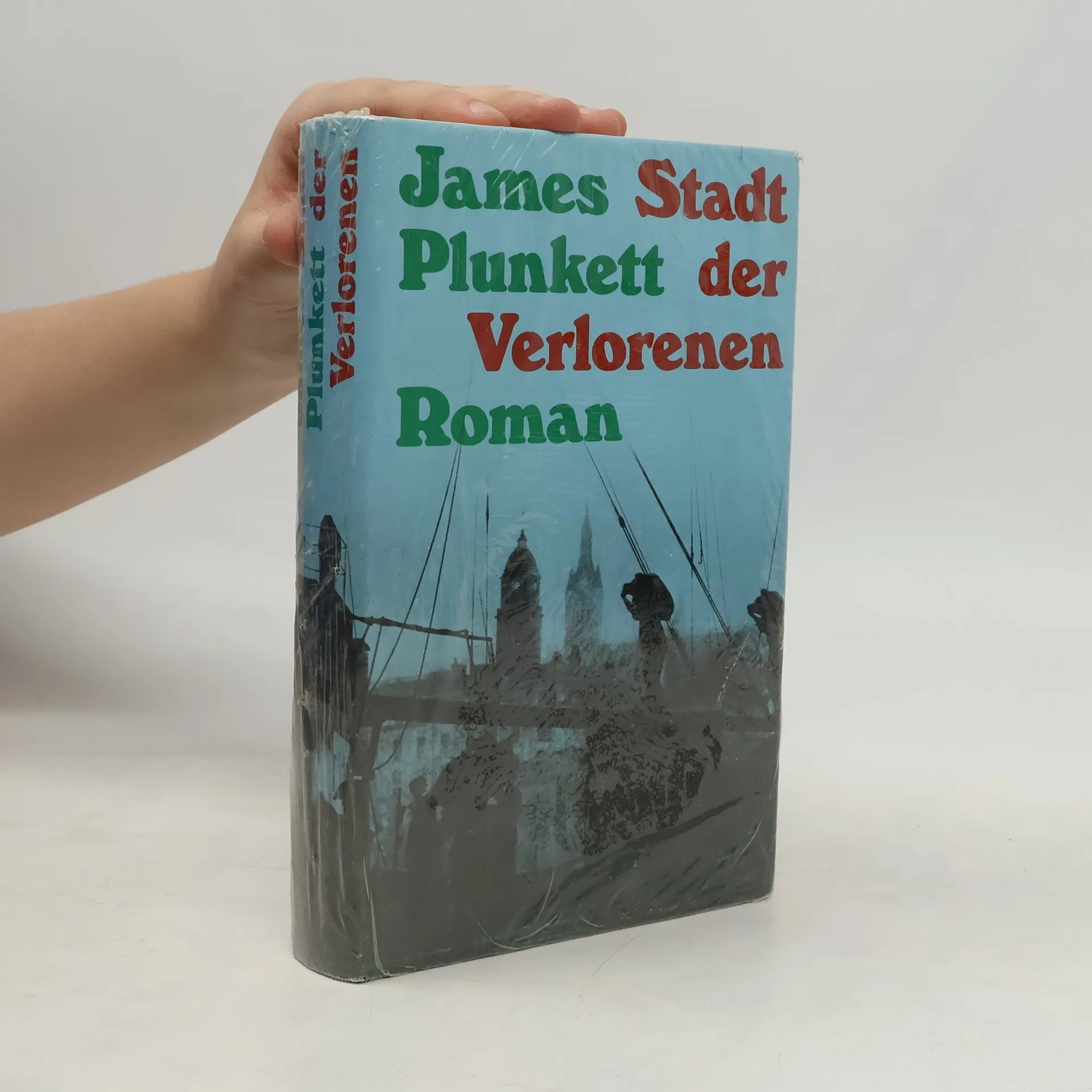
Im Mittelpunkt des Romans steht der bedeutende Streik von 20.000 Arbeitern in Dublin im Jahr 1913, der ein breites Spektrum des Stadtlebens umfasst. Von der Notlage des Rashers Tierney bis zur soliden, aufstrebenden Anständigkeit von Fitz und Mary, dem priesterlichen Leben von Father O'Connor und der Welt der Oberschicht, repräsentiert durch Yearling und die Bradshaws, zeichnet das Werk ein Porträt einer Stadt voller starker Kontraste, in der die städtische Arbeiterklasse in erbarmungsloser Armut gefangen ist.