

Nicht wenige Menschen leiden unter Angststörungen und erleben dadurch eine große Einschränkung ihrer Lebensqualität. Doch was passiert in unserem Gehirn, wenn wir Angst oder Panik verspüren? Angstgefühle haben ihren Ursprung in zwei der Amygdala und der Hirnrinde. Basierend auf aktuellsten neurowissenschaftlichen Forschungsergebnissen zeigt dieses Buch, wie Ängste im Gehirn entstehen und wie man mit bestimmten Übungen sein Gehirn »umprogrammieren« und der Entstehung von Ängsten an der Quelle entgegenwirken kann.
Catherine M. Pittman Bücher


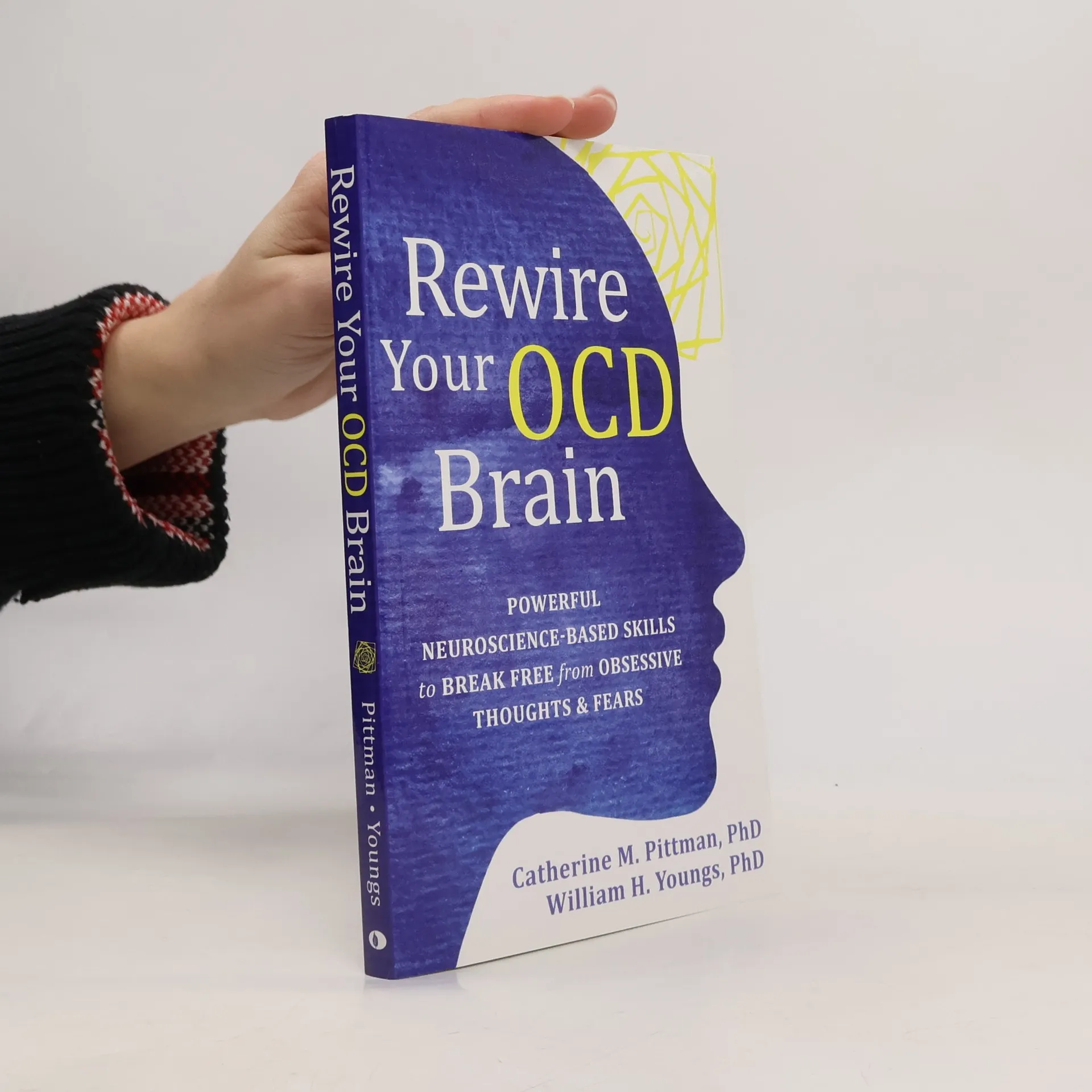

Rewire Your OCD Brain
- 216 Seiten
- 8 Lesestunden
Rewire the brain processes that cause obsessions and compulsions--and take back your life! If you've ever wondered why you seem to get trapped in an endless cycle of obsessive, compulsive thoughts, you don't have to wonder anymore. Grounded in cutting-edge neuroscience and evidence-based cognitive behavioral therapy (CBT), Rewire Your OCD Brain will show you how and why your brain gets stuck in a loop of obsessive thinking, uncertainty, and worry; and offers the tools you need to short-circuit this response and get your symptoms under control--for good. Written by clinical psychologist Catherine Pittman and clinical neuropsychologist William Youngs, this groundbreaking book will show how neurological functions in your brain lead to obsessions, compulsions, and anxiety. You'll also find tons of proven-effective coping strategies to help you manage your worst symptoms--including relaxation, exercise, healthy sleep habits, cognitive restructuring, cognitive defusion, distraction, and mindfulness. The brain is powerful, and the more you work to change the way you respond to obsessive thoughts, the more resilient you'll become. If you're ready to rewire the brain processes that lie at the root of your obsessive thoughts, this book has everything you need to get started today.
In Rewire Your Anxious Brain, a clinical psychologist offers readers a unique, evidence-based solution to overcoming anxiety based in cutting-edge neuroscience and research. In the book, readers will learn how the amygdala and cortex (both important parts of the brain) are essential players in the neuropsychology of anxiety. Using the practical self-assessments and proven-effective techniques in the book, readers will learn to "rewire" the brain processes that lie at the root of their fears.
Przeprogramuj swój sposób myślenia i zacznij żyć bez lęku! Osoby zmagające się z napadami lęku często nie zdają sobie sprawy z mechanizmów jego powstawania. Neuronauka precyzyjnie wskazuje, że lęk rodzi się w ciele migdałowatym, które odpowiada za reakcje „walcz lub uciekaj”, oraz w korze mózgowej, związanej z myśleniem i zamartwianiem się. Współczesna wiedza o budowie mózgu umożliwia przejęcie nad nim kontroli. Autorki przedstawiają sprawdzone strategie walki z lękiem oparte na najnowszych badaniach neuronauki. Zrozumiale omawiają, jak lęk powstaje w mózgu i pokazują, jak wykorzystać te informacje w praktyce. W książce znajdują się ćwiczenia i wskazówki, które uczą rozpoznawania i eliminowania objawów paniki, wyciszania lęku przed zaśnięciem oraz modyfikowania negatywnych schematów myślowych, co pozwala odzyskać panowanie nad życiem. Publikacja wyróżnia się na tle innych książek samopomocowych, oferując przystępne wyjaśnienia dotyczące funkcjonowania mózgu. Dzięki temu poradnikowi odkryjesz tajemnice strachu, fobii i paniki, a także poznasz strategie zwiększające odporność psychiczną. Autorki, Catherine Pittman i Elizabeth M. Karle, dzielą się zarówno wiedzą naukową, jak i osobistymi doświadczeniami związanymi z zaburzeniami lękowymi.