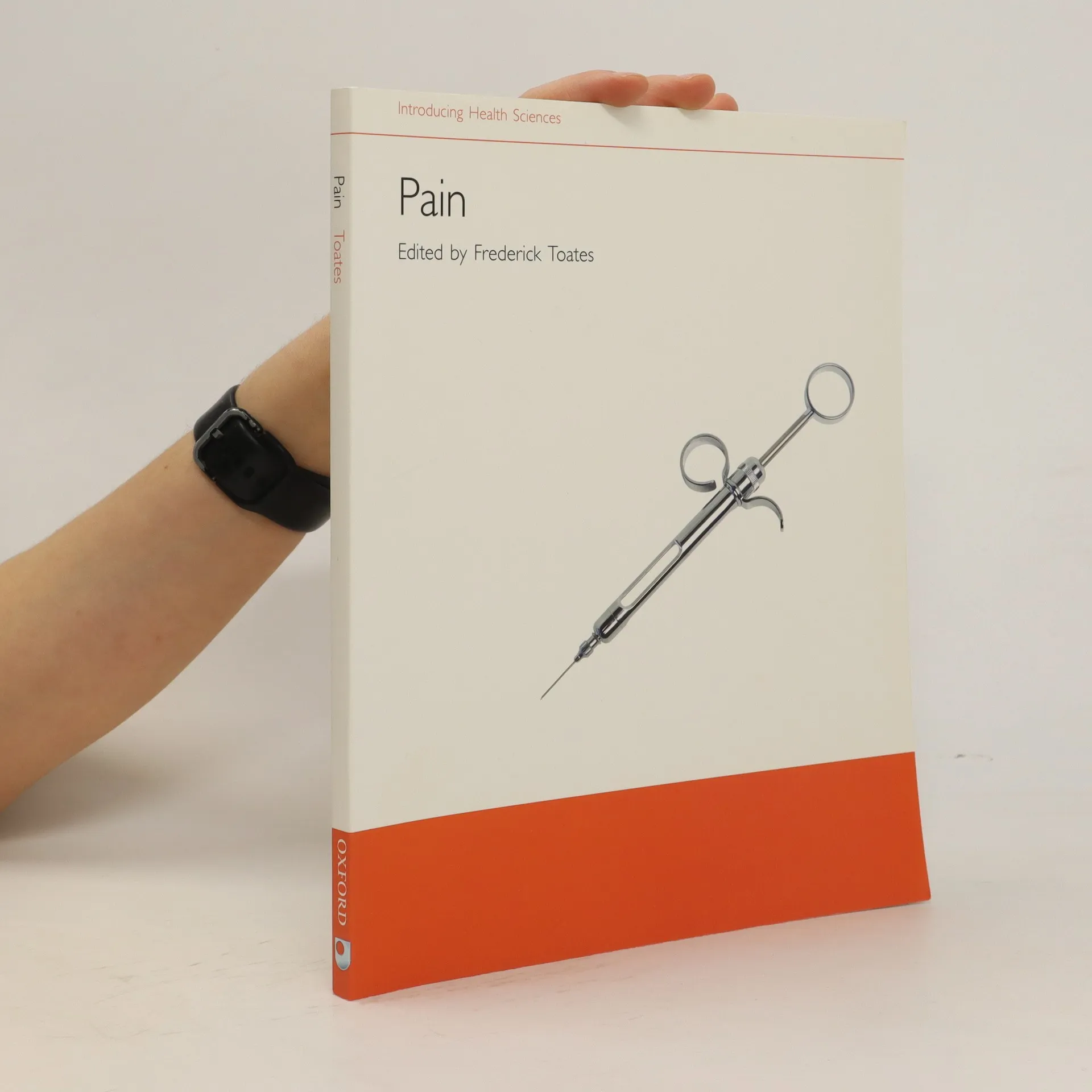
Pain integrates biology and psychology to study, as its central focus, the roots of pain in the nervous system and how pain is treated. It includes an account of placebos and cognitive therapies, the harmful effects of the patient making catastrophic interpretations, and the pain of social rejection.
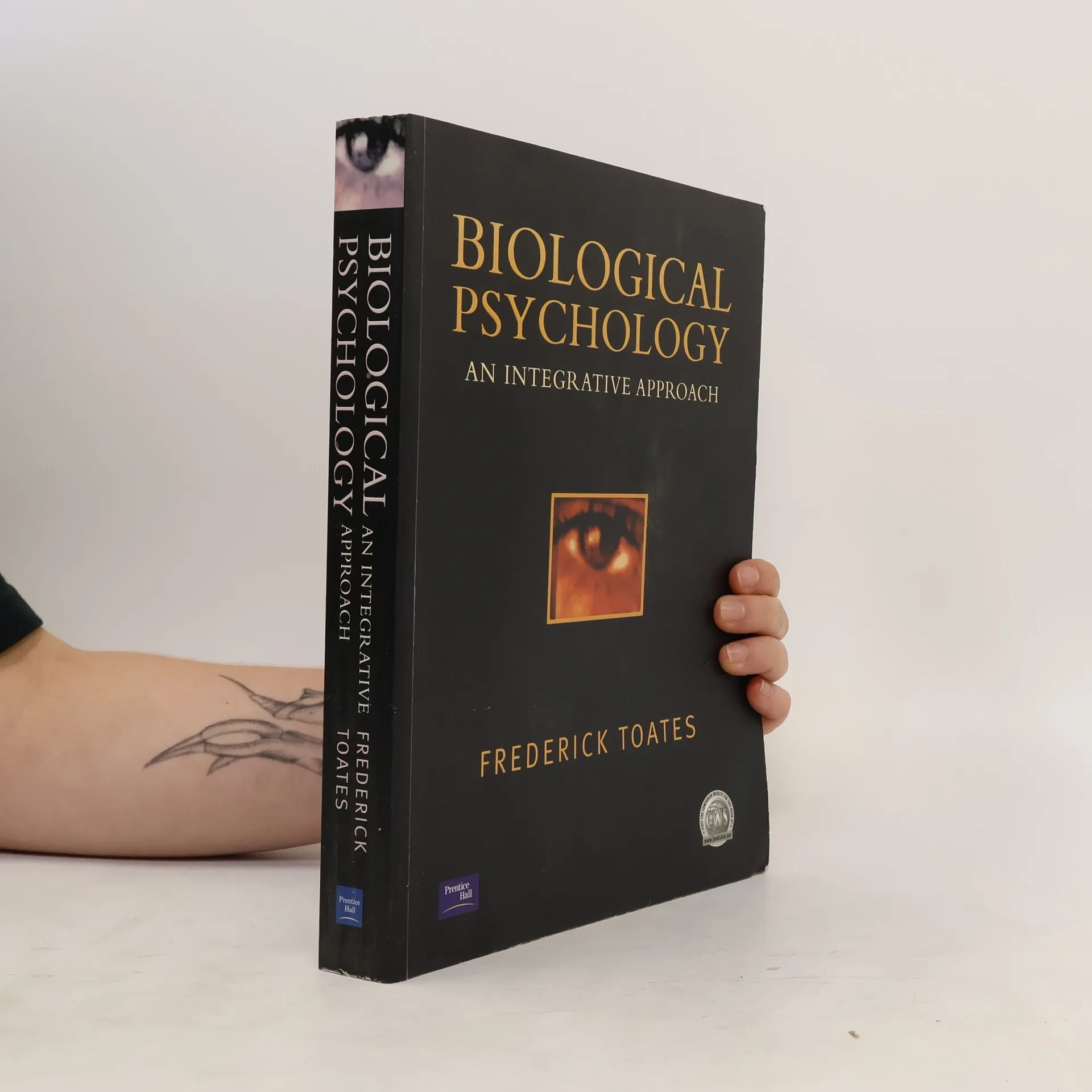
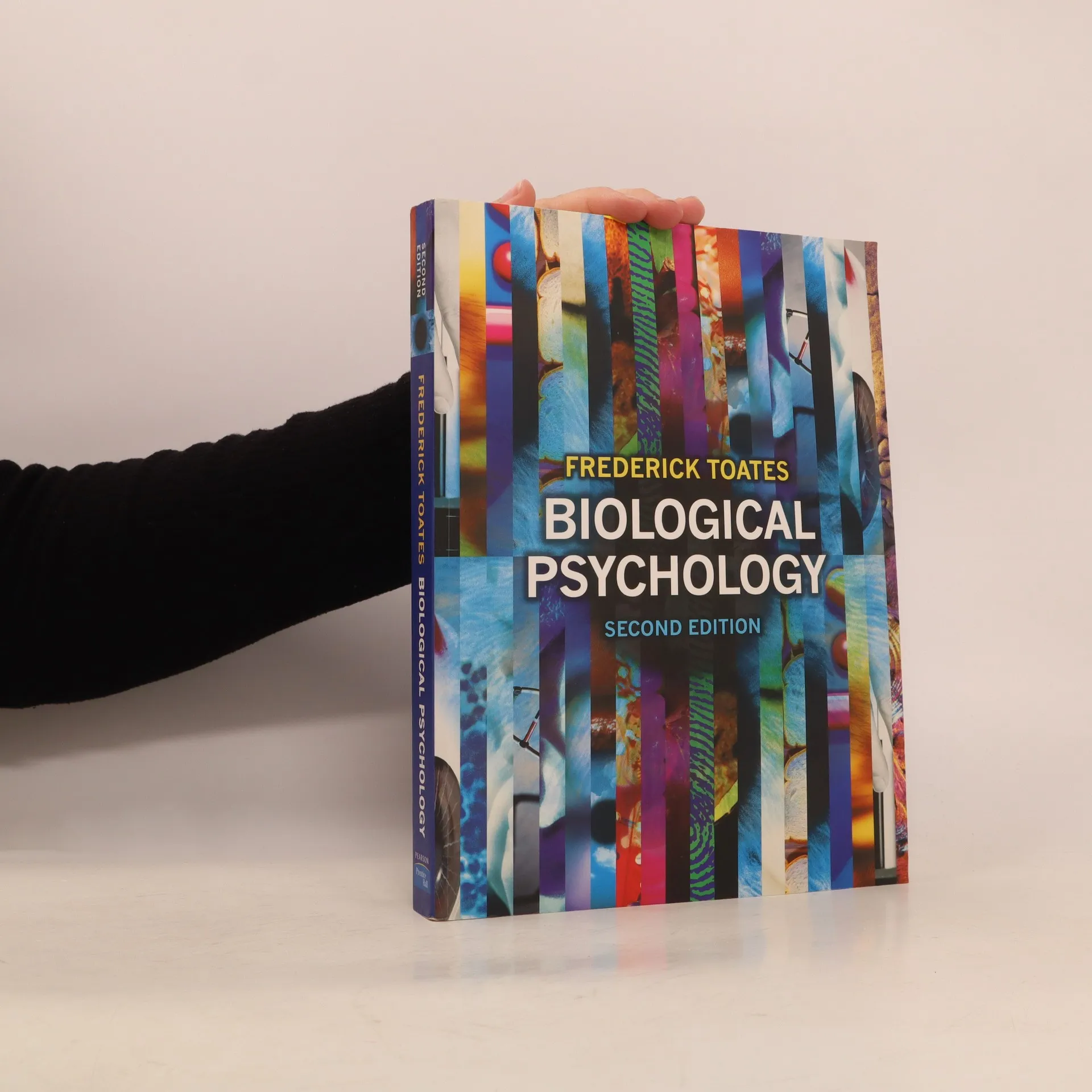
By weaving examples and themes from the social sciences with an introduction into the scientific concepts, 'Biological Psychology' provides readers with a foundation necessary for understanding this field.
Behaviour, Psychobiology and Introduction to Neuroscience at the undergraduate level which assumes no prior understanding of science. The first four-colour European entrèe in this market. In a visually appealing format, this text approaches the material from an "integrative approach" to help students see the big picture and how such aspects of the brain as neurotransmission and neuroanatomy relate to "real" psychological topics such as emotion, language and learning, sexual behaviour, anxiety, aggression, recovery from brain damage, depression, and pain. The book focuses on the structures and function of brain anatomy first, then introduces the resulting behaviours. By weaving examples and themes from the Social sciences with a solid introduction into the scientific concepts the book's narrative captures students' excitement and provides them with a foundation necessary for optimum understanding of this dynamic field of psychology. Using state of the art colour illustrations, concepts are introduced and illustrated with great detail and clarity. A solid pedagogical framework throughout to guide students' learning and substantial support and technology package make this text a compelling learning and teaching tool.
This book explores sexual serial killing through the lens of motivation theory, analyzing biological, psychological, and social factors to create an integrated model of sexual killing. It presents the subject in an engaging, jargon-free manner, appealing to a broad audience.
The content is organized into three parts. Part I delves into the underlying factors of lust killing, covering topics such as individual focus, brain and mind states, contextual influences, motivations, inhibition, and the development of sex-linked killers. It also examines the connections between normality and abnormality, the thrill-seeking aspect, paraphilias, and the potential for addictive behaviors.
Part II offers biographical sketches, highlighting similarities and differences among killers, with a focus on familial influences, including the roles of mothers and wives. It discusses themes of revenge, sexual orientation, fetishes, imprinting from significant events, and various living conditions. Additionally, it addresses attachment-linked killers, desires for child victims, and issues related to sexual potency, as well as the dynamics of paired killers and the impact of drugs and addiction.
Part III concludes by synthesizing the insights gained throughout the book, providing a comprehensive understanding of the complexities surrounding sexual serial killing.