

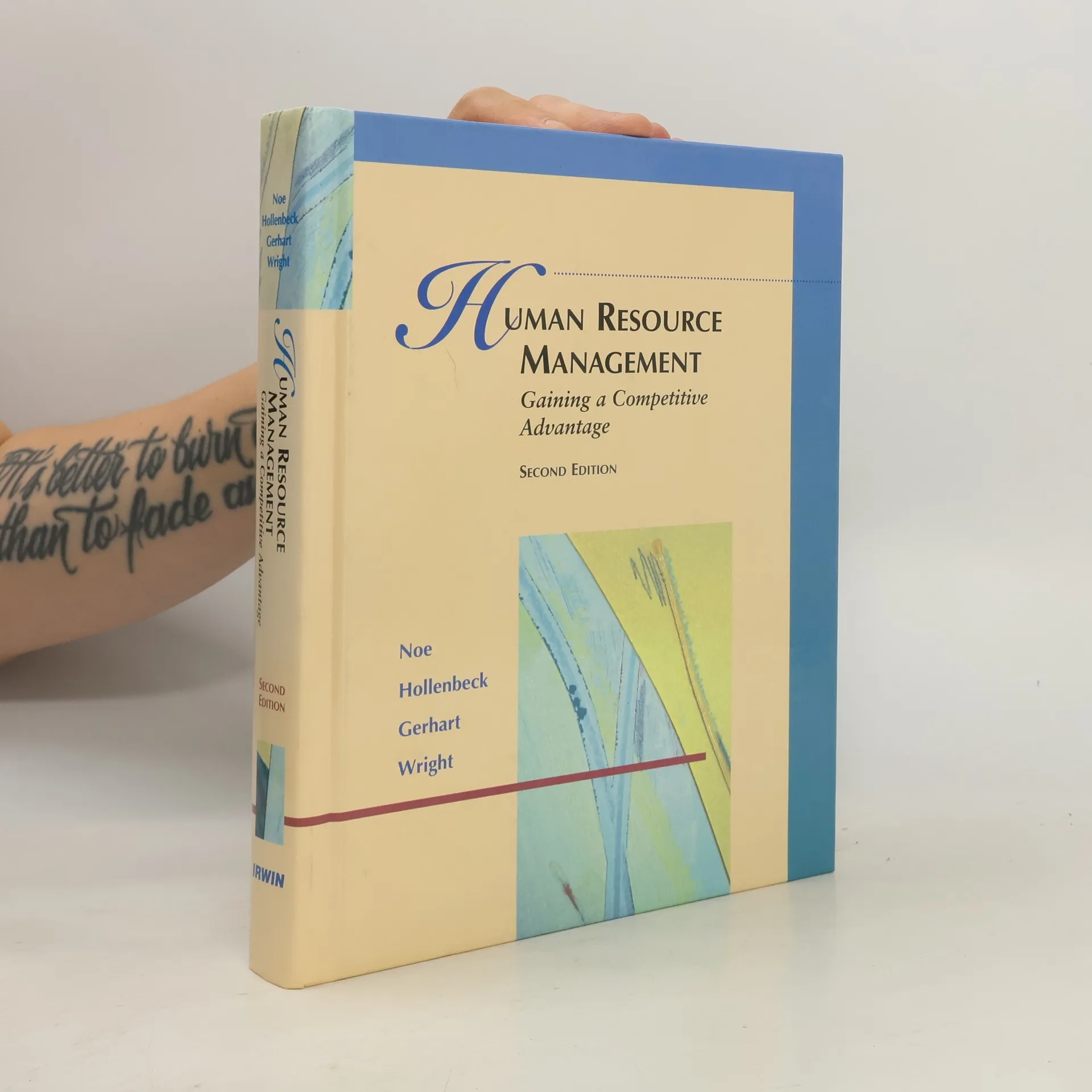
The authors of this text present the view that effective management of human resources is necessary to gain a compettitve advantage. The four challenges that they face are the global challenge, the quality challenge, the social challenge and the high performance work challenge. This text provides students with the technical background needed to be a successful HR professional. The text also emphasizes how managers can more effectively acquire, develop, compensate and manage the internal and external environment that relates to the management of human resources.
John M. Barry Bücher
John M. Barry ist ein amerikanischer Autor und Historiker, dessen Werk sich mit entscheidenden Momenten der amerikanischen Geschichte und der Gestaltung moderner gesellschaftlicher Ideale befasst. Seine Schriften untersuchen kritisch die Auswirkungen von Naturkatastrophen wie der Großen Mississippi-Flut von 1927 und der Influenza-Pandemie von 1918 und analysieren die Entwicklung von Konzepten wie die Trennung von Kirche und Staat sowie individuelle Freiheit. Barrys literarischer Ansatz zeichnet sich durch tiefgehende historische Forschung aus, die oft aufzeigt, wie diese Ereignisse und Ideen die Vereinigten Staaten geformt haben. Seine Expertise in den Bereichen Katastrophen und öffentliche Gesundheit hat ihn auch in die Politikgestaltung und Strategien zur Bewältigung von Krisen involviert und wissenschaftliche Erkenntnisse mit realen Auswirkungen verknüpft.

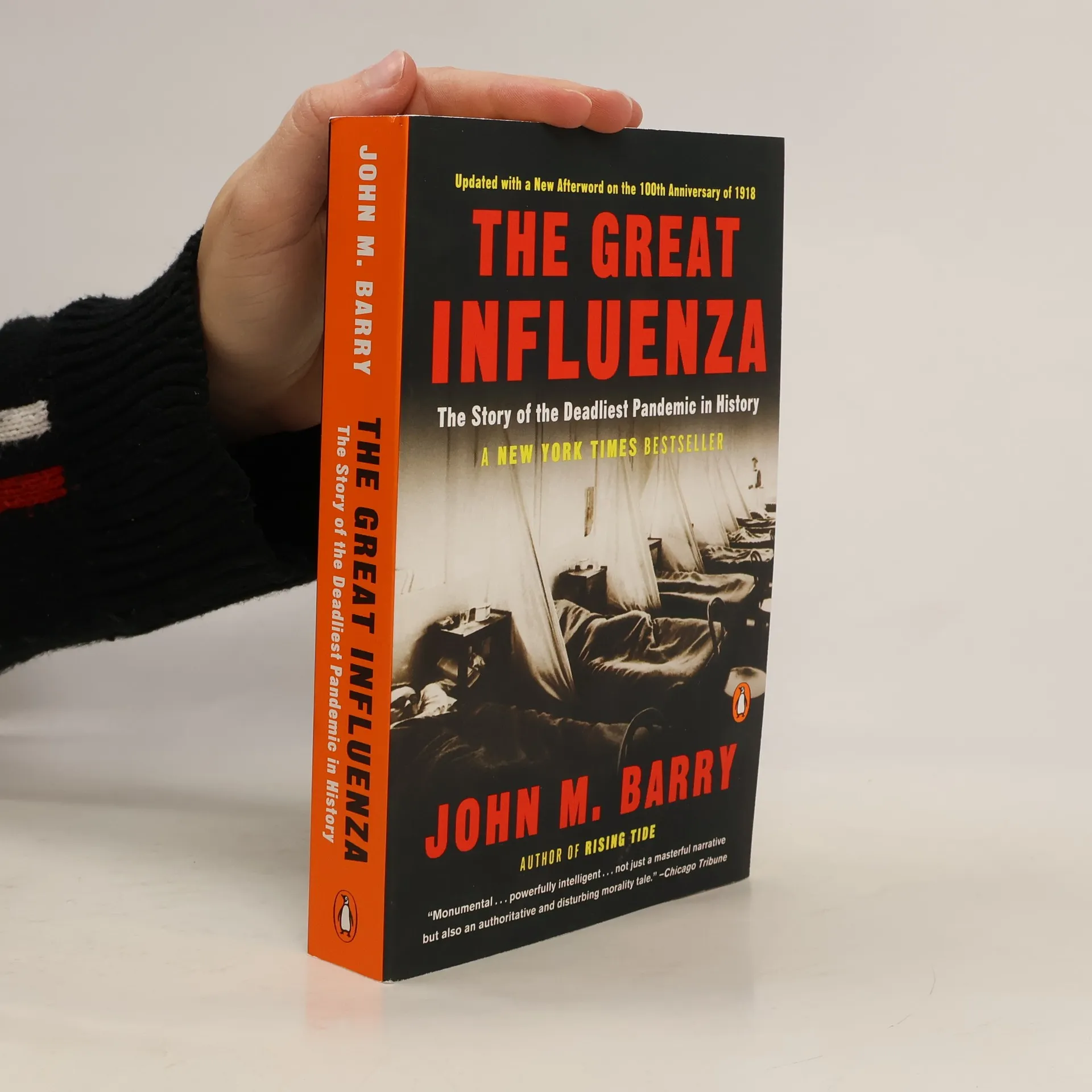
The great influenza : the story of the deadliest pandemic in history
- 546 Seiten
- 20 Lesestunden
"At the height of WWI, history's most lethal influenza virus erupted in an army camp in Kansas, moved east with American troops, then exploded, killing as many as 100 million people worldwide. It killed more people in twenty-four months than AIDS killed in twenty-four years, more in a year than the Black Death killed in a century. But this was not the Middle Ages, and 1918 marked the first collision of science and epidemic disease. Revised to reflect the growing danger of the avian flu, this is ultimately a tale of triumph amid tragedy, providing us with a precise and sobering model as we confront the epidemics looming on our own horizon."-- Provided by publisher
In an epic that "is nothing less than the story of America itself" (Wil Hygood, The Boston Globe), Barry begins in the 19th century with man's battle to control the Mississippi River and the development of a unique society in the Delta and New Orleans. The tale ends with murder, dynamited levees, and national political changes that resonate today. The 1927 flood washed away a culture, elected Huey Long governor and Herbert Hoover president, and drove hundreds of thousands of blacks north."A gripping account of the mammoth flooding of 1927 that devastated Mississippi and Louisiana and sent political shock waves to Washington...Rising Tide is a brilliant match of scholarship and investigative journalism". -- Jason Berry, Chicago Tribune