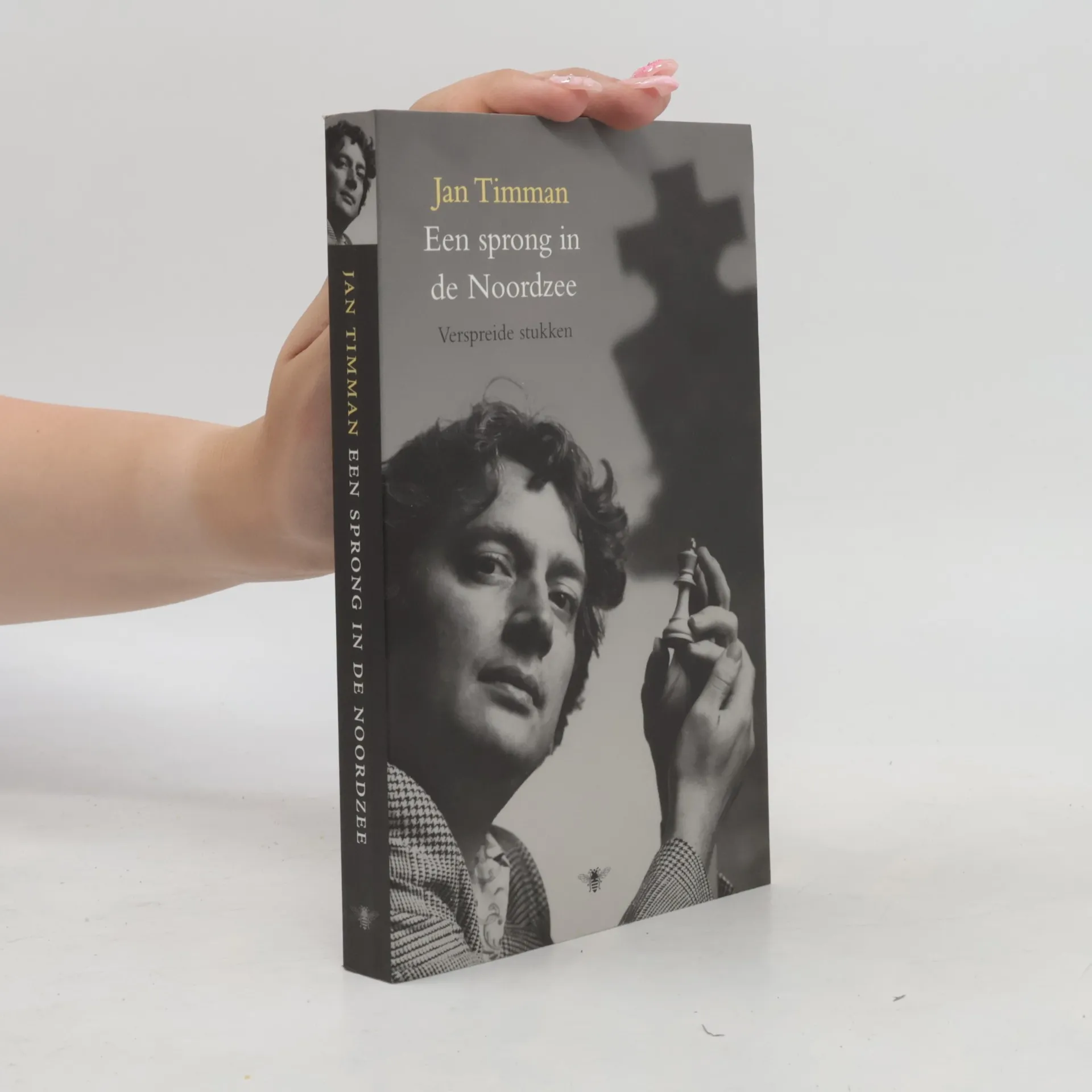
Die Kraft der Leichtfiguren
- 246 Seiten
- 9 Lesestunden



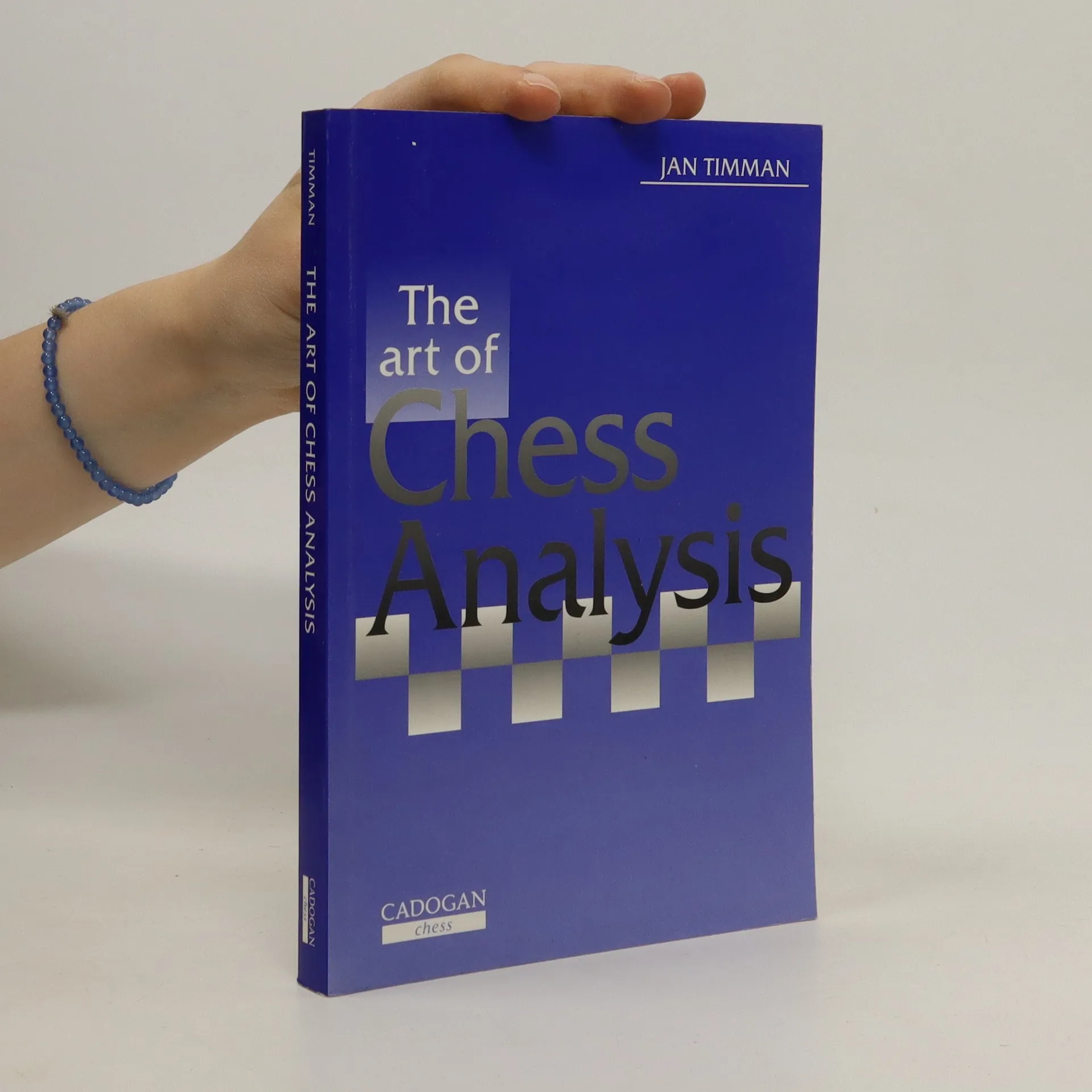
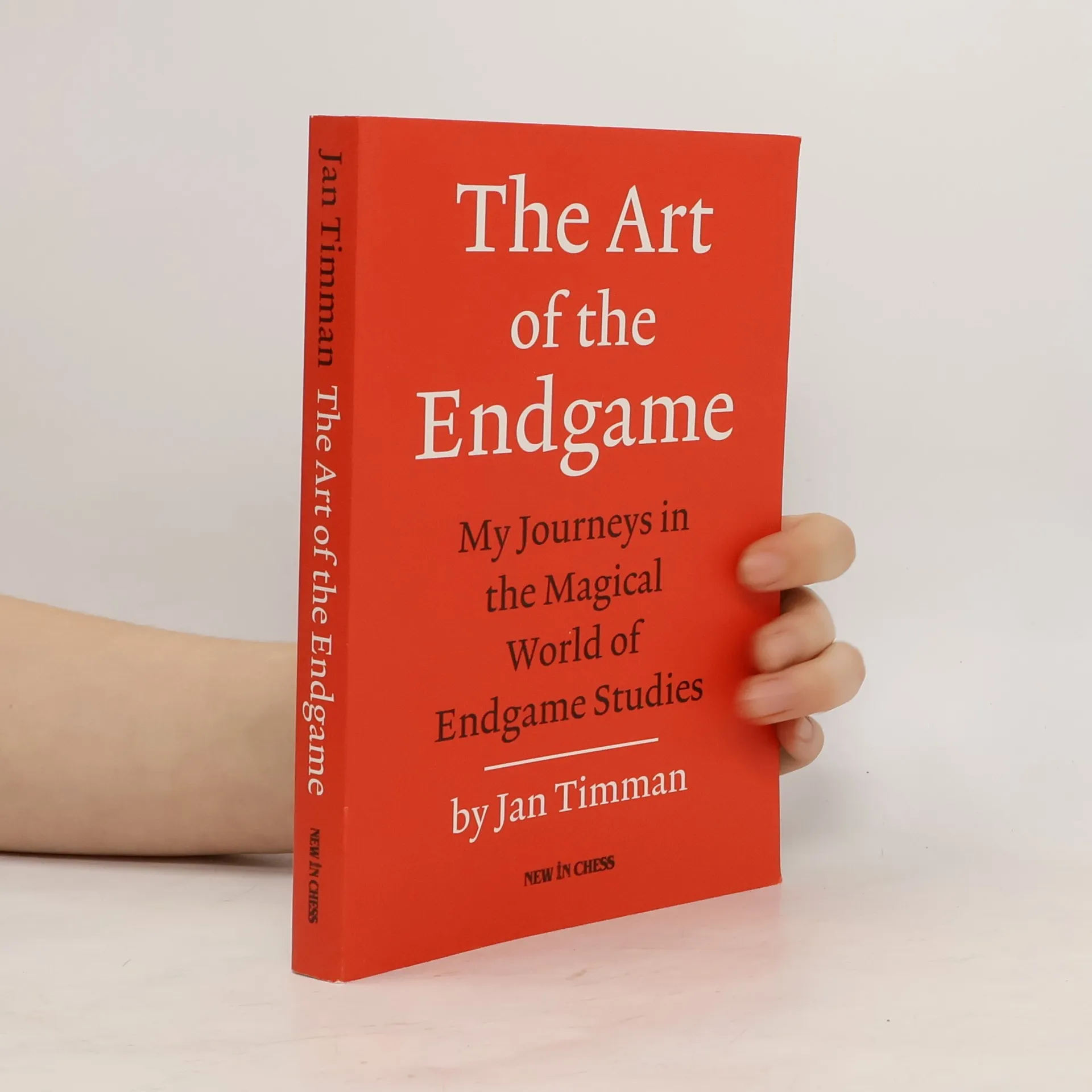

Combining beauty and practicality, the endgame study is one of the subtle wonders of the Royal Game. Training with studies is a vital part of improving your endgame technique: it develops your general understanding, your calculation skills and your resourcefulness. But endgame studies, with their elements of artistry, science and hidden beauty, are at the same time highly entertaining. Jan Timman is one of the few famous chess players who also have a distinguished career as a study composer. In The Art of the Endgame Timman has collected a magnificent selection of studies, relating how they have inspired him, and presents his own best material. This is a labor of love which is not only a must-read for specialists and a source of joy, but also a practical tool for club players who want to deepen their understanding of the endgame.
Jan Timman is one of the greatest chess players never to win the world title. For many years ‘the Best of the West' belonged to the chess elite, collecting some splendid super tournament victories. Three times Timman was a Candidate for the World Championship and his peak in the world rankings was second place, in 1982.For this definitive collection, Timman has revisited his career and subjected his finest efforts to fresh analysis supported by modern technology. The result is startling and fascinating. From the games that he chose for his Timman's Selected Games (1994, also published as Chess the Adventurous Way), only 10(!) made the cut. Some games that he had been proud of turned out to be flawed, others that he remembered as messy were actually well played.Timman's Triumphs includes wins against greats such as Karpov, Kasparov, Kortchnoi, Smyslov, Tal, Spassky, Bronstein, Larsen and Topalov. The annotations are in the author's trademark lucid style, that happy mix of colourful background information and sharp, crystal-clear explanations. Once again Jan Timman shows that he is not only one of the best players the game has seen, but also as one of the best analysts and writers.
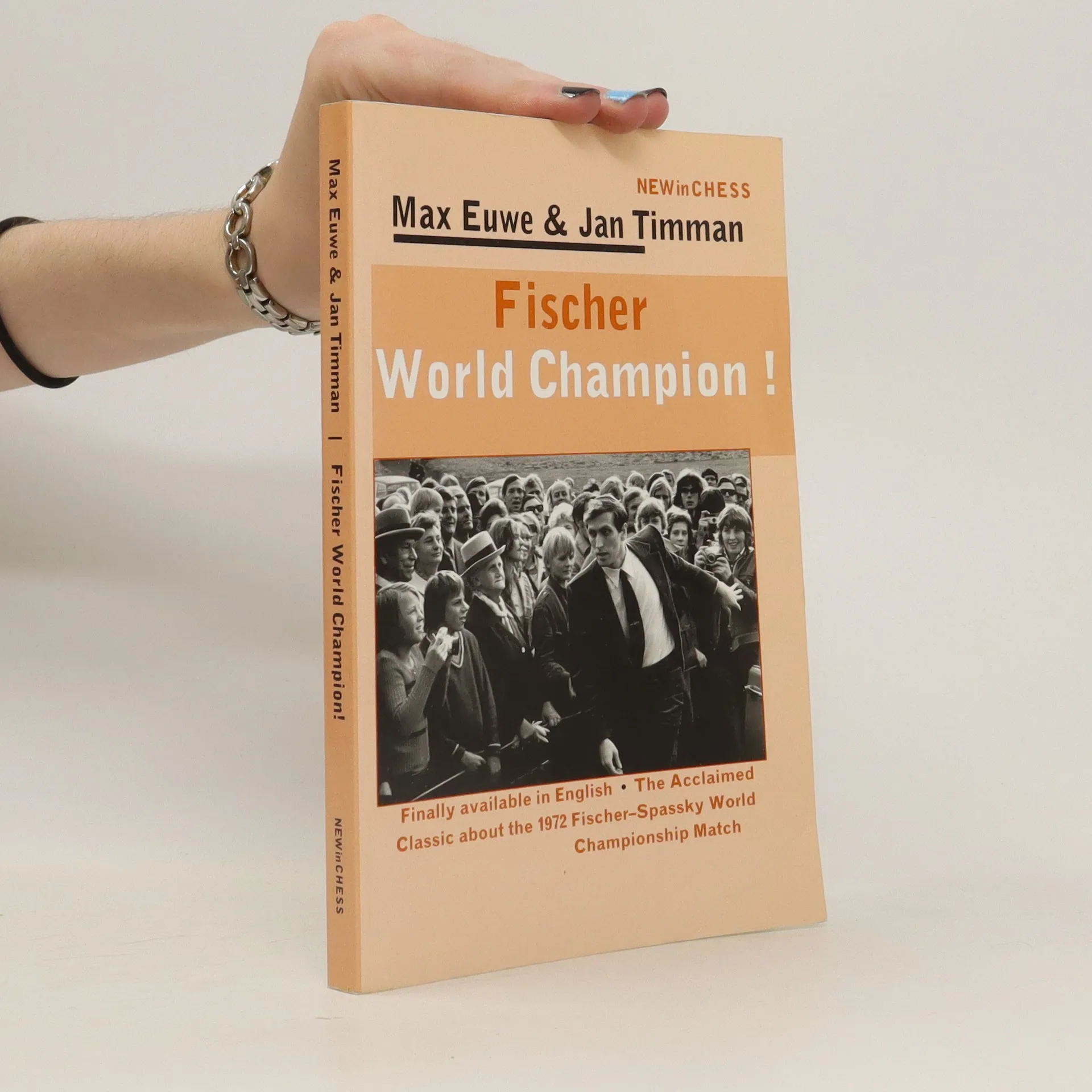
The acclaimed classic about the 1972 Fischer-Spassky World Championship Match finally available in English.
Mikhail Botvinnik is portrayed as a disciplined and principled chess player, embodying the qualities of a dedicated boy scout. His life and career reflect a commitment to the game, showcasing his strategic brilliance and innovative techniques. The narrative explores his influence on chess theory and his role in popularizing the game, while also delving into his personal philosophy and the ethical dimensions of competition. Botvinnik's legacy is examined through his contributions to both Soviet chess and the broader global chess community.
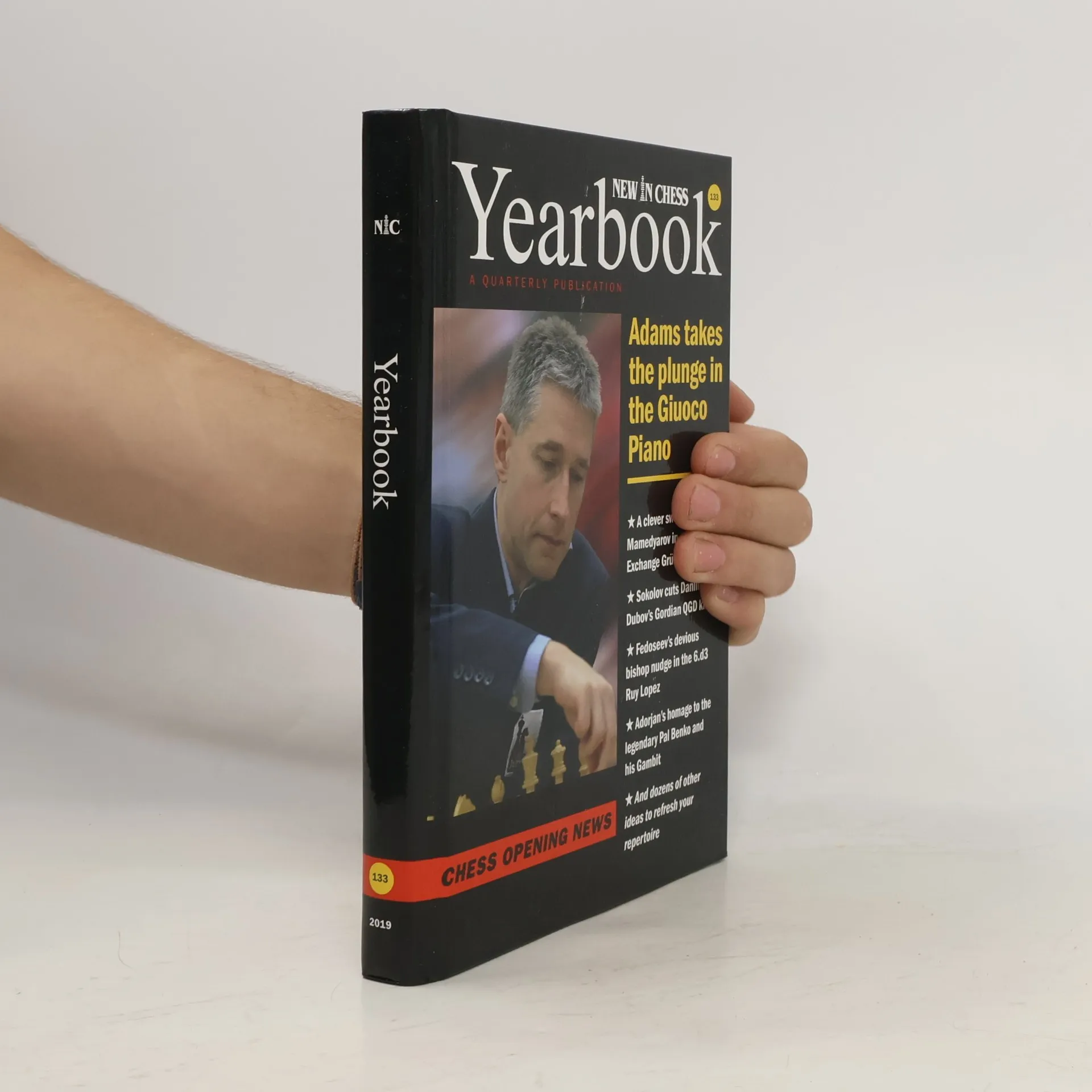
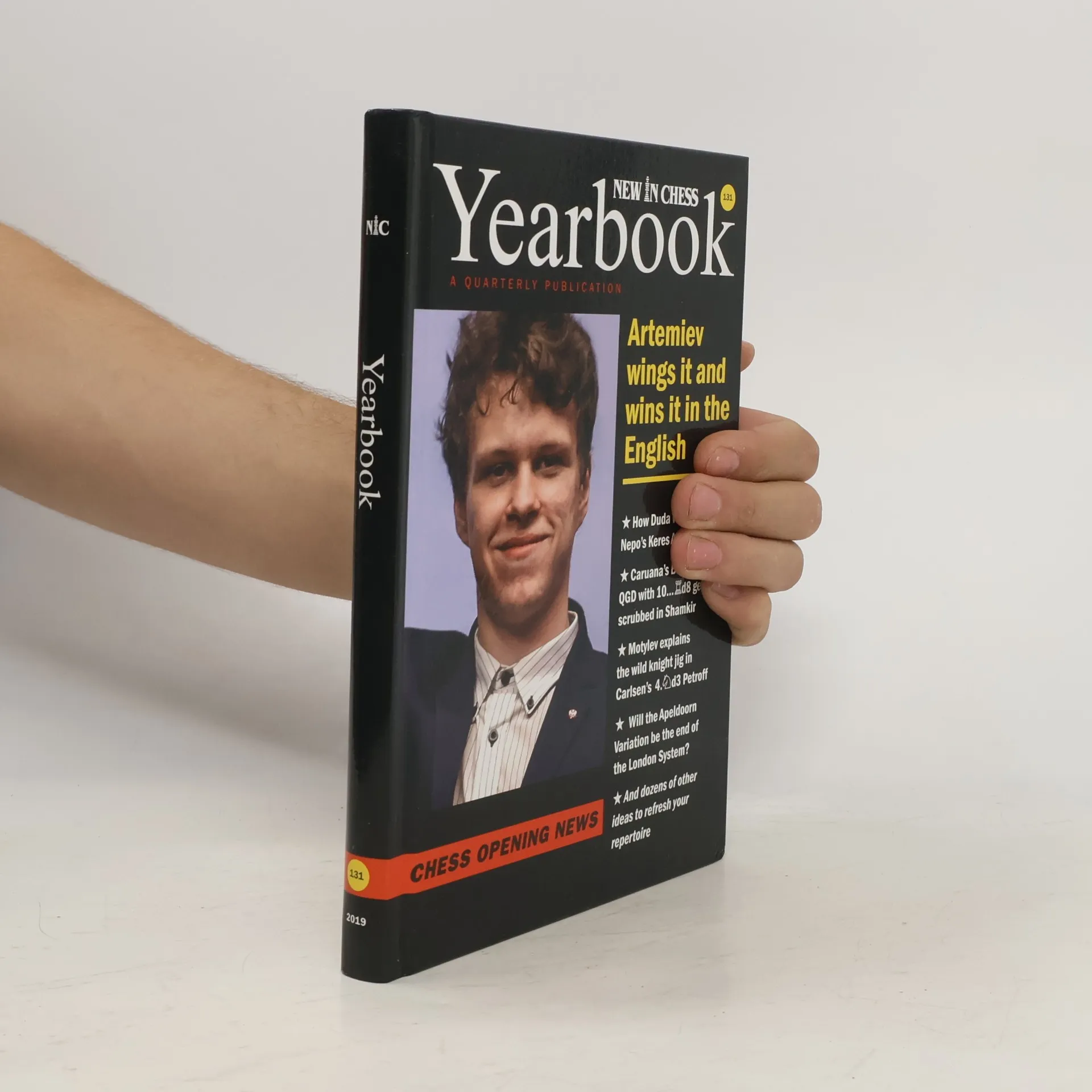
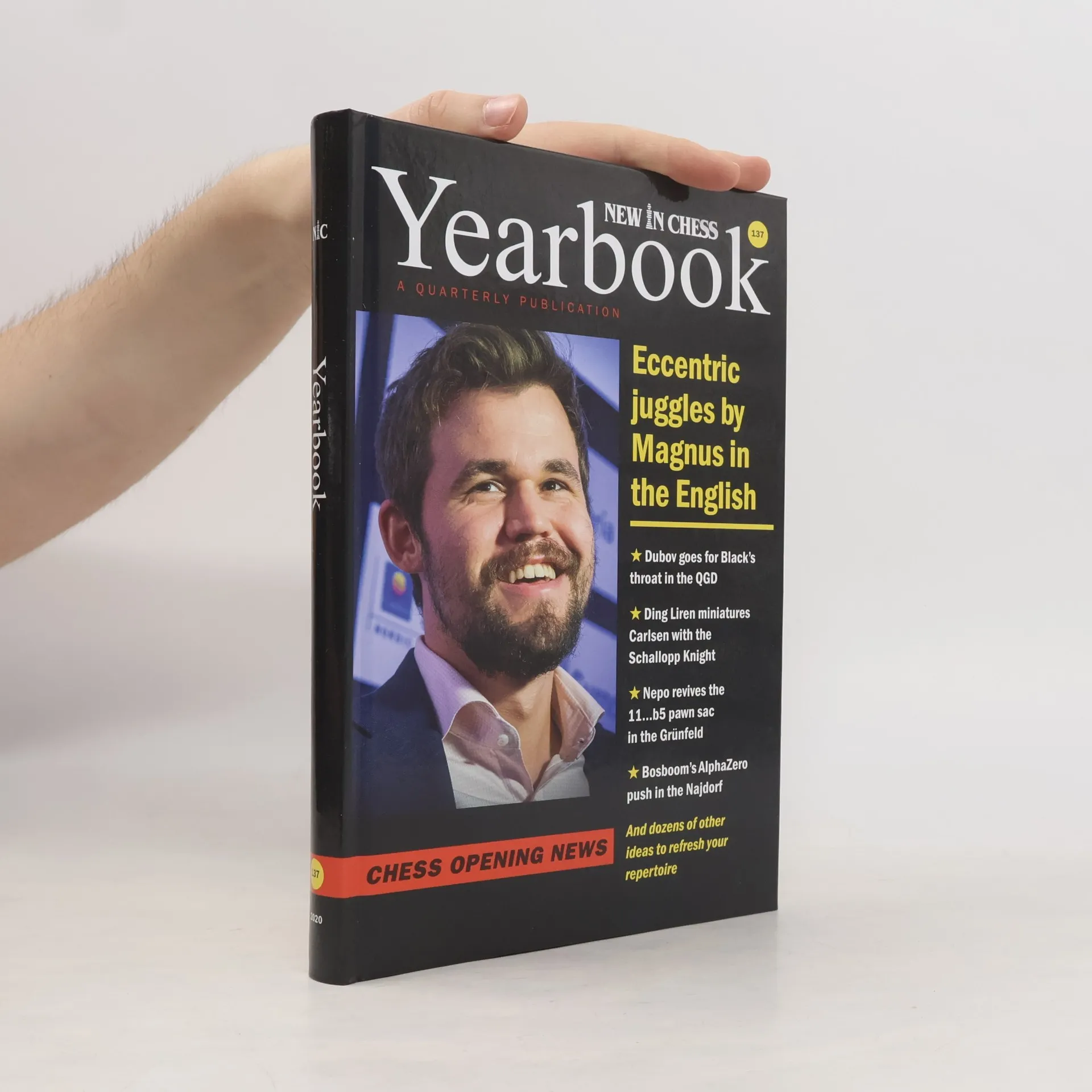
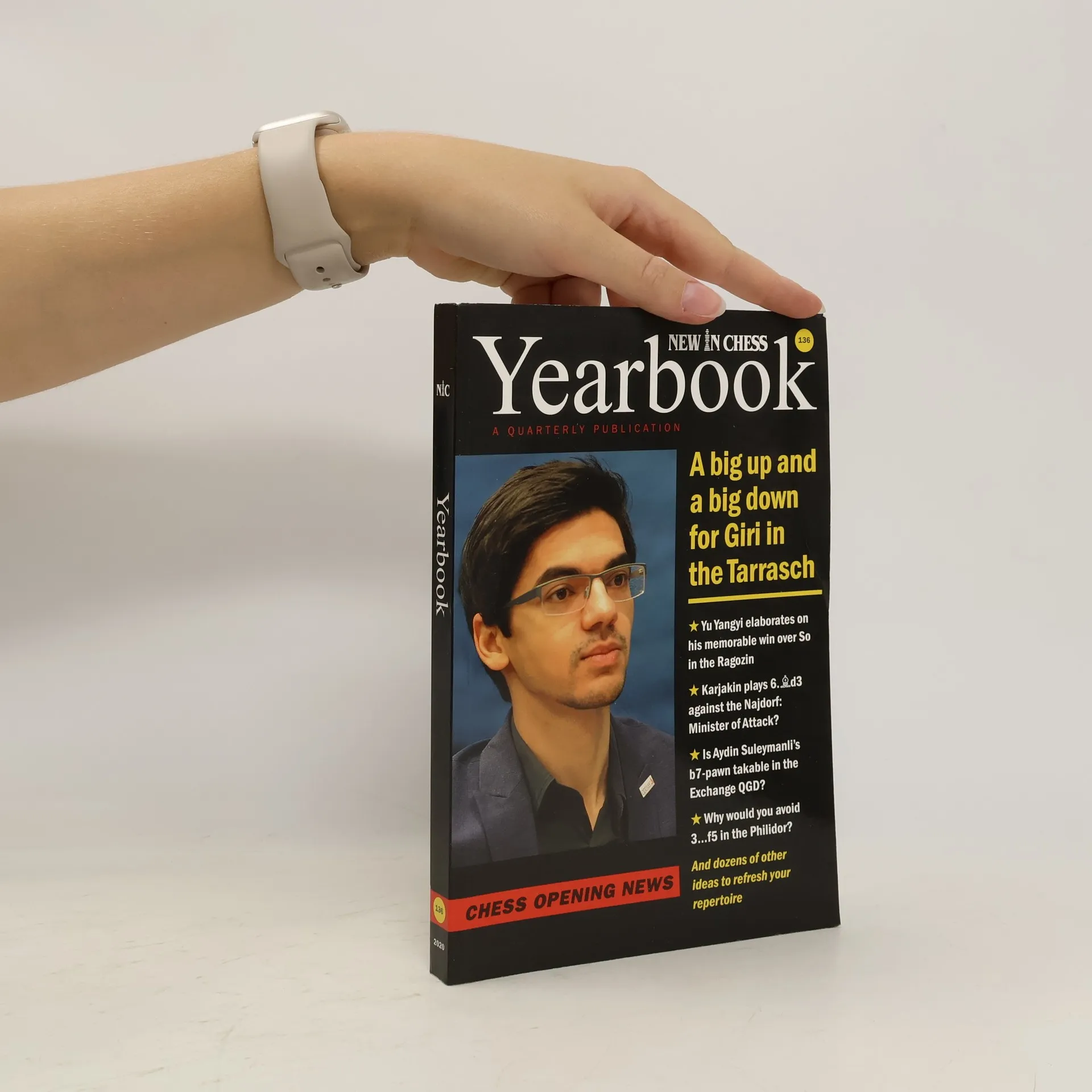
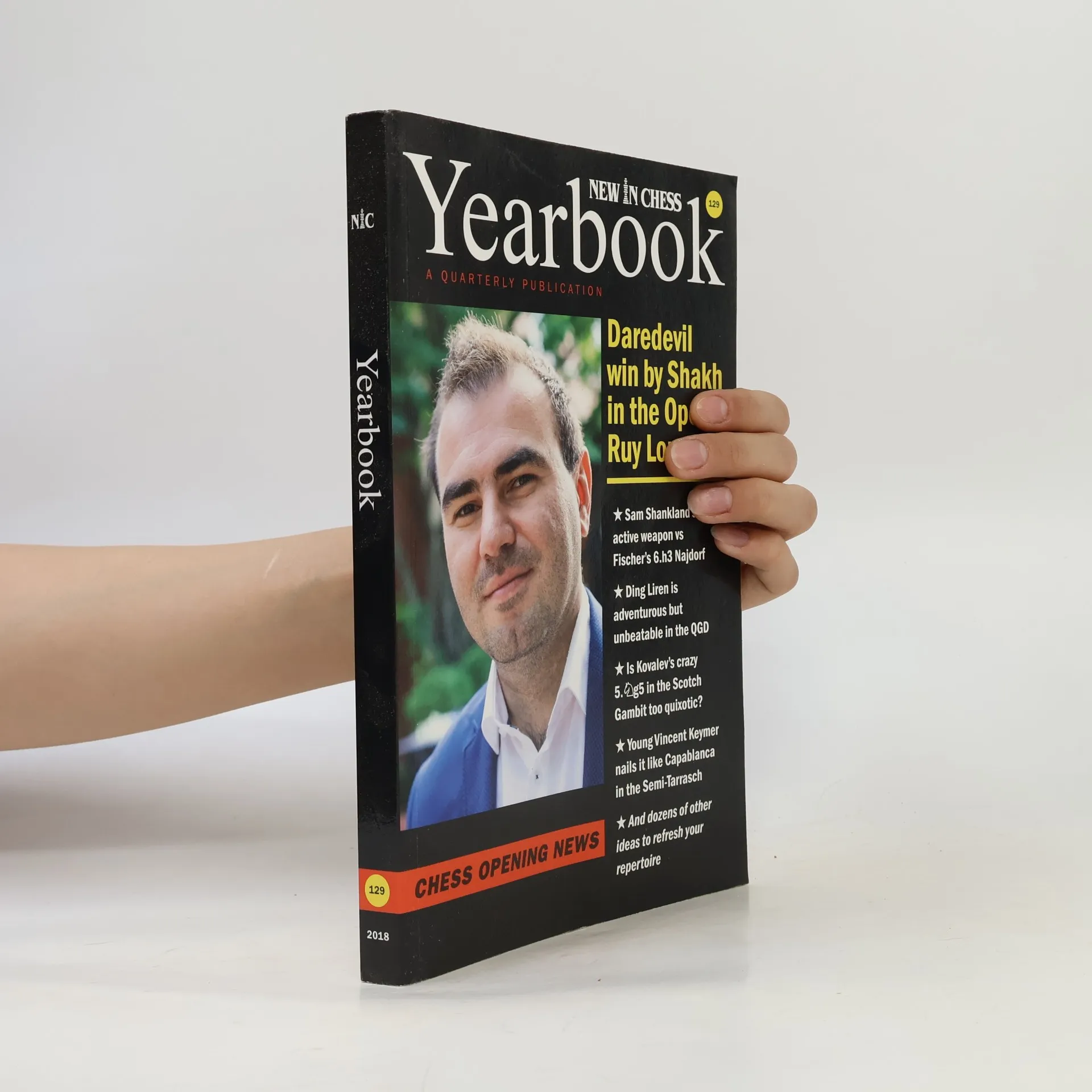
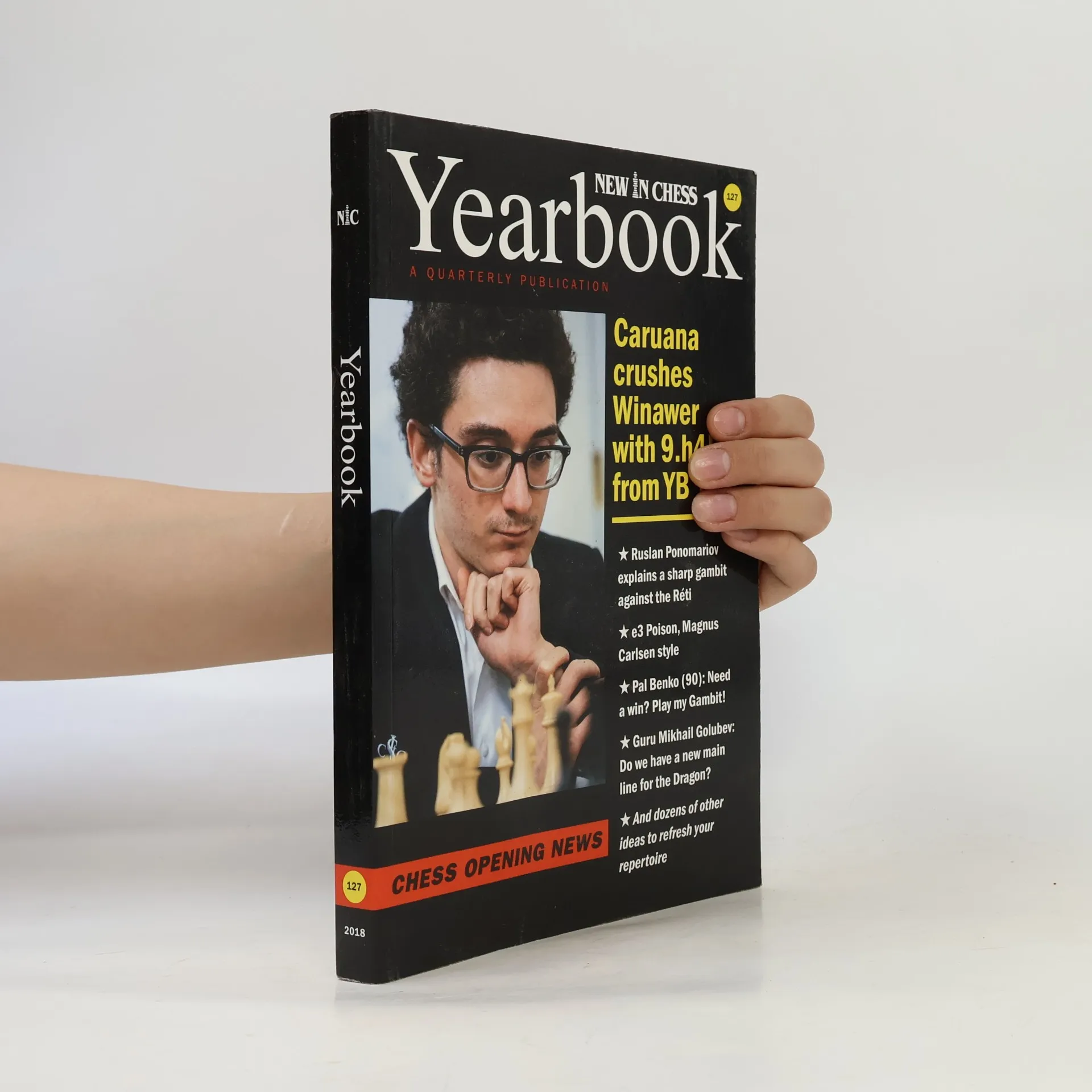
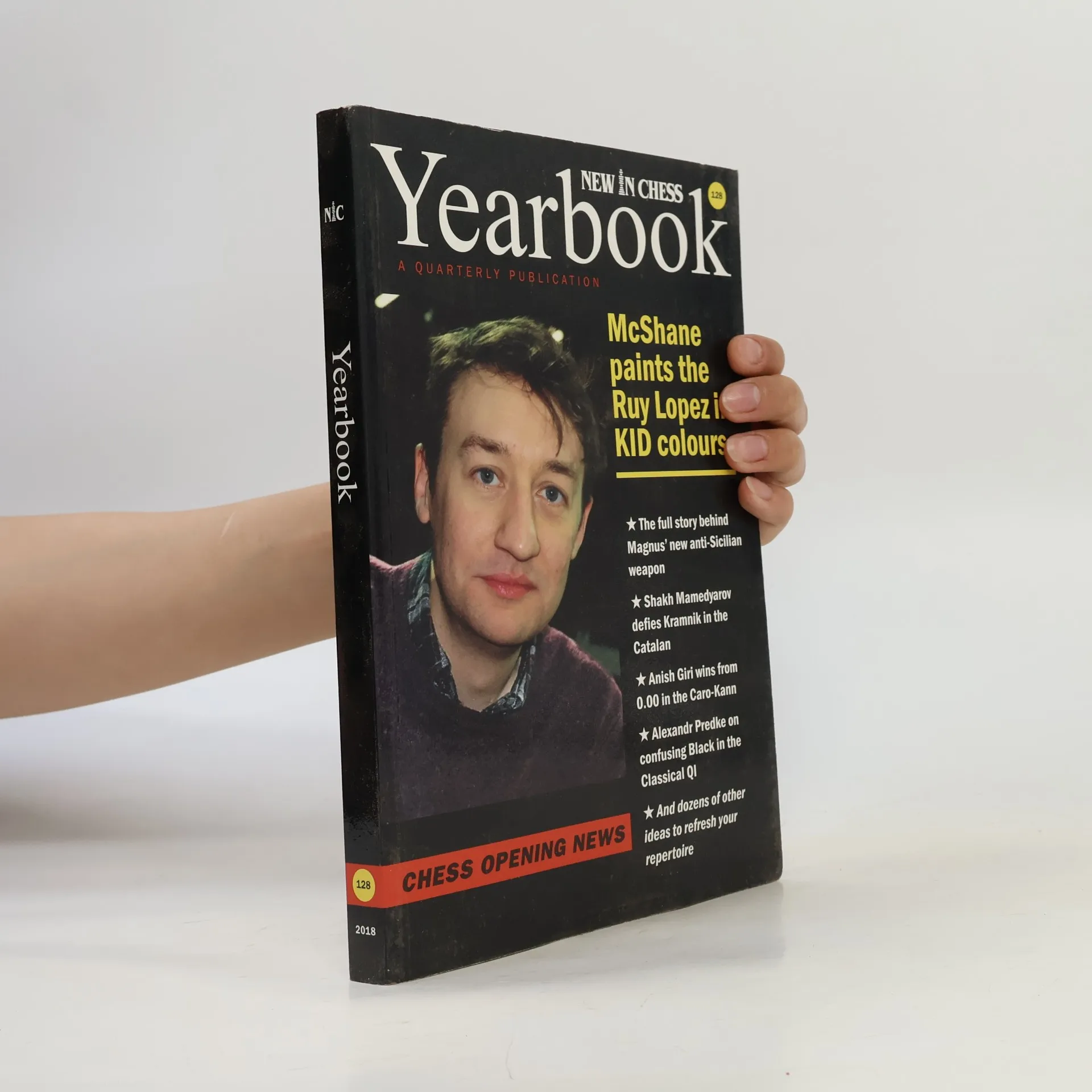
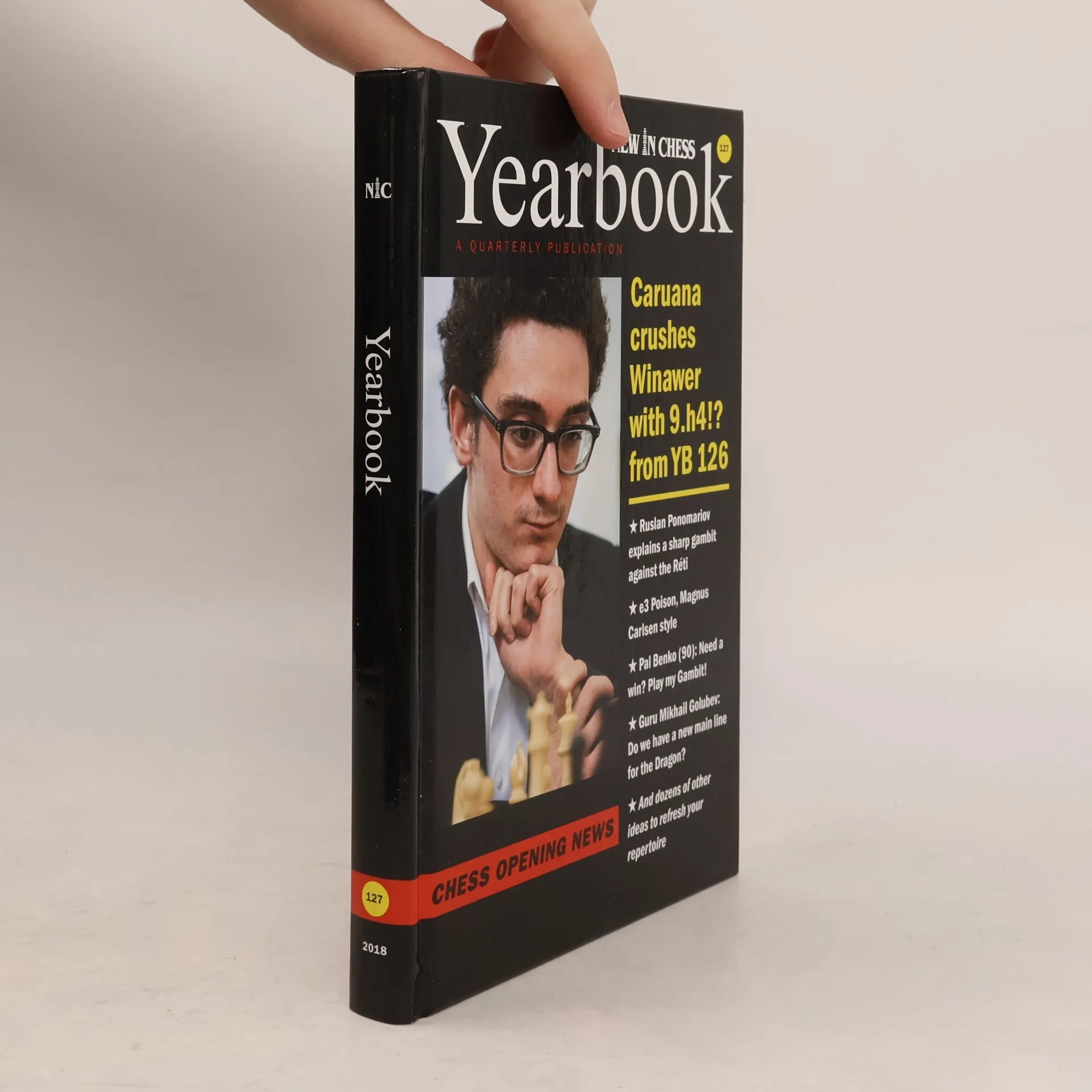
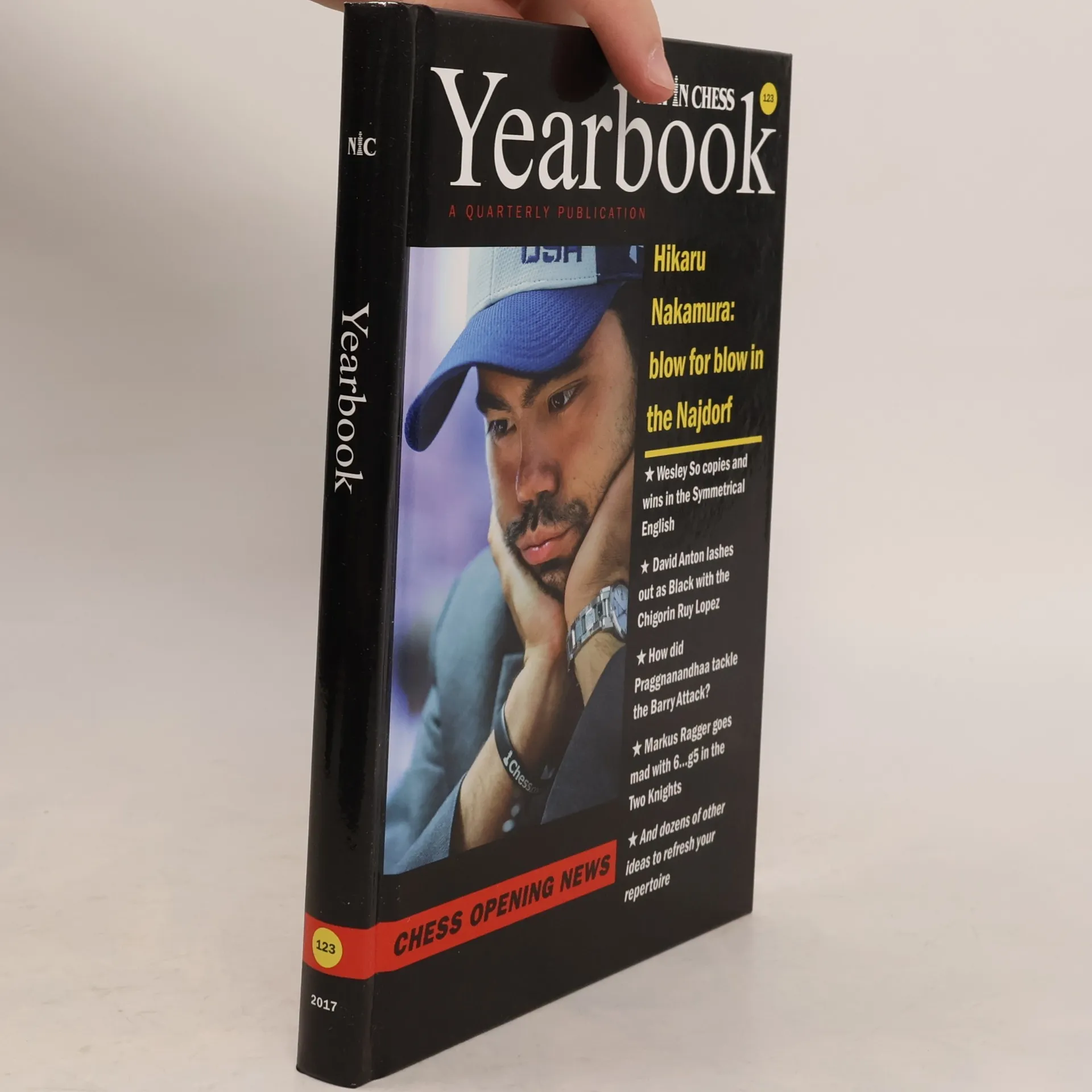
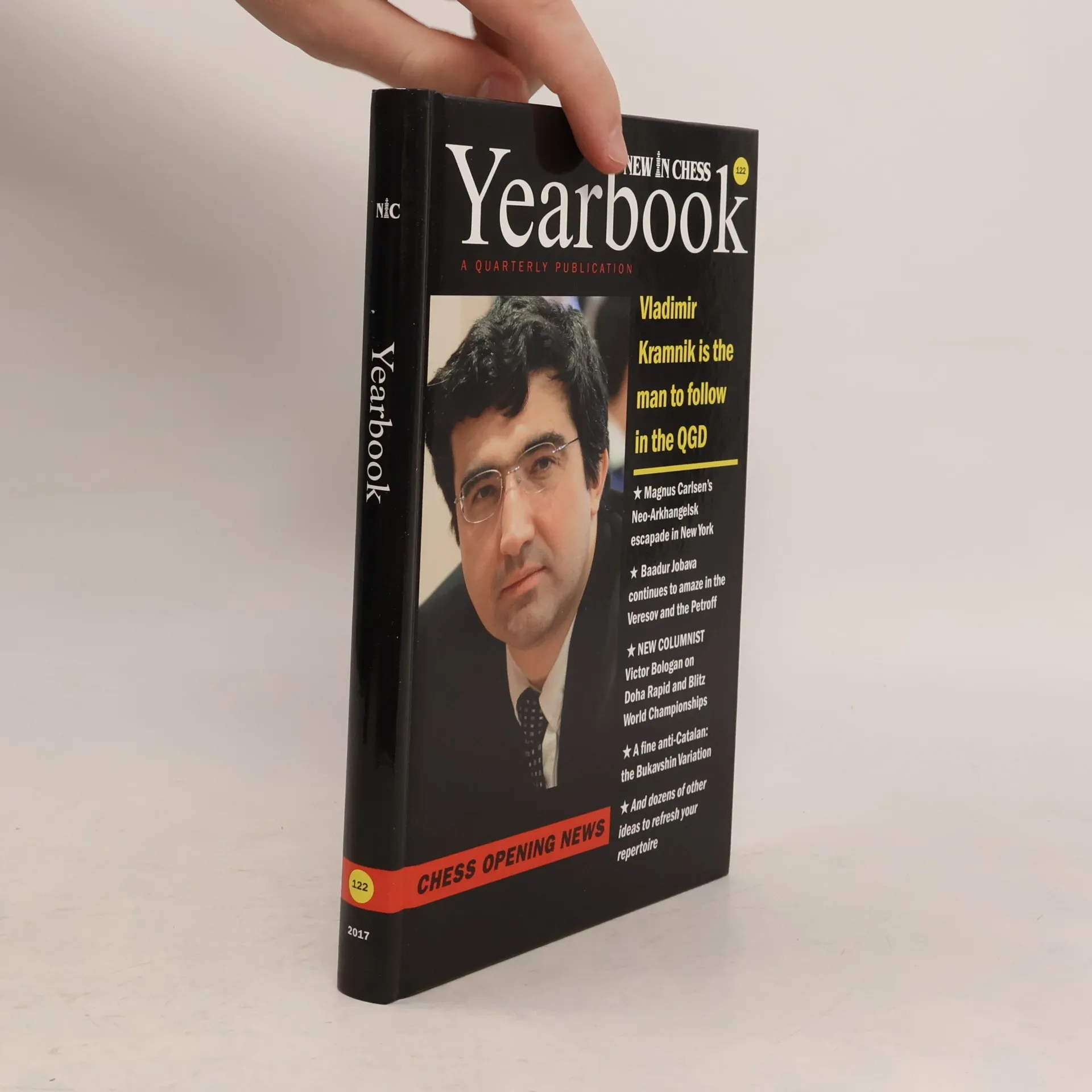
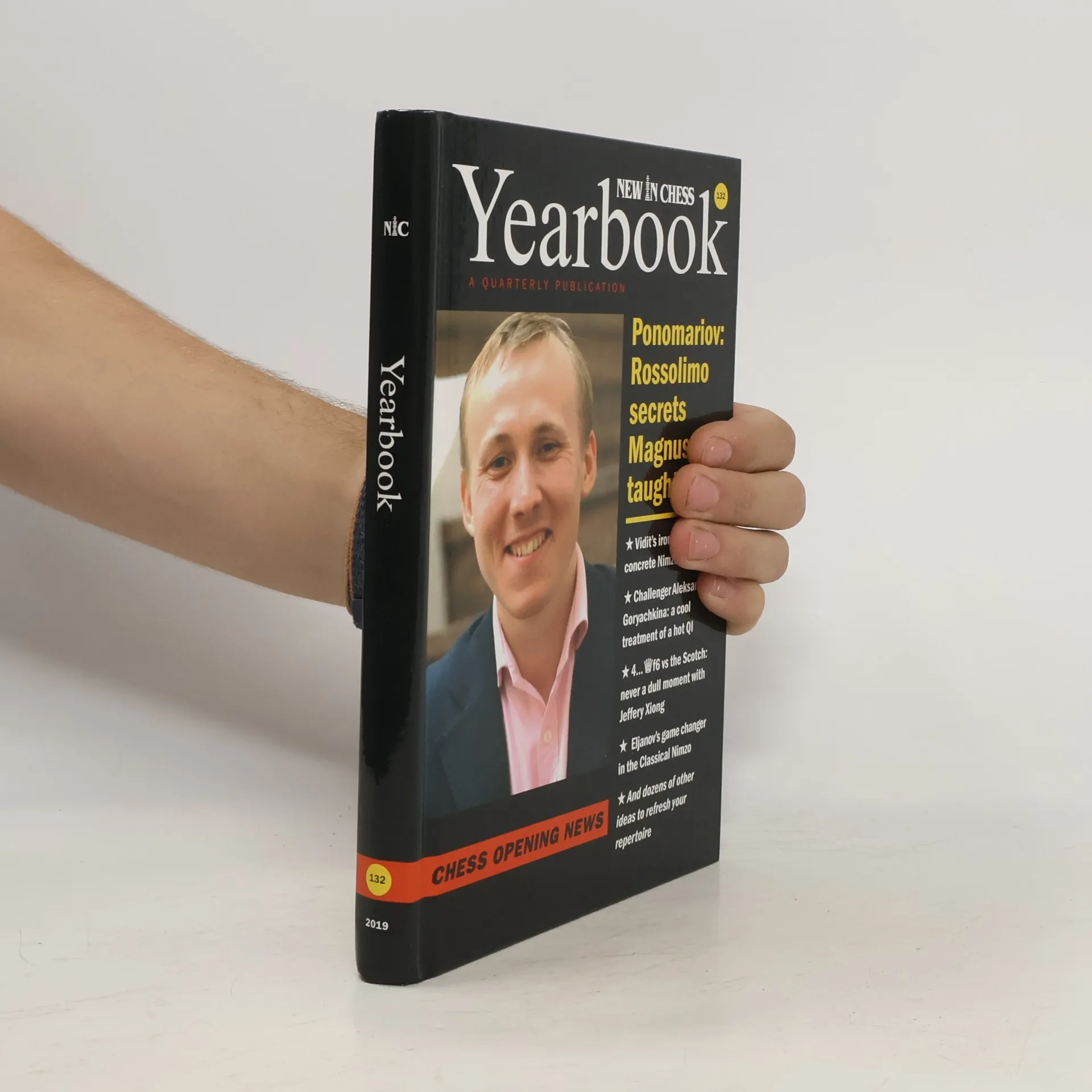
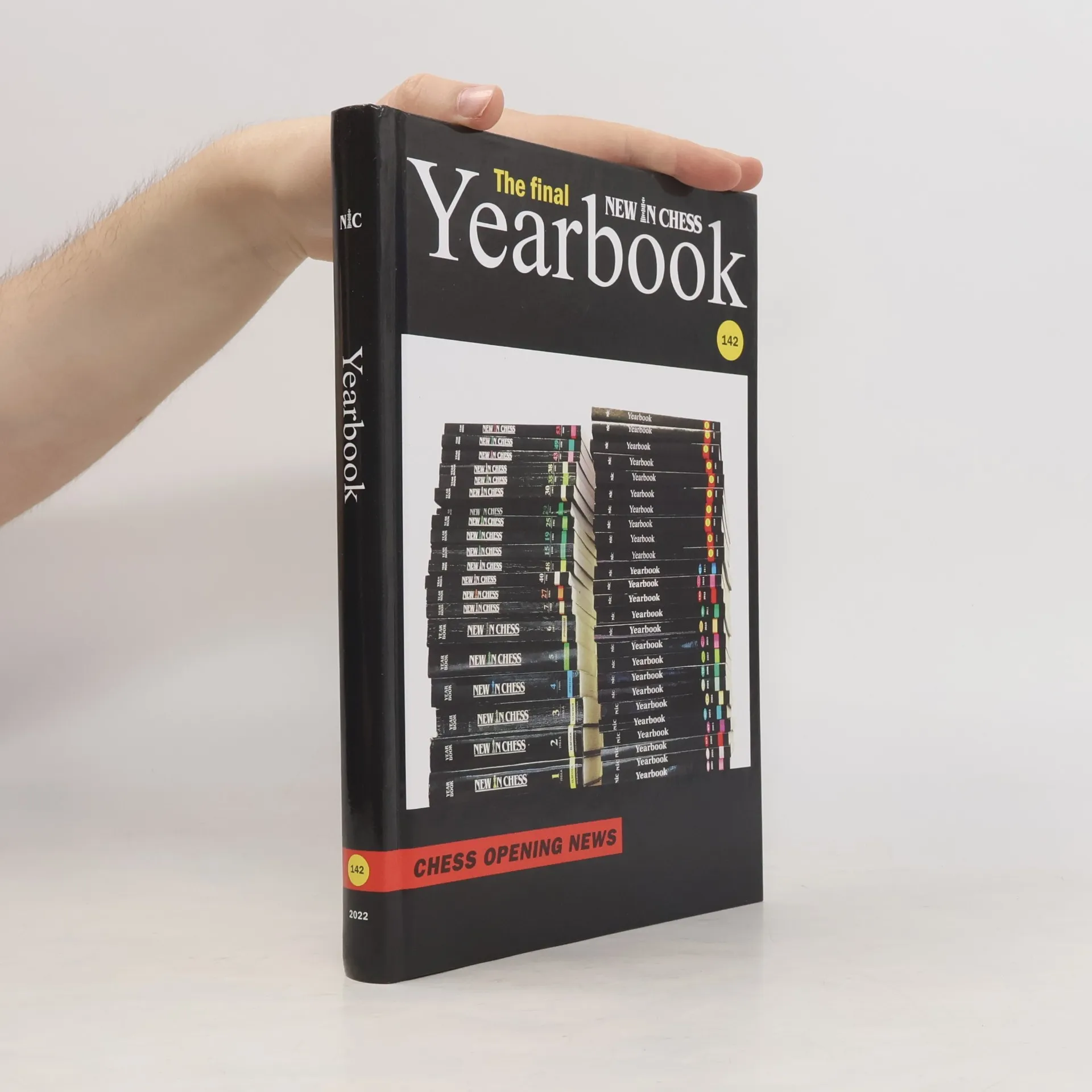
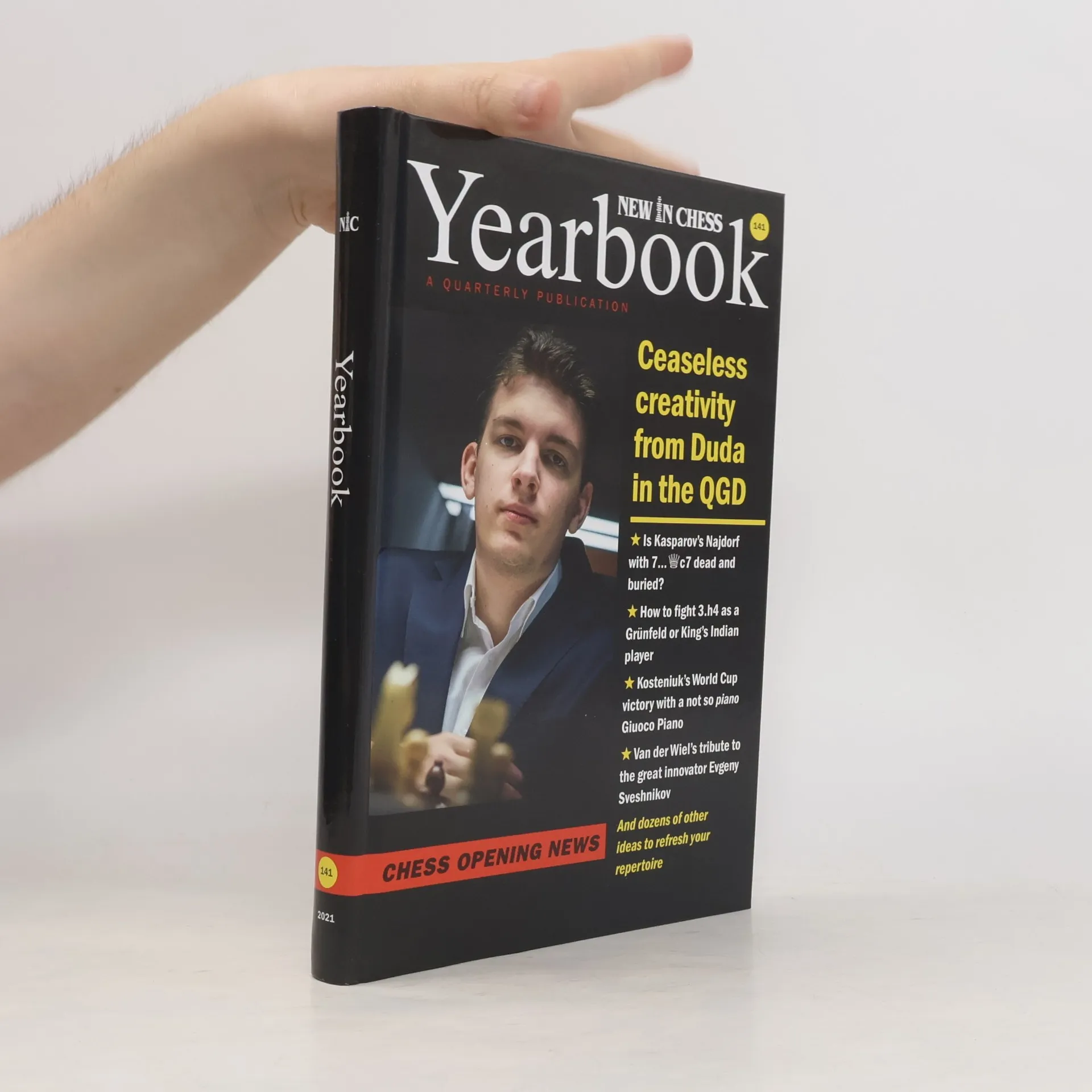
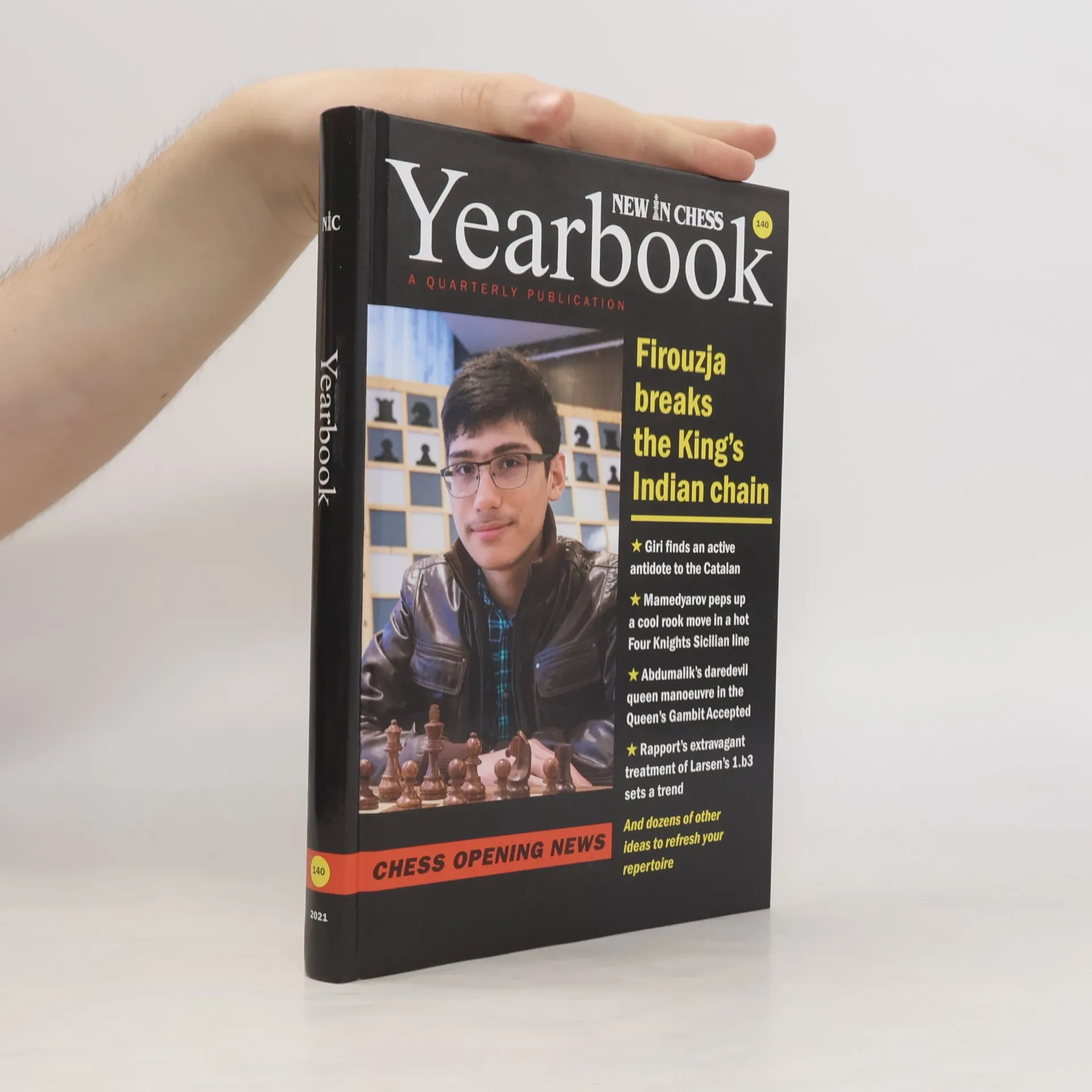
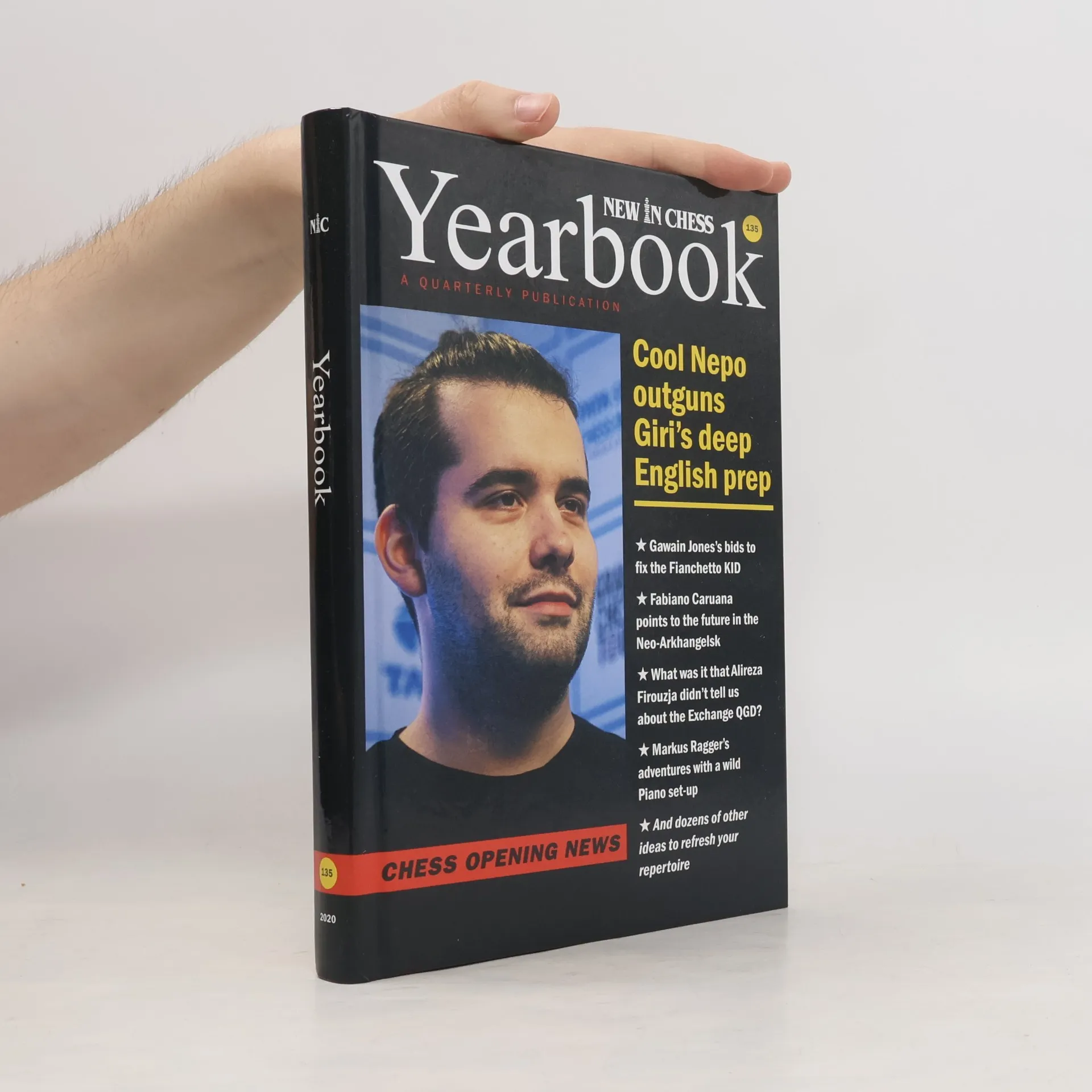
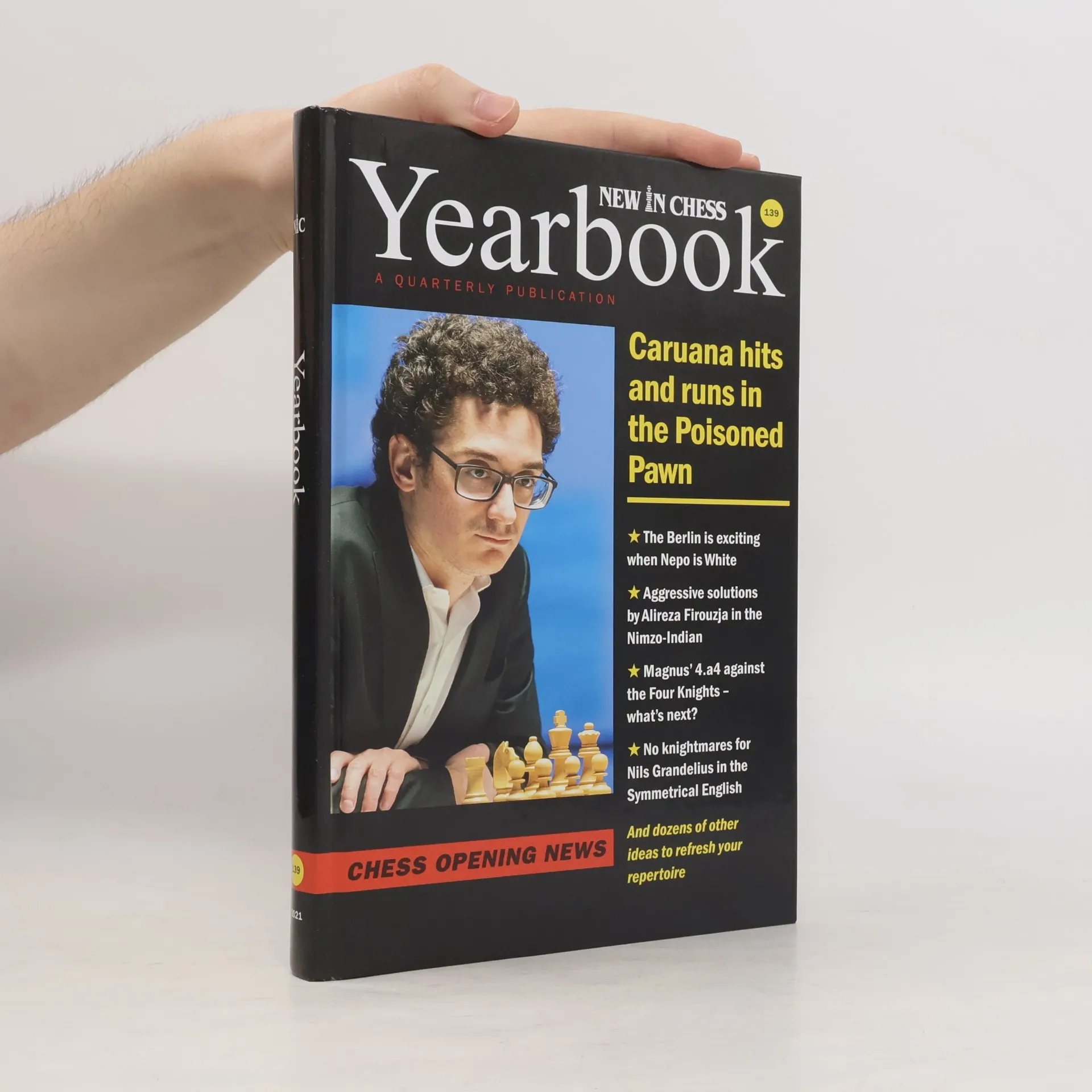
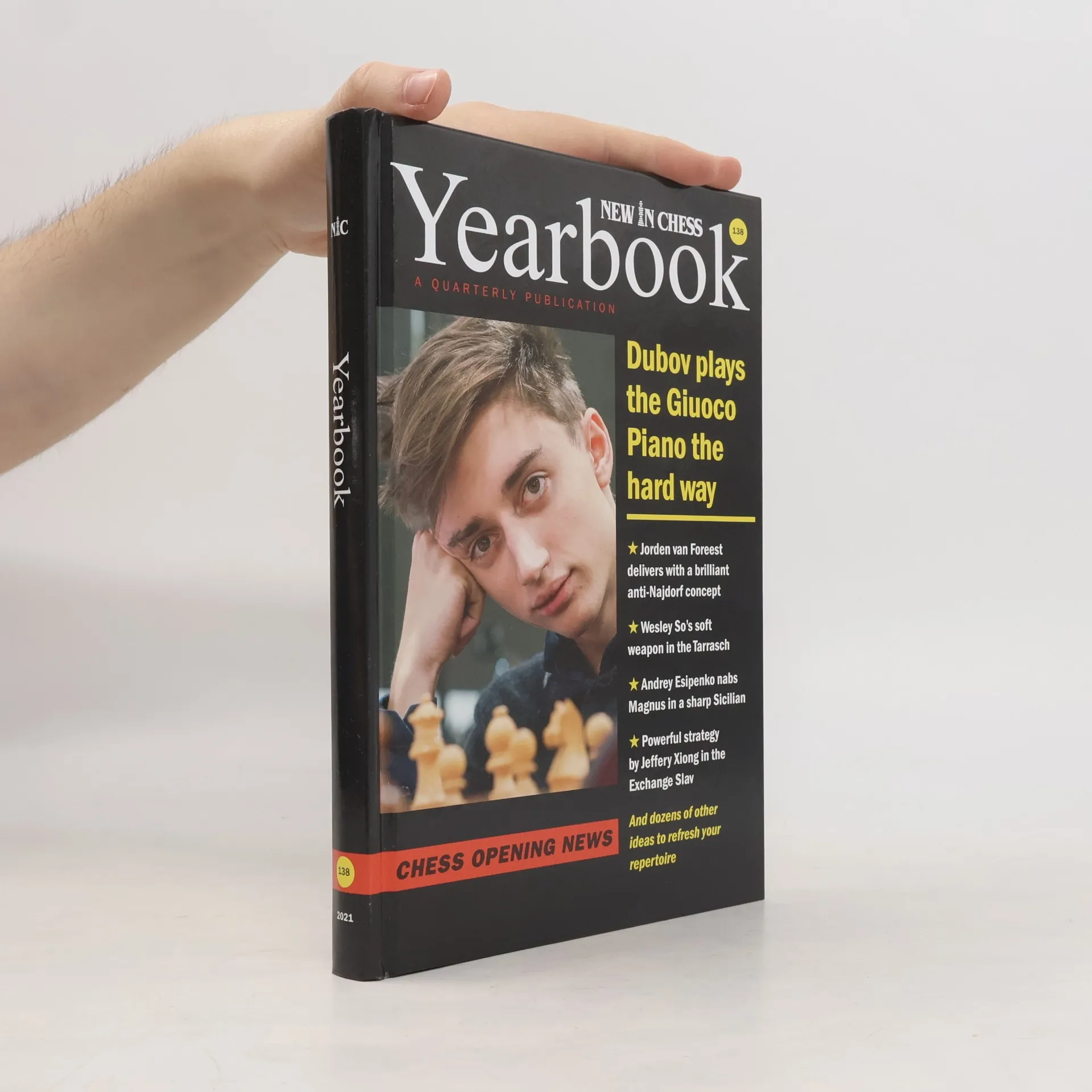
New In Chess Yearbook, which appears four times a year, contains all major new chess opening developments in 35 chapters. Each issue brings you dozens of new ideas on the cutting edge of modern chess theory. An accessible way to keep up to date with main line opening theory. Indispensable for advanced players.
New In Chess Yearbook, which appears four times a year, contains all major new chess opening developments in 35 chapters. Each issue brings you dozens of new ideas on the cutting edge of modern chess theory. An accessible way to keep up to date with main line opening theory. Indispensable for advanced players.
New In Chess Yearbook, which appears four times a year, contains all major new chess opening developments in 35 chapters. Each issue brings you dozens of new ideas on the cutting edge of modern chess theory. An accessible way to keep up to date with main line opening theory. Indispensable for advanced players.
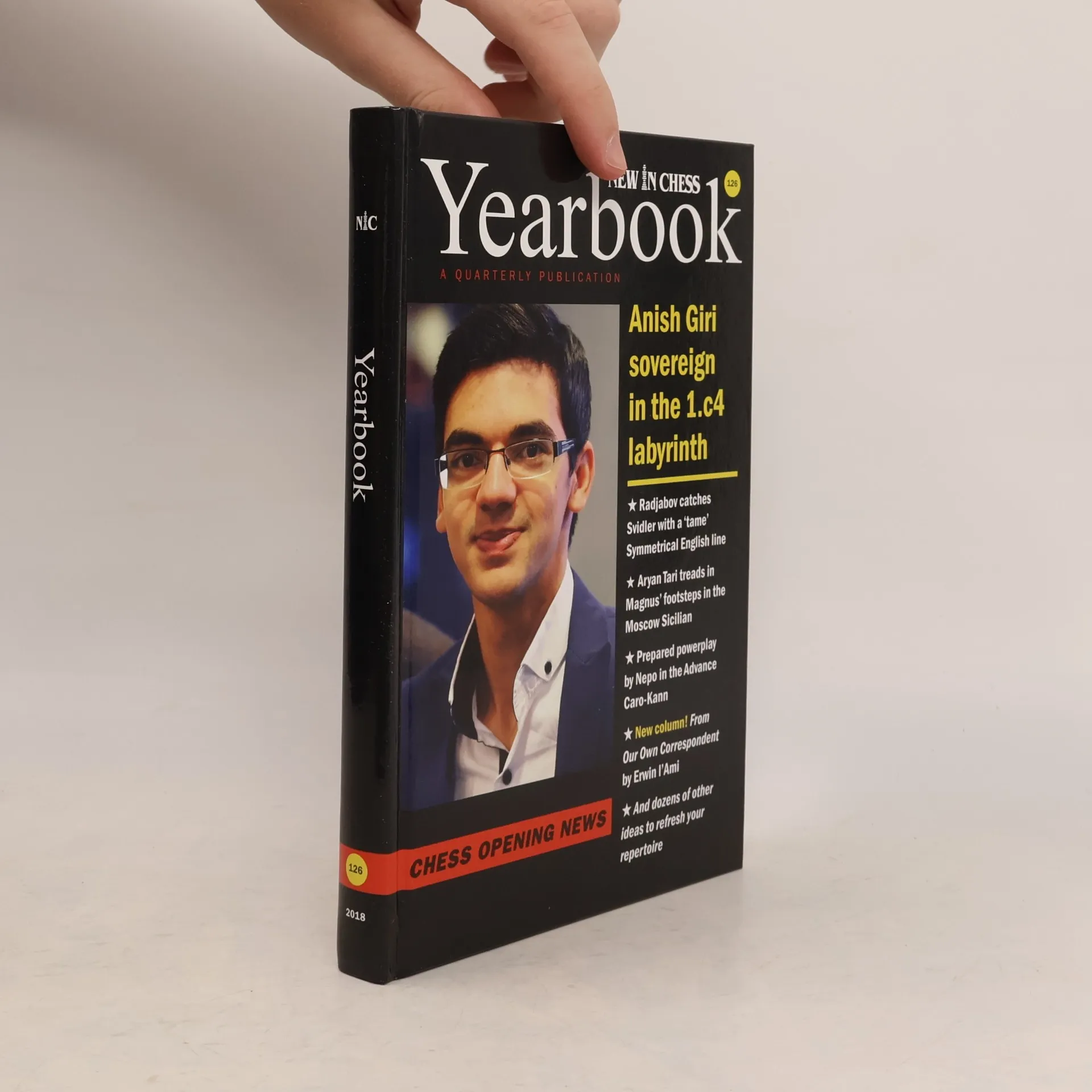
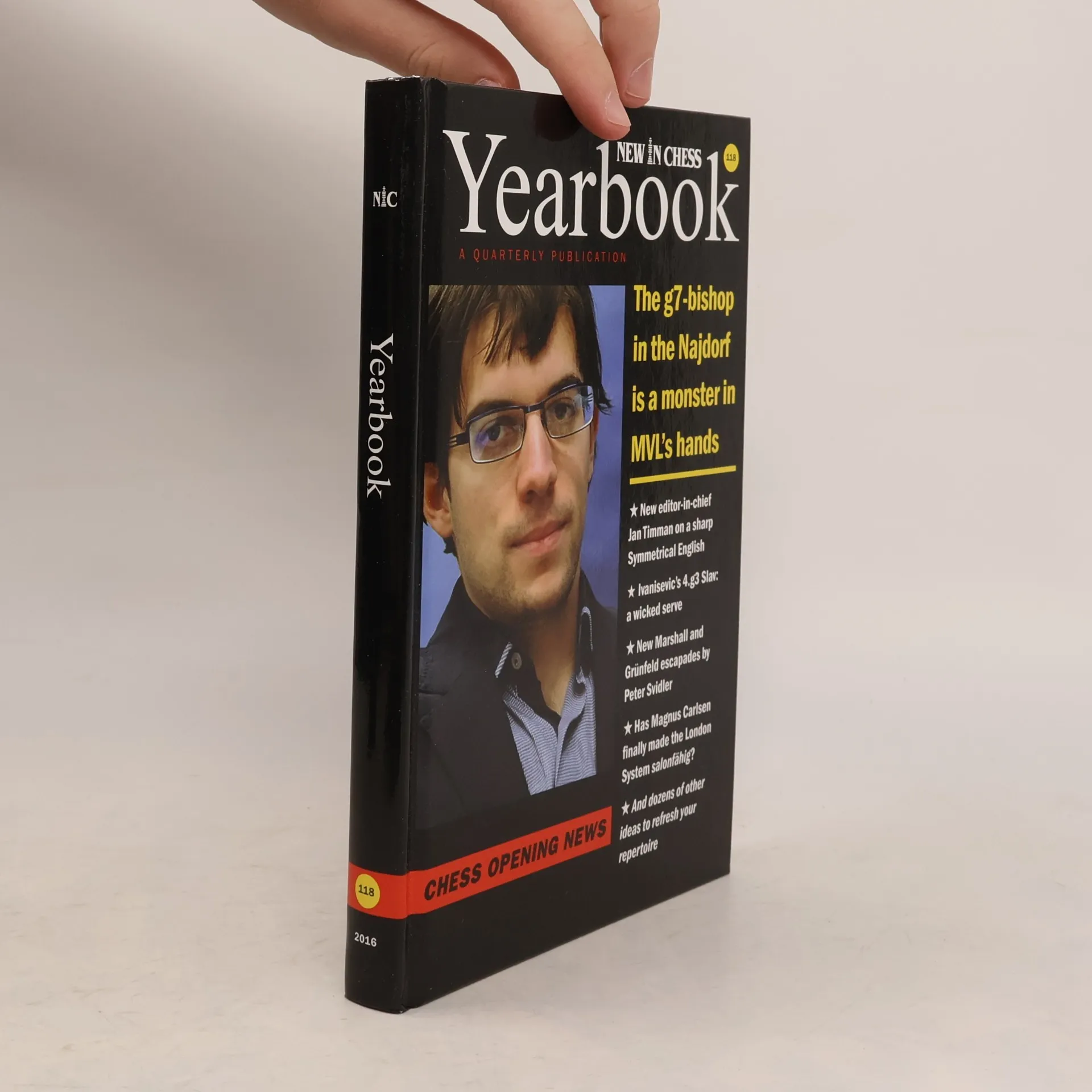
New In Chess Yearbook, which appears four times a year, contains the latest news in chess openings, and each issue brings you dozens of new ideas on the cutting edge of modern chess opening theory. The Yearbook not only covers the latest fashion, but also offers fresh insights into underrated gambits, rare continuations, and almost forgotten weapons. A must-have publication for serious chess students.
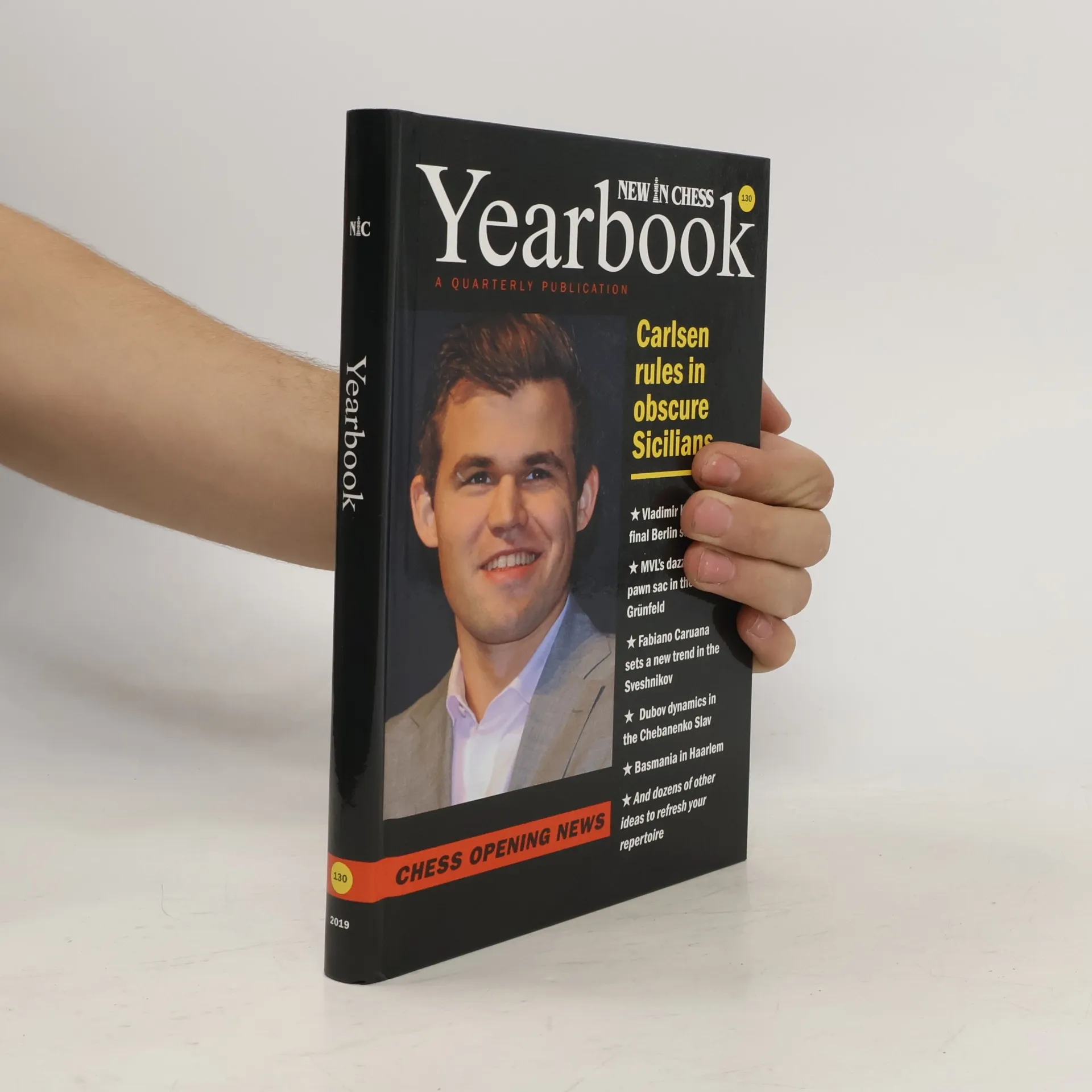
New In Chess Yearbook, which appears four times a year, contains all major new chess opening developments in 35 chapters. Each issue brings you dozens of new ideas on the cutting edge of modern chess theory. An accessible way to keep up to date with main line opening theory. Indispensable for advanced players.
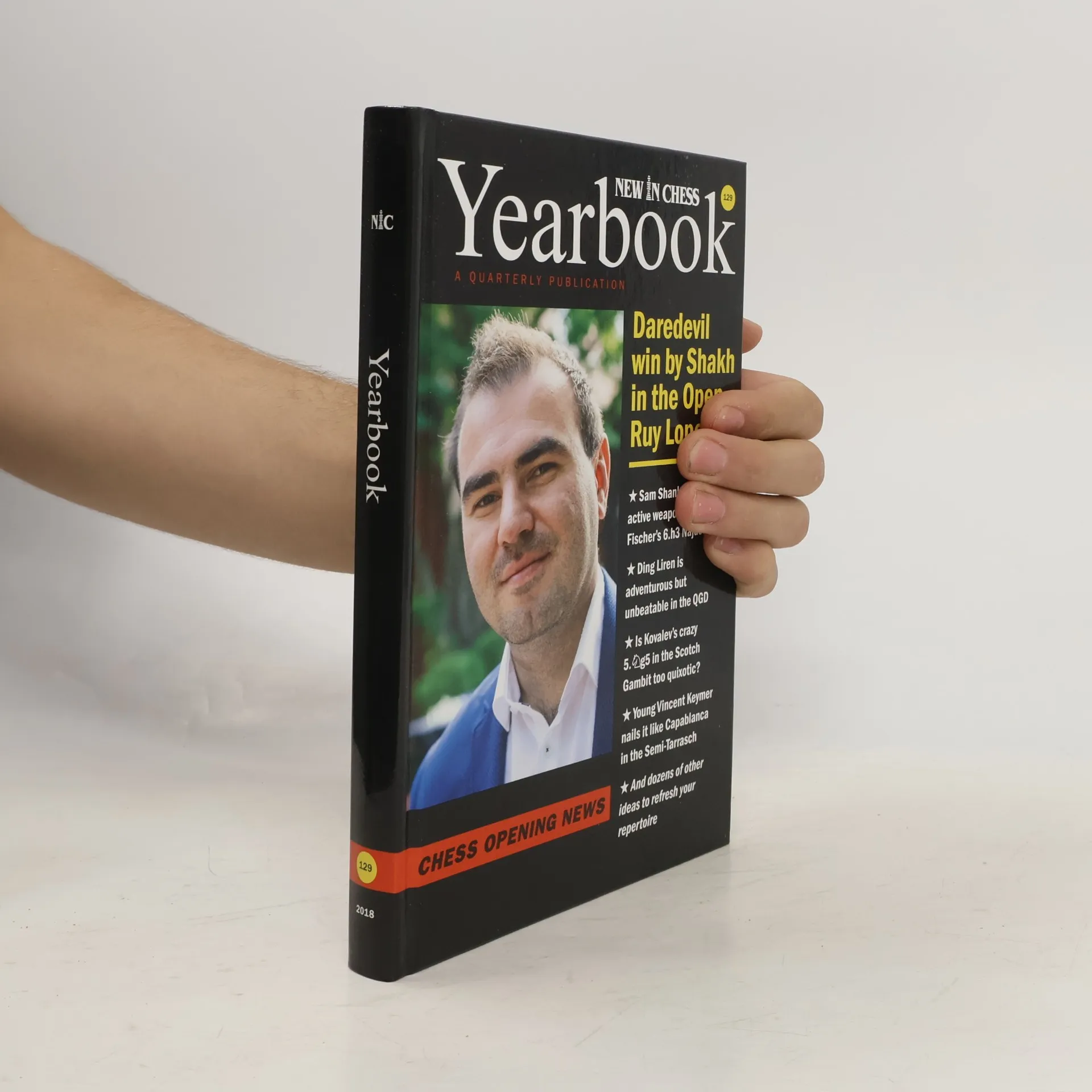
New In Chess Yearbook, which appears four times a year, contains the latest news in chess openings, and each issue brings you dozens of new ideas on the cutting edge of modern chess opening theory. The Yearbook not only covers the latest fashion, but also offers fresh insights into underrated gambits, rare continuations, and almost forgotten weapons. A must-have publication for serious chess students.
Chess Opening News
New In Chess Yearbook, which appears four times a year, contains all major new chess opening developments in 35 chapters. Each issue brings you dozens of new ideas on the cutting edge of modern chess theory. An accessible way to keep up to date with main line opening theory. Indispensable for advanced players.
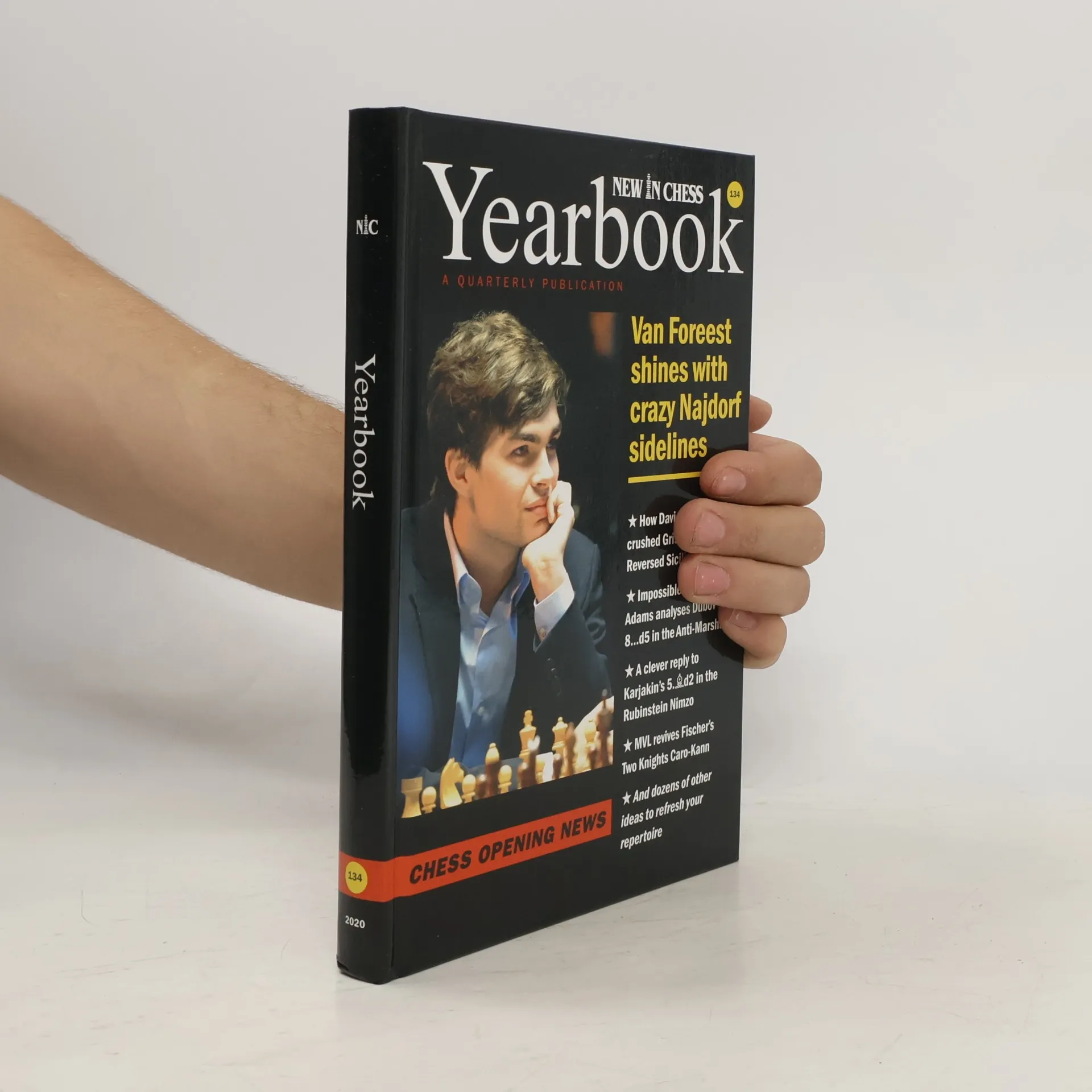
New In Chess Yearbook, which appears four times a year, contains all major new chess opening developments in 35 chapters. Each issue brings you dozens of new ideas on the cutting edge of modern chess theory. An accessible way to keep up to date with main line opening theory. Indispensable for advanced players.
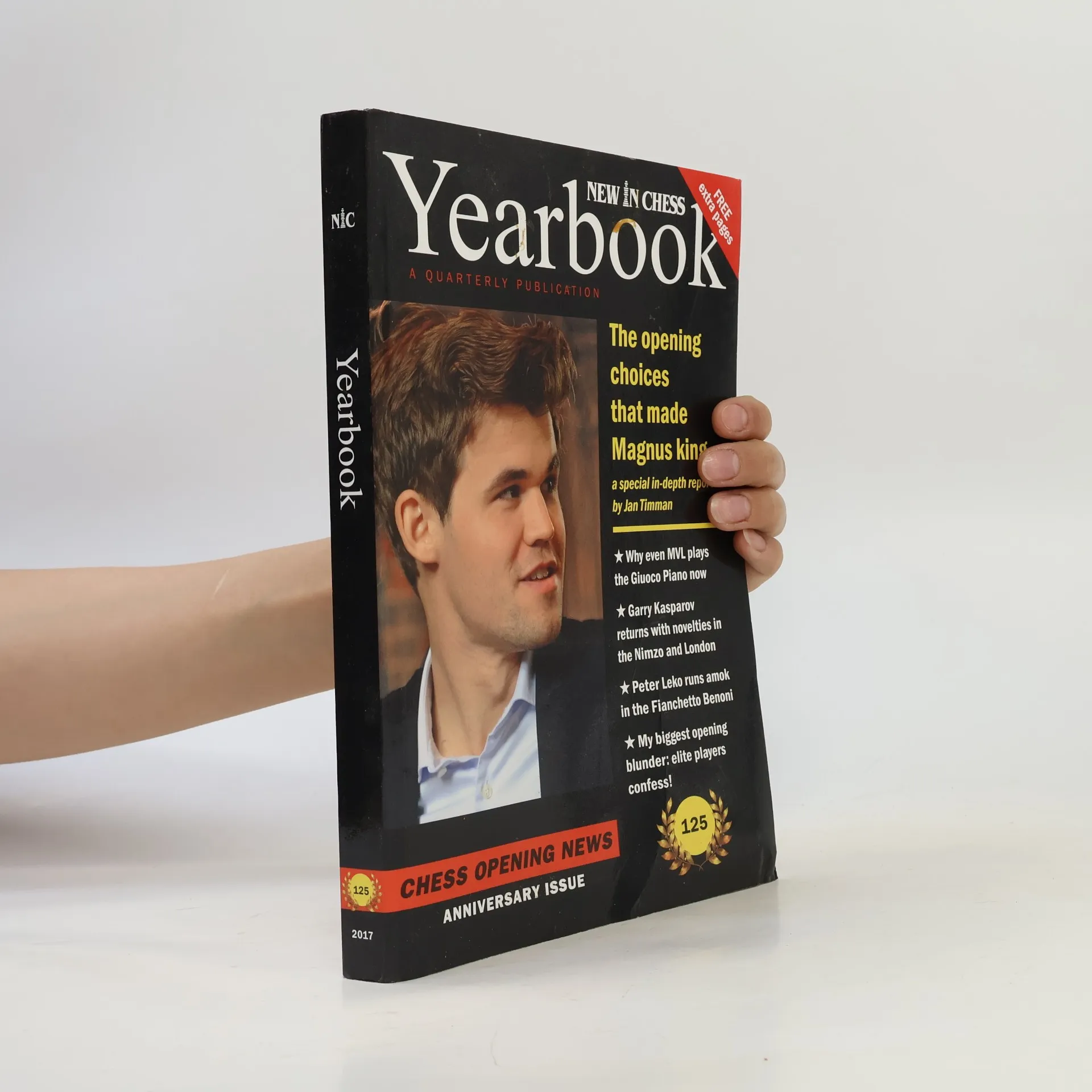
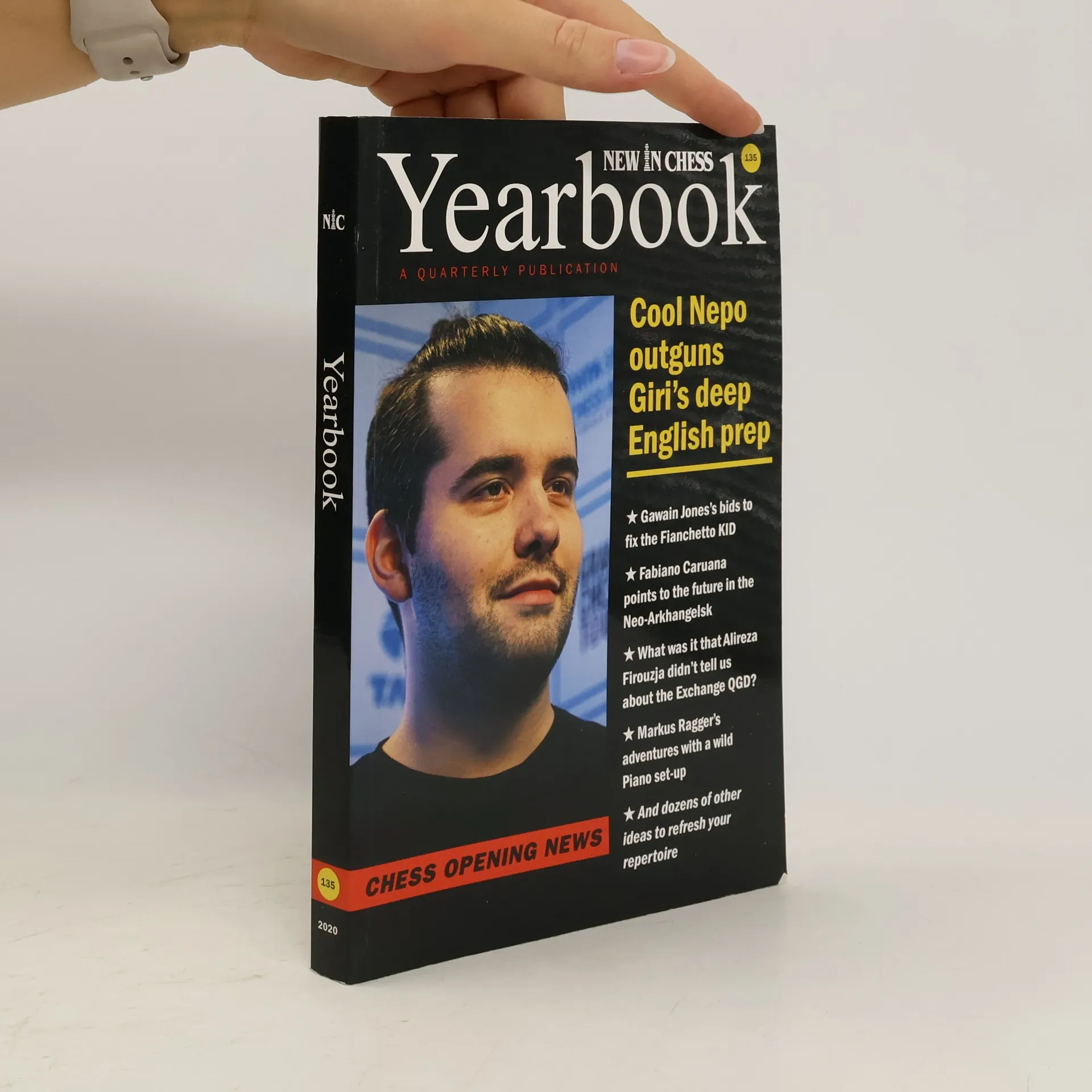
New In Chess Yearbook, which appears four times a year, contains all major new chess opening developments. Each issue brings you dozens of new ideas on the cutting edge of modern chess theory. An accessible way to keep up to date with main line opening theory. Indispensable for advanced players.
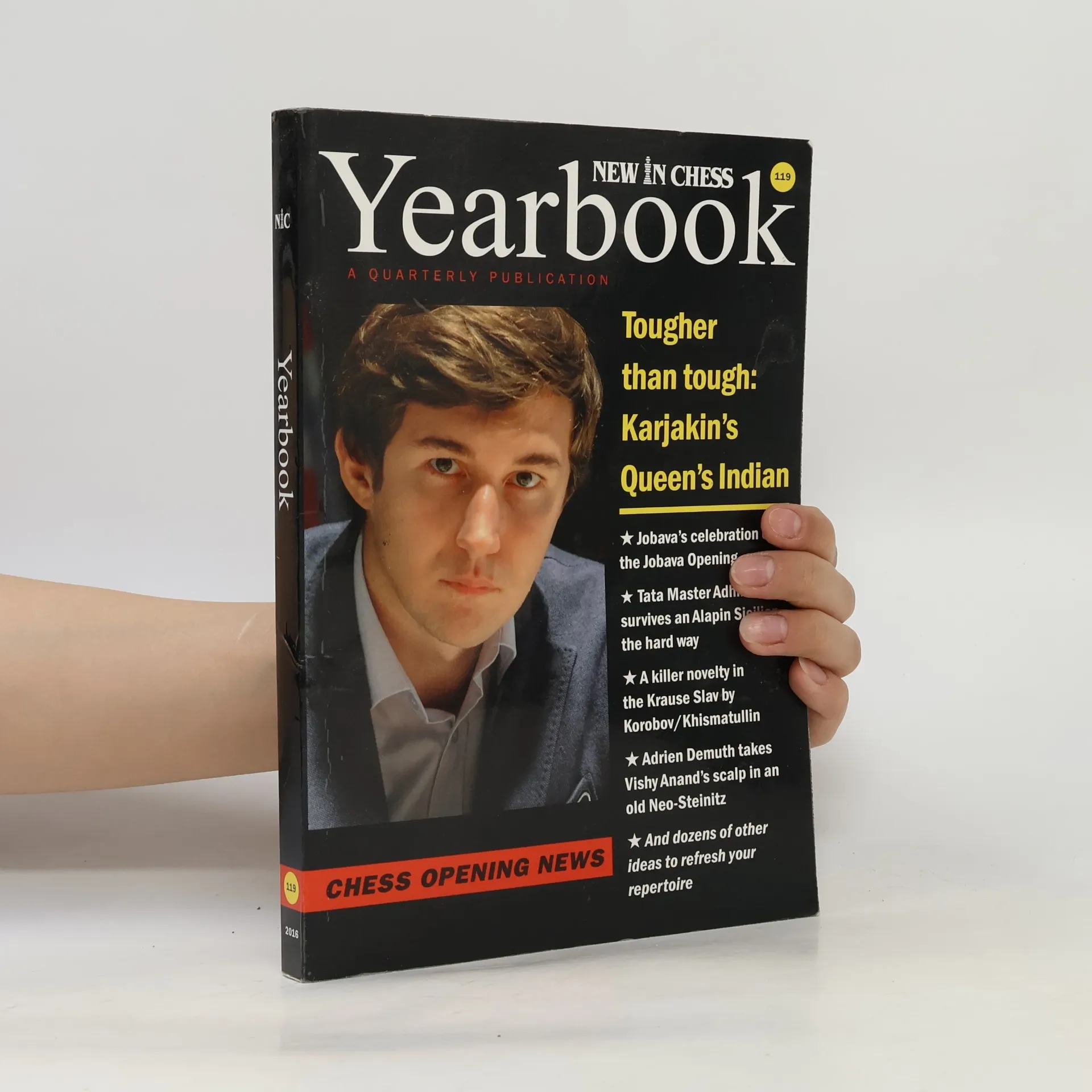
New In Chess Yearbook, which appears four times a year, contains all major new chess opening developments. Each issue brings you dozens of new ideas on the cutting edge of modern chess theory. An accessible way to keep up to date with main line opening theory. Indispensable for advanced players.
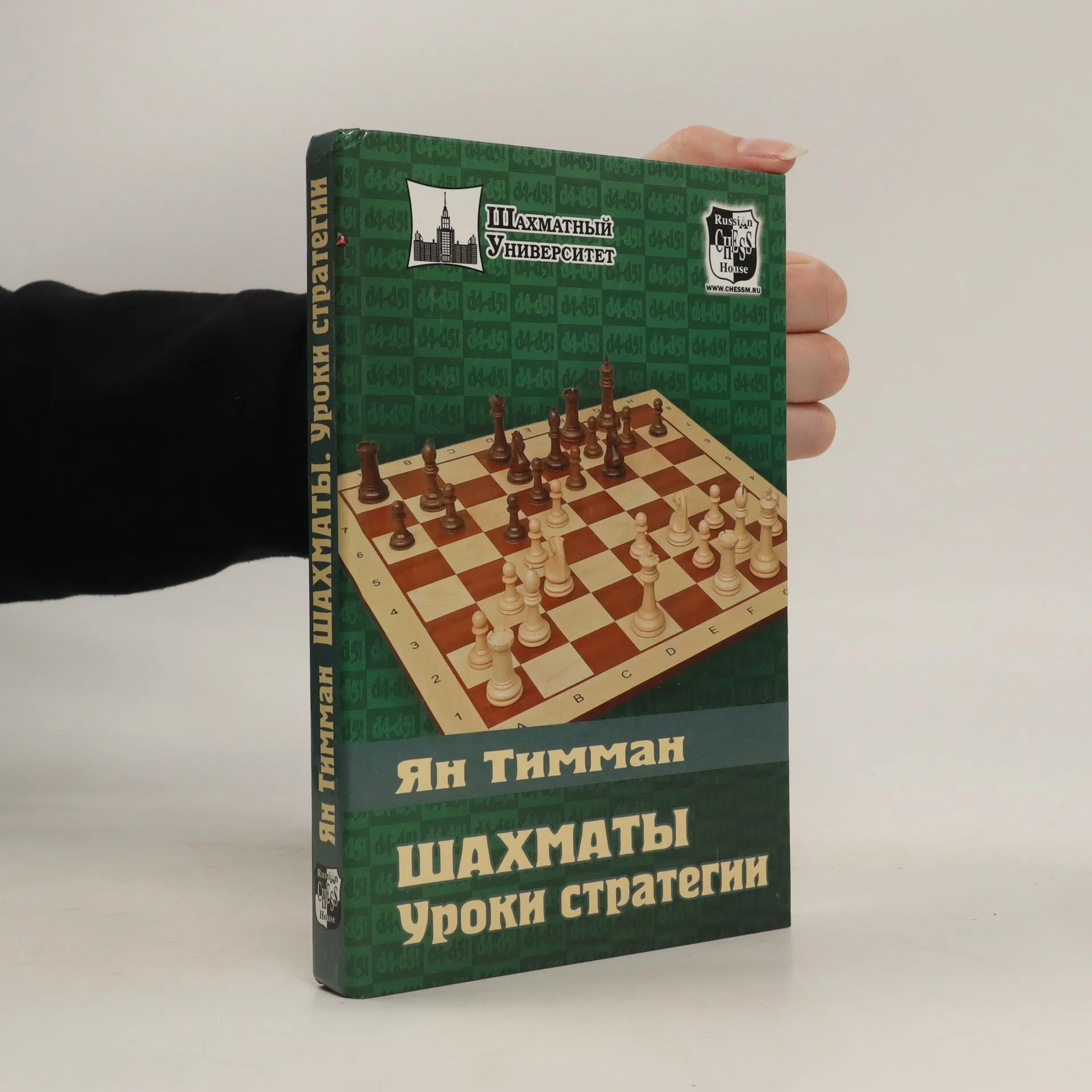
Grandmaster Jan Timman is both an admirer and composer of endgame studies. For Timman, there has never been any doubt that his journeys in this magical world of endgame studies helped him to grow as a player. In this fascinating book, first published in 2011, Timman has collected studies by other composers and explains in his lucid style how they inspired him to create dozens of brand-new studies. In the revised edition, he improved six studies and added fourteen new studies.
New In Chess Yearbook, which appears four times a year, contains all major new chess opening developments in 35 chapters. Each issue brings you dozens of new ideas on the cutting edge of modern chess theory. An accessible way to keep up to date with main line opening theory. Indispensable for advanced players.
New In Chess Yearbook, which appears four times a year, contains all major new chess opening developments in 35 chapters. Each issue brings you dozens of new ideas on the cutting edge of modern chess theory. An accessible way to keep up to date with main line opening theory. Indispensable for advanced players.
New In Chess Yearbook, which appears four times a year, contains all major new chess opening developments in 35 chapters. Each issue brings you dozens of new ideas on the cutting edge of modern chess theory. An accessible way to keep up to date with main line opening theory. Indispensable for advanced players.
New In Chess Yearbook, which appears four times a year, contains the latest news in chess opening developments in 35 chapters. Each issue brings you dozens of new ideas on the cutting edge of modern chess theory. An accessible way to keep up to date with main line opening theory. Indispensable for advanced players.
New In Chess Yearbook, which appears four times a year, contains the latest news in chess opening developments in 35 chapters. Each issue brings you dozens of new ideas on the cutting edge of modern chess theory. An accessible way to keep up to date with main line opening theory. Indispensable for advanced players.
New In Chess Yearbook, which appears four times a year, contains all major new chess opening developments in 35 chapters. Each issue brings you dozens of new ideas on the cutting edge of modern chess theory. An accessible way to keep up to date with main line opening theory. Indispensable for advanced players.
New In Chess Yearbook, which appears four times a year, contains all major new chess opening developments in 35 chapters. Each issue brings you dozens of new ideas on the cutting edge of modern chess theory. An accessible way to keep up to date with main line opening theory. Indispensable for advanced players.
New In Chess Yearbook, which appears four times a year, contains all major new chess opening developments in 35 chapters. Each issue brings you dozens of new ideas on the cutting edge of modern chess theory. An accessible way to keep up to date with main line opening theory. Indispensable for advanced players.
New In Chess Yearbook, which appears four times a year, contains all major new chess opening developments in 35 chapters. Each issue brings you dozens of new ideas on the cutting edge of modern chess theory. An accessible way to keep up to date with main line opening theory. Indispensable for advanced players.
New In Chess Yearbook, which appears four times a year, contains all major new chess opening developments. Each issue brings dozens of new ideas on the cutting edge of modern chess theory. An accessible way to keep up to date with main line opening theory. Indispensable for advanced players.
New In Chess Yearbook, which appears four times a year, contains all major new chess opening developments. Each issue brings dozens of new ideas on the cutting edge of modern chess theory. An accessible way to keep up to date with main line opening theory. Indispensable for advanced players.
New In Chess Yearbook, which appears four times a year, contains all major new chess opening developments. Each issue brings you dozens of new ideas on the cutting edge of modern chess theory. An accessible way to keep up to date with main line opening theory. Indispensable for advanced players.
New In Chess Yearbook, which appears four times a year, contains all major new chess opening developments in 35 chapters. Each issue brings you dozens of new ideas on the cutting edge of modern chess theory. An accessible way to keep up to date with main line opening theory. Indispensable for advanced players.
New In Chess Yearbook, which appears four times a year, contains all major new chess opening developments. Each issue brings you dozens of new ideas on the cutting edge of modern chess theory. An accessible way to keep up to date with main line opening theory. Indispensable for advanced players.
New In Chess Yearbook, which appears four times a year, contains all major new chess opening developments. Each issue brings you dozens of new ideas on the cutting edge of modern chess theory. An accessible way to keep up to date with main line opening theory. Indispensable for advanced players.
Grondige bewerking van 'Het groot analyseboek' (a.i. 80-12-236-1), waarin 24 grootmeesterpartijen uit de jaren 1971-1979 diepgaand worden geanalyseerd. Behalve vijf eigen partijen van Timman ook partijen van wereldkampioenen als Fischer, Spasski, Karpov en Kasparov en hun tegenstanders. Dit boek is een hoogtepunt uit de Nederlandstalige schaakliteratuur; van belang voor enigszins gevorderde (club)spelers. De partijanalyses werden - op drie na - opnieuw bewerkt, zodat vervanging van 'Het groot analyseboek' noodzakelijk is: in zijn bewerkingen nam Timman ook de commentaren op die hij n.a.v. de eerdere uitgave ontving. Ook is het inzicht van Timman zelf in de tussenliggende jaren verdiept, wat weer nieuwe invalshoeken en varianten opleverde. Geïllustreerd met ruim 280 diagrammen (3,5 x 3,5 cm).
Dutch
For many years, Jan Timman was among the world's top chess players, blending his competitive success with a passion for writing and analyzing games. A three-time World Championship Candidate, he reached the final of the FIDE World Championship in 1993, where he faced Anatoly Karpov. In this engaging book, Timman reflects on ten World Chess Champions who significantly influenced his life and career. These figures not only inspired him but were also his opponents. Notably, he shares the story of acquiring one of Alexander Alekhine's last chess sets in Lisbon, despite never having met the champion. He recounts a visit to Mikhail Botvinnik at his dacha near Moscow, where he witnessed the legendary player donning one of his historic laurel wreaths. Timman's keen eye for detail and exceptional memory shine through as he shares insider perspectives and revelations about these chess icons. Each chapter offers a personal glimpse into the lives of these giants while evoking captivating moments from chess history. The book is enriched with a selection of illustrative games, annotated in Timman's clear and insightful style, highlighting the triumphs and challenges faced by the champions, including memorable encounters he had with them.
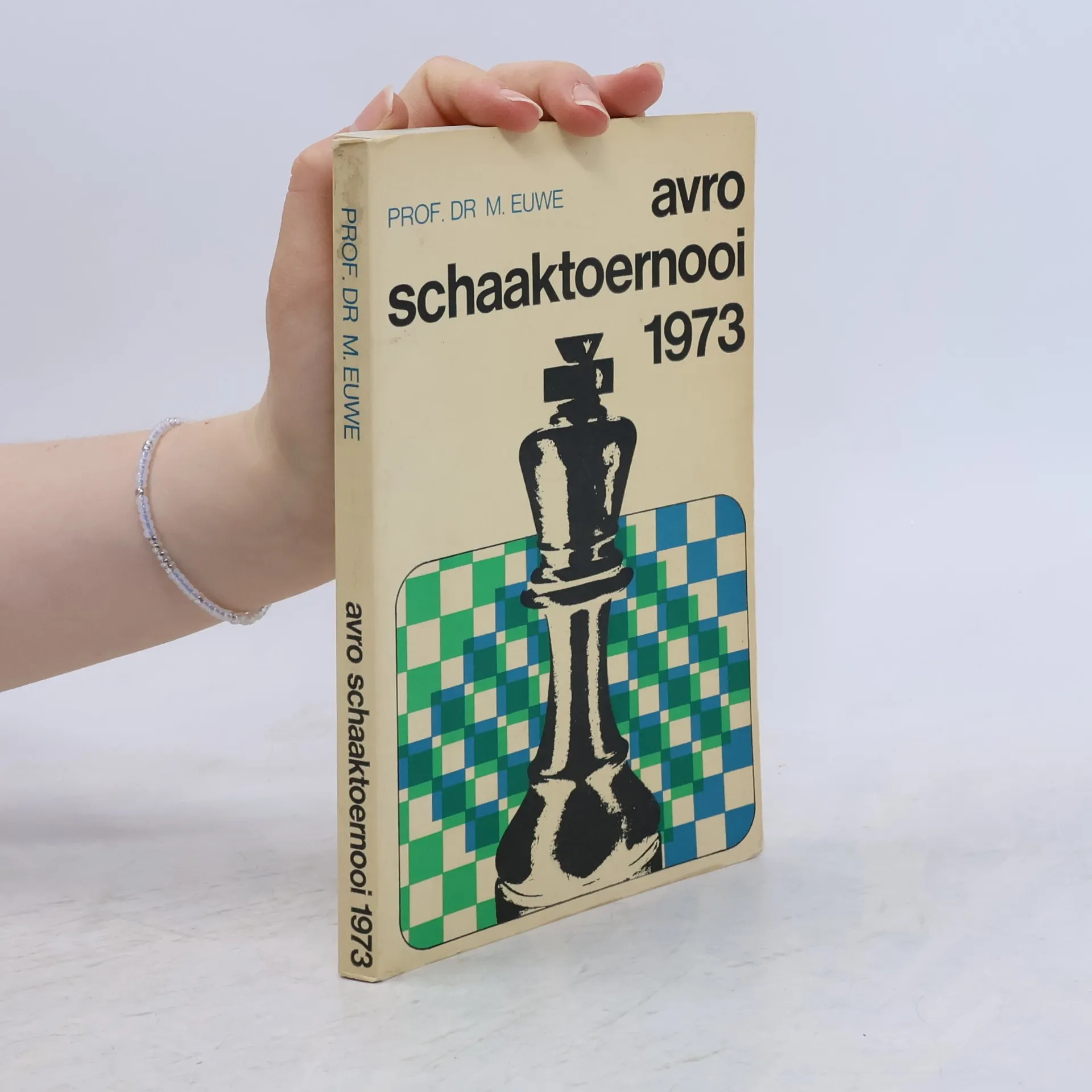
De naam A.V.R.O.-toernooi roept in de schaakwereld herinneringen op aan een der meest boeiende episodes uit de schaakgeschiedenis: de doorbraak van de jonge generatie op het einde der dertiger jaren. De jeugdige cracks Kashdan en Flohr boekten in de periode 1930-1934 weliswaar in enkele sterk bezette toernooien opvallende resultaten, maar zij slaagden er toch niet in zich blijvend boven Aljechin of Capablanca te classeren. Totdat in het toernooi te Nottingham 1936 twijfel ging rijzen aan de superioriteit der heersende klasse. Het was de A.V.R.O., die het initiatief nam tot het oplossen van 'het probleem der jongeren' door de organisatie van een supertoernooi ('noch nie da geweest'), waarin het jeugdige element volledig was vertegenwoordigd en het moest opnemen tegen drie wereldkampioenen. A.V.R.O. 1938 is in de schaakhistorie in gouden letters vereeuwigd. De jongeren zijn geslaagd: Keres, Fine en Botwinnik legden beslag op de eerste drie plaatsen. Zou A.V.R.O. 1973 opnieuw zo'n keerpunt worden? Het werd door de jongeren sterk gehoopt - maar door de ouderen nog niet al te zeer geloofd. Het is ook niet gebeurd, alhoewel - als men ooit weer tot zo'n examen zou besluiten de rollen wel eens omgedraaid zouden kunnen worden. In dit boek vindt U een film van het gehele gebeuren. Niet slechts alle partijen, waarvan de markantste werden geanalyseerd door de experts, doch eveneens leesstof voor minder sterken.