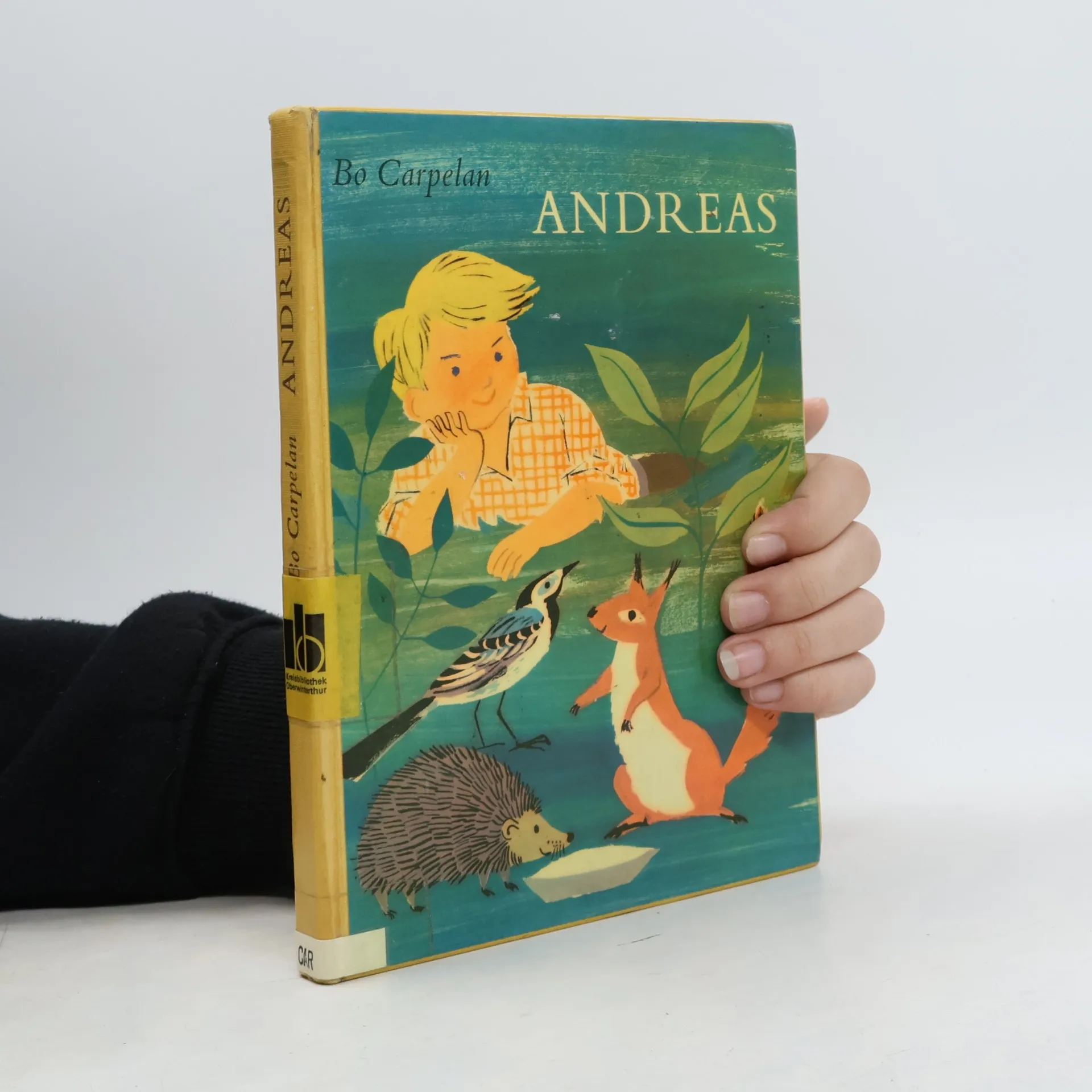
Der Junge von der Insel
- 142 Seiten
- 5 Lesestunden


Bo Carpelan, ein finnischer Autor schwedischer Sprache, schuf Werke, die sich durch ihre tiefgründige Erforschung der menschlichen Psyche und lyrische Naturbeschreibungen auszeichneten. Seine Gedichte und Prosa befassten sich häufig mit Themen wie Einsamkeit, Erinnerung und der Suche nach Sinn, wobei er einen unverwechselbaren stilistischen Ansatz verfolgte. Carpelans Schreiben ist bekannt für seine rhythmische Eleganz und evokative Bildsprache, die den Leser in introspektive und atmosphärische Erzählungen entführt.
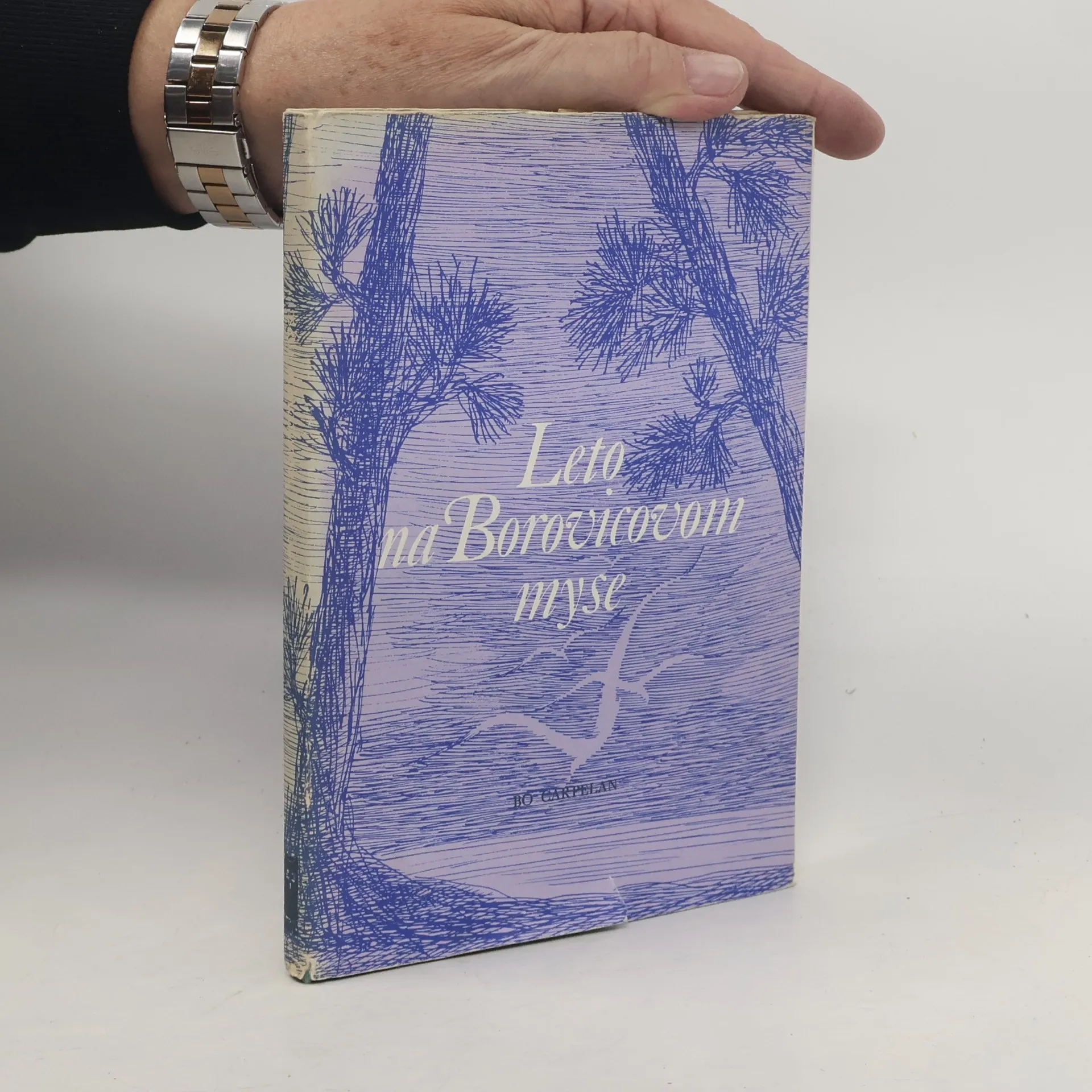


Tento príbeh sa odohráva na členitom pobreží juhovýchodného Fínska, kde sa stretáva drsná severská príroda s krehkým priateľstvom. Trinásťročný Johan, mestský chlapec, objavuje nový svet na Borovicovom myse, kde sa od civilizácie dostáva do čistej prírody. Zisťuje, že aj idylický život na vidieku je plný výziev, a že ľudia musia spolupracovať, aby prekonali ťažkosti. Počas trojmesačných prázdnin sa Johan spriatelí s Norou, dievčinou, ktorá sa stará o svojho chorého otca, a s Marvínom, chlapcom, ktorý sa vyrovnáva s následkami detskej traumy. Johan sa učí hodnotu priateľstva a empatie, keď pomáha Marvínovi prekonať strach z búrky. Skrze tieto zážitky si uvedomuje, že niekedy je potrebné byť sám, aby lepšie porozumel druhým a ich správaniu. Tento krehký, no silný príbeh zachytáva dôležité lekcie o priateľstve, súdržnosti a osobnom raste, pričom ponúka pohľad na krásu a výzvy života v prírode.
In 1868, amidst scarcity and famine in northern Finland, Axel, a keen and solitary observer, documents his experiences in a diary, vividly capturing a cultural and historical era—the final decades of Russian colonization and the rise of Finnish national consciousness. The narrative unfolds in two parts, following Axel's journey from a young musician overcoming a mysterious illness to aspiring violinist. Shadowing him is the sinister Dr. Wargentin, who instills feelings of failure and "spiritual invalidity." A harsh confrontation with reality seems inevitable, as loss and disappointment pave the way for a new beginning in 1900. Axel finds inspiration in Jean Sibelius, the renowned composer, whose music embodies a reconciliation between solitude and shared experience, promising spiritual renewal for the new century. Their paths cross, intertwining Axel's quest for meaning and ideals with Sibelius's musical genius. The backdrop of Sibelius's Fifth Symphony unfolds against the tumult of World War I, the October Revolution, Finland's civil war, and the struggle for independence, evolving into a grand yet intimate family saga.