

Bookbot

Johann Chapoutot

    30. Juli 1978

    Johann Chapoutot ist Professor für Zeitgeschichte an der Universität Sorbonne Nouvelle – Paris 3. Als Spezialist für die Geschichte der NS-Kultur und der zeitgenössischen politischen und kulturellen Geschichte taucht seine Arbeit tief in das Denken und Handeln der Nationalsozialisten ein. Er untersucht kritisch ihre Ideologie und deren tiefgreifende kulturelle Auswirkungen.

    Greeks, Romans, Germans
    The Law of Blood
    Gehorsam macht frei
    Der Nationalsozialismus und die Antike
    Das Gesetz des Blutes
    Gehorsam macht frei
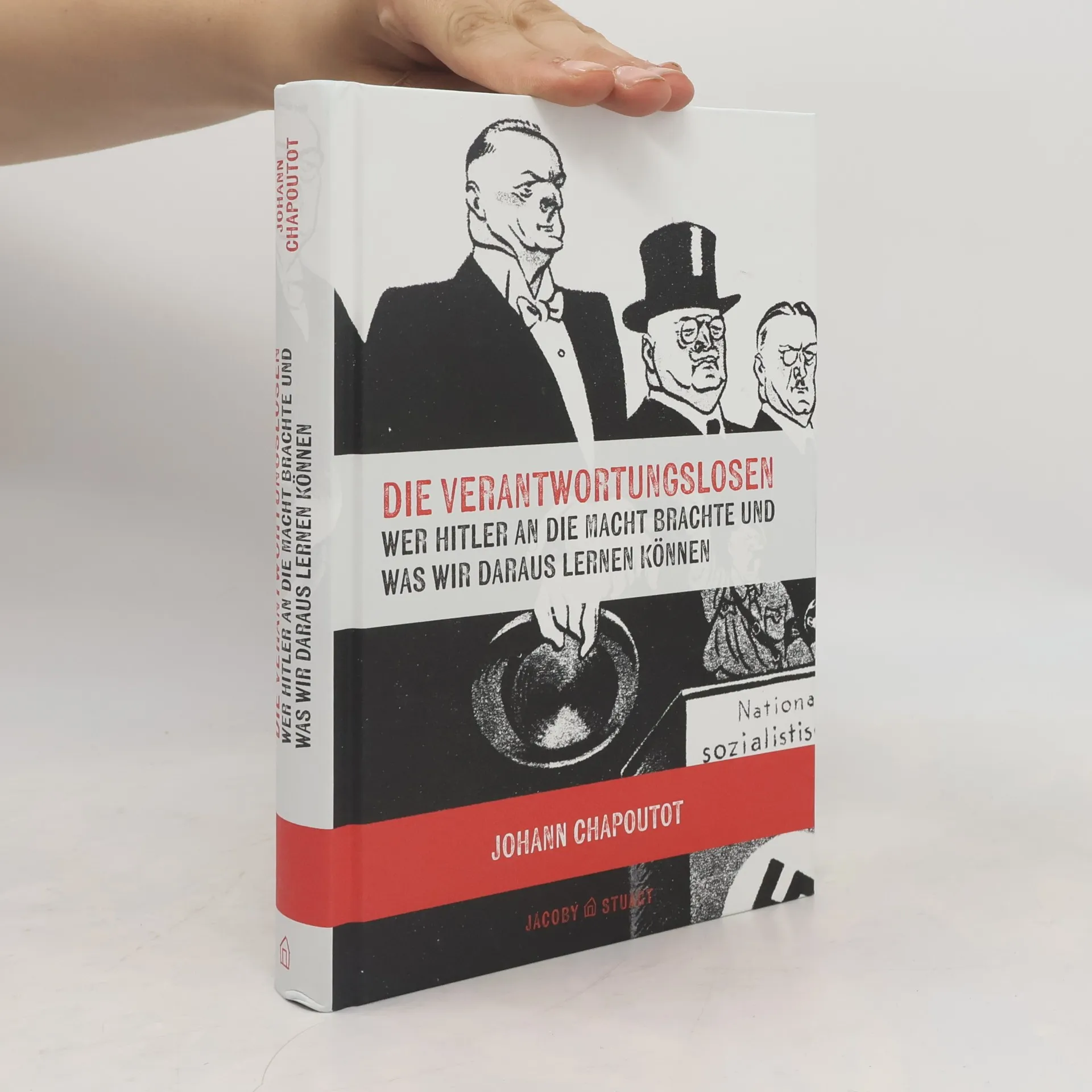
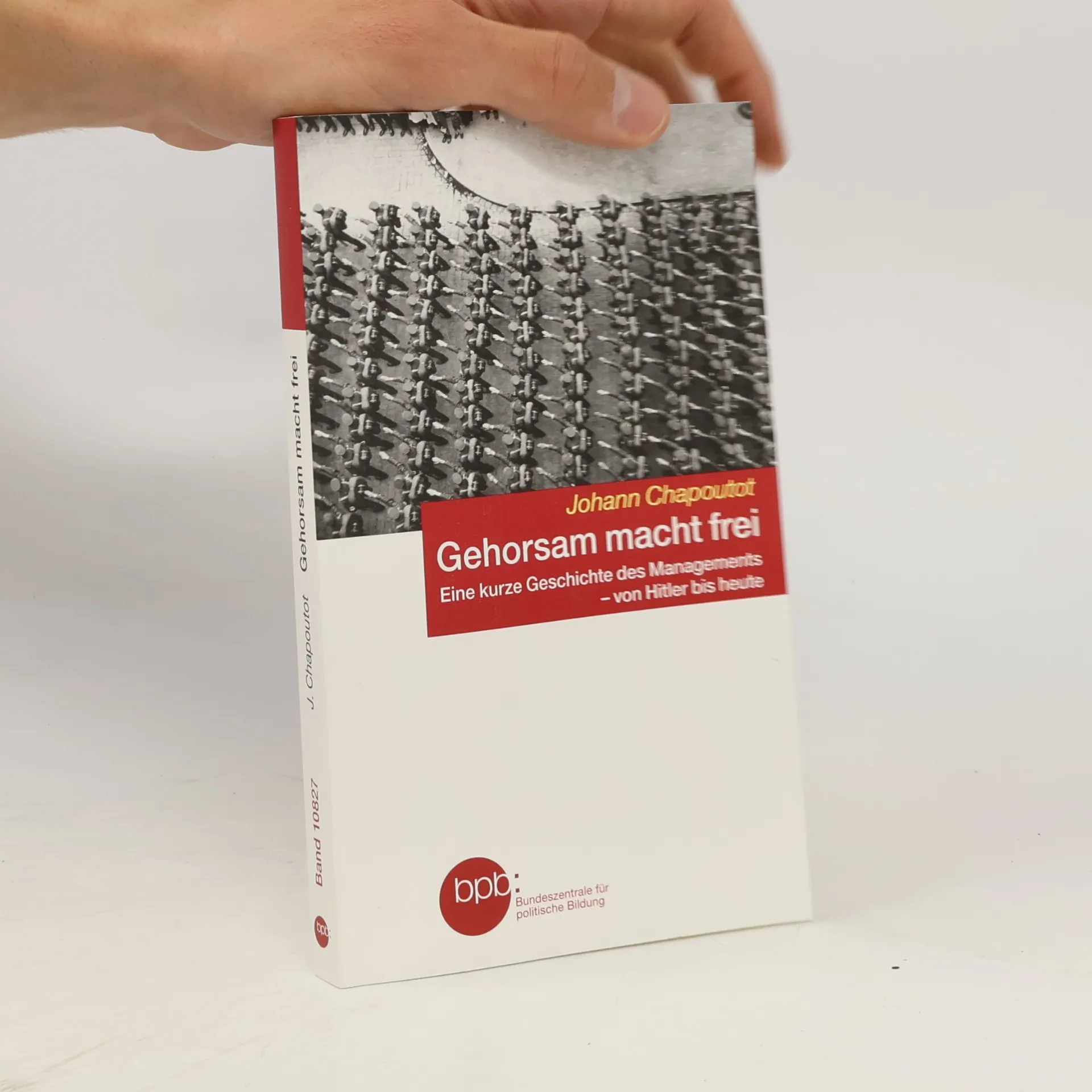
    • Gehorsam macht frei

      Eine kurze Geschichte des Managements – von Hitler bis heute

      Über 600 000 Führungskader – von BMW über Aldi bis Thyssen-Krupp – durchliefen die Akademie für Führungskräfte, die der fanatische NS-Jurist Reinhard Höhn 1956 in Bad Harzburg begründete und über Jahrzehnte hinweg leitete. Höhns beispielhafter Aufstieg zum Marketing-Guru wirft die beunruhigende Frage auf: Wie stark ist unsere Arbeitswelt noch heute vom Geist der NS-Zeit geprägt? Die NS-Kriegswirtschaft zielte konsequent auf Leistungsfähigkeit: Der Mensch wurde zum Produktionsfaktor, die „Volksgemeinschaft“ gehorchte dem „Führer“. Dieses Menschenbild setzte sich in der Bundesrepublik fort: Aus „Menschenführung“ wurde „Management“, auf die NS-Kriegsmaschinerie folgte die Massenproduktion der Konsumgesellschaft. Am Beispiel des Unternehmensberaters Reinhard Höhn legt Johann Chapoutot eine erschreckende Kontinuität im ökonomischen Denken vor und nach 1945 offen: Das Ziel unbedingter Leistungsbereitschaft zieht sich von den Vordenkern der NS-Kriegswirtschaft bis in die Handbücher der Unternehmensführung von heute.

      Gehorsam macht frei
      5,0
    • Das Gesetz des Blutes

      • 475 Seiten
      • 17 Lesestunden

      Die nationalsozialistische Weltanschauung und ihre Grundlagen beschreibt Johann Chapoutots Buch in einer sprachlich faszinierenden, umfassenden Darstellung und Analyse. Fundiert beschreibt er, wie weltanschauliche Inhalte im NS-Staat umgesetzt, rechtlich fundiert und als Handlungsanleitung der Gewaltherrschaft im Krieg etabliert wurden. Diese Ideen-und Ideologiegeschichte der NS-Zeit in den Jahren zwischen 1933 bis 1945 - mit Rückgriffen und -blicken bis ins ausgehende 19. Jahrhundert - fußt auf einem überwältigend breiten Quellenkorpus. Mittels unzähliger Zeugnisse von NS-Ideologen, Wissenschaftlern und Journalisten, eindrücklichen Propagandamaterialien, Reden, Korrespondenzen und vielem mehr erarbeitet Chapoutout die geistigen Grundlagen des ›Dritten Reichs‹. Großartig formuliert ist dies eine in dieser Form kaum zu erreichende Gesamtdarstellung des nationalsozialistischen Denkens.

      Das Gesetz des Blutes
      5,0
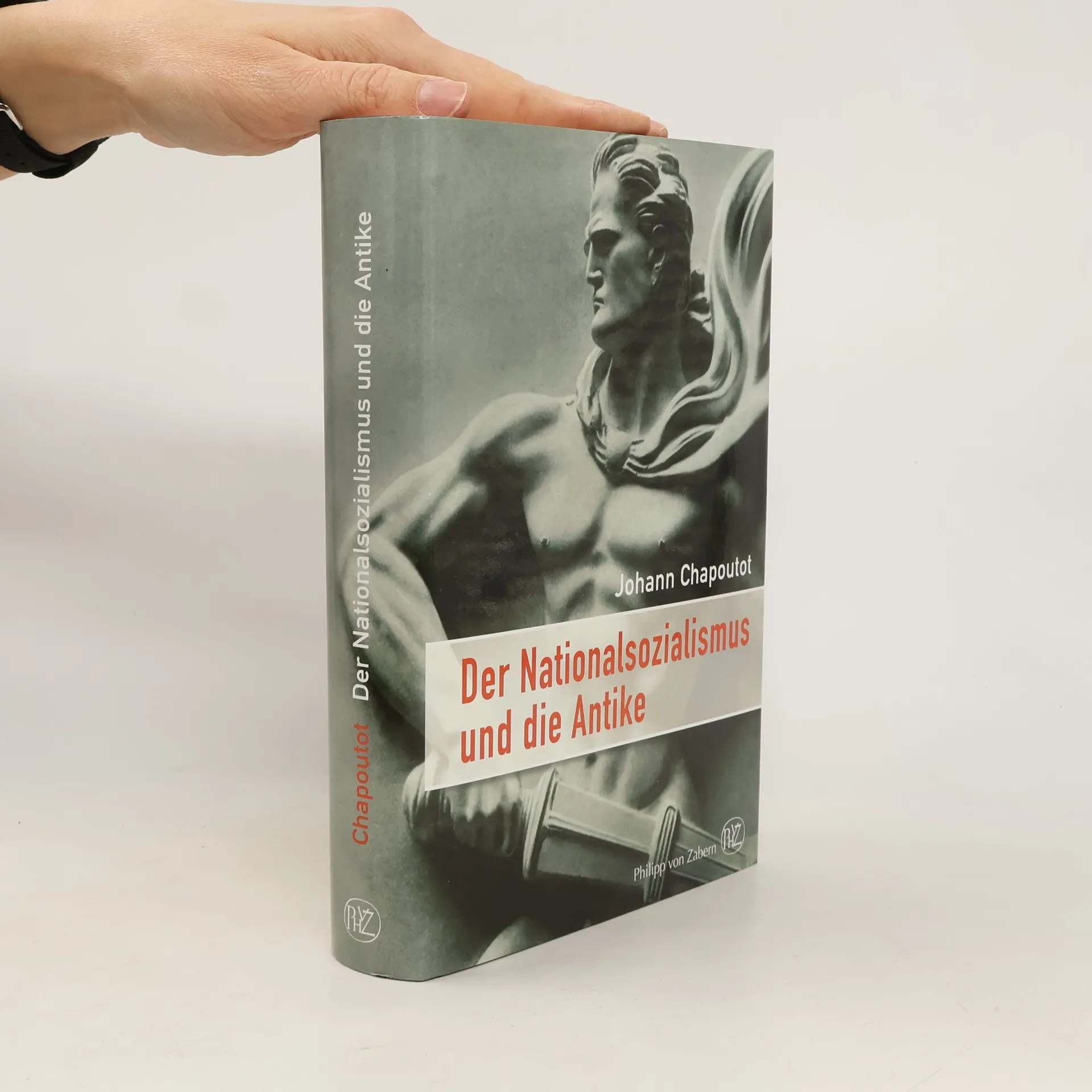
    • XBB;Wir haben keine Vergangenheit±, räsonierte Hitler über die verzweifelten Versuche der SS-Archäologen, die in den Wäldern Germaniens nach den Vorfahren der Deutschen gruben und lediglich Scherben zu Tage förderten. Die Vergangenheit einer Rasse, so Hitler, auf welche die Deutschen stolz sein könnten, befand sich deshalb in Griechenland und in Rom.0Die Inszenierung dieser erlogenen Abstammung breitete sich folgerichtig im öffentlichen Raum aus: in der neo-römischen Architektur, in der neo-griechischen Nacktheit in Kunst und Sport, in den Feldzeichen und Standarten der Aufmärsche oder in der antikisierenden, pathetischen Ästhetik der Parteitage.0Was eignete sich besser als Sparta, um einen neuen Menschen zu schaffen? Welches Beispiel konnte besser sein als Rom, um ein Imperium, ein Weltreich aufzubauen? Die bahnbrechende Darstellung von Johann Chapoutot belegt akribisch anhand zahlreicher Beispiele die totalitäre Instrumentalisierung der Antike für ein verbrecherisches Weltbild.

      Der Nationalsozialismus und die Antike
      4,0
    • The Law of Blood

      • 512 Seiten
      • 18 Lesestunden

      The scale and depth of Nazi brutality seem to defy understanding. What could drive people to fight, kill, and destroy with such ruthless ambition? Johann Chapoutot says we need to understand better how the Nazis explained it themselves, and in particular how steeped they were in the idea that history gave them no choice: it was either kill or die.

      The Law of Blood
      4,1
    • Greeks, Romans, Germans

      • 514 Seiten
      • 18 Lesestunden

      Much has been written about the conditions that made possible Hitler's rise and the Nazi takeover of Germany, but when we tell the story of the National Socialist Party, should we not also speak of Julius Caesar and Pericles? Greeks, Romans, Germans argues that to fully understand the racist, violent end of the Nazi regime, we must examine its appropriation of the heroes and lessons of the ancient world. When Hitler told the assembled masses that they were a people with no past, he meant that they had no past following their humiliation in World War I of which to be proud. The Nazis' constant use of classical antiquity—in official speeches, film, state architecture, the press, and state-sponsored festivities—conferred on them the prestige and heritage of Greece and Rome that the modern German people so desperately needed. At the same time, the lessons of antiquity served as a warning: Greece and Rome fell because they were incapable of protecting the purity of their blood against mixing and infiltration. To regain their rightful place in the world, the Nazis had to make all-out war on Germany's enemies, within and without.

      Greeks, Romans, Germans
      3,9
    • What if the rules of modern capitalism were written during the Third Reich? Reinhard Höhn (1904-2000) was a commander of the SS, one of Nazi Germany's most brilliant legal minds, and an archetype of the fervid technocrats and intellectuals that built the Third Reich. Following Germany's defeat, after a few years in hiding, he emerged in the early 1950s as the founder and director of a renowned management school in Lower Saxony. Höhn's story wouldn't be very different from that of many other prominent Nazis if not for the fact that a vast number of Germany's postwar business leaders--more than 600,000 executives--were educated at his management school. In this fascinating book, Johann Chapoutot, one of France's most brilliant historians, traces the profound links between Nazism and the principles of modern corporate management, our definitions of success, and a concept of personal freedom that masks rigid hierarchical structures of power and control. "One of the most gifted European historians of his generation."--Timothy Snyder, New York Times best-selling author of On Tyranny

      Free to Obey: How the Nazis Invented Modern Management
      3,3
    • Bibliothèque des Histoires: La loi du sang

      Penser et agir en nazi

      • 576 Seiten
      • 21 Lesestunden

      Les nazis ont agi d'une manière sans précédent dans l'histoire, provoquant un bouleversement en Europe, des déplacements massifs de populations, et des millions de personnes affamées et assassinées. La rapidité et la violence de ces actes sont stupéfiantes. Comment ont-ils réussi à combattre, planifier, conquérir et tuer en si peu de temps ? Ces actions reposent sur des motifs et des motivations, ainsi que sur des fondements normatifs encore peu explorés. Les abondantes sources historiques offrent un accès à des textes, images et discours qui prescrivent des actions et expliquent les raisons derrière celles-ci. Ce discours nazi évoque l'origine, déplore l'aliénation, souligne l'urgence et ordonne l'action. Il décrit des normes : autrefois, la race nordique agissait de manière saine, mais elle a été acculturée par des normes étrangères, comme le "judéo-christianisme", agissant ainsi contre sa nature. Les sources appellent à un retour à la loi de la nature et au sang. Des juristes, médecins, historiens, philosophes, membres du parti, raciologues, journalistes et cinéastes enseignent que, pour que la race survive dans un monde hostile, il faut procréer, combattre et régner. Ces éléments constituent les fondements normatifs de l'agir nazi.

      Bibliothèque des Histoires: La loi du sang
      4,5
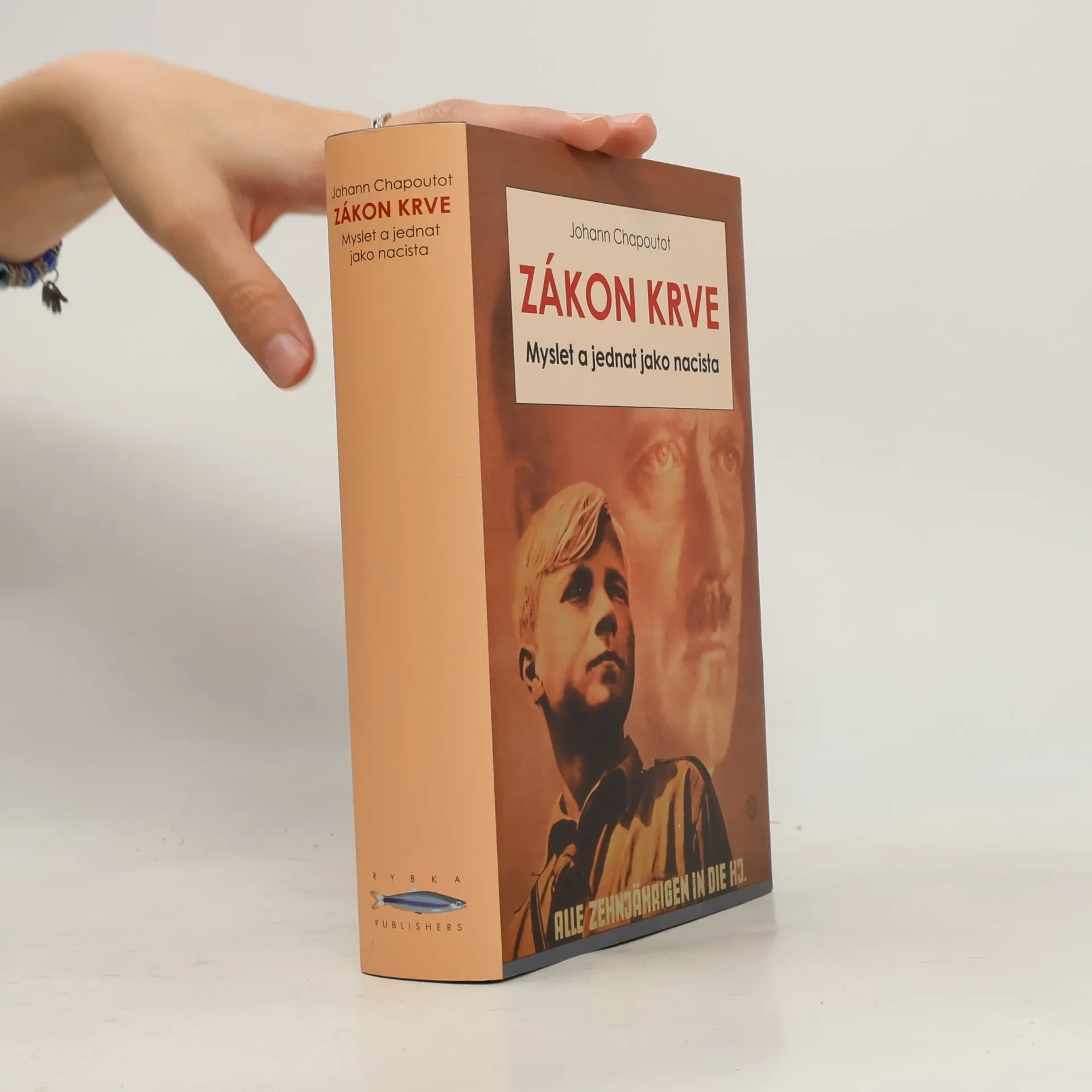
    • Hluboká analýza nacistického myšlení odhaluje, co znamená „myslet a jednat jako nacista“, a zkoumá, jak se to mohlo stát. Zatímco víme o zvěrstvech, která nacisté spáchali, a o plánech, které se naštěstí neuskutečnily, otázka, jak k tomu došlo, zůstává otevřená. Francouzský historik Johann Chapoutot ukazuje, že nacisté nebyli šílenci, ale jednali racionálně, považovali své činy za svatou povinnost. Věřili, že příroda a její zákony jim přikazují plodit, bojovat a vládnout, a že germánská rasa potřebuje dobýt životní prostor, aby mohla vládnout. Nacisté si idealizovali staré Germány, kteří žili v harmonii s přírodou, a obviňovali cizorodé myšlenky, jako židovství a křesťanství, z narušení této harmonie. Vnímali moderní ideologie jako hrozbu, přičemž za nimi viděli Židy jako hlavní nepřátele. Chapoutot se opírá o rozsáhlý materiál, včetně nacistických knih, článků a právních předpisů, aby ukázal, jak nacistické myšlení ovlivnilo všechny oblasti života. Zkoumá široké spektrum témat, od ochrany zvířat po pracovní právo, a ukazuje, jak mocně proměnilo tehdejší společnost.

      Zákon krve: myslet a jednat jako nacista
      4,8
    • Le meurtre de Weimar

      • 128 Seiten
      • 5 Lesestunden

      Quand la République de Weimar est-elle morte ? On retient généralement un événement central : l'appel à la chancellerie, à Berlin, d'Adolf Hitler. On ne prête guère d'attention à un autre fait, provincial, obscur : l'assassinat violent, dans un bourg reculé de Silésie, d'un ouvrier communiste par cinq SA ivres et brutaux. Débordé par une base impatiente et altérée de pouvoir, Hitler fait une entorse à son légalisme proclamé et prend fait et cause pour les assassins. Devant la menace, le gouvernement commue la peine des meurtriers. L'Etat de droit prend fin : les nazis revendiquent une nouvelle légalité, qui fait des meurtriers des soldats et d'un crime un acte de guerre ou de justice. Ce fait divers invite à une histoire politique et culturelle de la République de Weimar, mais aussi du parti nazi : le contentieux entre la base SA et la hiérarchie du parti devait être réglé plus tard, lors de la nuit des longs couteaux.

      Le meurtre de Weimar
      4,3