Bookbot

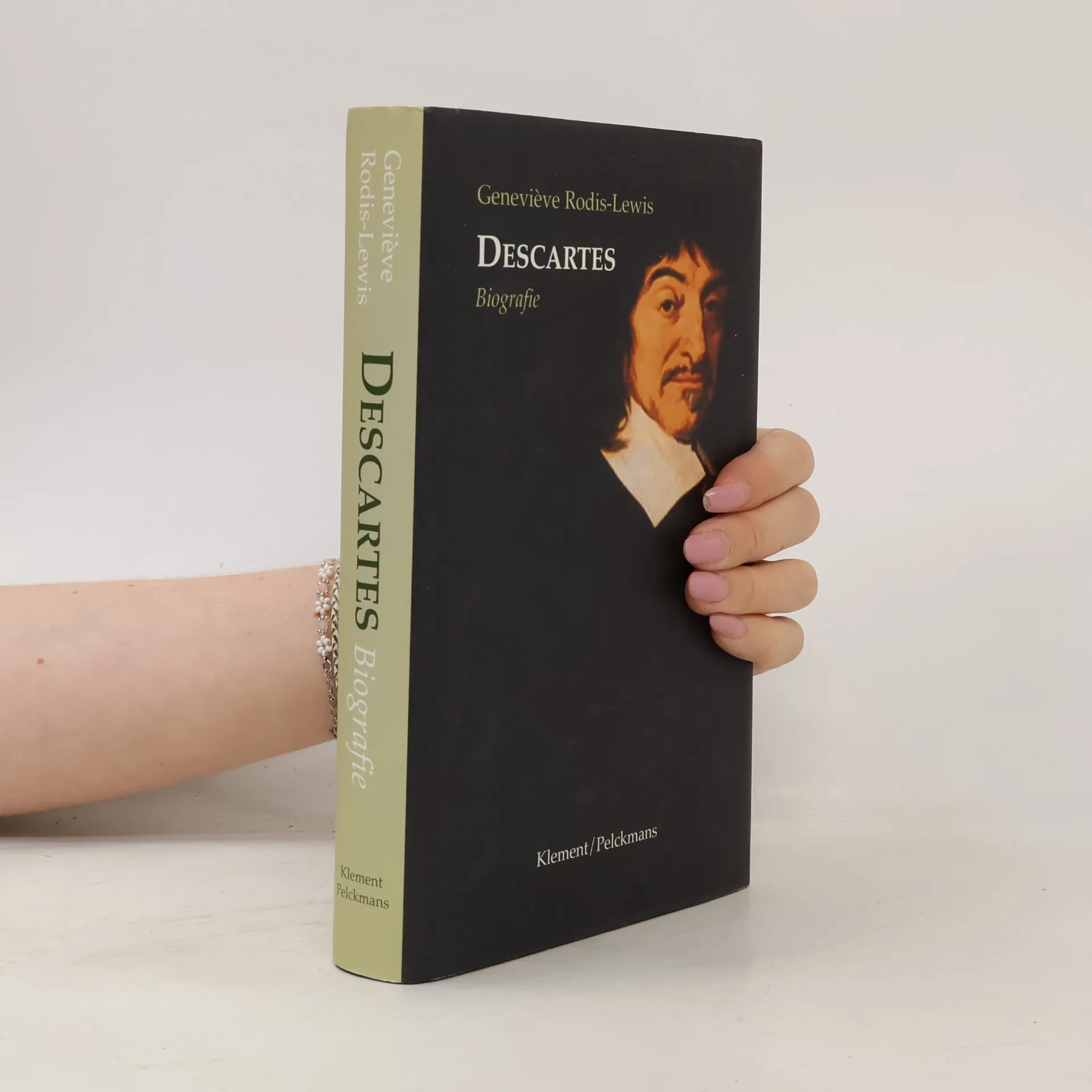
Geneviève Rodis Lewis

    Descartes
    Descartes et le rationalisme
    Discours de la méthode pour bien conduire sa raison et chercher la vérité dans les sciences
    Classiques Français: Les passions de l'âme
    • Passion en morale se dit des différentes agitations de l'âme selon les divers objets qui se présentent à ses sens. Les philosophes ne s'accordent pas sur le nombre des passions (...). Voyez surtout M. Descartes qui a fait un beau traité des Passions d'une manière physique. (Dictionnaire de Furetière).

      Classiques Français: Les passions de l'âme
      3,4
    • Doch sofort bemerkte ich, dass, während ich dachte, alles sei falsch, ich, der dies dachte, notwendigerweise etwas sein musste. Und als ich erkannte, dass diese Wahrheit: Ich denke, also bin ich, so fest und so sicher war, dass selbst die extravagantesten Annahmen der Skeptiker sie nicht erschüttern konnten, hielt ich es für gerechtfertigt, sie ohne Bedenken als ersten Grundsatz der Philosophie zu akzeptieren. Ausgehend von der Erkenntnis, dass die Gültigkeit seines Wissens nicht sicher ist, beschließt Descartes, die intellektuelle Übung des Zweifels zu praktizieren. Indem er alles Wissen beiseite schiebt, hofft er, die Gewissheit einiger Wahrheiten zu erlangen, auf denen er die Wissenschaft gründen kann.

      Discours de la méthode pour bien conduire sa raison et chercher la vérité dans les sciences
      3,4
    • Descartes

      Biografie

      • 352 Seiten
      • 13 Lesestunden

      This major intellectual biography illuminates the personal and historical events of Descartes's life, from his birth and early years in France to his death in Sweden, his burial, and the fate of his remains. Concerned not only with historical events but also with the development of Descartes's personality, Rodis-Lewis speculates on the effect childhood impressions may have had on his philosophy and scientific theories. She considers in detail his friendships, particularly with Isaac Beeckman and Marin Mersenne. Primarily on the basis of his private correspondence, Rodis-Lewis gives a thorough and balanced discussion of his personality. The Descartes she depicts is by turns generous and unforgiving, arrogant and open-minded, loyal in his friendships but eager for the isolation his work required. Drawing on Descartes's writings and his public and private correspondence, she corrects the errors of earlier biographies and clarifies many obscure episodes in the philosopher's life.

      Descartes