

Focusing on the practice of Vajrasattva, this volume presents Ringu Tulku Rinpoche's teachings, making them accessible to a broader audience. It includes a commentary on the Vajrasattva practice as outlined in the Brief Recitations for the Four Preliminary Practices by His Holiness the 17th Karmapa. Readers will find detailed descriptions of Refuge and Vajrasattva practices, along with the full root text, enabling them to engage in their own spiritual practice.
Ringu Tulku Reihenfolge der Bücher (Chronologisch)
Ringu Tulku ist ein bedeutender Lama der Kagyu-Schule des tibetischen Buddhismus und ein Verfechter der überkonfessionellen Rimé-Bewegung. Seine Arbeit befasst sich mit der tiefgreifenden Integration buddhistischer Prinzipien in die heutige Welt und betont die universellen Botschaften von Mitgefühl und Weisheit. Durch seine Lehren und Schriften macht er komplexe buddhistische Lehren für ein globales Publikum zugänglich und fesselnd, was gegenseitiges Verständnis und spirituelles Wachstum fördert.

The Ri-me Philosophy of Jamgon Kongtrul the Great
A Study of the Buddhist Lineages of Tibet
- 336 Seiten
- 12 Lesestunden
Focusing on the Ri-me movement, this study offers a thorough exploration of Tibetan Buddhism, highlighting its history and philosophy. It features a biography of Jamgön Kongtrul the Great, the movement's influential leader, and provides summaries of eight major lineages, detailing their unique practices and teachings. The text also addresses key disputed concepts and presents an overview of both ancient and contemporary tantras, making it a comprehensive resource for understanding this significant aspect of Tibetan spiritual tradition.
Mind Training
- 160 Seiten
- 6 Lesestunden
This small accessible book contains the essence of the Seven-Point Mind Training, expressed in the intimate colloquial style that distinguishes Ringu Tulku's teachings. The Seven-Point Mind Training, a lojong practice, assumes no prior special training or preparation. It does not require practitioners to enter seclusion or change the way they live their lives. It asks that they examine their relationships with all those around them and make a strong determination to become enlightened for others' sake rather than for their own. It gives instructions for tonglen breathing practice that ties the concepts of lojong to the physical act of breathing. Mind Training focuses simply on giving up, self-cherishing, and transforming self-centered thinking into compassion, egoistic feelings into altruism, desire into acceptance, and resentment into joy.
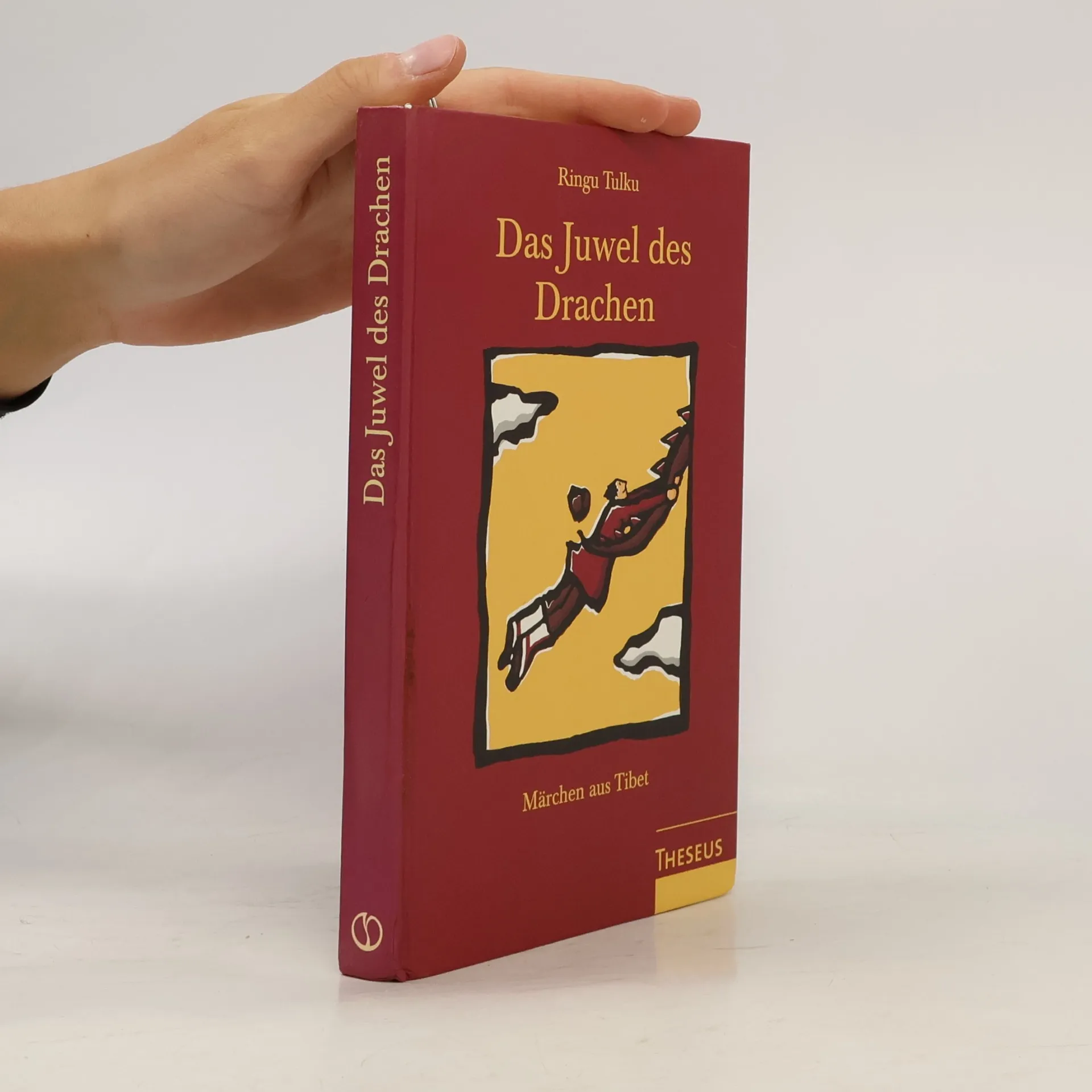
Das Juwel des Drachen
- 116 Seiten
- 5 Lesestunden