Malcolm GladwellReihenfolge der Bücher (Chronologisch)
3. September 1963
Malcolm Gladwell ist der Autor von Bestsellern, die sich mit unerwarteten Zusammenhängen und treibenden Kräften beschäftigen, welche unser Denken und Handeln formen. Mit seinem charakteristischen Erzählstil verbindet er scheinbar unzusammenhängende Ideen und Forschungsergebnisse mit fesselnden Geschichten, um tiefere Wahrheiten über die Welt um uns herum aufzudecken. Seine Arbeit regt dazu an, neu zu überdenken, wie wir Erfolg, Fehlbarkeit und alltägliche Phänomene wahrnehmen, und bietet neue Perspektiven auf die menschliche Psyche und gesellschaftliche Dynamiken. Gladwell konzentriert sich darauf, verborgene Muster aufzudecken und stattet die Leser mit Werkzeugen aus, um die Komplexität des modernen Lebens besser zu verstehen.
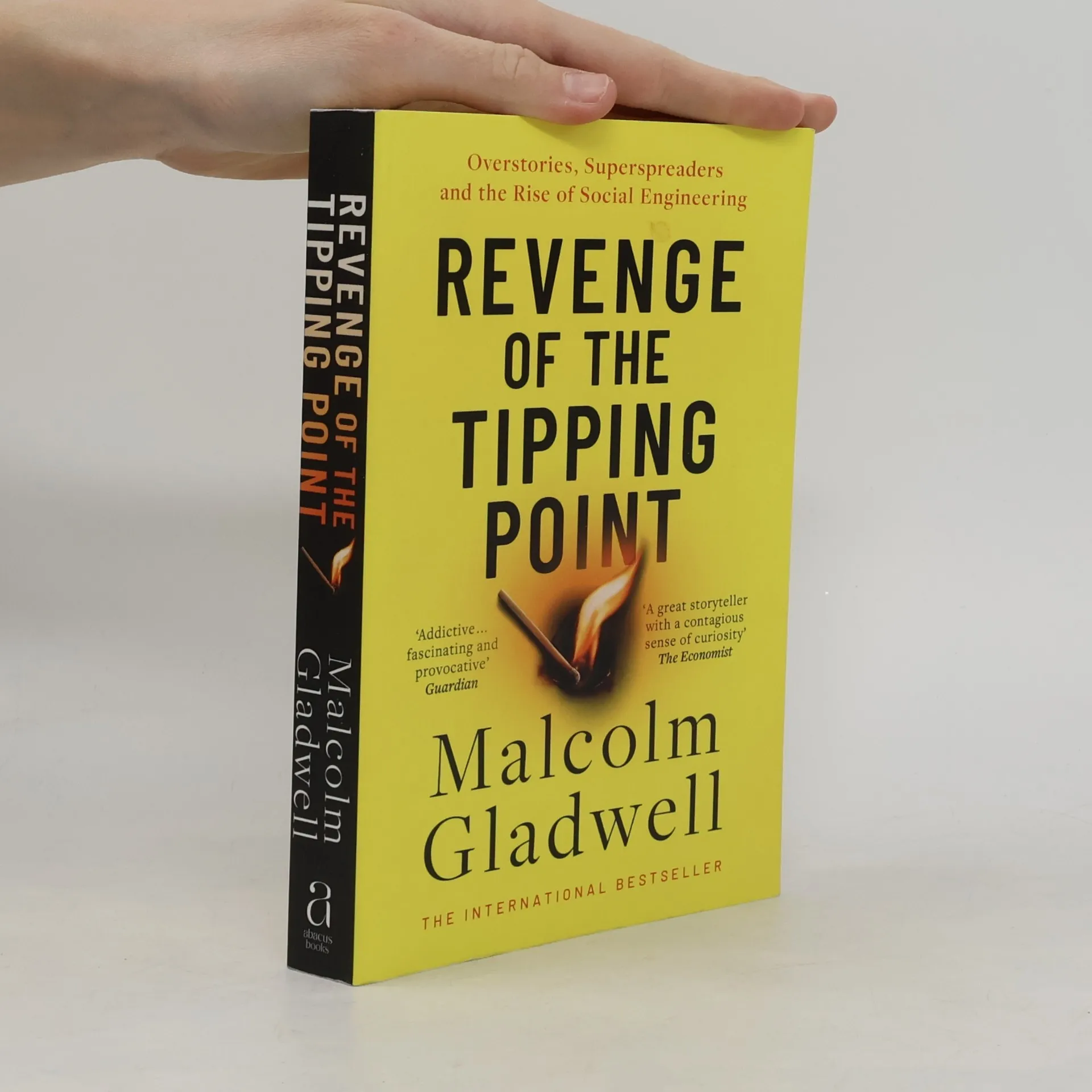
Revisiting the concepts from his influential first book, the author offers fresh insights that challenge and expand upon the original ideas. This new volume explores how social dynamics and cultural phenomena evolve over time, providing a deeper understanding of the mechanisms behind change and influence in society. Gladwell's latest work promises to engage readers with thought-provoking perspectives that resonate with contemporary issues.
Ein Kunstexperte sieht eine 10 Millionen Dollar teure Skulptur und erkennt sofort, dass sie eine Fälschung ist. Ein Psychologe weiß innerhalb von Minuten, ob ein Paar zusammenbleiben wird. Ein Feuerwehrmann in einem brennenden Gebäude »spürt« plötzlich, dass er sofort raus muss. In diesem Buch geht es um diese Momente, in denen wir etwas »wissen«, ohne zu wissen, warum. Der Bestsellerautor Malcolm Gladwell erforscht das Phänomen dieser »Blink«-Momente und zeigt, dass ein schnelles Urteil oft weitaus effektiver sein kann als eine vorsichtige Entscheidung. Wenn Sie Ihrem Instinkt vertrauen, so zeigt er, werden Sie nie wieder auf dieselbe Art und Weise denken. Denn wie wir denken, ohne zu denken, erklärt, warum manche Menschen brillante Entscheider sind, während andere nahezu immer danebenliegen. »Blink« veranschaulicht, dass die besten Entscheider nicht diejenigen sind, die am meisten Informationen verarbeiten oder die längste Zeit mit Überlegungen verbringen, sondern diejenigen, welche die Kunst des »thin-slicing« perfektioniert haben – das Herausfiltern der wenigen Faktoren, die wirklich wichtig sind, aus einer überwältigenden Anzahl von Variablen.
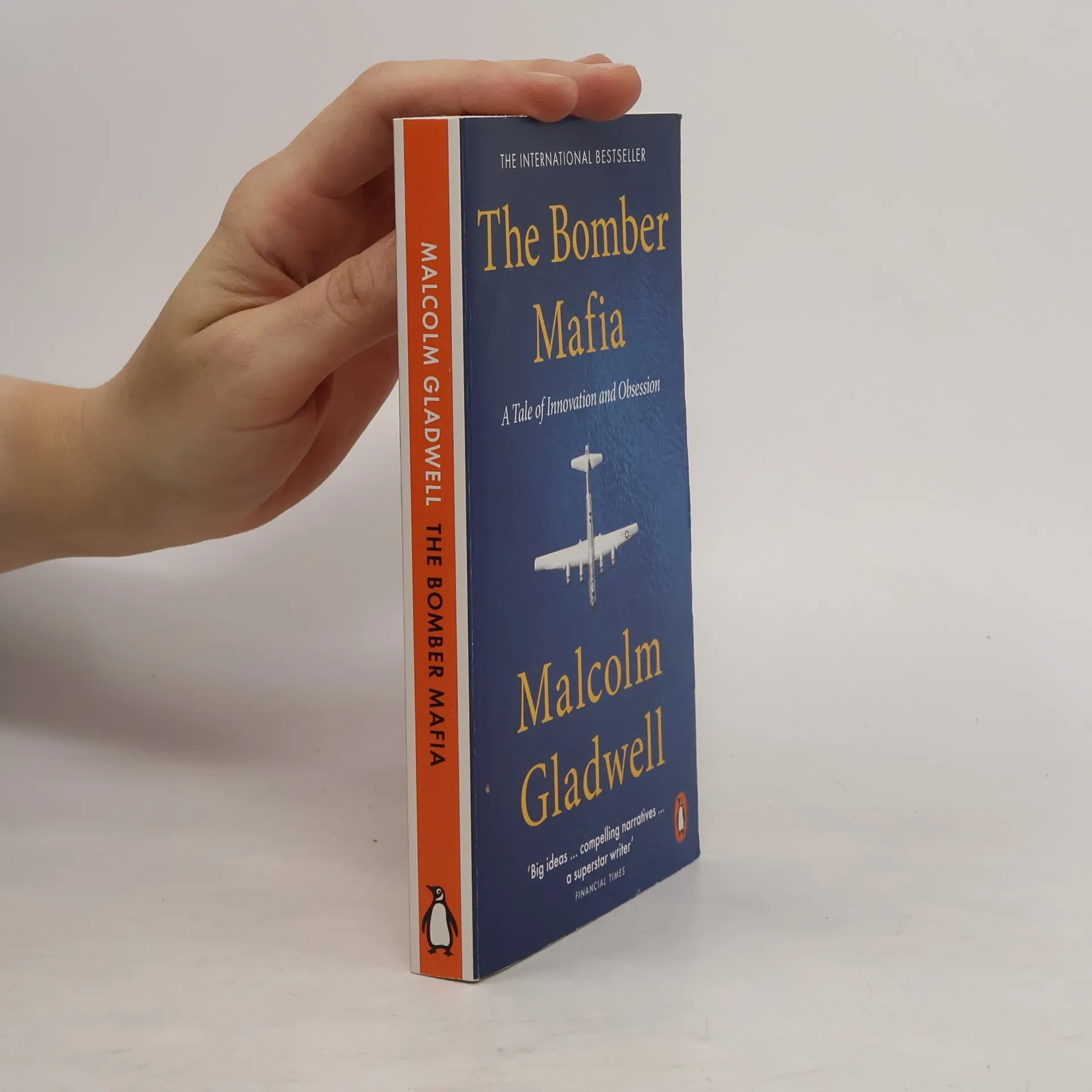
THE NEW YORK TIMES BESTSELLER 'A parable written for the age of technological disruption . . . brilliantly told' Sunday Times The international bestselling author returns with an exploration of one of the grandest obsessions of the twentieth century 'The Bomber Mafia is a case study in how dreams go awry. When some shiny new idea drops from the heavens, it does not land softly in our laps. It lands hard, on the ground, and shatters.' In the years before the Second World War, in a sleepy air force base in central Alabama, a small group of renegade pilots put forth a radical idea. What if we made bombing so accurate that wars could be fought entirely from the air? What if we could make the brutal clashes between armies on the ground a thing of the past? This book tells the story of what happened when that dream was put to the test. The Bomber Mafia follows the stories of a reclusive Dutch genius and his homemade computer, Winston Churchill's forbidding best friend, a team of pyromaniacal chemists at Harvard, a brilliant pilot who sang vaudeville tunes to his crew, and the bomber commander, Curtis Emerson LeMay, who would order the bloodiest attack of the Second World War. In this tale of innovation and obsession, Gladwell asks: what happens when technology and best intentions collide in the heat of war? And what is the price of progress?
Unsere Instrumente und Strategien, mit denen wir andere Menschen verstehen wollen, funktionieren nicht, schreibt Bestsellerautor Malcolm Gladwell. Und weil wir nicht wissen, wie wir mit Fremden reden sollen, kommt es immer wieder zu Missverständnissen, zu Krisen und Konflikten. Amanda Knox beteuert ihre Unschuld, von den italienischen Richtern wird sie dennoch wegen Mordes verurteilt. Anleger fallen auf Betrüger wie Bernie Madoff rein, die CIA lässt sich von Castros Spionen täuschen, und immer wieder deuten wir die Worte der anderen einfach falsch. Gladwell beschreibt diese dramatischen Fälle des Aneinandervorbeiredens und zeigt, warum unsere Zusammentreffen mit denen, die wir nicht kennen und die uns fremd sind, so oft scheitern. Wir reden an dem anderen vorbei, weil wir mit seinen Erwartungen und Empfindungen nicht vertraut sind. Gladwell gibt unserer Kommunikation einen Rahmen: Sein Buch ist eine kluge Analyse der psychologischen Faktoren, die unser Reden und Verhalten bestimmen. Und es ist ein Ratgeber in Zeiten, in denen überall Missverständnisse lauern, weil wir uns heute mehr denn je mit Menschen verständigen müssen, die uns nicht vertraut sind.
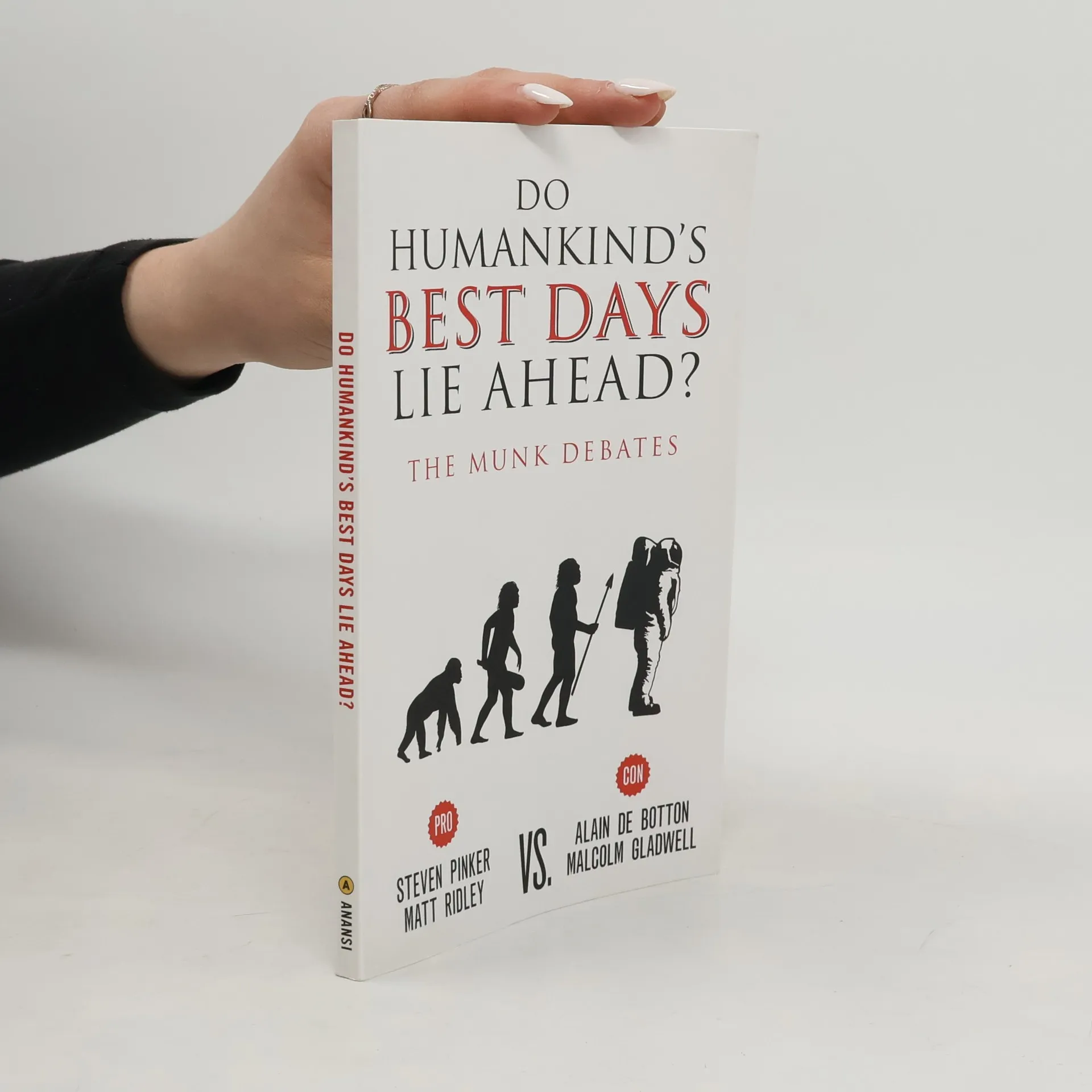
"Progress. It is one of the animating concepts of the modern era. From the Enlightenment onwards, the West has had an enduring belief that through the evolution of institutions, innovations, and ideas, the human condition is improving. This process is supposedly accelerating as new technologies, individual freedoms, and the spread of global norms empower individuals and societies around the world. But is progress inevitable? Its critics argue that human civilization has become different, not better, over the last two and a half centuries. What is seen as a breakthrough or innovation in one period becomes a setback or limitation in another. In short, progress is an ideology not a fact; a way of thinking about the world as opposed to a description of reality. In the seventeenth semi-annual Munk Debates, which was held in Toronto on November 6, 2015, pioneering cognitive scientist Steven Pinker and best-selling author Matt Ridley squared off against noted philosopher Alain de Botton and best-selling author Malcolm Gladwell to debate whether humankind's best days lie ahead, "--Amazon.com.
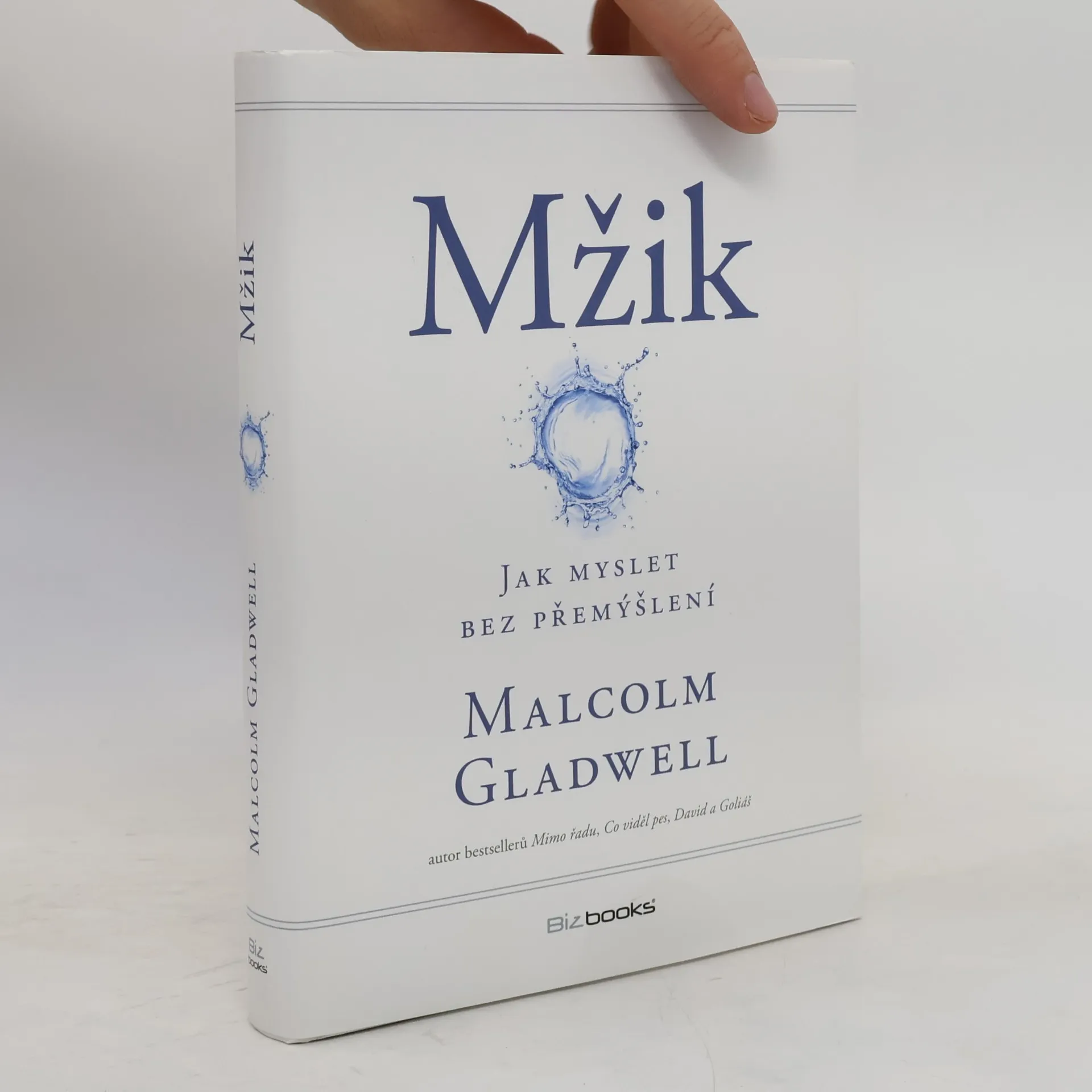
Co se děje v našem mozku, když se musíme rychle rozhodnout a nemáme čas přemýšlet? Jak je možné, že znalec umění rozpozná na první pohled padělek, který neodhalily komplikované testy? Jak se stane, že vycvičení policisté zabijí v přestřelce nevinného člověka, protože ho považovali za zločince? Můžeme se spoléhat na stereotypy, anebo nás zradí? Momenty našeho instinktivního rozhodování zkoumá ve své nejnovější knize Mžik americký novinář Malcolm Gladwell. Ukazuje, že není důležité mít co nejvíce informací, ale vybrat si ty podstatné.
Jak myslet bez přemýšlení.
Mžik je o jednom prostém faktu: Velmi rychlá a leckdy zdánlivě neuvážená rozhodnutí mohou být stejně dobrá jako rozhodnutí opatrná a rozvážná. Není totiž důležité mít co nejvíce informací, ale vybrat si ty podstatné. Schopnost mít jasno již v prvních dvou sekundách nebývá podle autora knihy Malcolma Gladwella žádným darem shůry, kterým disponuje pár šťastlivců. Je to schopnost, kterou v sobě může vypěstovat každý z nás. Čtenáři velmi oblíbený americký novinář v knize podrobně zkoumá momenty našeho instinktivního rozhodování a popisuje, co se děje v mozku, když se musíme rychle rozhodnout, ale nemáme čas přemýšlet. Rychlá rozhodnutí autor demonstruje na skutečných příbězích někdy i se špatným koncem. Ten mívají obvykle na svědomí rozhodnutí učiněná na základě předsudků či zavedených stereotypů.
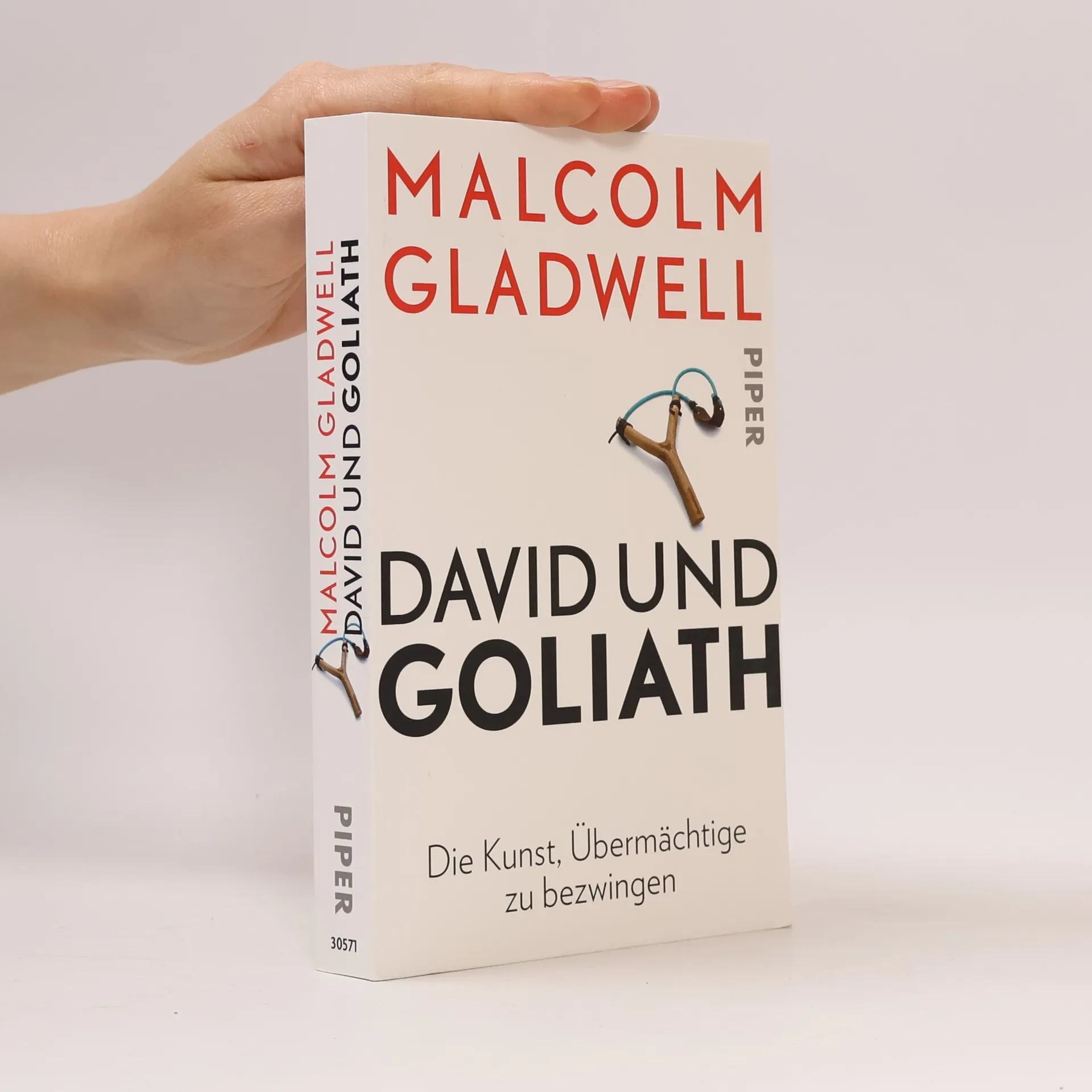
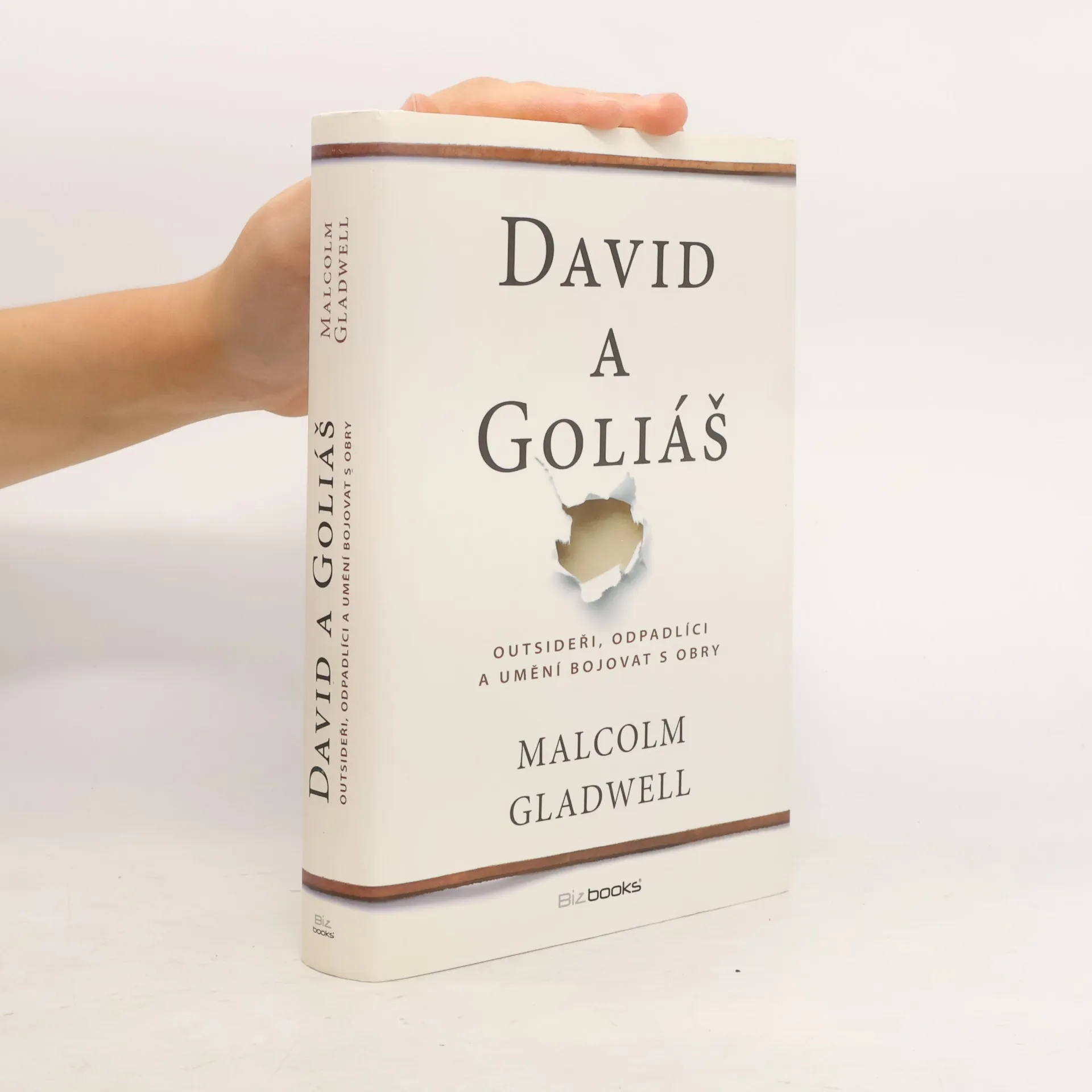
Malcolm Gladwell ve své nejnovější knize zpochybňuje naše obvyklé vnímání toho, co je překážka a co naopak nevýhoda. Zároveň nabízí novou interpretaci faktů, co pro člověka znamená trpět dyslexií, chodit do prestižní školy, přijít v dětství o rodiče nebo čelit diskriminaci.Vychází z biblické legendy o Davidu a Goliášovi a zavede nás znovu na bitevní pole ve staré Palestině. Také ale na příbězích z nedávné doby ukazuje, jak mohou obyčejní lidé čelit Goliášům nejrůznějšího druhu.
»David und Goliath« erzählt von gewöhnlichen Menschen, die sich Riesen entgegenstellen. Gegen erdrückende Mächte können auch scheinbar unterlegene Gegner siegen. Ob listige Krieger, geschickte Sportler oder geniale Softwareingenieure: Gladwell zeigt mit einer Fülle von Beispielen und in dem von ihm gewohnten originell-argumentierenden wie sorgfältig begründeten Stil, dass Triumph keine Frage der Größe, sondern der inneren Haltung ist. Lehrreich und spannend!
Essays Illustrating Fundamental Contributions to Society
288 Seiten
11 Lesestunden
Psychology and the Real World: Essays Illustrating Fundamental Contributions to Society is a collection of brief, personal, original essays, ranging in length from 2500 to 3500 words, in which leading academic psychologists describe what their area of research has contributed to society. The authors are true stars in the field of psychology. Some of their work (for example, Elizabeth Loftus’s studies of false memories, Paul Ekman’s research on facial expression, and Eliot Aronson’s “jigsaw,” or cooperative, classroom studies) is well known to the public. The research of others is less familiar to nonspecialists, but no less fascinating. The book is unique the world of textbook ancillaries in that it does not reprint writings. Rather, innovative psychological scientists clearly and entertainingly tell readers why their research matters and how their line of inquiry developed. The concept for the book came from the FABBS Foundation, a nonprofit educational foundation that supports the work of 22 scholarly societies that span the cognitive, psychological, behavioral, and brain sciences.The authors have volunteered their contributions. These authors have agreed that all grants, advances, and royalties and other financial earnings from this volume will go to the FABBS Foundation to support their educational mission.
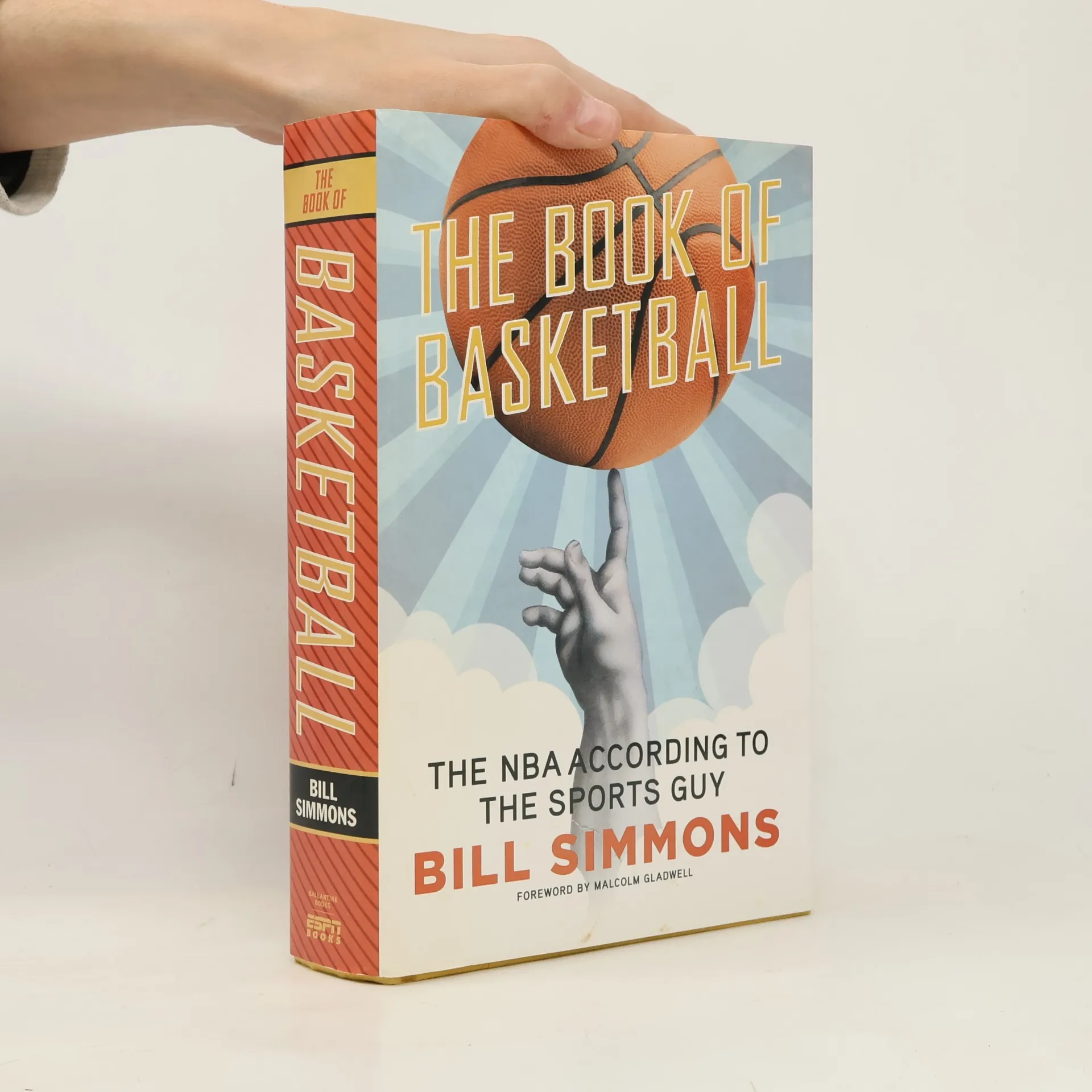
There is only one writer on the planet with the basketball knowledge and passion to create the definitive work on the NBA. Bill Simmons, known to millions as ESPN.com’s Sports Guy, is that writer. This book is an opinionated and entertaining exploration of pro basketball's past, present, and future. It tackles age-old debates, such as the rivalry between Bill Russell and Wilt Chamberlain and the question of the greatest team of all time, providing definitive answers. Simmons reevaluates the selection process for NBA Hall of Fame inductees and proposes a complete overhaul of the institution, resulting in a unique five-level shrine to the ninety-six greatest players in basketball history. He delves into the essence of the game, using insights from an NBA great to reveal the coveted Secret of Basketball. Comprehensive, authoritative, controversial, and hilarious, this book offers every hardwood fan an unparalleled experience alongside the game’s most passionate and insightful chronicler. It’s a must-read for anyone who loves the sport, even those who may not root for the Celtics.
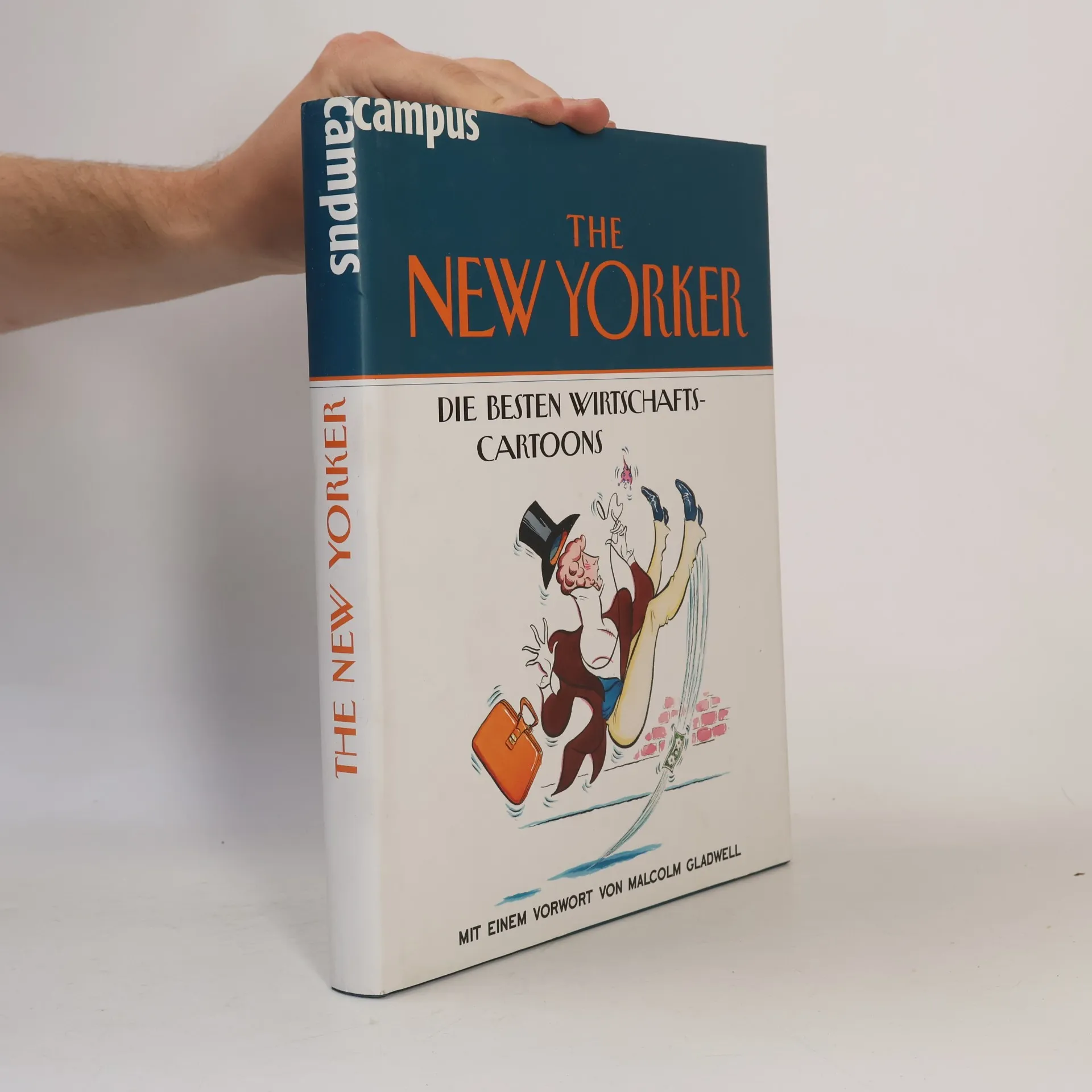
Die Welt der Wirtschaft mit all ihren Höhenflügen und Abgründen ist Thema dieses opulenten Geschenkbuches. Über 400 Karikaturen, abgedruckt in der amerikanischen Kult-Zeitschrift The New Yorker, werfen ein immer neues Licht auf Banking, Beschäftigung, Börsen und Bilanzen. Subtil und ironisch zeigen sie die allzu menschlichen Seiten des knallharten Geschäfts. Ein Hochgenuss!
Inhalt§Vorwort§Teil 1 - Besessene, Pioniere und andere kleine Genies§Der Straßenhändler - Ron Popeil und die Eroberung der amerikanischen Küche§Das Ketchup-Rätsel - Warum gibt es Dutzende Senfsorten, aber nur einen Ketchup?§Der schwarze Schwan - Nassim Taleb und die Unvermeidlichkeit des Scheiterns als Investmentstrategie§Farbe bekennen - Haarfärbemittel und die vergessene Geschichte der amerikanischen Nachkriegszeit§John Rocks Fehler - Was der Erfinder der Pille über Frauen nicht wusste§Was der Hund sah - Cesar Millan und das Geheimnis der Bewegung§Teil 2 - Theorien, Prognosen und Diagnosen§Offene Geheimnisse - Warum zu viel Information schädlich ist§Der millionenschwere Penner - Warum manche Probleme leichter zu lösen sind als zu verwalten§Bilderrätsel - Brustkrebs, Luftkrieg und die Grenzen des Sehens§Nur geliehen - Muss ein Plagiatsvorwurf Ihr Leben ruinieren?§Verbinde die Punkte - Die Widersprüche der Geheimdienstreform§Die Kunst des Versagens - Warum manche Menschen blockieren und andere in Panik geraten§Blow-up - Wer ist Schuld an der Challenger-Katastrophe? Niemand. Wir sollten uns an solche Unglücke gewöhnen§Teil 3 - Persönlichkeit, Charakter und Intelligenz§Spätzünder - Müssen Genies immer Wunderkinder sein?§Vielleicht die beste Wahl - Wen sollen wir einstellen, wenn wir nicht wissen, wer geeignet ist?§Gefährliche Gedanken - Verbrecherfahndung leicht gemacht§Mythos Talent - Wird Intelligenz überbewertet?§Neue Seilsch
Malcolm Gladwell, Bestsellerautor und Star des amerikanischen Buchmarkts, hat die wahren Ursachen des Erfolgs untersucht und darüber ein lehrreiches, faszinierendes Buch geschrieben. Es steckt voller Geschichten und Beispiele, die zeigen, dass auch außergewöhnlicher Erfolg selten etwas mit individuellen Eigenschaften zu tun hat, sondern mit Gegebenheiten, die es dem einen leicht und dem anderen unmöglich machen, erfolgreich zu sein. Die Frage ist nicht, wie jemand ist, sondern woher er kommt: Welche Bedingungen haben diesen Menschen hervorgebracht? Auf seiner anregenden intellektuellen Erkundung der Welt der Überflieger erklärt Gladwell unter anderem das Geheimnis der Softwaremilliardäre, wie man ein herausragender Fußballer wird, warum Asiaten so gut in Mathe sind und was die Beatles zur größten Band aller Zeiten machte.
Jak myslet bez přemýšlení
Zdánlivě nevědomou schopnost bleskového rozhodnutí lze kultivovat a může se jí naučit každý.
Na příkladech ze života lidí různých profesí autor čtivou formou ukazuje sílu i úskalí instinktivních rozhodnutí a přibližuje složité myšlenkové procesy, které za nimi stojí. Opírá se přitom o experimenty a výzkumy, které dokládají, jak pracuje ta část mozku, nazývaná adaptivní nevědomí. Studium těchto procesů je novým oborem psychologie. Mžikem, tedy v prvních dvou vteřinách učiněné rozhodnutí, je v nevědomí dokončeno dlouho před tím, než si ho připustíme vědomě. Přitom může být stejně dobré jako rozhodnutí učiněné opatrně a rozvážně. Chceme-li být při rozhodování úspěšní, musíme škrtat, vyloučit méně důležité informace a znát své vlastní myšlení.
From the former editor of Slate and CEO of Atlas Obscura comes the unbelievable story of “the Nobel Prize sperm bank” and the children it produced—“a superb book about the quest for genius and, ultimately, family” (Malcolm Gladwell). NAMED ONE OF THE BEST BOOKS OF THE YEAR BY ROCKY MOUNTAIN NEWS.
The Repository for Germinal Choice, known as “the Nobel Prize sperm bank,” opened in 1980 and attracted women nationwide seeking donors from a roster of Nobel laureates, mathematical prodigies, and successful figures. However, it closed in 1999, leaving its founder deceased, records sealed, and the fate of its offspring and donors uncertain.
Award-winning columnist David Plotz embarks on a journey across the country, uncovering the astonishing story of the sperm bank and its founder’s radical vision.
Praise for the work includes remarks on its wit, pathos, and insight, noting Plotz’s multifaceted role as narrator, ethnographer, and social critic. Critics highlight its engaging narrative, describing it as blithe, smart, and filled with unexpected emotional depth. The work is characterized as not only curious but also useful, with a blend of tension, humor, and touching moments, making it both readable and eye-opening.
Blink!-Momente können jederzeit eintreten – wenn sich Menschen zum ersten Mal begegnen, wenn sie Entscheidungen unter Stress treffen, wenn ihnen plötzlich etwas sagt: »Hier stimmt doch was nicht!« Malcolm Gladwell erklärt diese Augenblicke der spontanen Entscheidungen und ersten Eindrücke gekonnt und leicht verständlich. Er zeigt, wie unser Gehirn in Blink!-Momenten abgespeicherte Erfahrungen aktiviert, wie wir diese Kunst erlernen und bewusster nutzen können: In der Liebe Im Job Beim Einkaufen Bei Entscheidungsprozessen aller Art Denn manchmal können zwei Sekunden ein ganzes Leben verändern … BLINK!
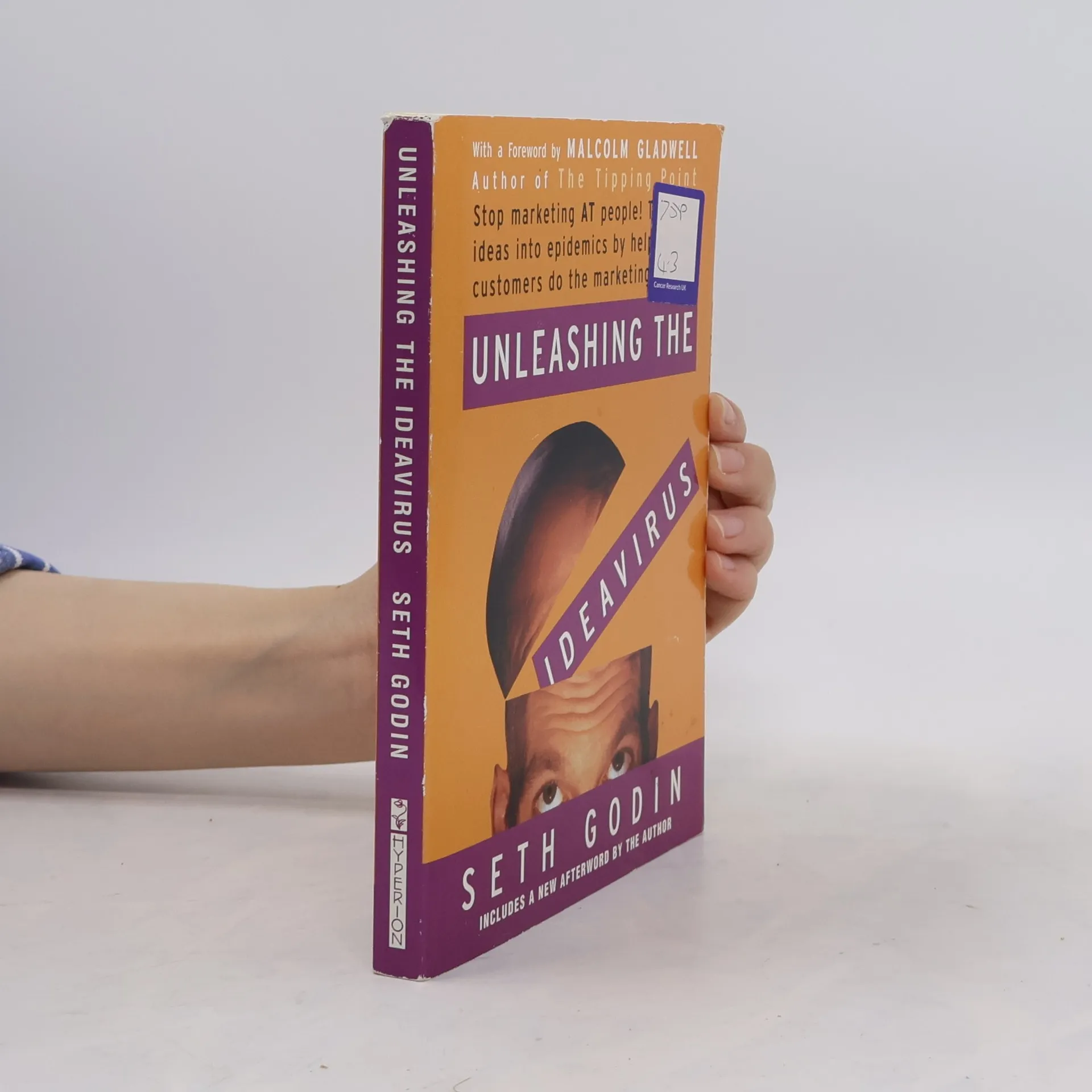
Stop Marketing At People! Turn Your Ideas Into Epidemics By Helping Your Customers Do The Marketing Thing For You. - Includes A New Afterword By The Author
234 Seiten
9 Lesestunden
The book that sparked a marketing revolution."This is a subversive book. It says that the marketer is not--and ought not to be--at the center of successful marketing. The customer should be. Are you ready for that?" --From the Foreword by Malcolm Gladwell, author of The Tipping Point.Counter to traditional marketing wisdom, which tries to count, measure, and manipulate the spread of information, Seth Godin argues that the information can spread most effectively from customer to customer, rather than from business to customer. Godin calls this powerful customer-to-customer dialogue the ideavirus, and cheerfully eggs marketers on to create an environment where their ideas can replicate and spread.In lively detail, Godin looks at the ways companies such as PayPal, Hotmail, GeoCities, even Volkswagen have successfully launched ideaviruses. He offers a "recipe" for creating your own ideavirus, identifies the key factors in the successful spread of an ideavirus (powerful sneezers, hives, a clear vector, a smooth, friction-free transmission), and shows how any business, large or small, can use ideavirus marketing to succeed in a world that just doesn't want to hear it anymore from the traditional marketers.
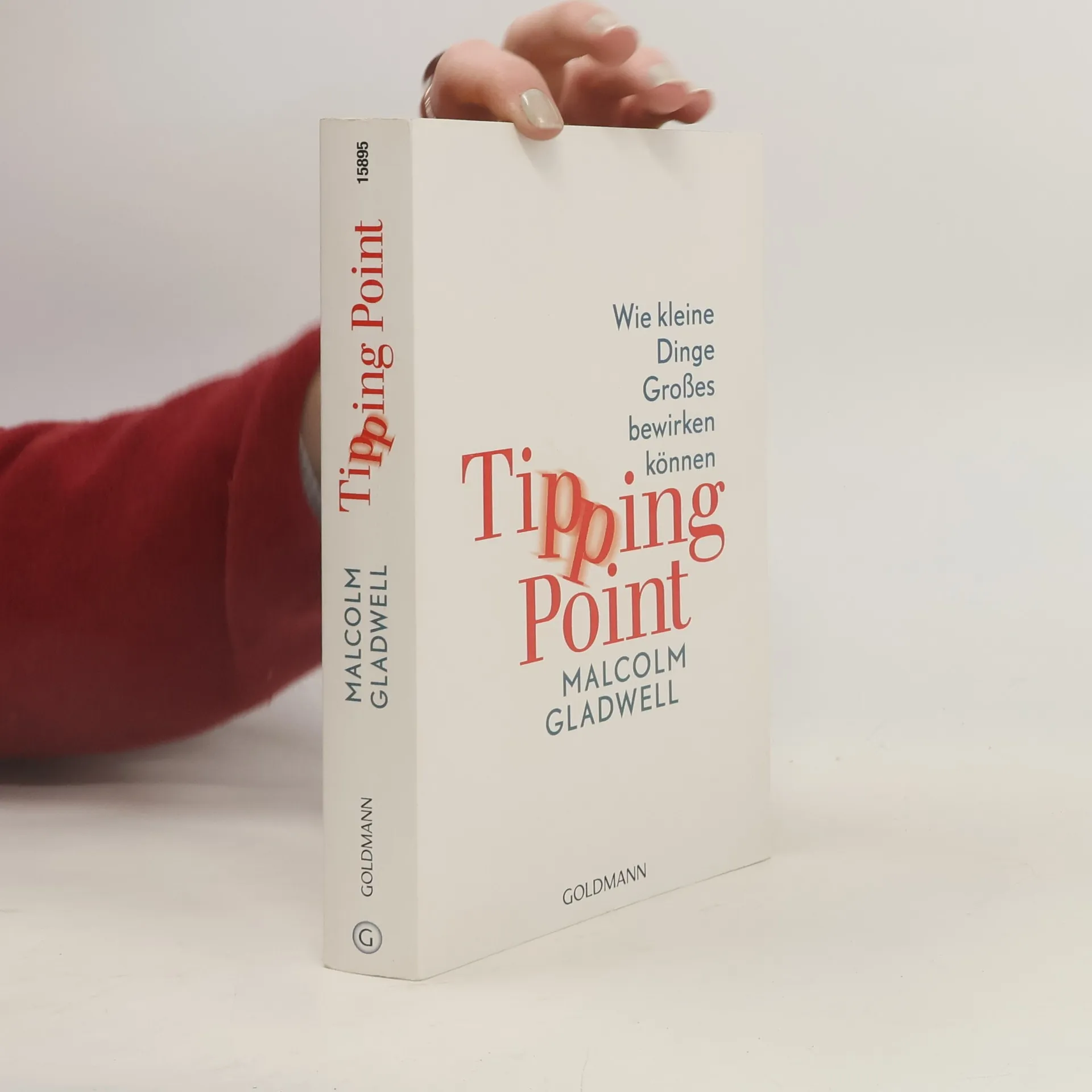
Eine totgesagte Schuhmarke, die über Nacht zum ultimativ angesagten Modeartikel wird. Ein neu eröffnetes Restaurant, das sofort zum absoluten Renner wird. Der Roman einer unbekannten Autorin, der ohne Werbung zum Bestseller wird. Für den magischen Moment, der eine Lawine lostreten und einen neuen Trend begründen kann, gibt es zahlreiche Beispiele. Wie ein Virus breitet sich das Neue einer Epidemie gleich unaufhaltsam flächendeckend aus. So wie eine einzelne kranke Person eine Grippewelle auslösen kann, genügt ein winziger, gezielter Schubs, um einen Modetrend zu setzen, ein neues Produkt als Massenware durchzusetzen oder die Kriminalitätsrate in einer Großstadt zu senken. „Tipping Point“ zeigt, wie wenig Aufwand zu einem Mega-Erfolg führen kann.