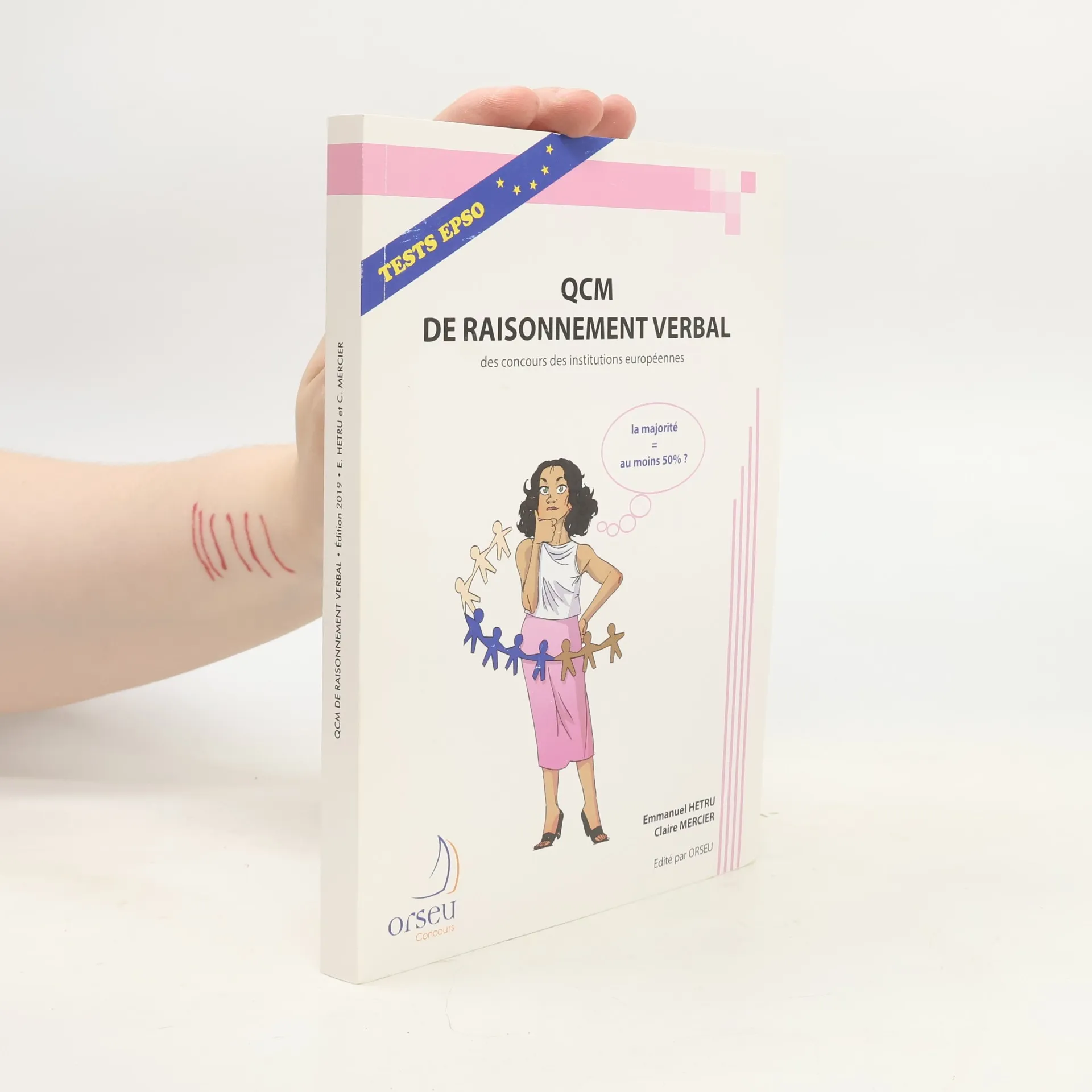
QCM de raisonnement verbal des concours des institutions européennes - Édition 2019
- 284 Seiten
- 10 Lesestunden


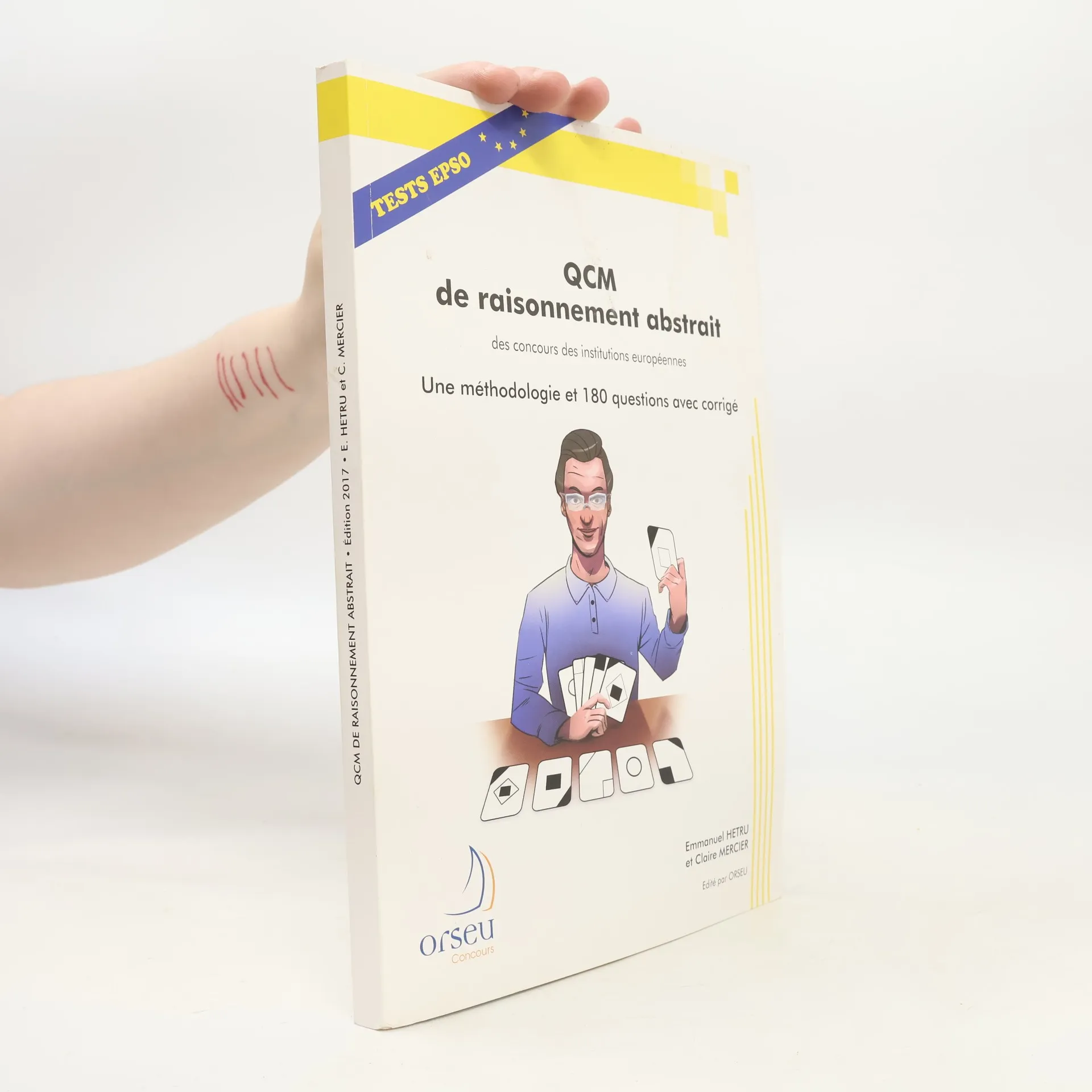
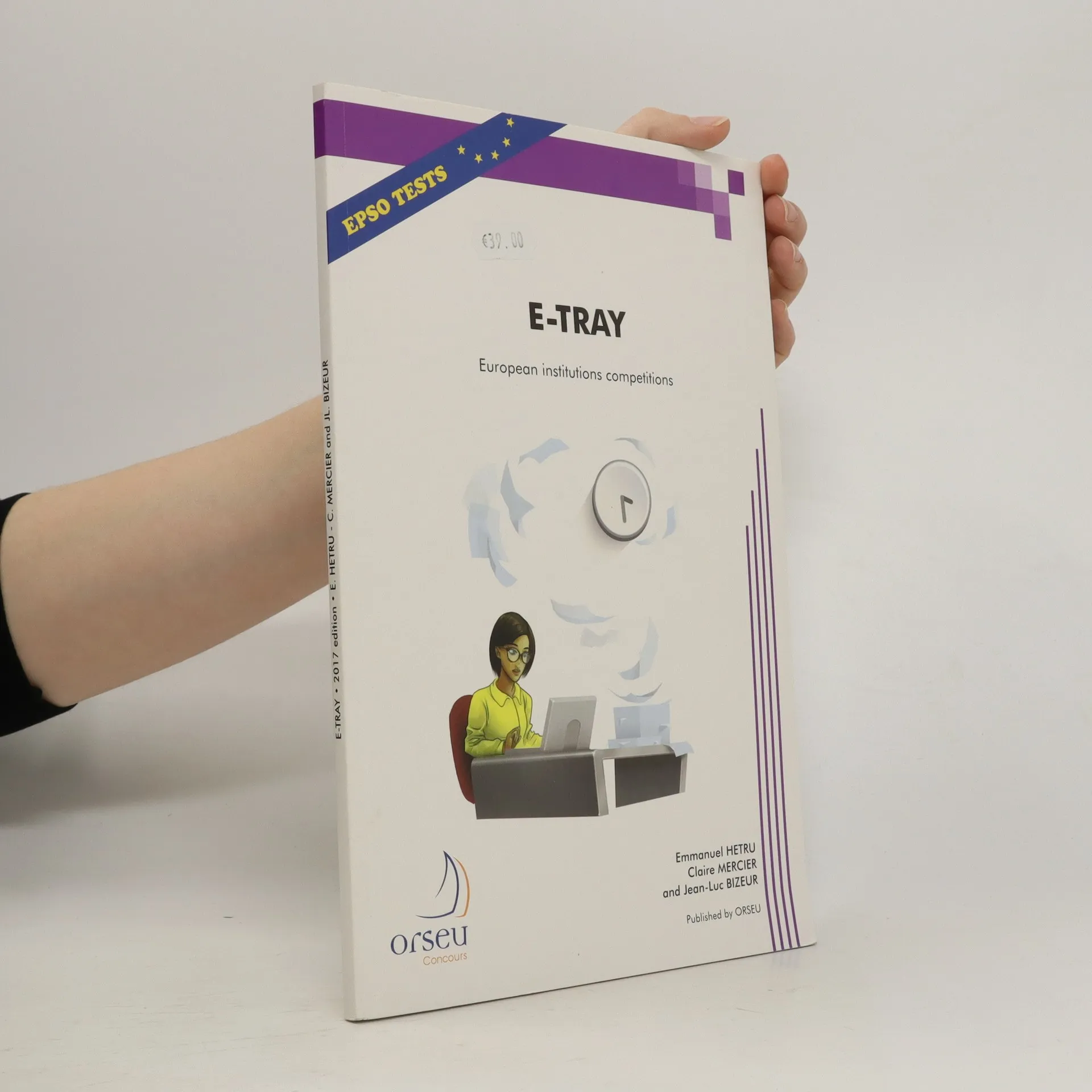
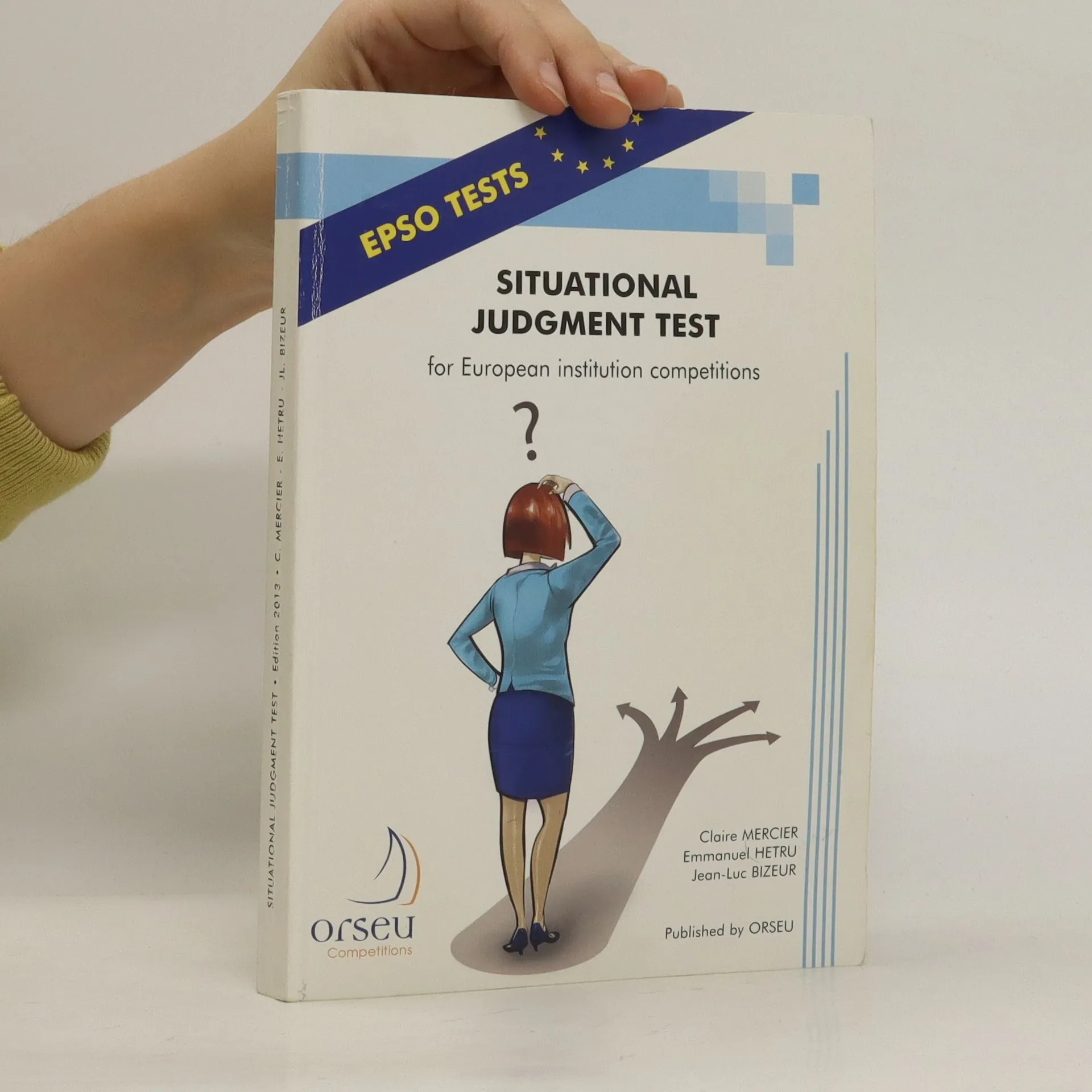
Une méthodologie et 180 questions avec corrigé - Édition 2017
Cette nouvelle édition, entièrement revue et augmentée, s'adresse aux candidats des concours des institutions européennes souhaitant se préparer efficacement au test de raisonnement abstrait. Les questions se présentent sous forme de séries de diagrammes avec des formes géométriques répétées ou modifiées selon une séquence logique. Le candidat doit identifier la logique sous-jacente pour trouver le diagramme manquant. Ce test requiert des compétences peu sollicitées dans la vie quotidienne, telles que la visualisation de transformations géométriques et la détection d'analogies entre des formes complexes. Chacun peut développer ces compétences par l'apprentissage, indépendamment de son niveau d'intelligence. Les concours d'entrée aux institutions européennes étant très sélectifs, réussir au test de raisonnement abstrait repose sur une méthode et un entraînement appropriés. Cet ouvrage augmente significativement vos chances de succès grâce à : - une méthodologie détaillée avec de nombreux exemples ; - 9 tests de 20 questions classées par niveau ; - un corrigé détaillé pour chaque question. Les questions proposées sont similaires à celles des concours organisés par l'EPSO depuis 2015, et diffèrent de celles des précédents ouvrages et tests en ligne.
This book is aimed at all candidates taking European institution competition exams who wish to prepare in the best possible way for the e-tray test
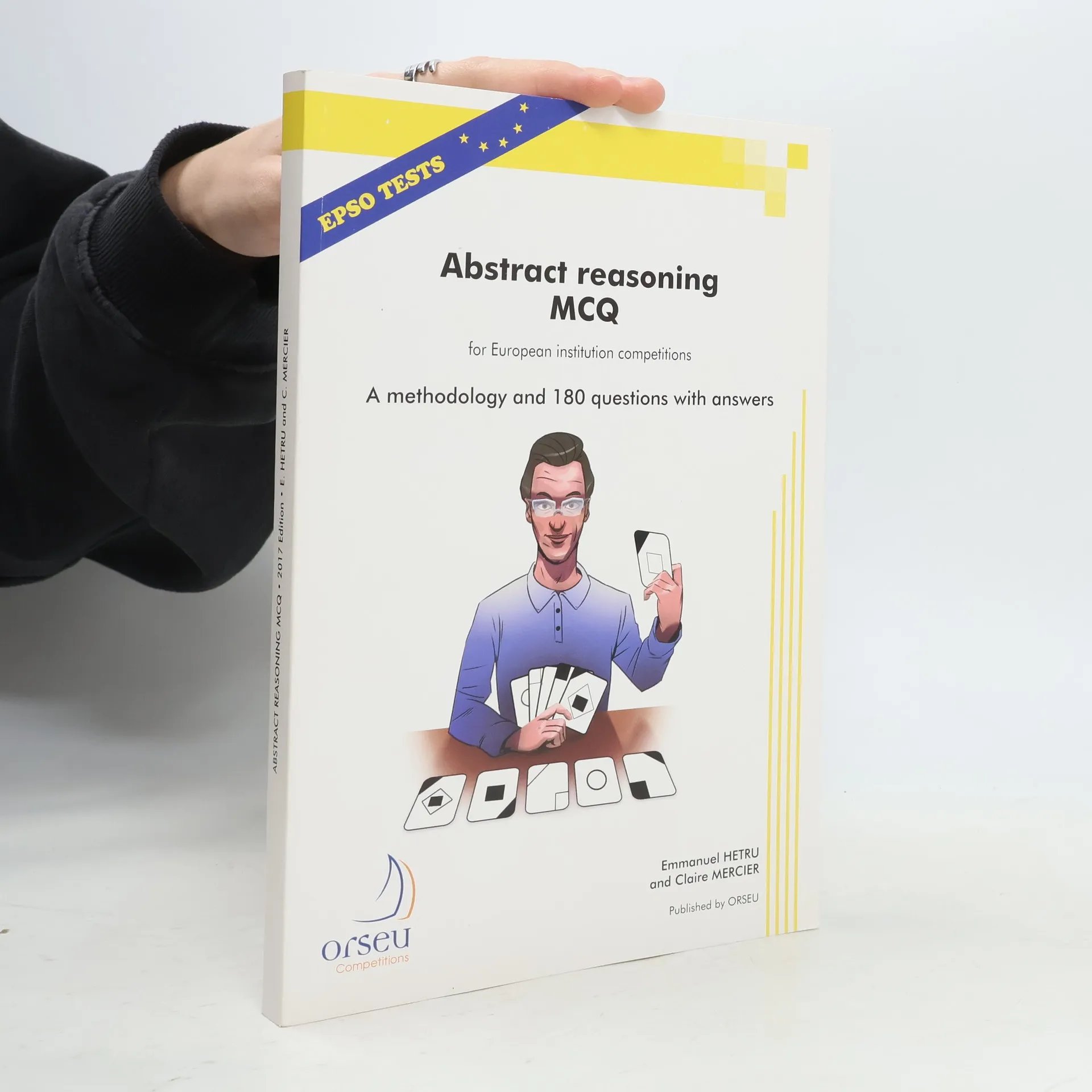
This brand new, revised and expanded edition is aimed at all candidates planning to sit European institution competitions and who wish to prepare as effectively as possible for the abstract reasoning test. Abstract reasoning questions are presented as series of diagrams containing geometric shapes which are repeated or modified according to a logical sequence. Candidates have to identify the underlying logic and find the diagram that completes the series. Abstract reasoning tests call for skills that candidates do not normally use in everyday life: the ability to visualise geometric transformations (rotations, symmetries, etc), an aptitude to spot similarities between complex shapes, etc. We are all capable of developing these skills. It is not a question of intelligence, but of learning. Entry competitions for European institutions are highly selective. Success in the abstract reasoning test is, above all, a matter of method and training. This book can significantly increase your chances of success. It includes: - a detailed methodology illustrated with numerous examples; - 9 tests of 20 questions each, arranged by level of difficulty; - a detailed explanation of the answer to each question. The questions in this book are similar to those set in the competitions run by EPSO since 2015. They are different from those in previous editions and from our online test questions.
This new, completely revised and extended edition is designed for all candidates taking European institution competitions who wish to prepare in the best possible way for the situational judgment test.The situational judgment test assesses the behaviour and decision-making capability of candidates in a working environment. It consists of 20 multiple-choice questions (MCQs). Each question describes a scenario based on a work situation and gives a set of 4 possible actions the candidates might take in response. The candidates must choose the action that they believe is the most effective AND the one they believe is the least effective.As with all admission tests, the situational judgment test is difficult. To be successful, the candidates - master the competencies required by EPSO;- be familiar with the values of European institutions;- be capable of sorting actions according to different criteria;- train themselves to take the test.This new book published by ORSEU will give the candidates every opportunity to be successful in the situational judgment test.It - a detailed methodology illustrated by numerous examples;- 120 questions with detailed correction;- a score chart per competency.The questions in this book are similar to those set in the competitions run by EPSO since 2010. They are different from those in the previous edition and are designed for all categories of competition.