Peter B. Medawar Bücher


Ratschläge für einen jungen Wissenschaftler
- 199 Seiten
- 7 Lesestunden
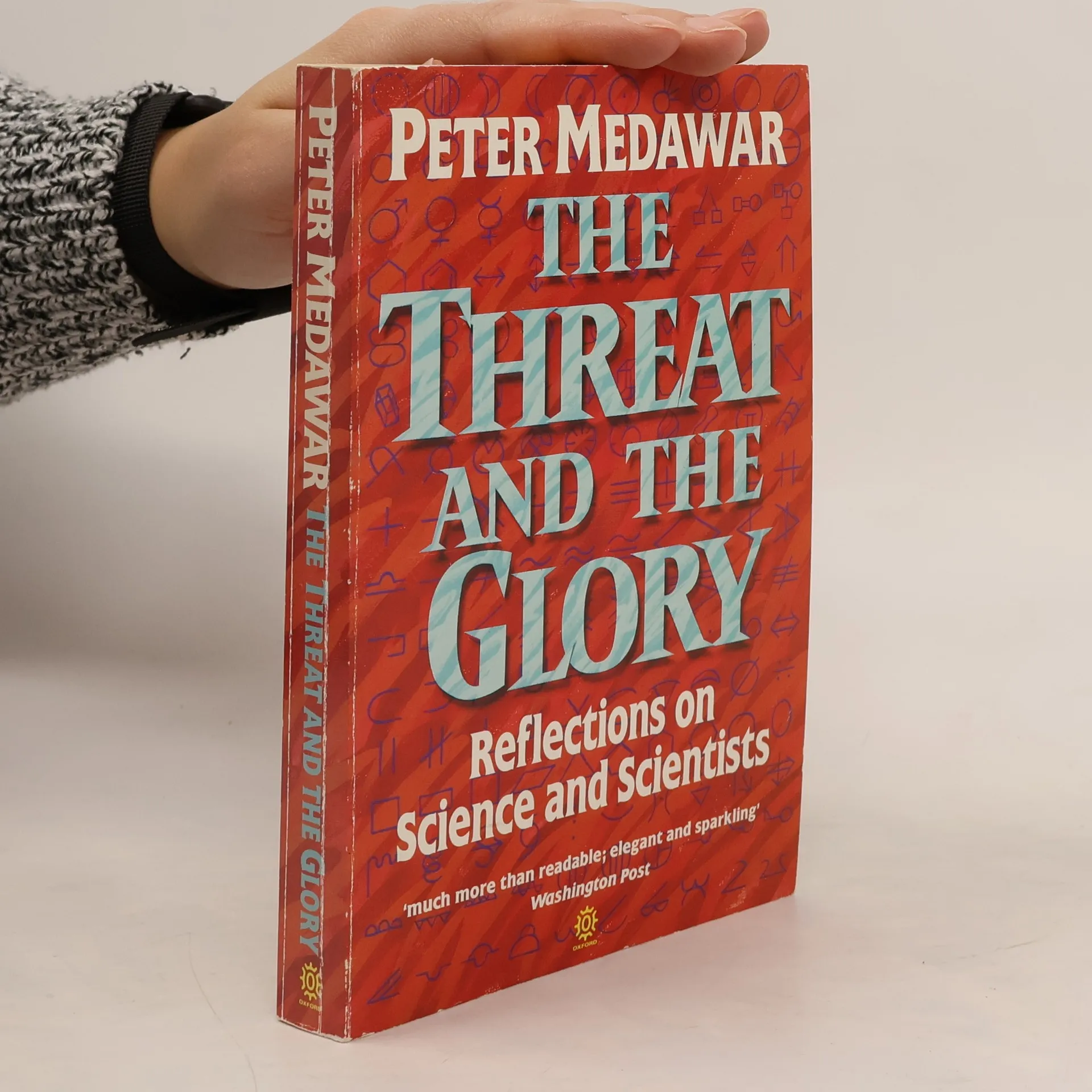
Sir Peter Medawar was not only a distinguished scientist but also a remarkable writer, earning the 1960 Nobel Prize in Medicine for his groundbreaking work in immunology. His creative energy fueled a diverse array of writings, making the complexities of modern science accessible to non-specialists. Works like Pluto's Republic and The Limits of Science have become classics in their field. In this posthumous collection, Lewis Thomas notes that Medawar's insights rank among "some of the wisest remarks of the twentieth century." The collection delves into the dual nature of modern science, highlighting its capacity to evoke both hope and fear. Medawar poignantly observes that while scientists may revel in their achievements, the public often reacts with trepidation. This theme permeates a wide range of topics, including genetic engineering, evolution, philosophy, and attitudes toward death. The writings vary in tone, from serious reflections to lighter pieces like "Son of Stroke," which offers guidance for long-term hospital patients based on Medawar's own experiences. Selected by his friend David Pyke, these essays—some previously unpublished—reveal Medawar as a relentless seeker of truth and a sharp critic of myths. His wit, insight, and compassion make this collection a rewarding read for both longtime fans and newcomers alike, illuminating the essential role of science in our lives.
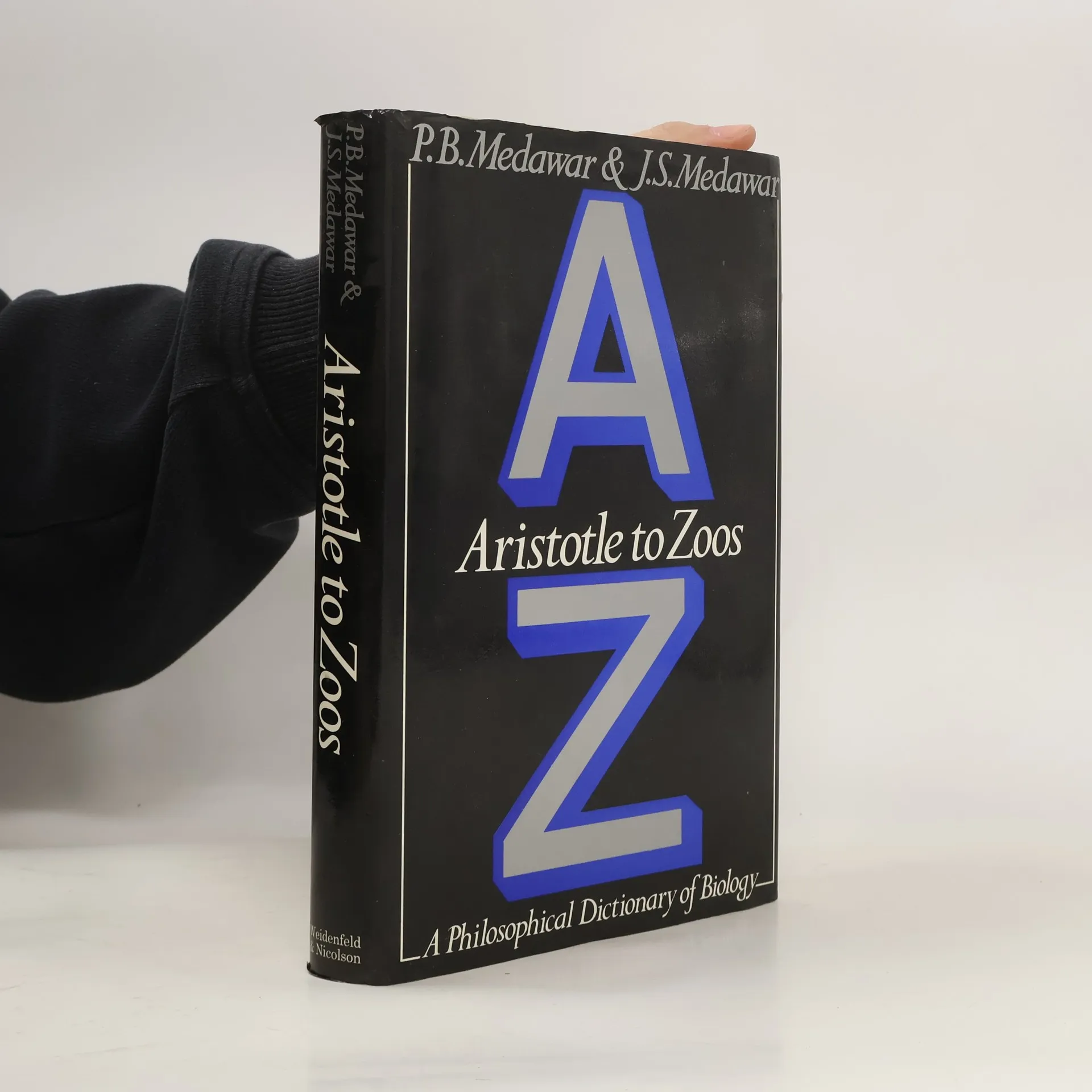
Aristotle to Zoos: A Philosophical Dictionary of Biology
- 336 Seiten
- 12 Lesestunden
In the spirit of Voltaire--and occasionally in the spirit of P. G. Wodehouse--the Medawars have crafted for the life sciences a source of reference that is meant for browsing, a book both authoritative and tilled with delights.
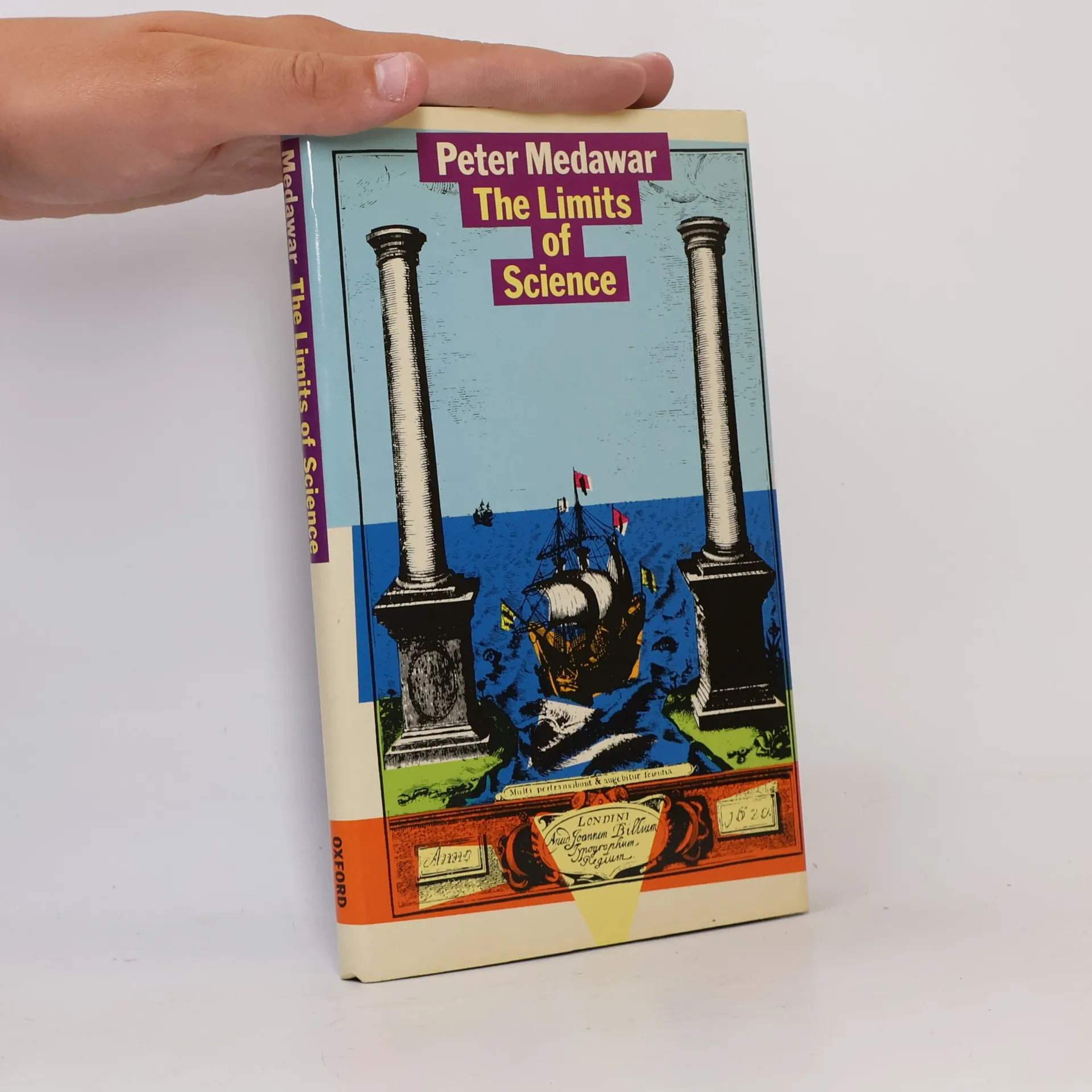
The Limits of Science
- 108 Seiten
- 4 Lesestunden
"Science," writes Sir Peter Medawar, "is incomparably the most successful enterprise human beings have ever engaged upon." In this brief yet profound exploration, the Nobel laureate delves into the nature and limitations of scientific pursuit through three insightful essays. He addresses monumental questions: Can science determine the existence of God? Is there a singular "scientific method" to uncover the universe's secrets? In "An Essay on Scians," Medawar challenges the notion that science is purely inductive, asserting that significant imaginative leaps are essential for uncovering the laws of nature, akin to the creativity of poets and artists. He firmly answers "no" to whether scientific discovery can be premeditated, emphasizing the role of luck in scientific history, citing examples like X-rays and myasthenia gravis. In the title essay, he differentiates between "transcendent" questions best suited for religion and literature, and inquiries into the material universe's organization. Medawar concludes that while there are no limits to scientific achievement, the greatest glory of science lies in the potential to accomplish anything possible in principle, given a resolute and sustained intention.
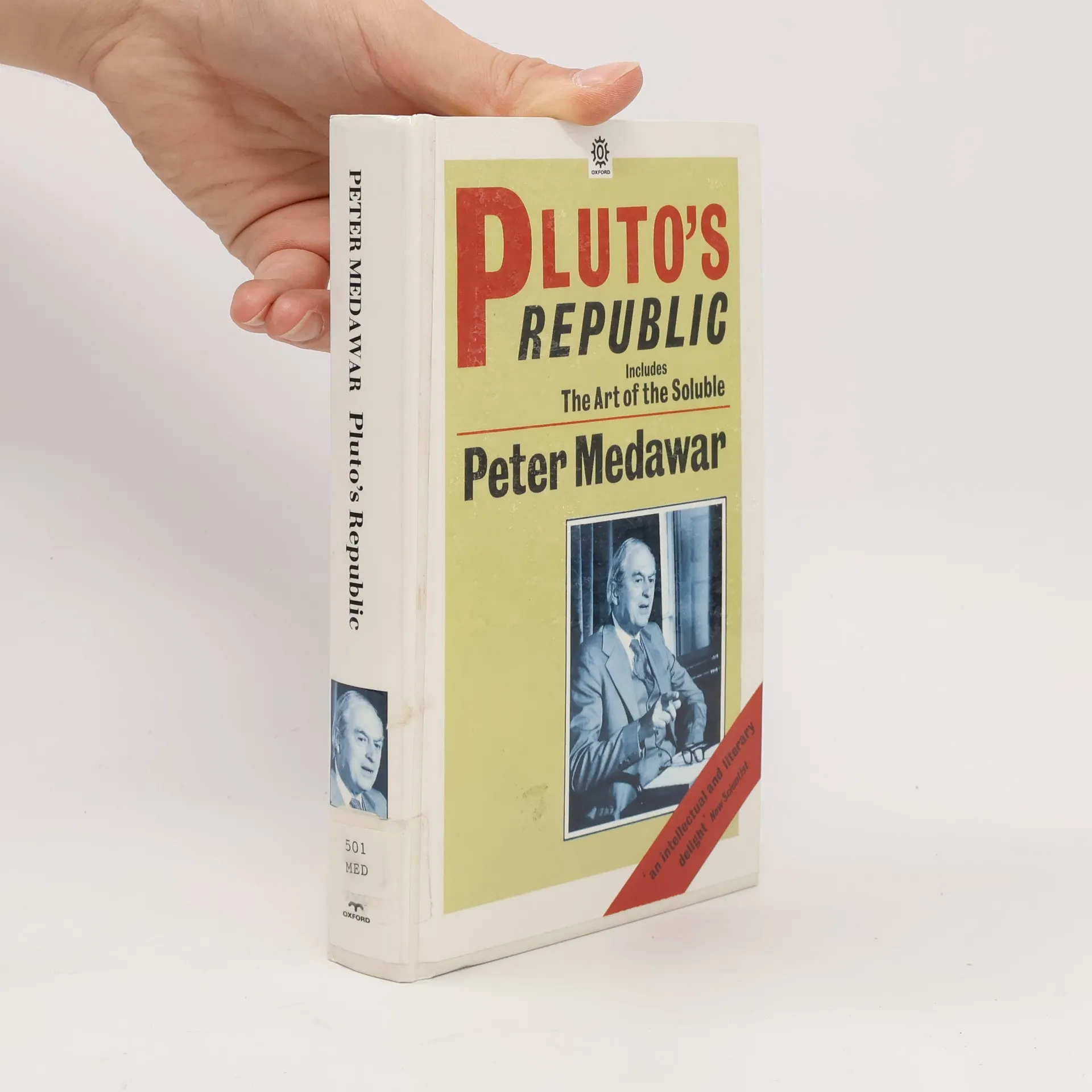
Pluto's Republic
Incorporating the Art of the Soluble and Induction and Intuition in Scientific Thought (Oxford Paperbacks)
- 368 Seiten
- 13 Lesestunden
Essays exploring the nature of science include discussions of topics, such as psychoanalysis, evolution, genetics, and the role of imagination in scientific discoveries
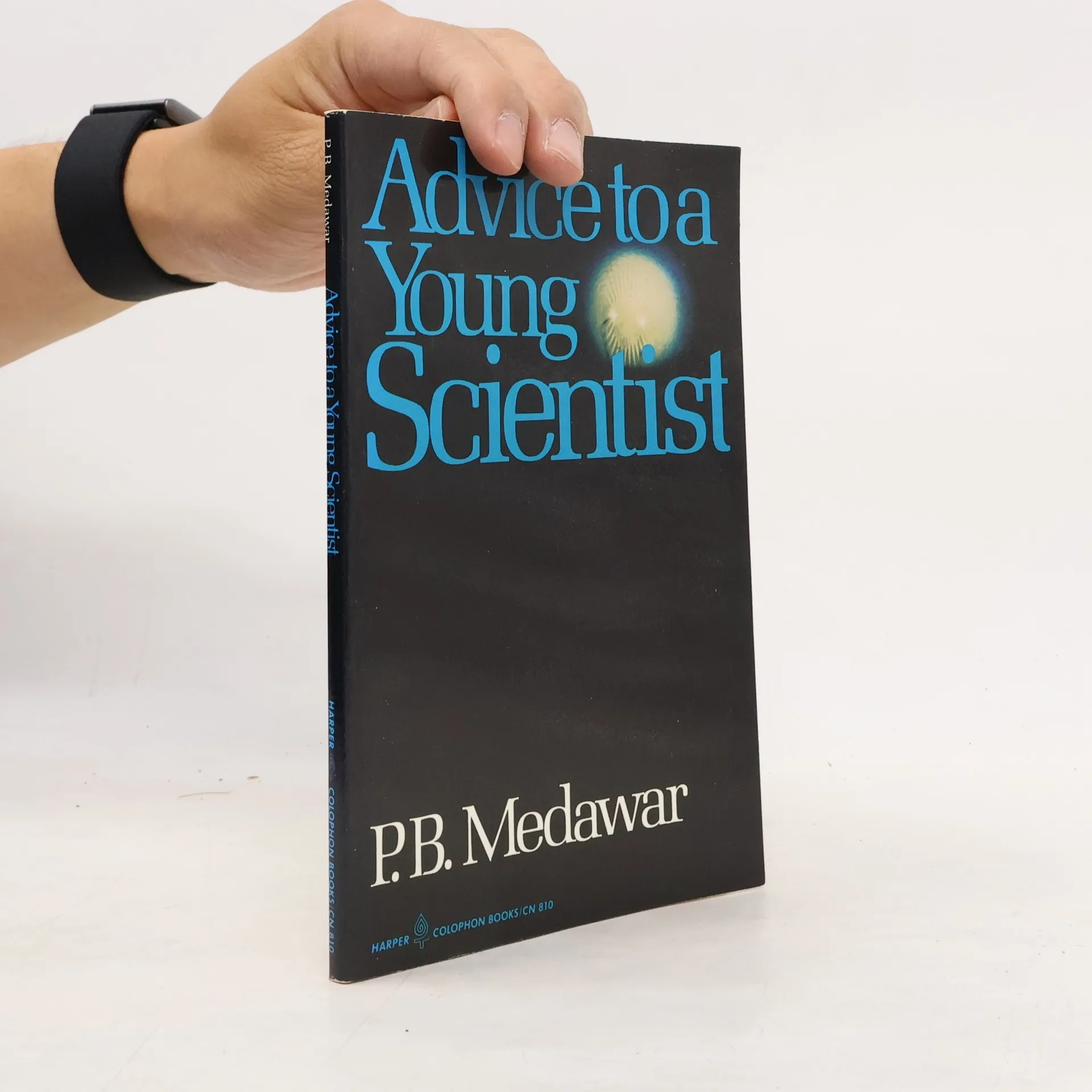
Advice to a Young Scientist
- 109 Seiten
- 4 Lesestunden