The Subversive Simone Weil
- 200 Seiten
- 7 Lesestunden
The force of affliction -- Paying attention -- The varieties of resistance -- Finding roots -- The good, the bad, and the godly -- Epilogue.


Robert Zaretsky ist ein anerkannter literarischer Biograf und Historiker Frankreichs. Seine Arbeit taucht tief in das Leben und Denken bedeutender Persönlichkeiten ein und erforscht deren Sinnsuche und ihren Platz in der Geschichte. Zaretskys Stil ist treffend und bietet den Lesern eine fesselnde Reise durch intellektuelle und kulturelle Landschaften. Durch seine umfangreichen Essays und Bücher liefert Zaretsky einzigartige Interpretationen, die unser Verständnis von historischen und literarischen Vermächtnissen bereichern.

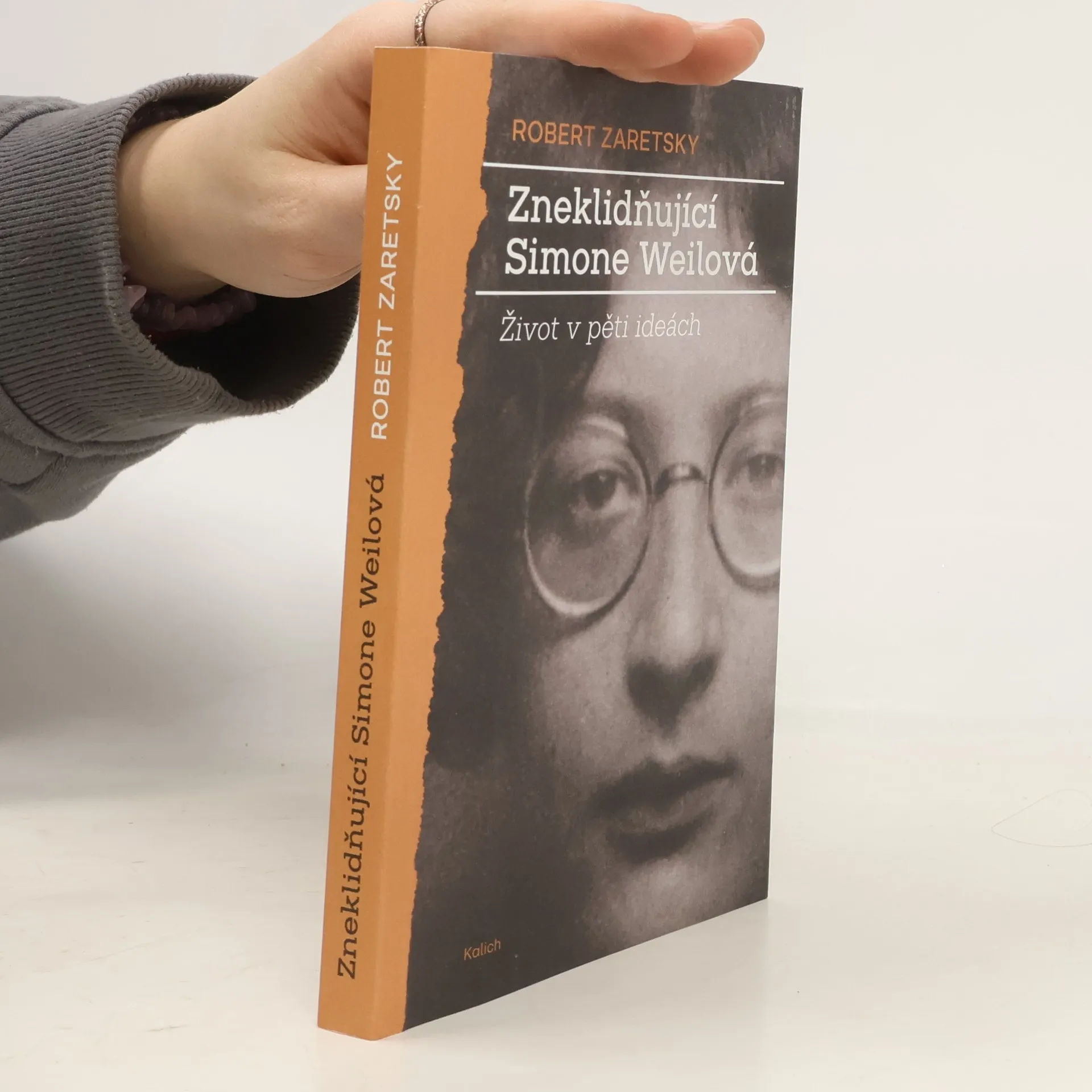
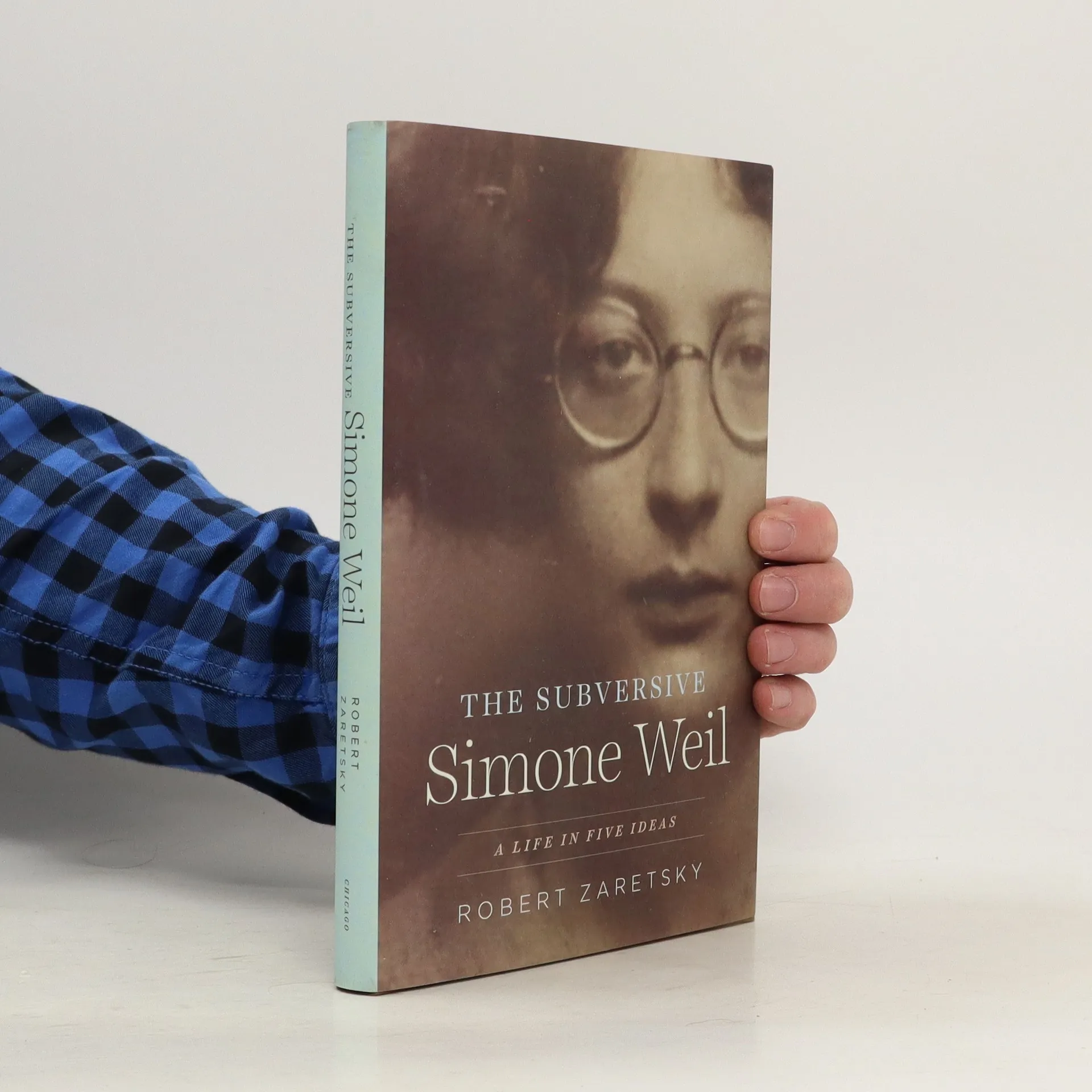
The force of affliction -- Paying attention -- The varieties of resistance -- Finding roots -- The good, the bad, and the godly -- Epilogue.
Simone Weilová (1909–1943), známá jako „patronka všech outsiderů“, byla jednou z nejpozoruhodnějších myslitelek dvacátého století, filozofkou, která skutečně žila podle svých politických a etických ideálů. Kniha Roberta Zaretského ukazuje nově stránky Weilové – přísnou racionalistku, která se oddávala zároveň vlastnímu typu mysticismu; revolucionářku se slabostí pro anarchismus, která však věřila v hierarchii práce; a humanistku, která lidské potřeby a povinnosti nadřazovala lidským právům. Kniha Zneklidňující Simone Weilová ctí složitost jejího myšlení a vypovídá o tom, proč nepřestává fascinovat čtenáře i dnes. Miroslav Petříček: Kniha Roberta Zaretského představuje myšlení Simone Weilové v úplnosti, ať už jde o její chápání vzdoru, nebo o její klíčový myšlenkový motiv, jímž je hledání kořenů na pozadí rozpadajícího se světa. Autor píše srozumitelně, což není snadné, protože Weilová je místy obtížně srozumitelná: v jejím myšlení se objevují na první pohled nesmiřitelné rozpory.