Die Erde ist unsere Mutter
- 154 Seiten
- 6 Lesestunden

4,0


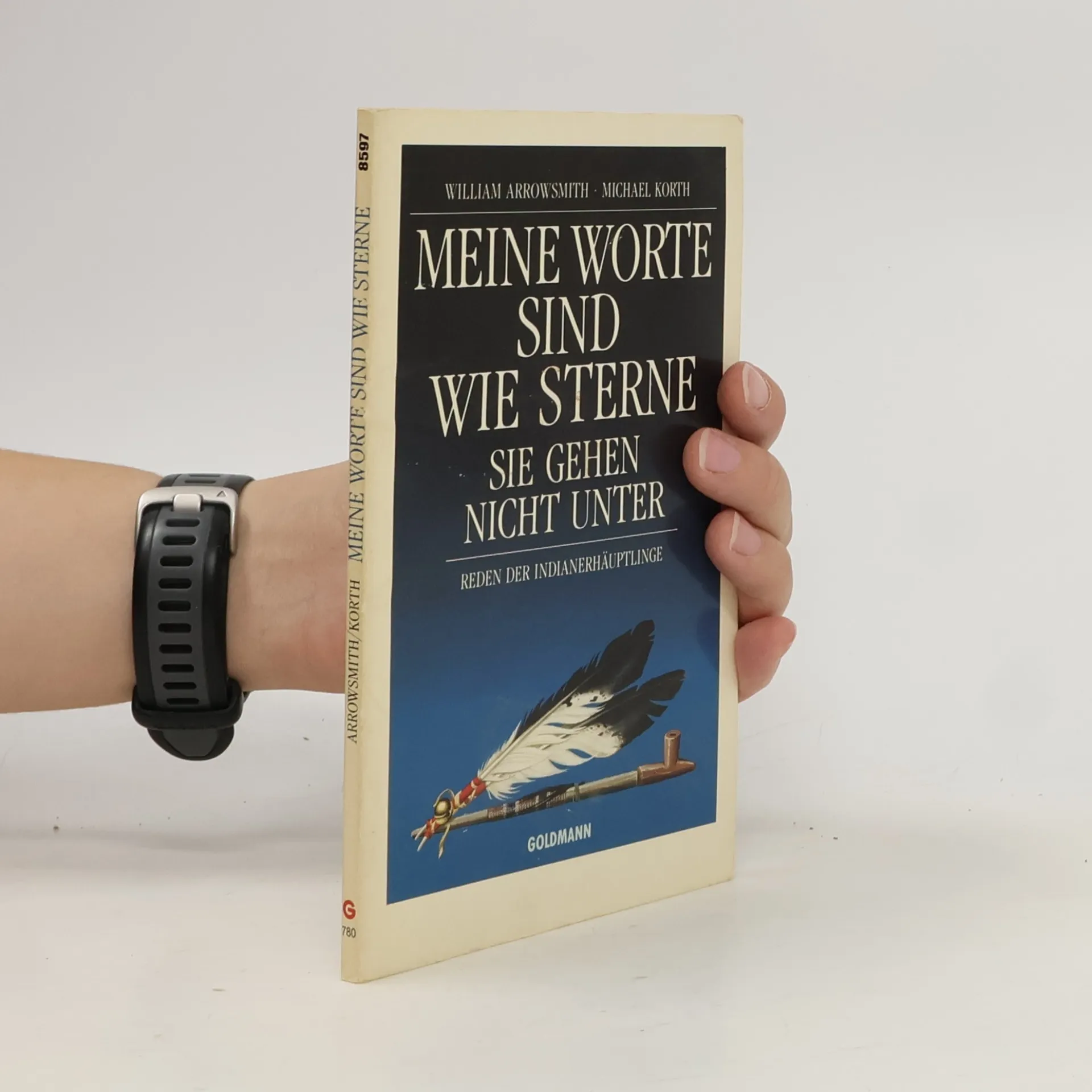
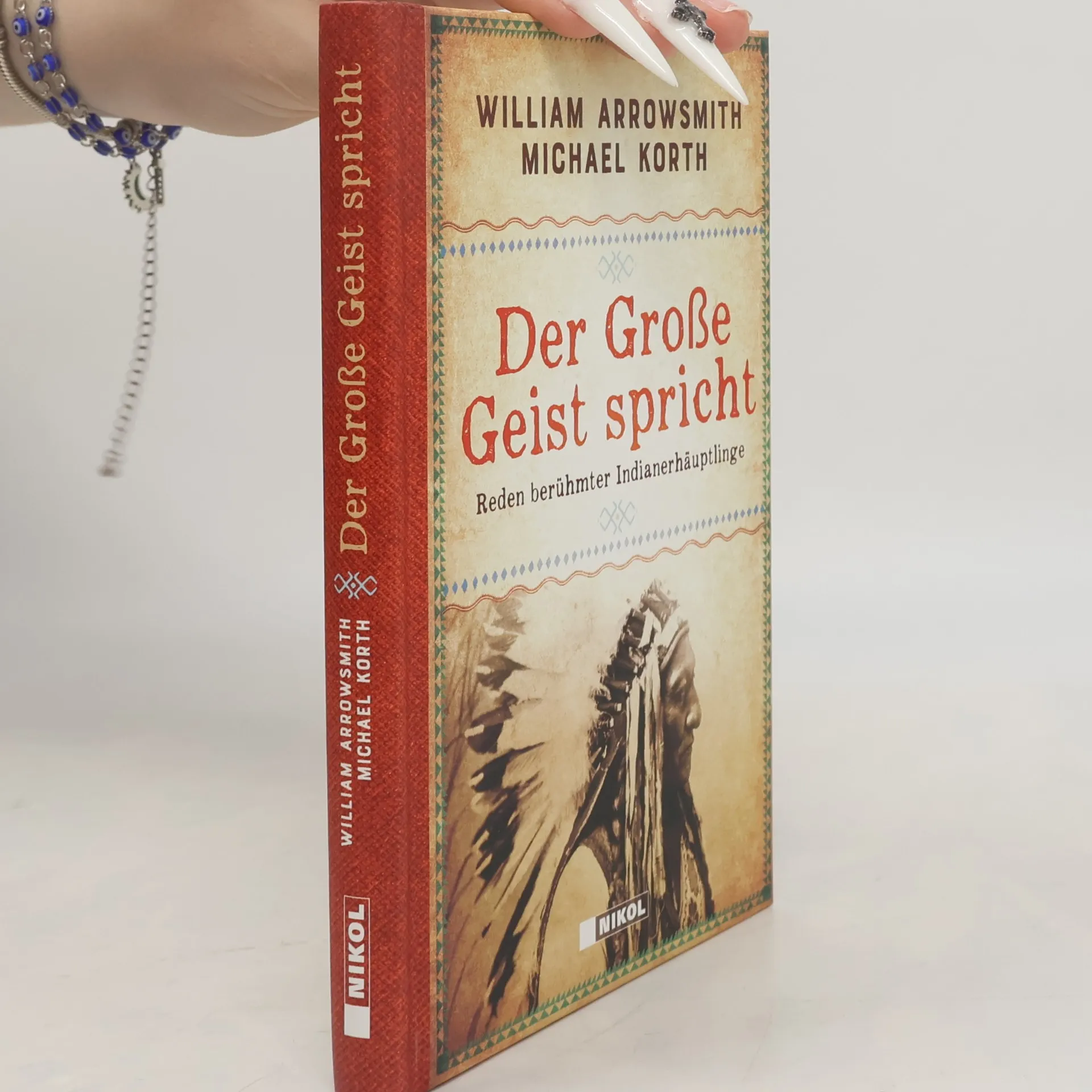
Nach ihrer endgültigen Unterwerfung durch die weißen Eroberer beschworen legendäre Indianerhäuptlinge wie Sitting Bull und Red Cloud ein letztes Mal in kraftvollen Reden die visionäre Weisheit ihrer untergehenden Kultur. Ihre Worte sind wertvolle Zeugnisse einer einzigartigen Dichtung.
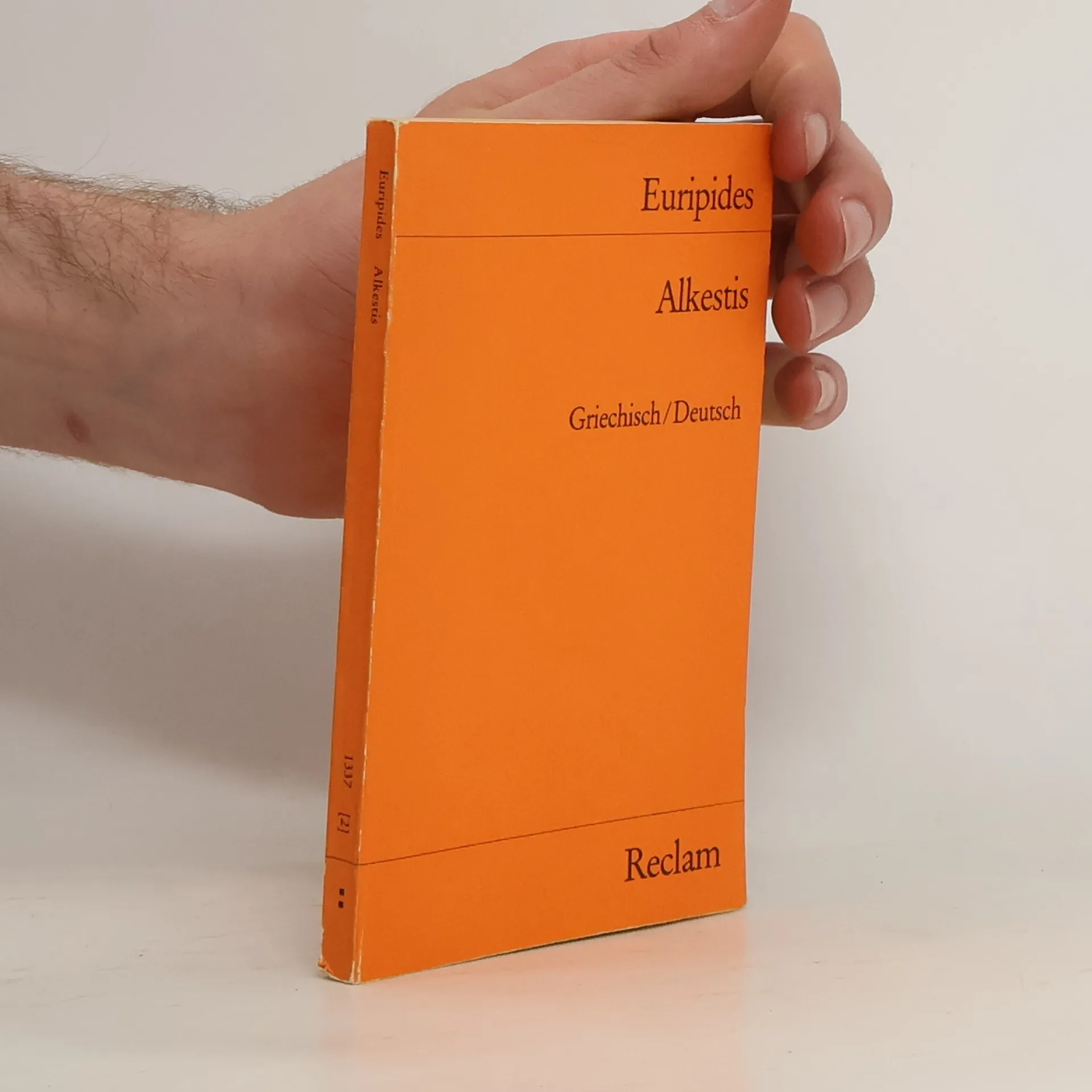
Sowohl eine kraftvolle Übersetzung eines der subtilsten und witzigsten Stücke von Euripides als auch eine völlig neue Interpretation, enthüllt diese Version die außergewöhnliche formale Schönheit und thematische Konzentration der Alkestis. Der Übersetzer präsentiert das Stück als ein Drama der menschlichen Existenz, das in der Tradition der griechischen Tragödie steht. Die Charaktere sind erkennbar menschlich und verkörpern zugleich maskierte Darstellungen menschlicher Zustände. Die Alkestis wird somit zu einer metaphysischen Tragikomödie, in der Admetos, der bisher ein Leben ohne Einschränkungen geführt hat, lernt, "sterbliche Gedanken" zu denken. Er erwirbt das Wissen um Grenzen – die Akzeptanz des Todes sowie die Pflicht zu leben – was, so Euripides, den Menschen bedeutungsvoll menschlich macht und ihn zu Mut und Mitgefühl fähig. Diese neue Interpretation argumentiert überzeugend, dass das Leiden den Menschen menschlich macht, während Befreiung egoistisch und kindisch macht. Nur der Mut, sowohl das Leben als auch den Tod zu akzeptieren, führt zur Verwirklichung der eigenen Menschlichkeit und im Fall von Alkestis zum Heldentum.
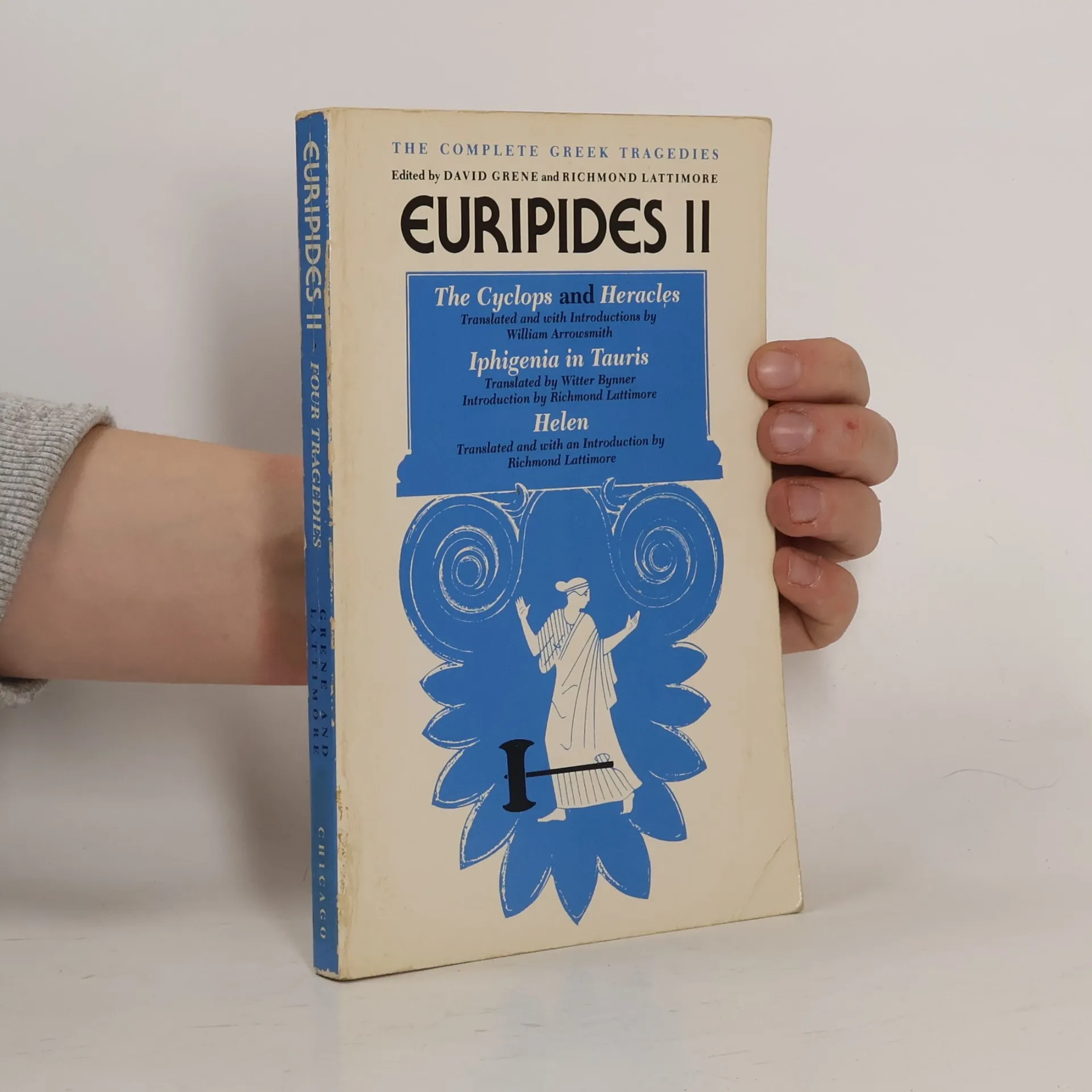
This volume contains the following tragedies by Euripides:1. The Cyclops, translated and with an introduction by William Arrowsmith2. Heracles, translated and with an introduction by William Arrowsmith3. Iphigenia in Tauris, translated by Witter Bynner and with an introduction by Richmond Lattimore4. Helen, translated and with an introduction by William ArrowsmithIn nine paperback volumes, the Grene and Lattimore editions offer the most comprehensive selection of the Greek tragedies available in English. Over the years these authoritative, critically acclaimed editions have been the preferred choice of over three million readers for personal libraries and individual study as well as for classroom use.
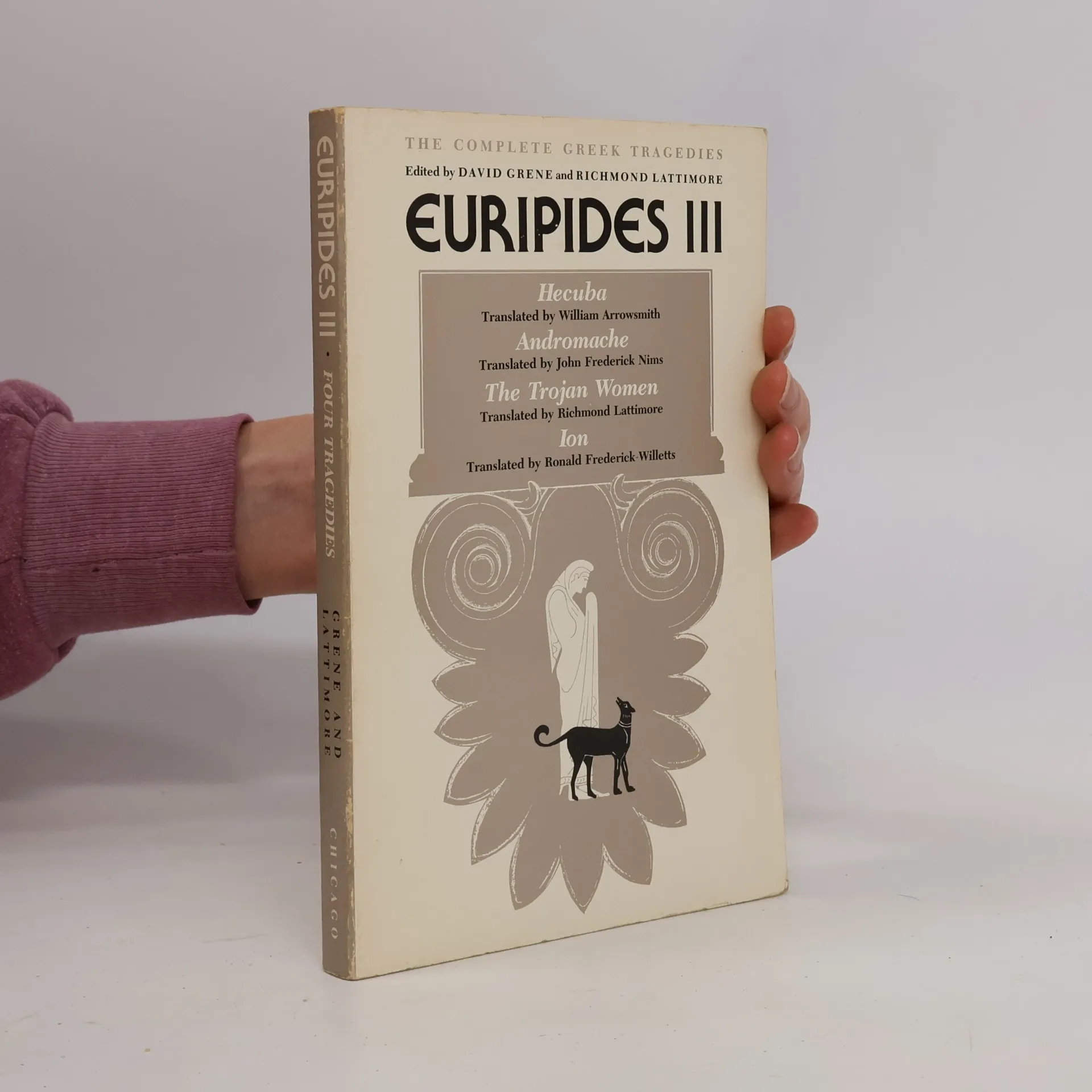
Hecuba / Andromache / The Trojan Women / Ion
Contains:1. Hecuba, translated and with an introduction by William Arrowsmith2. Andromache, translated and with an introduction by John Frederick Nims3. The Trojan Women, translated and with an introduction by Richmond Lattimore4. Ion, translated and with an introduction by Ronald Frederick Willets'Clear accurate reflections of the Greek in well-polished mirrors of contemporary American language and taste. Not just language and taste: although they are far from being playbook 'treatments, ' they are eminently actable'. . . . Kenneth Rexroth, The Nation
Celebrated critic William Arrowsmith held Michelangelo Antonioni, the renowned Italian director, in high regard, declaring him one of the greatest living artists. In a 1977 lecture at New York's Museum of Modern Art, he asserted that Antonioni's innovative manipulation of images places him alongside literary and poetic giants like Joyce, Valéry, and Eliot. This book, edited by Ted Perry, compiles eight remarkable essays, most previously unpublished, where Arrowsmith examines Antonioni's oeuvre through a film-by-film analysis, covering works from 1956's Il grido to 1975's The Passenger. Originally presented as lectures, these essays illuminate the significance of Antonioni's films and their impact on audiences. Arrowsmith, a distinguished literary critic, explores both the intellectual roots and the technical aspects of Antonioni's vision, demonstrating how camera movement and spatial composition enhance the storytelling. For instance, in La notte, he analyzes how the framing of a character against a blank wall symbolizes her emotional emptiness. Perry's introduction emphasizes the connection between art, life, and meaning in Arrowsmith's critique. With an appendix summarizing the films and translating key dialogues, this collection celebrates the insights of a distinguished critic and the innovative work of a cinematic master, making it essential reading for cinema lovers and admirers of Arrowsmith.