On the History of the Venice Biennale of Architecture
206 Seiten
8 Lesestunden
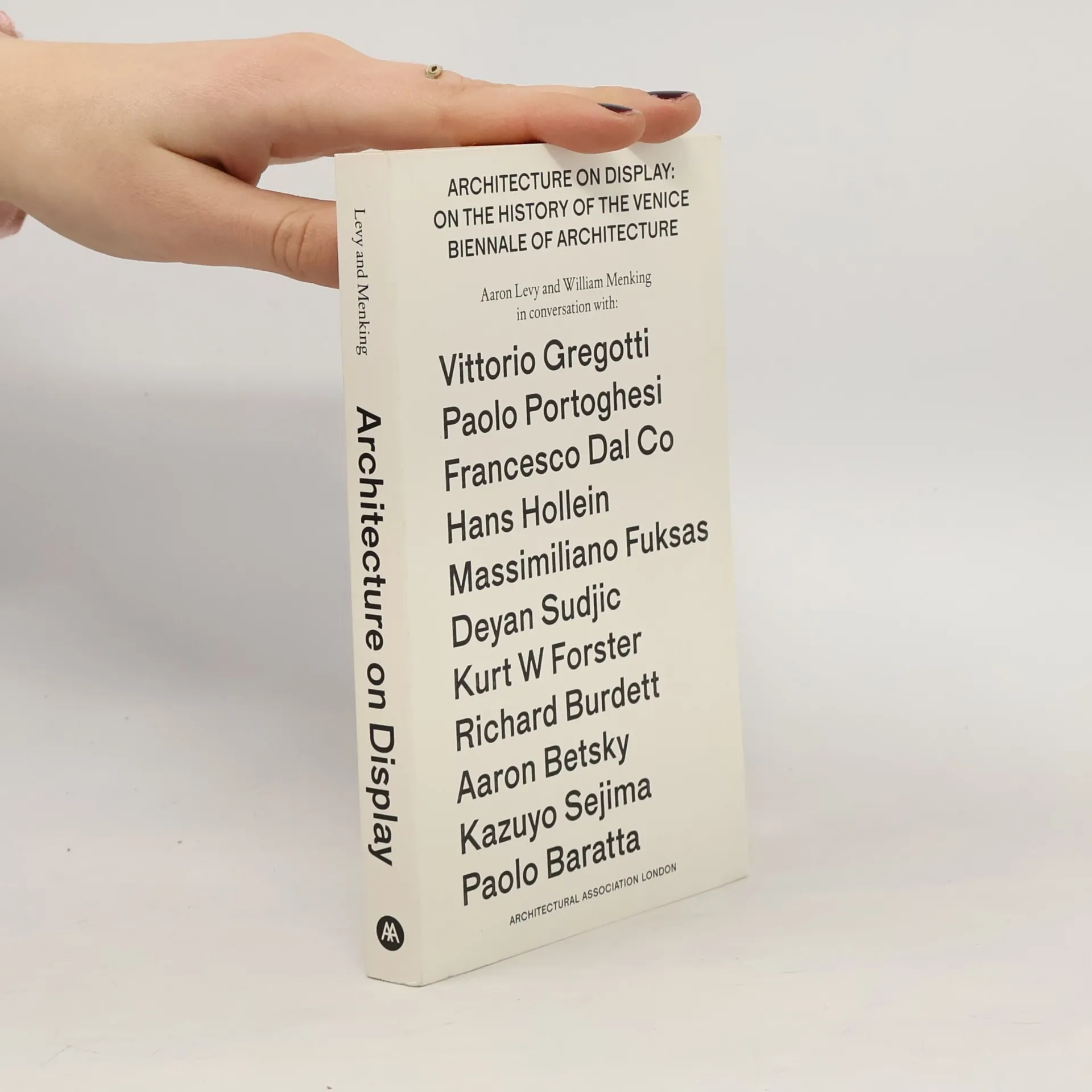
Architecture on Display is a research initiative by Aaron Levy and William Menking that consists of interviews with each of the living directors of the Venice Biennale for Architecture, including Vittorio Gregotti, Paolo Portoghesi, Francesco Dal Co, Kurt Forster, Massimiliano Fuksas, Hans Hollein, Richard Burdett, Deyan Sudjic, Aaron Betsky and Kazuyo Sejima, as well as the current president of the Venice Biennale, Paolo Barrata. These conversations do not seek to recapitulate the exhibitions themselves but rather explore the questions that the exhibitions have raised, with the hope of offering a model for future curatorial endeavours.
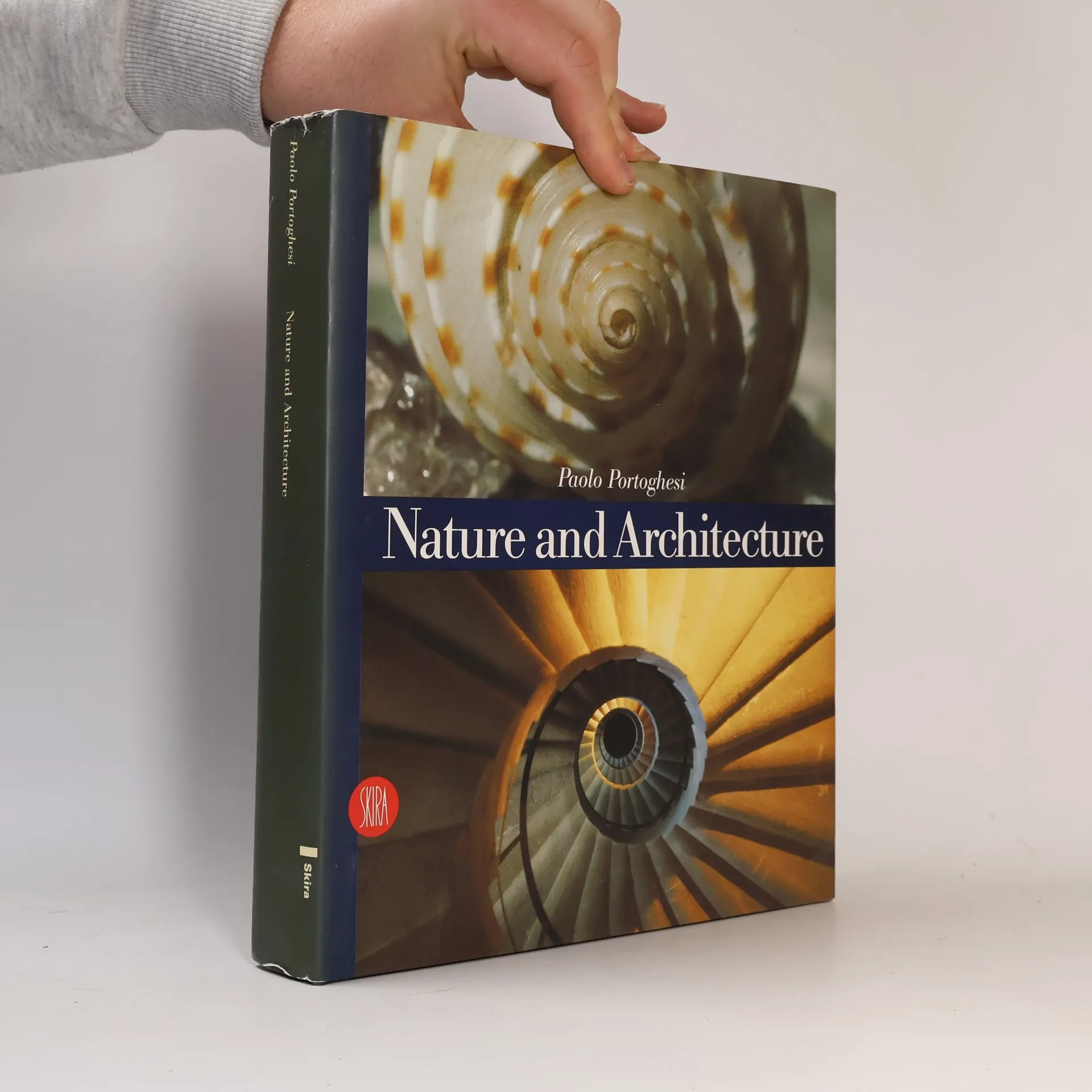
"Nature," wrote Novalis, "is a magical city frozen in stone." This work considers architecture as the magical transcription of nature's shapes and laws into the urban environment. It follows modern art's drive to evoke primordial expressionism, exploring the natural origins of architectural archetypes: the column, house, wall, door, temple, tower, and more. These elements are timeless in humanity's building endeavors, transcending age and civilization. Evolving from research conducted in the sixties, the book examines the similarities and differences between natural and architectural forms, drawing parallels between them and the principles that have defined architecture across cultures. The aim is not to emphasize a clear naturalistic inspiration but to understand the unity shared by the human mind and the secret order of natural forms. Acknowledging ecology's importance, it highlights the remarkable achievements of science, particularly the "new paradigm," to demonstrate how continuity and innovation can converge in architecture. This vision promotes an art of inhabiting the earth, moving beyond its role as a tool of dominion and violence, as critiqued by Bacon. It advocates for a feminine architecture, distancing itself from the arrogance of the Babelic twilight of the 20th century.