Deutsche Baukunst des 19. [neunzehnten] und 20. [zwanzigsten] Jahrhunderts
- 214 Seiten
- 8 Lesestunden

5,0




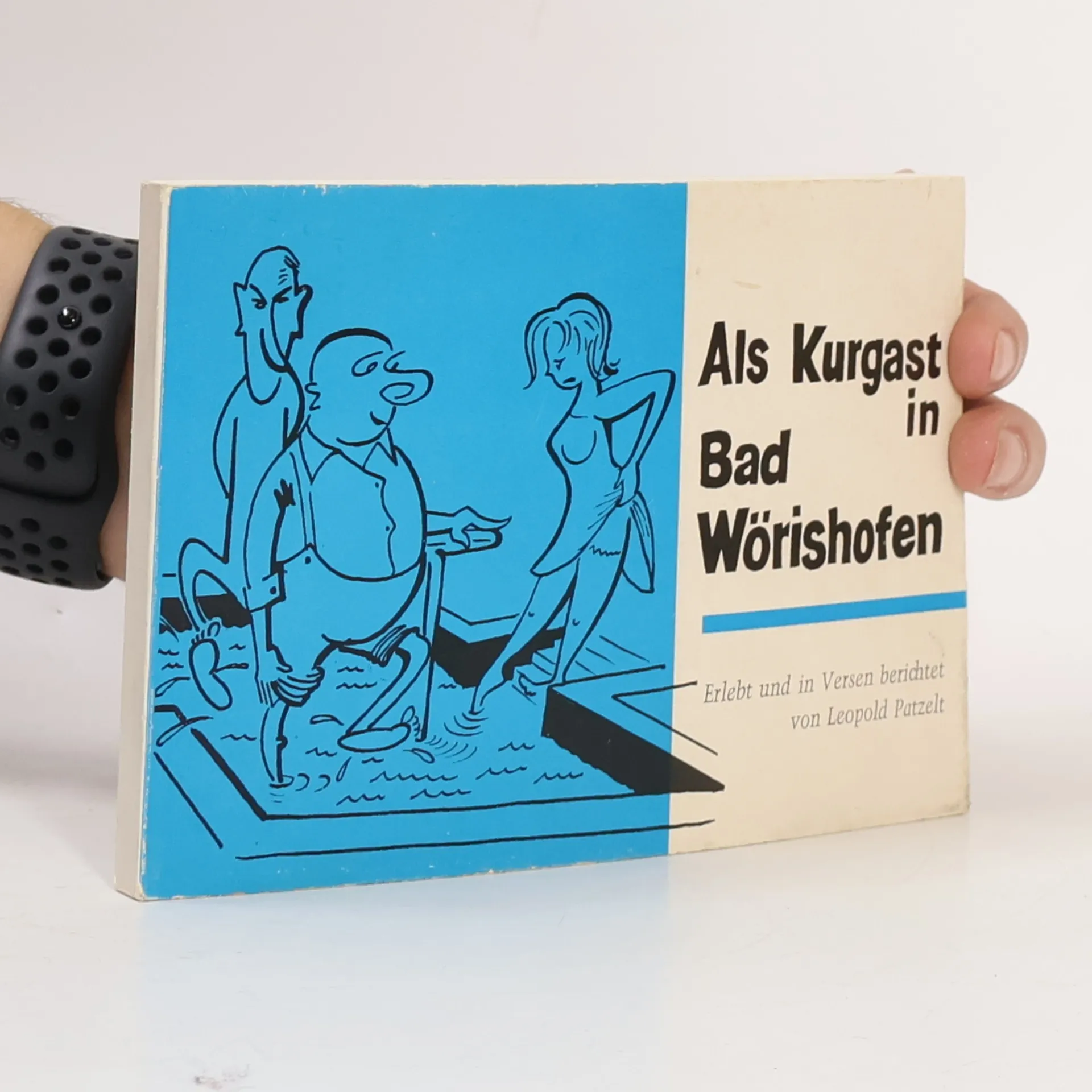
Erlebt und in Versen berichtet
Preface by Adolf Max Vogt: Gottfried Semper (1803-1879) emerged as Germany's most esteemed architect after Karl Frederich Schinkel, renowned for his opera houses in Dresden and museums in Vienna. However, his lasting legacy lies in his writings, making him arguably the 19th century's most significant theoretician. The complexity of his thought and the intricacies of his German have hindered translations and assessments of his contributions until now. Herrmann explores Semper's life and analyzes his writings, particularly his seminal work, Der Stil, which has been a foundational source for architects and significantly influenced European modernists and proto-modernists, including H.P. Berlage, Otto Wagner, and Walter Gropius, as well as American architects like Bernard Maybeck and Louis Sullivan. Following biographical insights that reveal how Semper's political beliefs shaped his architectural ideas—especially after his exile from Dresden post-1849 revolution—Herrmann delves into the origins of Der Stil. Through meticulous text analysis, he uncovers Semper's views on iron, Gothic architecture, the primitive hut, and archaeologist Karl B?cher's concepts. The book concludes with previously unpublished manuscripts that are crucial for understanding the ideas in Der Stil. Wolfgang Herrmann, exiled from Germany in 1933, has dedicated his career to architectural theory, also writing on Laugier and Perrault.