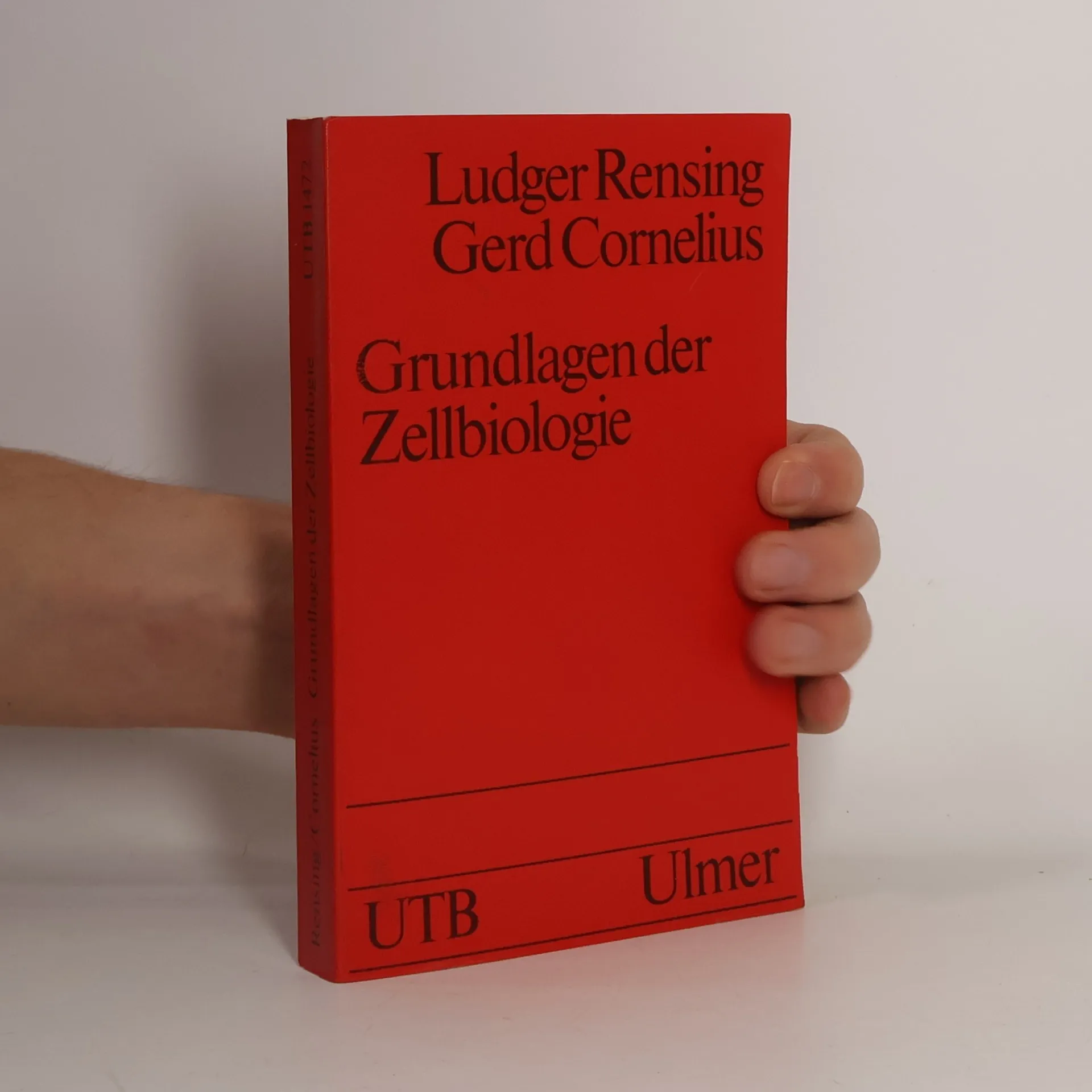
Grundlagen der Zellbiologie
- 543 Seiten
- 20 Lesestunden



Der magnetische Kreis mit seinen Bestandteilen aus Dauermagneten, Spulen und weichmagnetischen Elementen wie Elektroblechen ist Gegenstand vieler aktueller Entwicklungen, sei es in der Antriebstechnik oder auch in der Stromerzeugung durch Generatoren. Die modernen Selten-Erd-Werkstoffe geben den Entwicklungen auf diesem Gebiet neuen Antrieb. In der Automatisierung und Qualitätssicherung nimmt die Prüftechnik der hierzu gehörigen Größen einen immer größeren Raum ein. Inhaltsverzeichnis Grundlagen des Magnetismus - Dauermagnetische Werkstoffe - Kunststoffgebundene Dauermagnete - Elektroband für energietechnische Anwendungen: Motoren, Generatoren, Transformatoren - Mess- und Magnetisiertechnik
Der Mensch wehrt sich gegen die psychosozialen und physischen Stressoren mit zahlreichen effektiven Strategien, die er zum Teil in der Evolution erworben hat und die sowohl der subjektiven psychischen Verarbeitung wie der neuronalen, zellularen und molekularen Bewaltigung von Stress dienen.
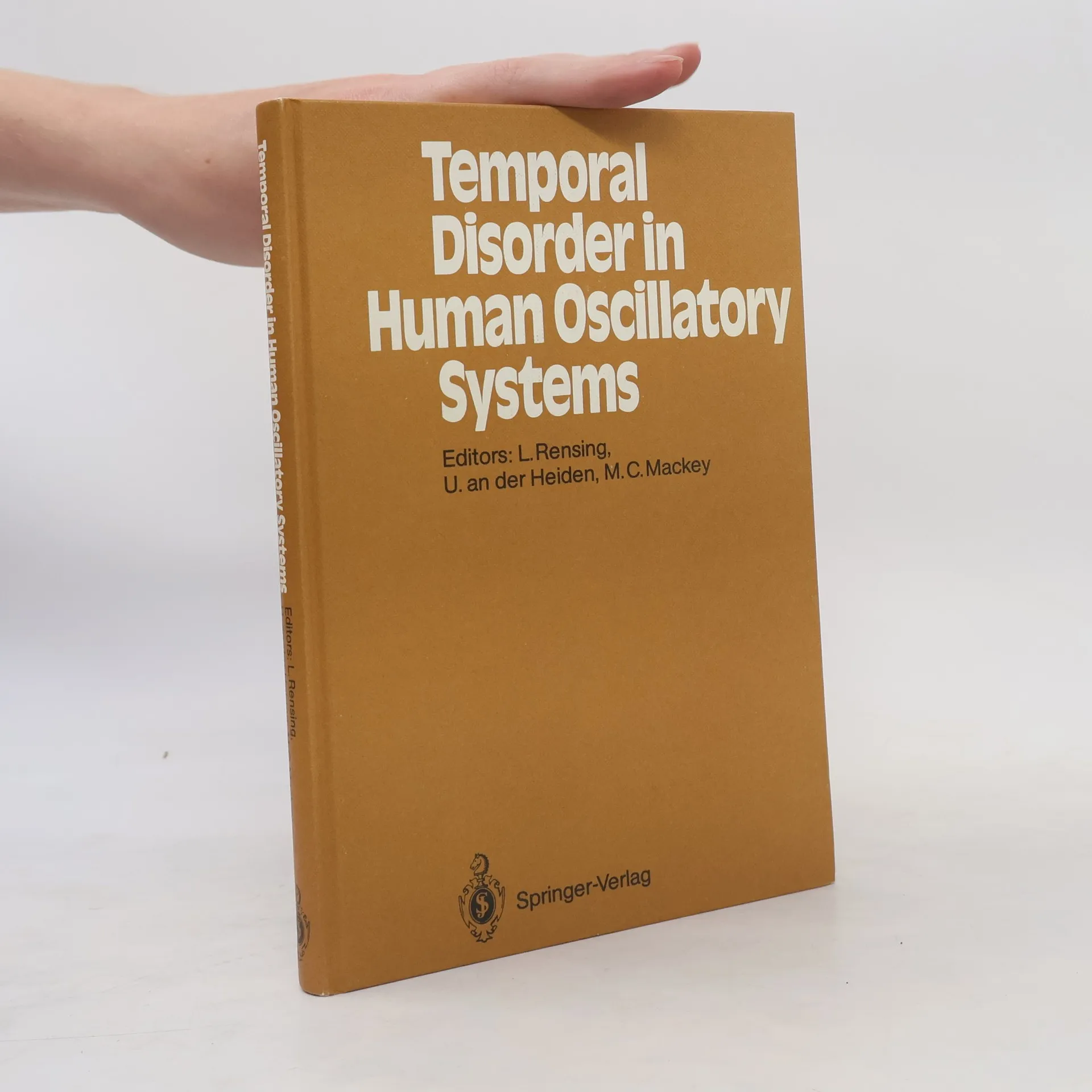
Proceedings of an International Symposium, University of Bremen, 8-13 September 1986
Rhythms of the heart and of the nervous and endocrine system, breathing, locomotory movements, sleep, circadian rhythms and tissue cell cycles are major elements of the temporal order of man. The dynamics of these systems are characterized by changes in the properties of an oscillator, transitions from oscillatory states into chaotic or stationary states, and vice versa, coupling or uncoupling between two or more oscillators. Any deviation from the normal range to either more or less ordered states may be defined as temporal disorder. Pathological changes of temporal organization, such as tremor, epileptic seizures, Cheyne-Stokes breathing, cardiac arrhythmicities and circadian desynchronization, may be caused by small changes in the order (control) parameters. One major aspect of the symposium was the analysis of characteristic features of these temporal control systems, including nonlinear dynamics of interactions, positive, negative and mixed feedback systems, temporal delays, and their mathematical description and modelling. The ultimate goal is a better understanding of the principles of temporal organization in order to treat periodic diseases or other perturbations of "normal" dynamics in human oscillatory systems.