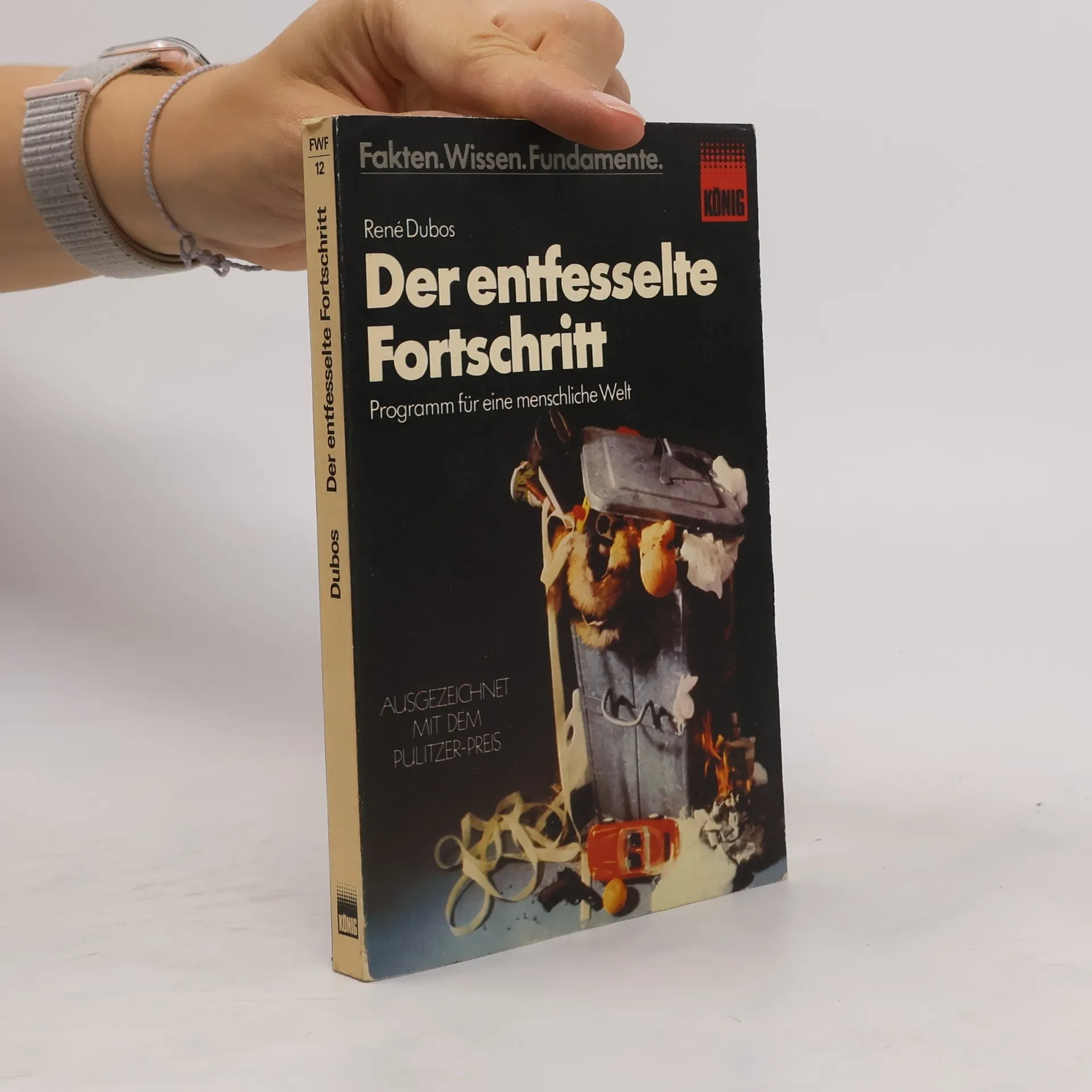
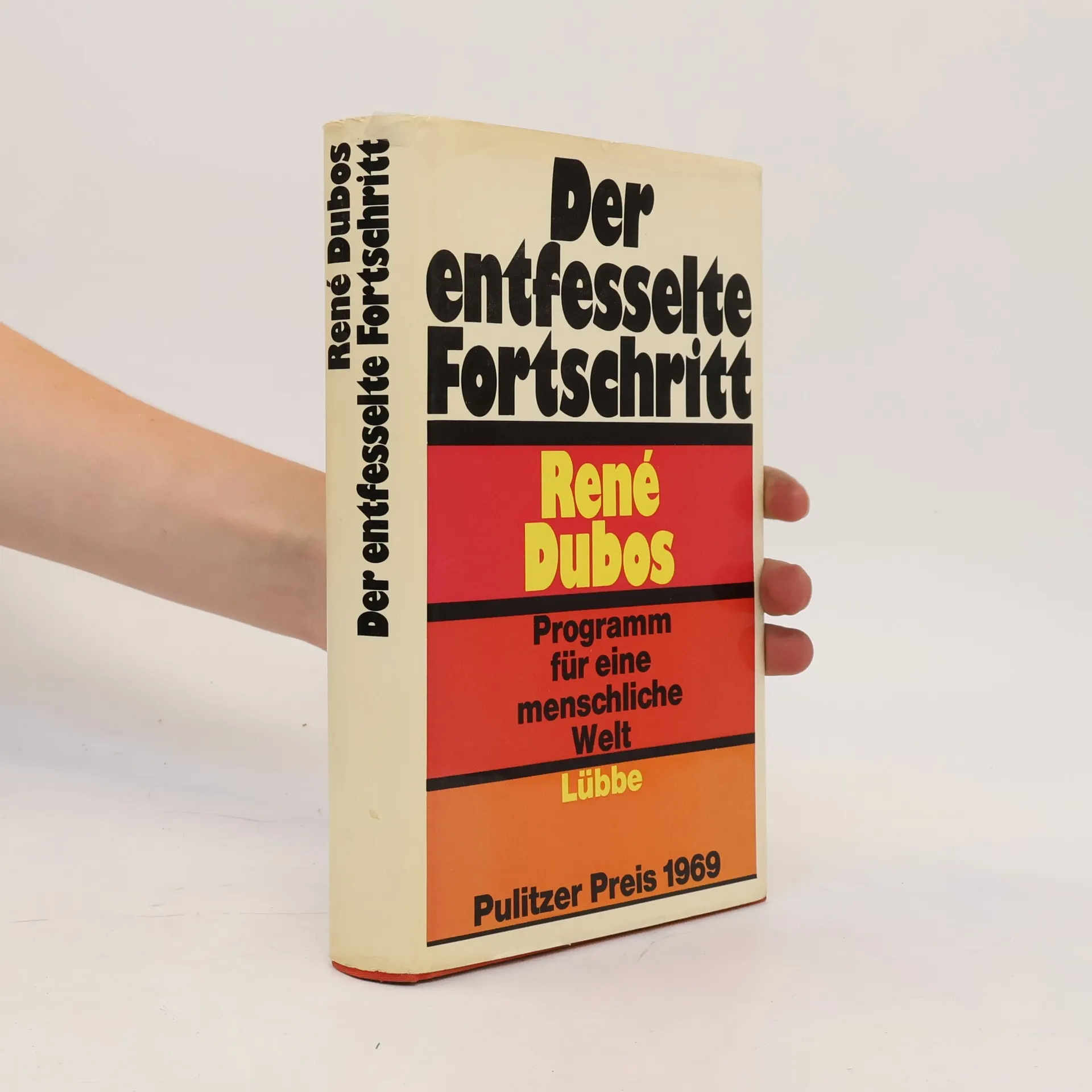
Der entfesselte Fortschritt
Programm für eine menschliche Welt



Programm für eine menschliche Welt
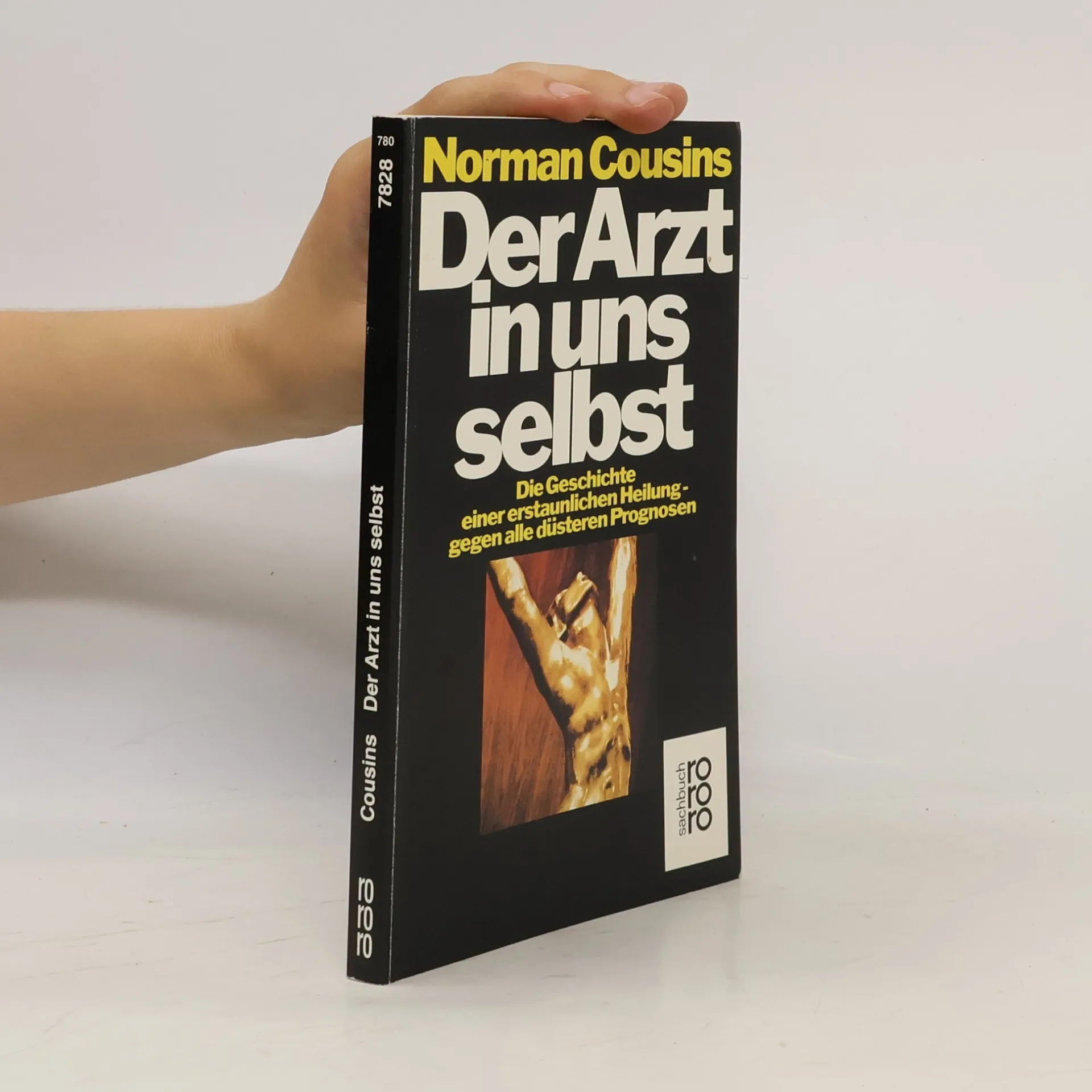
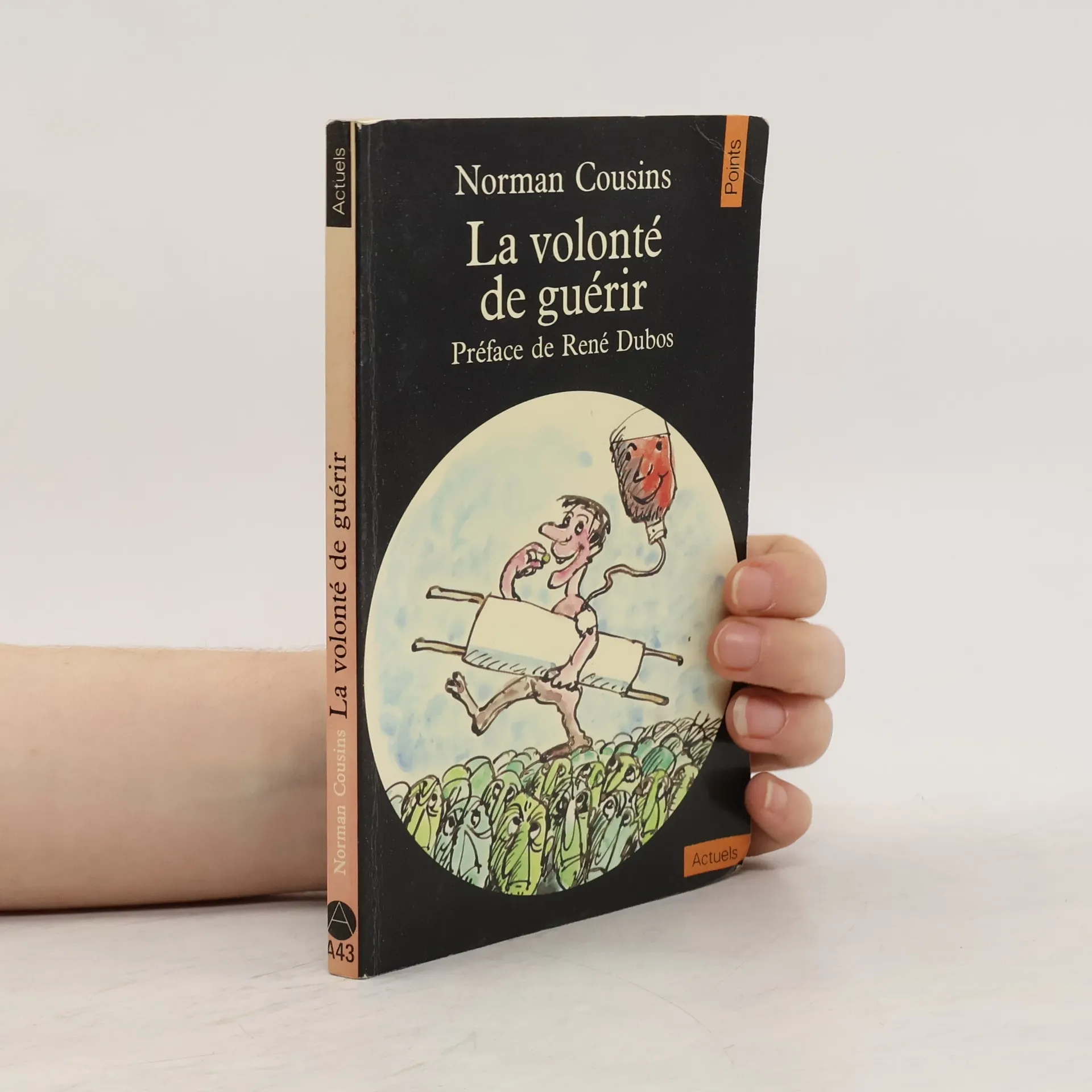
Jede Art von Lachen ist gesund. Wir stimulieren damit unser Immunsystem und tun Gutes für den gesamten Organismus. Lachen reduziert die Produktion von Stresshormonen, setzt Glückshormone frei, fördert Durchblutung und Verdauung, hilft bei Allergien, reduziert die Vermehrung von Tumorzellen, senkt Blutdruck und Blutzucker nachhaltig, beugt Herzinfarkten vor und hat insgesamt positive Effekte auf das Herz-Kreislauf-System. Zudem ist Lachen gut fürs Gemüt: Es distanziert uns von Problemen des Alltags und schafft ein Gefühl der Befreiung; außerdem steigert es die Kreativität. Der Wissenschaftsjournalist Norman Cousins ist nur ein Beispiel für die positiven Wirkungen des Lachens. In seiner Autobiografie 'Der Arzt in uns selbst' beschreibt er die von ihm erfundene Lachtherapie, mit der er seine Krankheit, eine chronische Entzündung der Wirbelsäule, selbst heilte und dabei den Blick einer weiten Öffentlichkeit auf sich richtete.
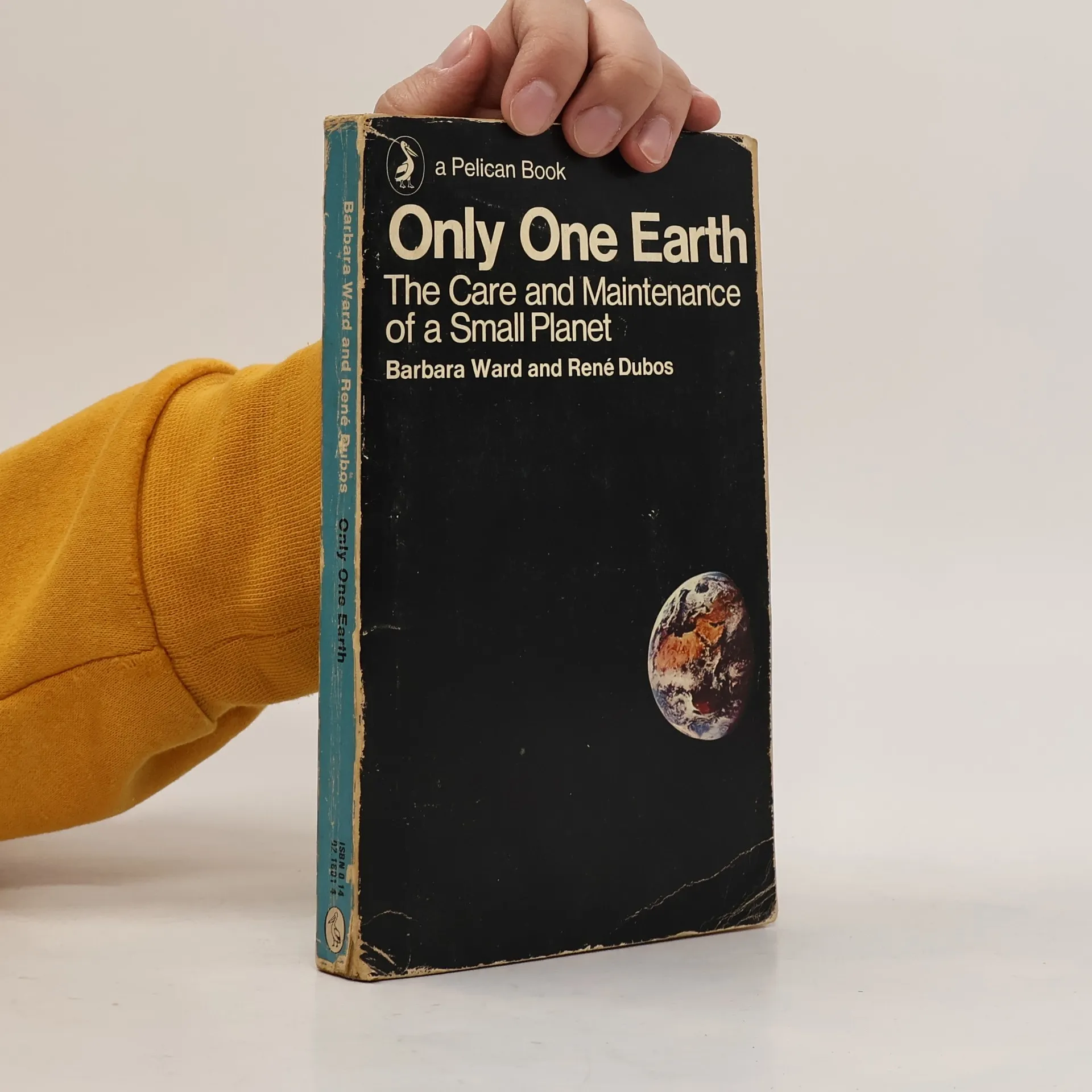
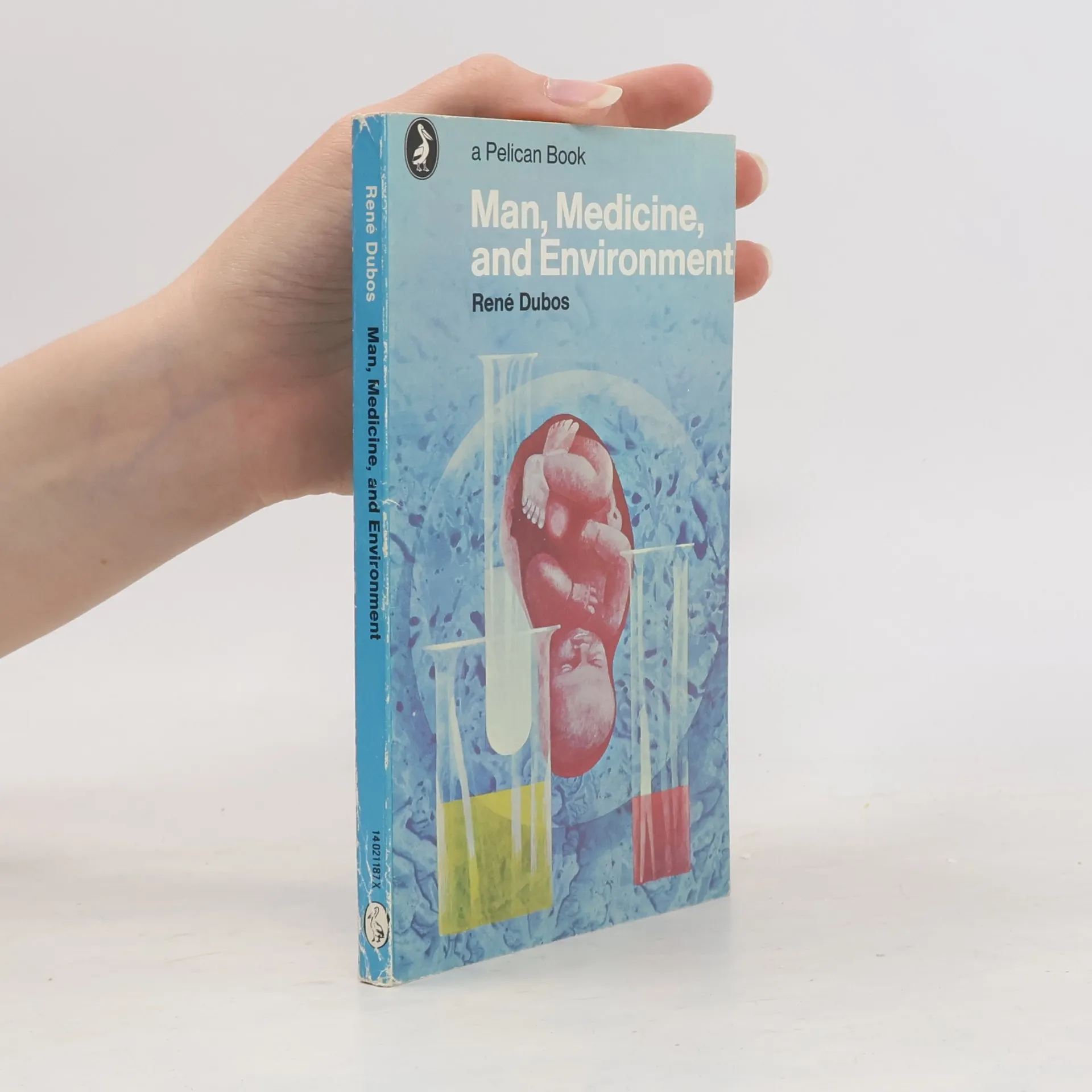
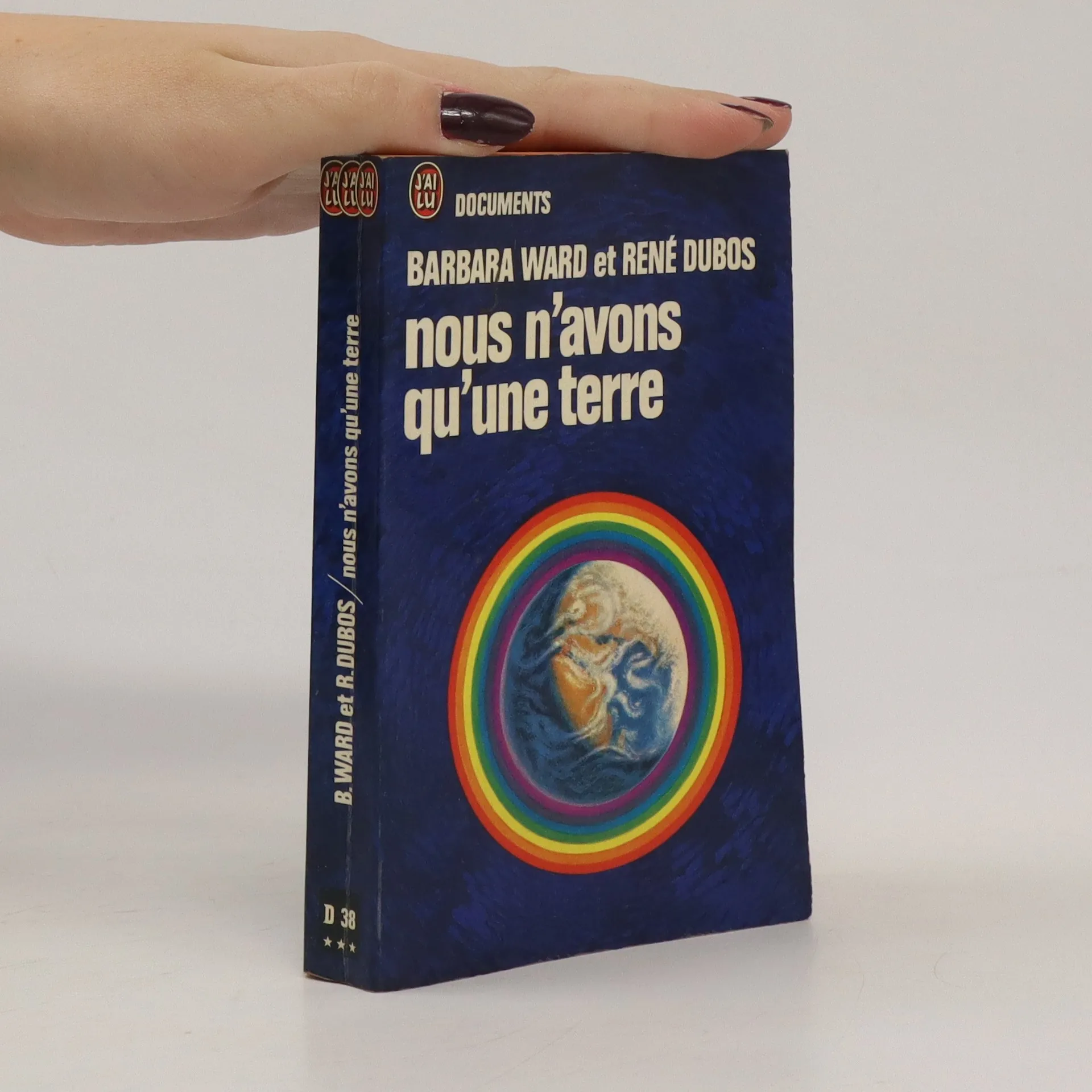
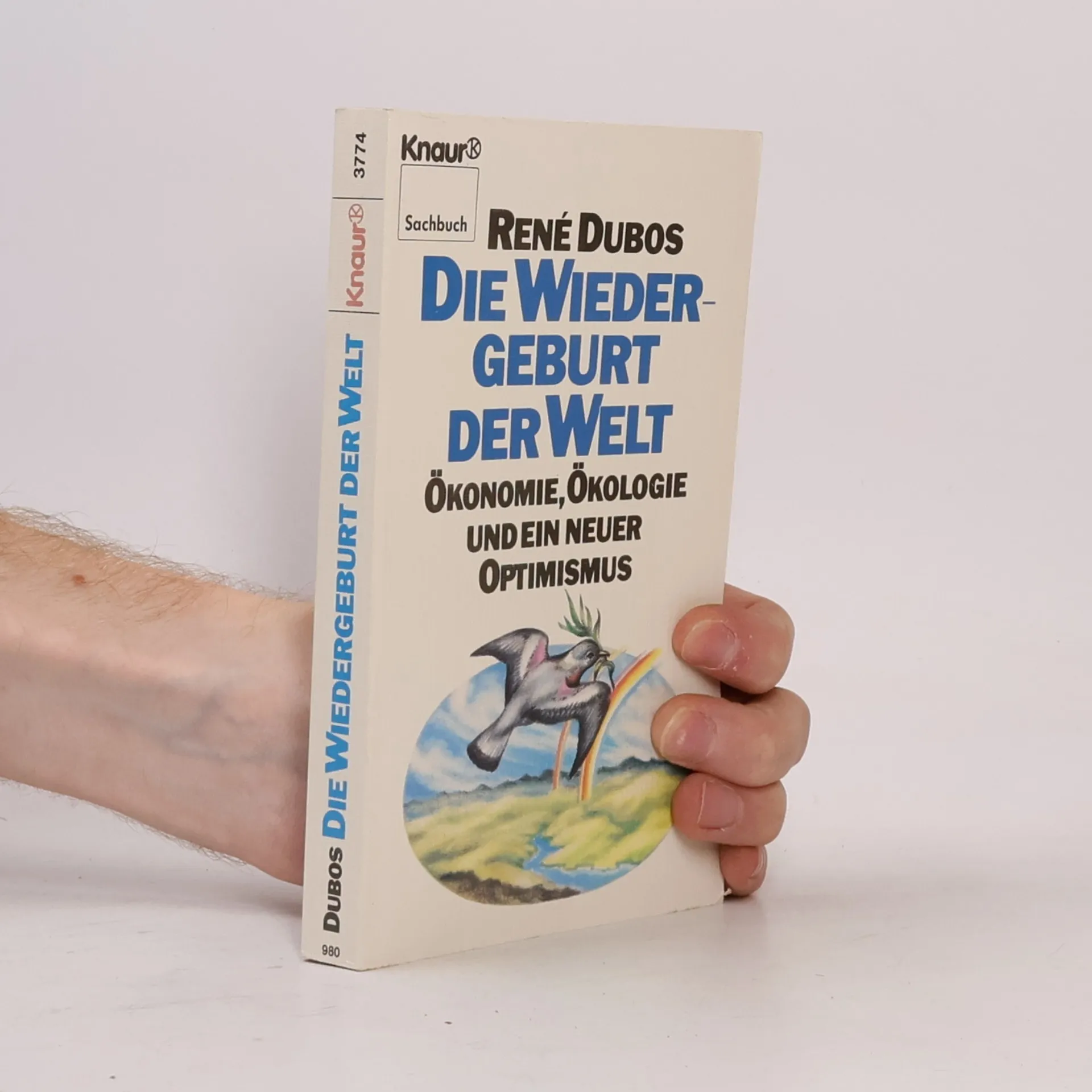
The Care and Maintenance of a Small Planet
An examination of man's relationship with his environment focuses on ecological problems on a global level
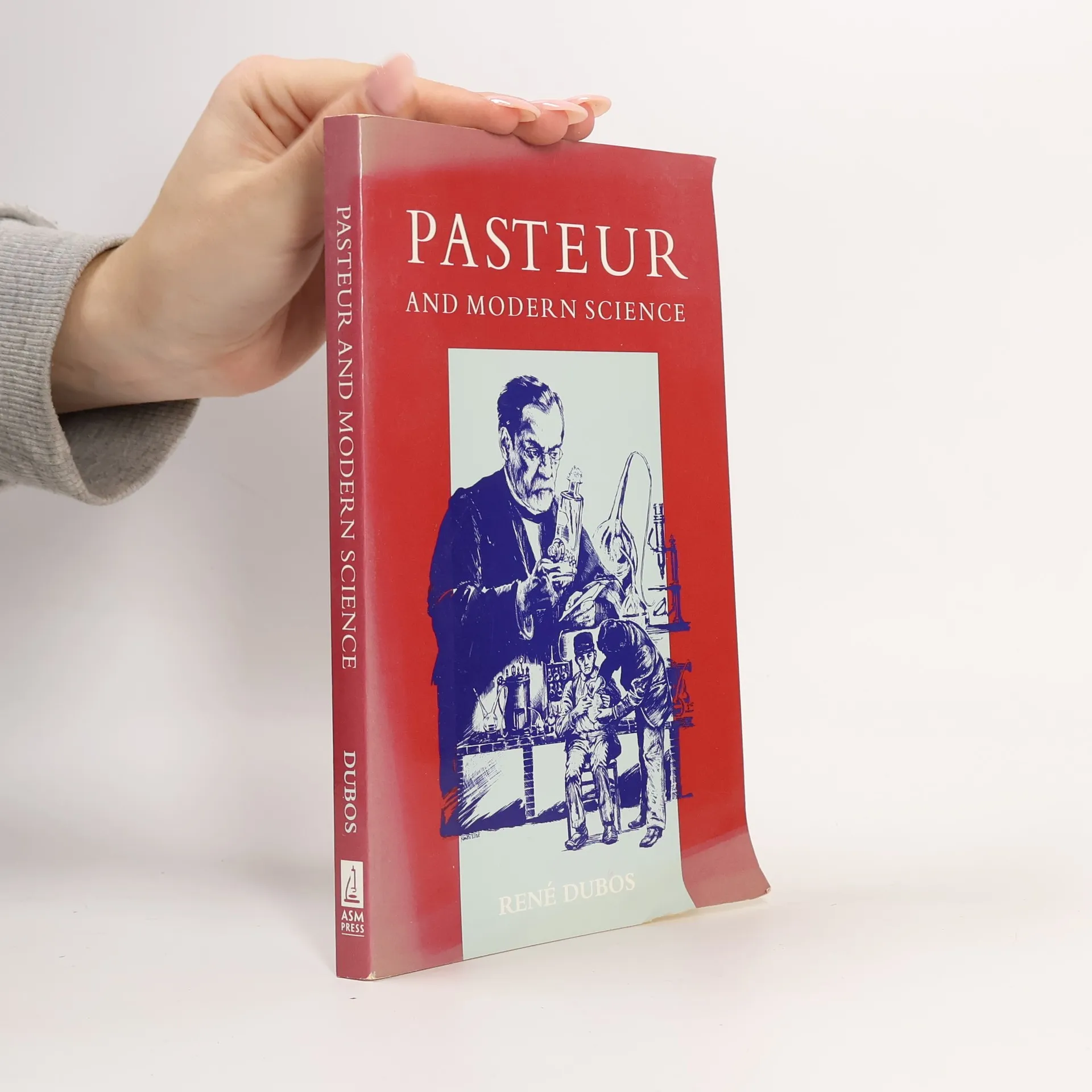
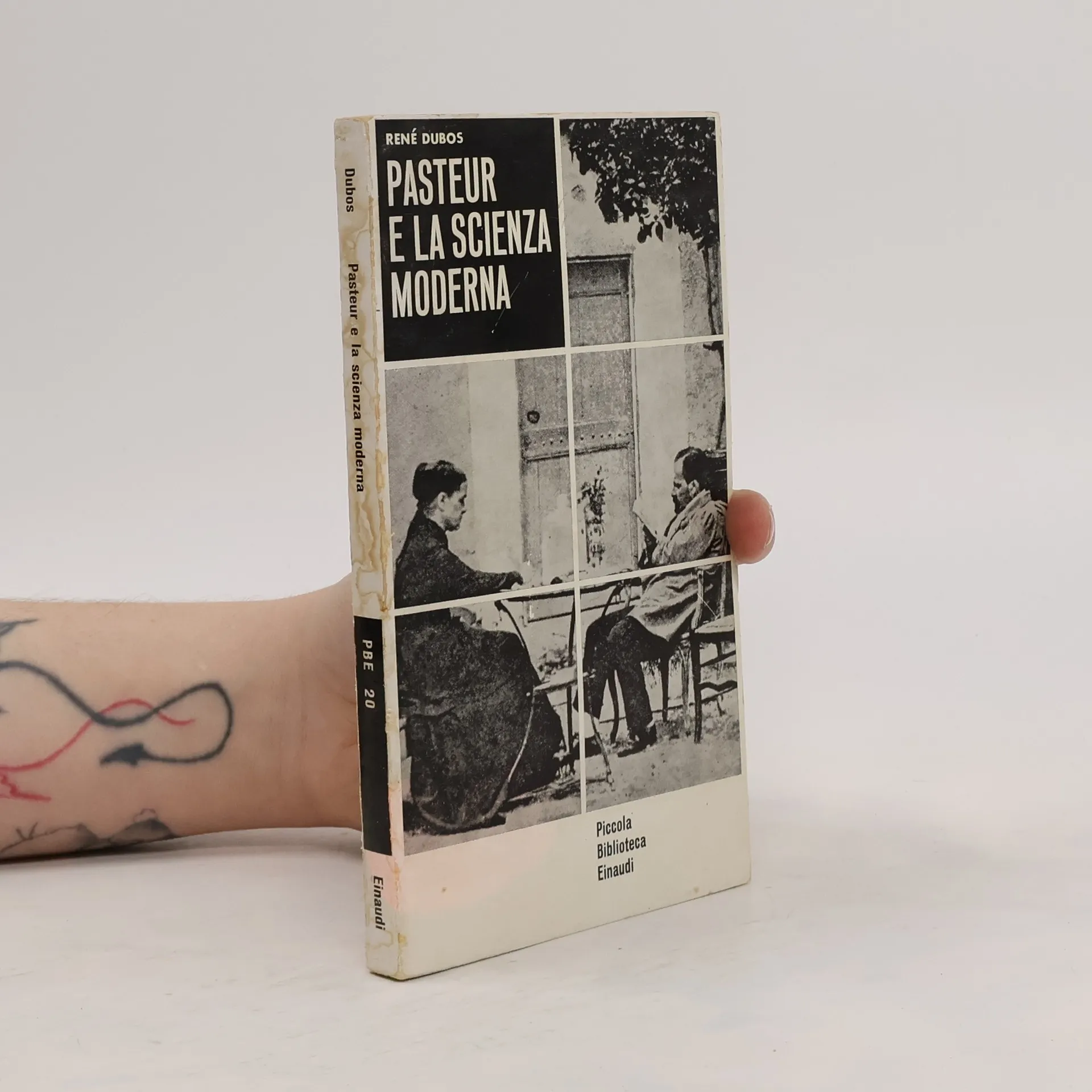
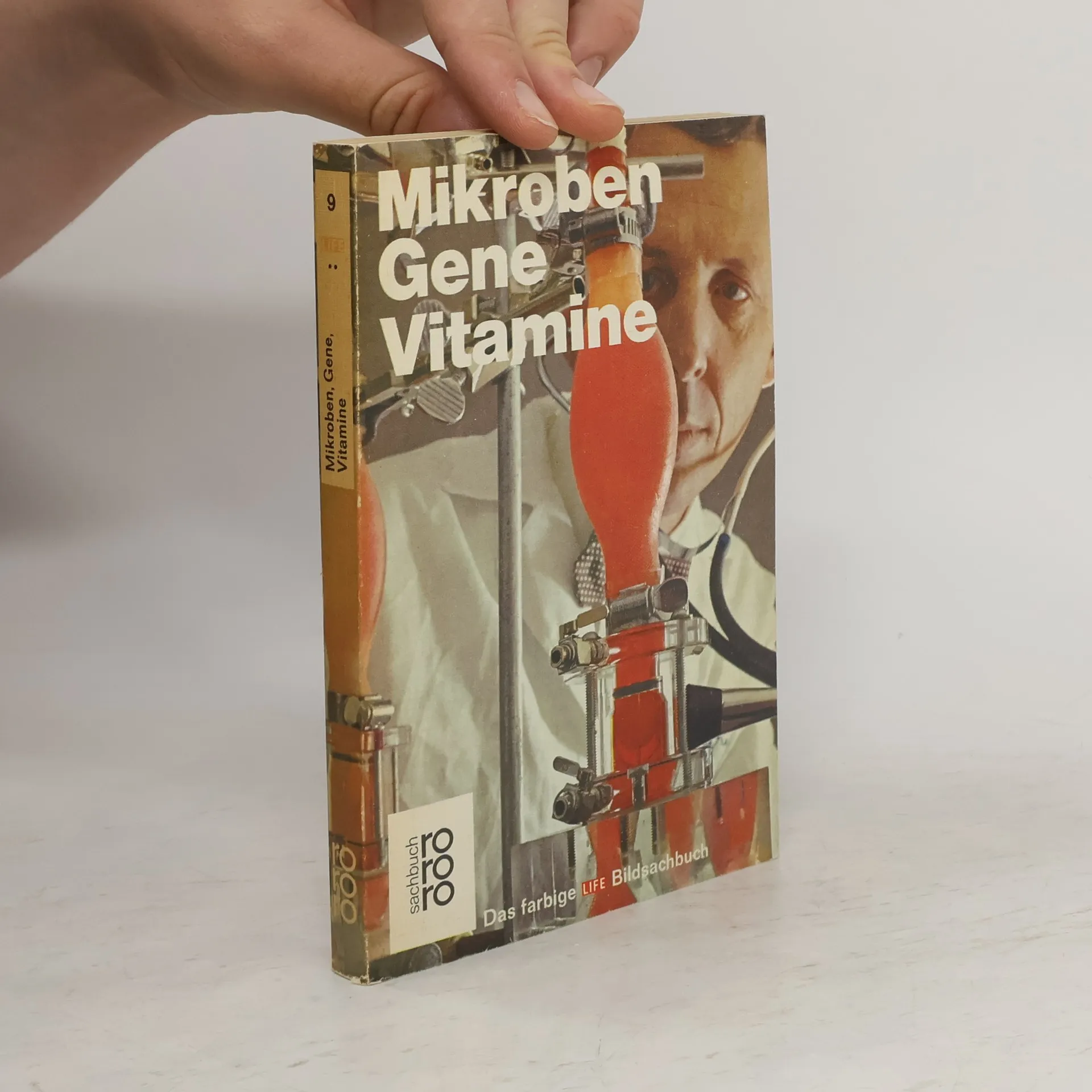
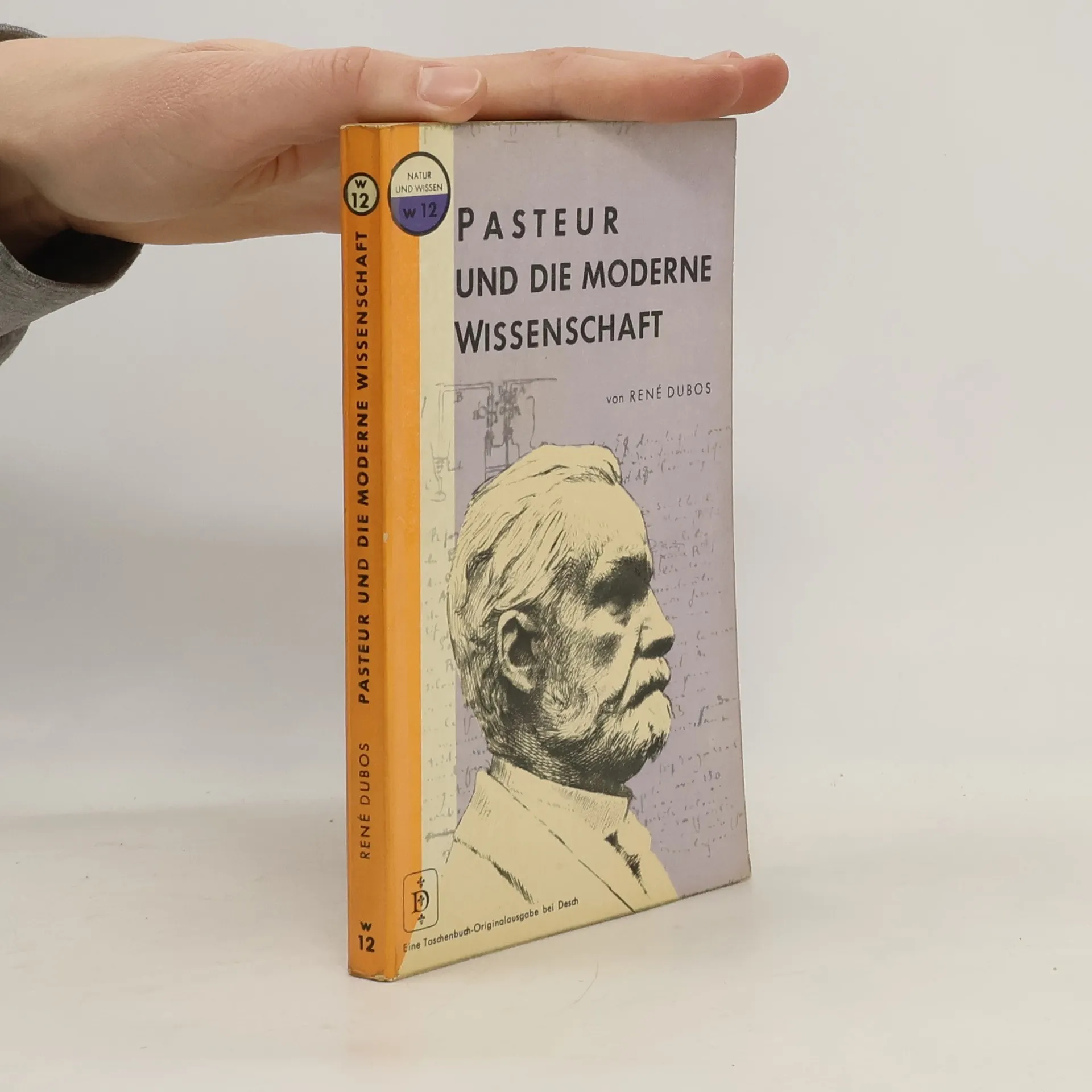
Pasteur's stunning career has attracted a host of biographies, but this book, written by a distinguished French-born microbiologist, is among the best. Dubos displays a deep appreciation for the power and enduring significance of Pasteur's scientific work. His graceful writing style allows for him to convey the excitement and signficance of even the most technical aspects of Pasteur's work. Revised by distinguished microbiologist, Thomas D. Brock, the book includes a foreword by Pasteur scholar Gerald L. Geison from Princeton University that places the book in historical context. The book contains more than forty illustrations and tables, as well as a glossary and additional text. For high school and college undergraduate students, as well as the general reader, this is the ideal introduction to the life of Louis Pasteur.
Očima pacienta : úvahy o uzdravení a regeneraci
Kniha se zabývá pacientovým podílem a vlivem psychiky na předcházení a léčbě nemocí. Autobiografie
Il y a quelques années, Norman Cousins, rédacteur en chef de Saturday Review, tombe gravement malade. Il est hospitalisé. Les médecins diagnostiquent une spondylarthrite ankylosante et ne lui donnent qu'une chance sur cinq cents de guérir. Cousins refuse de se résigner. Il décide, avec l'aide de son médecin, de prendre en main son sort. Il quitte l'hôpital, s'installe à l'hôtel, se fait projeter les meilleurs films comiques, découvre les vertus thérapeutiques du rire, reçoit ses amis, réduit son traitement à de fortes doses de vitamine C. Il guérit. C'est toute cette aventure, ses suites et ses enseignements qu'il raconte dans cet ouvrage.