

""For us," said Amilcar Cabral, "freedom is an act of culture." Guided by the concrete realities of his people, he called for a Return to the Source, a process of decolonization through "re-Africanization." With a system of thought rooted in an African reading of Marx, Cabral was a deep-thinking revolutionary who applied the principles of decolonization as a dialectic task, and in so doing became one of the world's most profoundly influential and effective theoreticians of anti-imperialist struggle. He translated abstract theories into agile praxis and in under just ten years steered the liberation of three-quarters of the countryside of Guinea Bissau from Portuguese colonial domination. Cabral and his fellow Pan-African movement leaders catalyzed and fortified a militant wave of liberation struggles beginning in Angola, moving through Cabral's homelands of Guinea Bissau and Cape Verde, and culminating in Mozambique and beyond. As a new imperialism has taken hold the world over, many have once more hearkened back to Return to the Source, and this time, our source of inspiration is Cabral himself. First published in 1973, this new edition has been expanded to include important texts from 'Revolution in Guinea' to 'Our People Are Our Mountains,' along with the principal speeches -revised and corrected - Cabral delivered during visits to the United States in the final years before his assassination in 1973"
Amílcar Cabral Reihenfolge der Bücher (Chronologisch)
- Abel Djassi
12. September 1924 – 20. Januar 1973

Unity and Struggle
- 544 Seiten
- 20 Lesestunden
Amilcar Cabral's long and arduous campaign for the liberation of Portuguese- dominated Africa is explored in this compilation of his most influential speeches and writings.
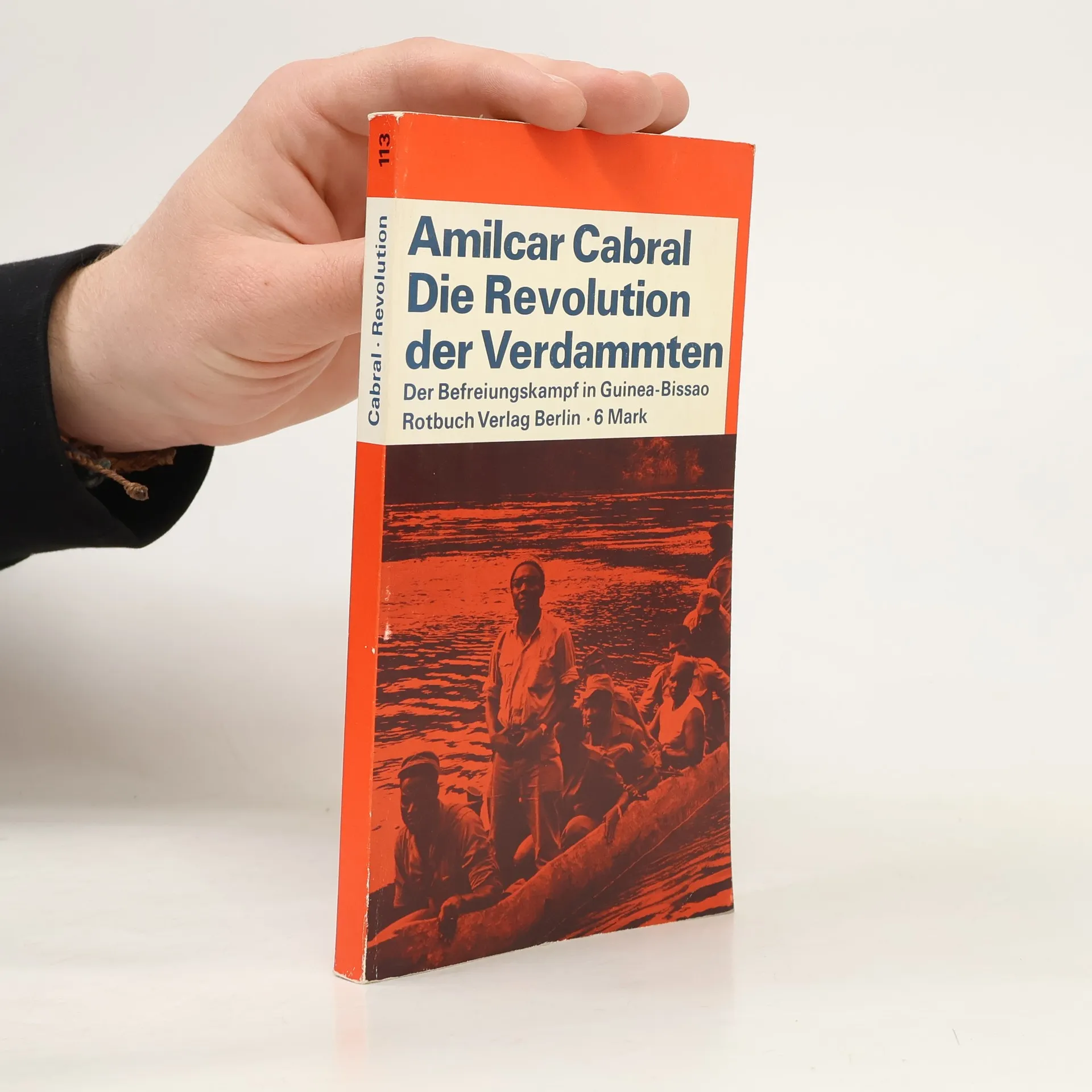
Die Revolution der Verdammten
- 148 Seiten
- 6 Lesestunden
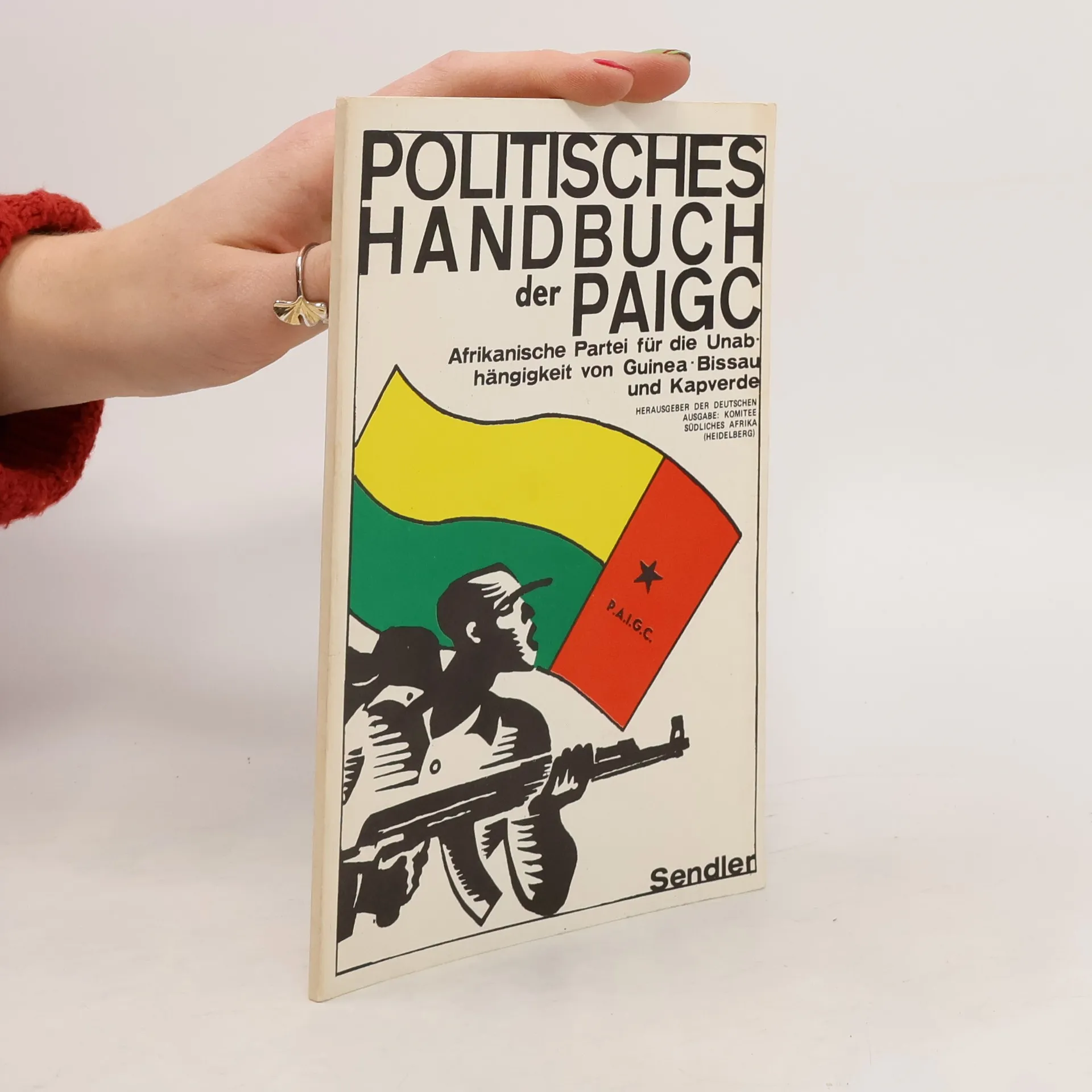
Politisches Handbuch der PAIGC
- 70 Seiten
- 3 Lesestunden