

Numa Denis Fustel de Coulanges Reihenfolge der Bücher (Chronologisch)
18. März 1830 – 12. September 1889
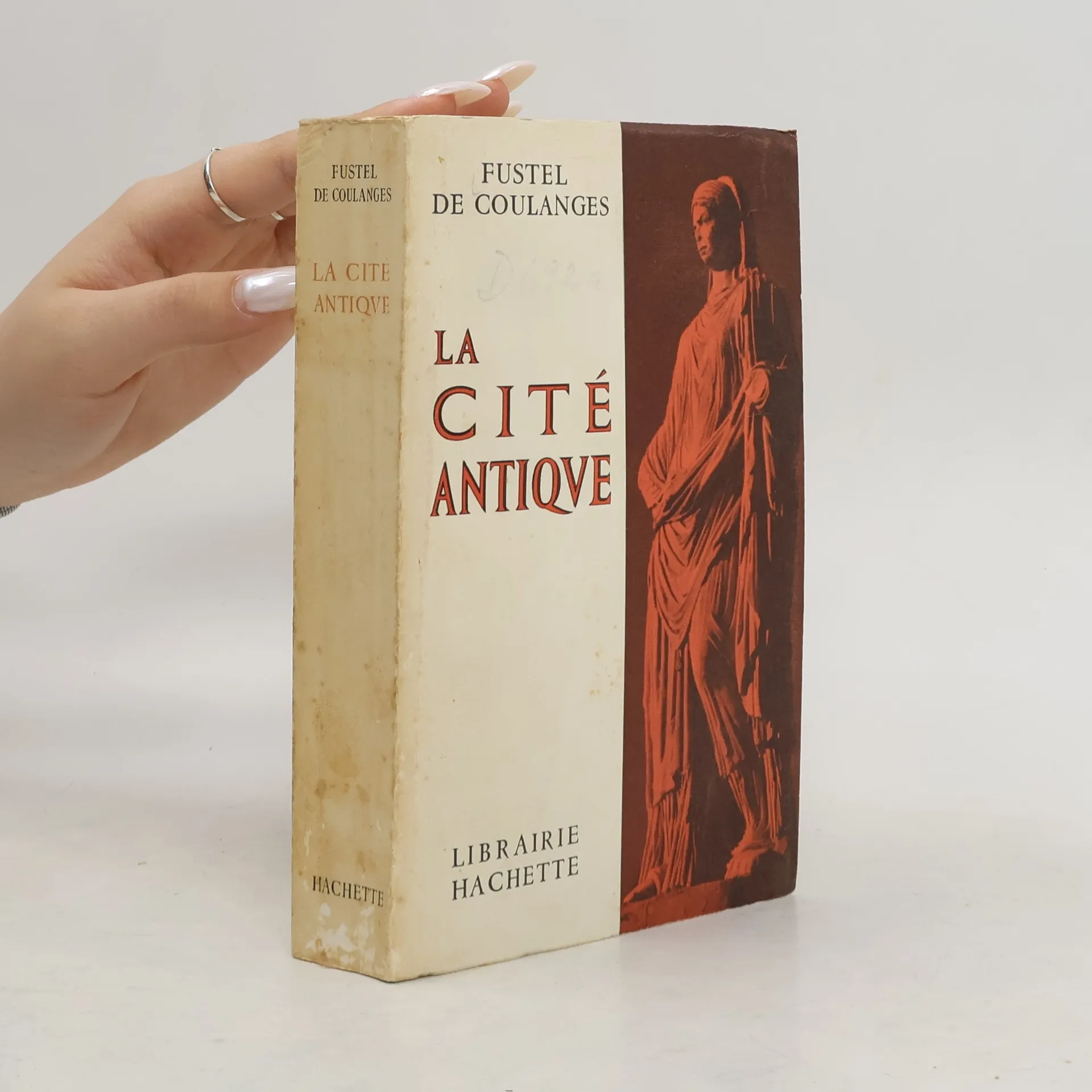
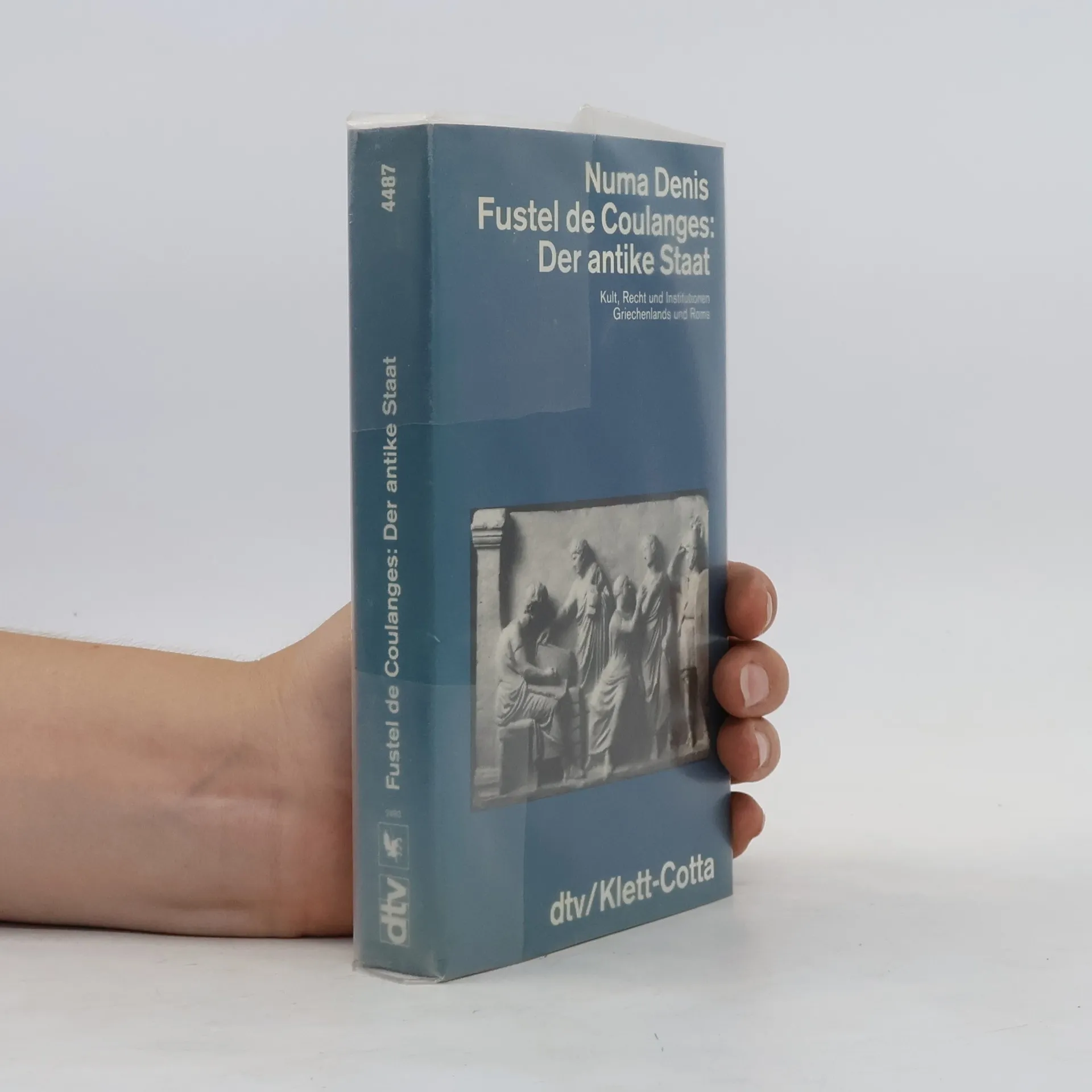
Der französische Historiker und Professor Fustel de Coulanges ist am besten für sein Buch *La cité antique* aus dem Jahr 1864 bekannt. Seine Forschung befasst sich mit dem tiefen Verständnis antiker Gesellschaften und enthüllt, wie deren Institutionen, Denken und Religion untrennbar mit ihrem sozialen und politischen Leben verbunden waren. Coulanges' Ansatz betont die Verbindung zwischen religiösen Vorstellungen und der Entwicklung des Stadtstaates und bietet einzigartige Einblicke in die Grundlagen der westlichen Zivilisation.


The Ancient Family - Imperium Press (Studies in Reaction)
- 122 Seiten
- 5 Lesestunden
The deepest and oldest layer of European religion is almost unknown today, and yet it governs all subsequent history. This is the Indo-European hearth cult, the subject of The Ancient Family. Here we get a picture of the most traditionalist, nationalist, patriarchal religion imaginable, of a people gathered around a sacred fire, worshipping its ancestors, jealous of its gods, and sufficient unto itself. Taken from books I-II of Fustel's momentous work The Ancient City, this volume can be read as a constitution of the primordial family structure, the father of all that came after it. The Studies in Reaction series collects works that challenge modernity, and this family structure is the perfect antithesis of, and remedy for, all that ails us today.
First published in French in 1864, this groundbreaking work by Fustel de Coulanges is a seminal study of the origins of Greek and Roman civilization, focusing on the role of religion, law, and social institutions in shaping their cultures. Coulanges argues that the ancient city was a religious community, in which the worship of the gods was at the center of social life and gave rise to distinctive legal and political systems. This translated edition, with a new introduction by historian Willard Small, is an essential reading for anyone interested in the history of classical civilization.
Mit dieser einflussreichen Studie initiierte der französische Historiker Numa Denis Fustel de Coulanges einen neuen Ansatz zur Organisation griechischer und römischer Städte. Fustel de Coulanges' Meisterwerk, La Cité antique, stützt sich auf physische Beweise sowie antike Dokumente und bietet ein frisches, genaues und detailliertes Porträt des religiösen, familiären und bürgerlichen Lebens im Perikles-Athen und im Rom zur Zeit Ciceros. Dieser faszinierende soziologische Bericht offenbart die Bedeutung von Verwandtschaft sowie den Kult des Familienherdes und der Vorfahren für die antike hellenische und lateinische Stadt- kultur. Er beschreibt den Aufstieg von familienzentrierten heidnischen Glaubenssystemen und verfolgt ihren allmählichen Rückgang mit der Verbreitung des Christentums. Fustel zitiert antike indische und hebräische Texte sowie griechische und römische Quellen. Die Genialität seiner Interpretationen und sein eindrucksvoller Schreibstil bieten den Lesern einen wesentlichen und bleibenden historischen Überblick.