Ordnung und Entropie
- 329 Seiten
- 12 Lesestunden



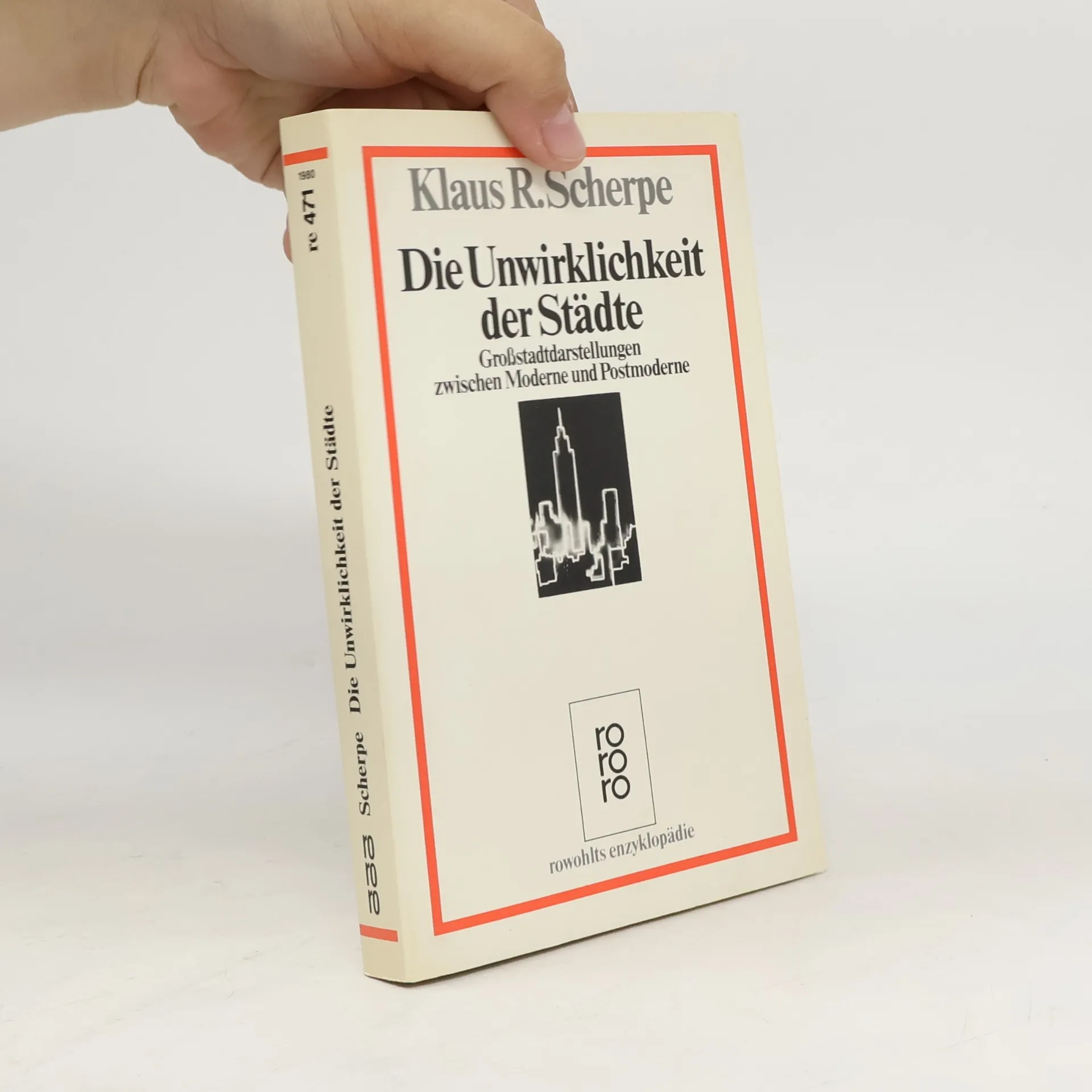
Großstadtdarstellungen zwischen Moderne und Postmoderne
Jost Hermand, geboren 1930 in Kassel, promovierte 1955 an der Universität Marburg und ist emeritierter Professor für deutsche Kulturgeschichte an der University of Wisconsin-Madison sowie Honorarprofessor an der HU Berlin. Zu seinen bedeutenden Veröffentlichungen zählen Werke wie «Epochen deutscher Kultur von der Gründerzeit bis zum Expressionismus» (1959–75), «Literaturwissenschaft und Kunstwissenschaft» (1965), und «Die Kultur der Weimarer Republik» (1979, mit Frank Trommler). Weitere wichtige Titel sind «Sieben Arten an Deutschland zu leiden» (1979), «Der alte Traum vom neuen Reich» (1988), und «Als Pimpf in Polen» (1993). Harald Jähner, Jahrgang 1953, war bis 2015 Feuilletonchef der «Berliner Zeitung» und ist Honorarprofessor für Kulturjournalismus an der Universität der Künste Berlin. Sein Buch «Wolfszeit. Deutschland und die Deutschen 1945–1955» (2019) wurde mit dem Preis der Leipziger Buchmesse ausgezeichnet und war monatelang auf der «Spiegel»-Bestsellerliste. Es wurde international veröffentlicht und für den Baillie-Gifford-Preis nominiert. «The Times» lobte es als «bewegende, faszinierende Lektüre», in der Jähner meisterhaft die Geschichten der Zeitzeugen erzählt.
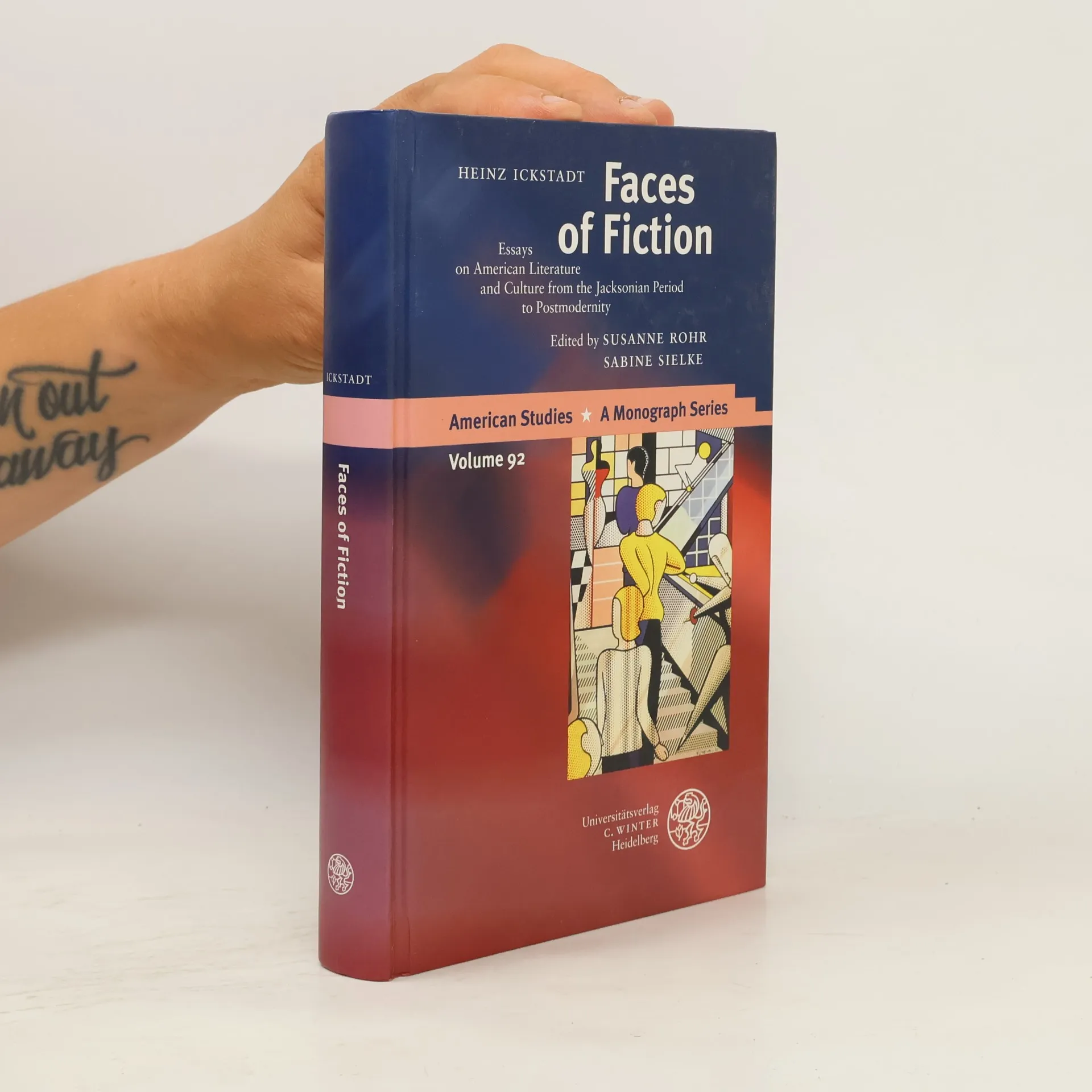
Essays on American Literature and Culture from the Jacksonian Period to Postmodernity
This collection of essays offers a coherent view of (North)American literary and cultural history from the times of James Fenimore Cooper to the present. Its focus is mainly on the novel and on poetry, but it also inquires into the relation between genres and discourses: between literature and painting, realism and the beginnings of American sociology, between fiction and the political rhetoric of expansion. Historically, it explores especially three periods of American literature and culture: the late-nineteenth century and the transition from Victorianism to the modern era, the forms and peculiarities of American literary modernism, and postmodern fiction (especially the work of Pynchon, Coover, and DeLillo). Within these areas of interest it emphasizes the rise and development of the American city novel as well as the different literary representations of the Canadian and U. S. American experience of the frontier and of the city. Thus the book gives evidence of the richness and diversity of American cultural expression, yet also of an academic lifetime's fascination with, and commitment to, American Studies.