

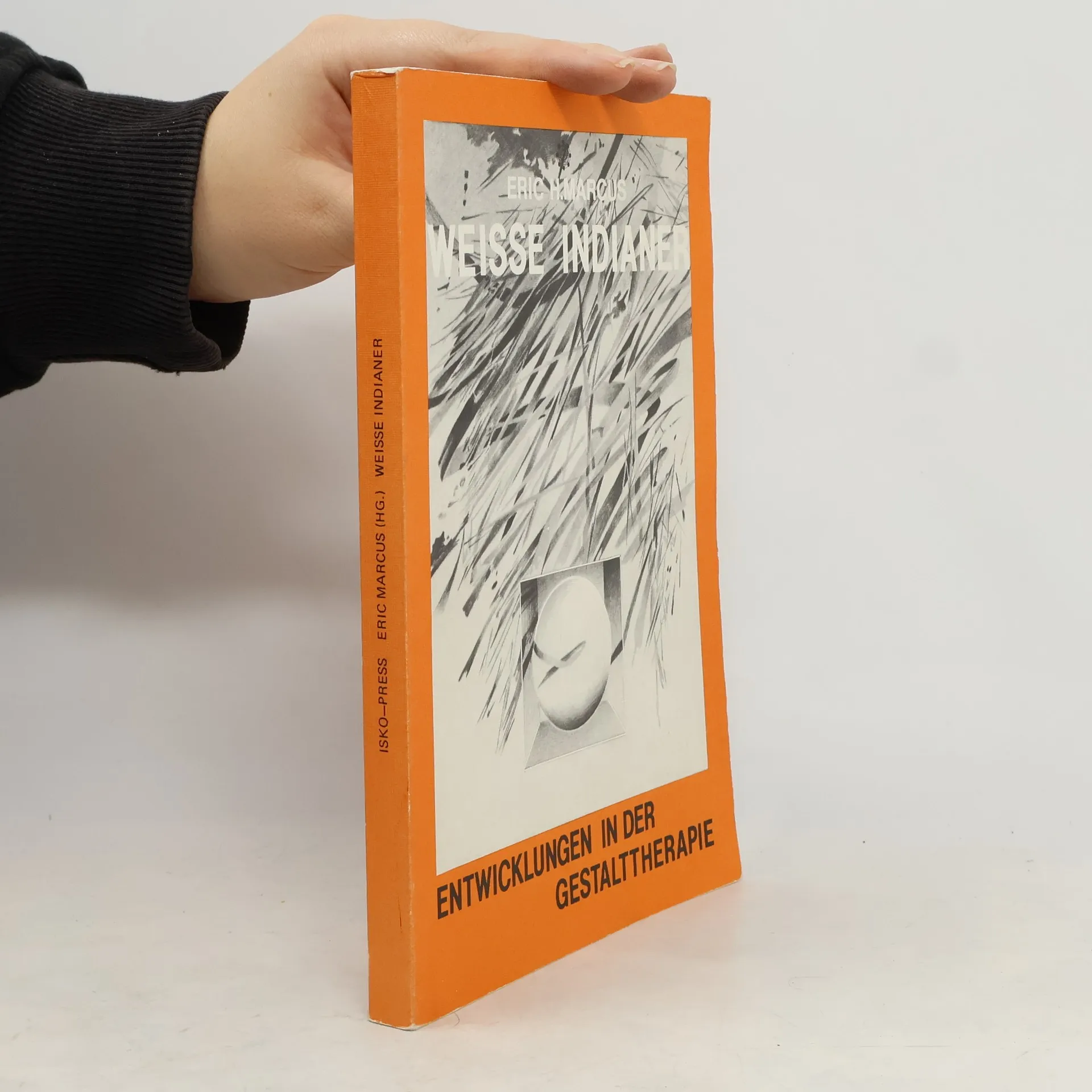
In diesem anregenden Buch kommt die zweite Generation der Gestalttherapeuten zu Wort. Schüler und Freunde von Eric Marcus präsentieren hier ihre Konzepte, Techniken und spezifischen Erfahrungen mit unterschiedlichen Klientengruppen. Das Buch ist eine Fundgrube für Gestalttherapeuten und -berater. Aus dem Inhalt: Edwin Greenberg: Gestalttherapie und Veränderung, Rohe N. Esbaugh: Das Arbeiten „über“, ders.: Weiße Indianer, Stephan A. Tobin: Lücken in Gestalt, ders.: Gestalttherapie mit frustrierenden Klienten, Naomi Pollack: Improvisationstheater und Gestalttherapie, Allen Darbonne: Körperarbeit und Gestalt, Bruce Derman: Namen-Therapie, Frederick H. Grosse: Gespräch mit Gott, Paul E. Palge: Arbeit mit Trinkern, die mit dem Trinken nicht aufhören wollen u. a.
Eric Marcus Bücher
Eric Marcus ist ein Kommunikationsexperte mit drei Jahrzehnten Erfahrung in der Ansprache verschiedener Zielgruppen, von der breiten Öffentlichkeit bis hin zu Nischeninteressenten. Seine umfangreiche Karriere umfasst das Schreiben von Büchern für Konsumenten, die Entwicklung von Werbematerialien für Non-Profit-Organisationen und Unternehmen sowie die Produktion von Dokumentationen und Fernsehnachrichten. Marcus' Arbeit wurde in großen Zeitungen und Zeitschriften veröffentlicht, und er war als Berater, Produzent und Autor für zahlreiche renommierte Kunden tätig, darunter PBS, die NAACP und das MoMA. Er zeichnet sich durch die klare und überzeugende Vermittlung komplexer Themen an verschiedene Zielgruppen aus, sei es durch seine schriftstellerische Tätigkeit oder als Sprecher und Moderator.



Pessimisms
Famous (and Not So Famous) Observations, Quotations, Thoughts, and Ruminations on What to Expect When You're Expecting the Worst
- 176 Seiten
- 7 Lesestunden
Bad things happen to everyone, and this collection provides just the right dose of irreverence to help you laugh at life and all its nasty surprises. Inspired by the author's profoundly pessimistic grandmother, it offers wry, world-weary ruminations on a sampler of life's themes, including: Health (" The only way to keep your health is to eat what you don't want, drink what you don't like, and do what you'd rather not ." —Mark Twain); Love (" The surest way to be alone is to get married ." —Gloria Steinem); and Money (" I have enough money to last the rest of my life, unless I buy something ." —Jackie Mason). Enjoy.
Finding the right man is just the beginning. Figuring out how to build a happy, rewarding, and tong-lasting relationship is the next challenge. With the help you'll find in the pages of The Male Couple's Guide--a warm, commonsense companion based on interviews with gay men across the country, their families, and relationship experts, as well as the author's own experience'you'll get the answers to everything you need to know, including: Finding the Right Man: Knowing what to look for, where to look, and how to dateGetting Along: How to talk, how to listen, and how to accept differencesMonogamy/Nonmonogamy: Deciding what works for youMoving in Together: Where to live, setting up house, managing household choresTying the Knot: Planning a ceremony, exchanging ringsFamily: Coming out to your family, including your partner in family life Children: Exploring your choices, making a decisionWork: How to include or exclude your partner from your professional life Sex: What to expect when the honeymoon stage is a memory Money: Managing your joint or separate finances The Law: Protecting your relationship and each other legally
Coming Out to Play
- 240 Seiten
- 9 Lesestunden
The first openly gay professional athlete in North America shares his transformative journey of coming out and its impact on the world of sports. For years, Robbie Rogers lived in fear that revealing his sexuality would lead to losing his family's love and jeopardizing his soccer career. This internal struggle weighed heavily on him, as he felt trapped in a society where being a gay man in professional sports seemed impossible. At 25, after achieving significant milestones—including an NCAA Championship, an MLS Cup, and Olympic competition—he decided to embrace his truth. Contrary to his fears of rejection, Robbie was met with acceptance from his family, teammates, and fans. In this narrative, he recounts his evolution from a scared teenager to a pioneering professional soccer player for the L.A. Galaxy. Now, as a proud role model, he advocates for those grappling with their own identities, inspiring others to pursue their dreams without fear. His story is a testament to the power of authenticity and the positive change it can bring to individuals and the sports community.