Brigitte Oetker Reihenfolge der Bücher (Chronologisch)

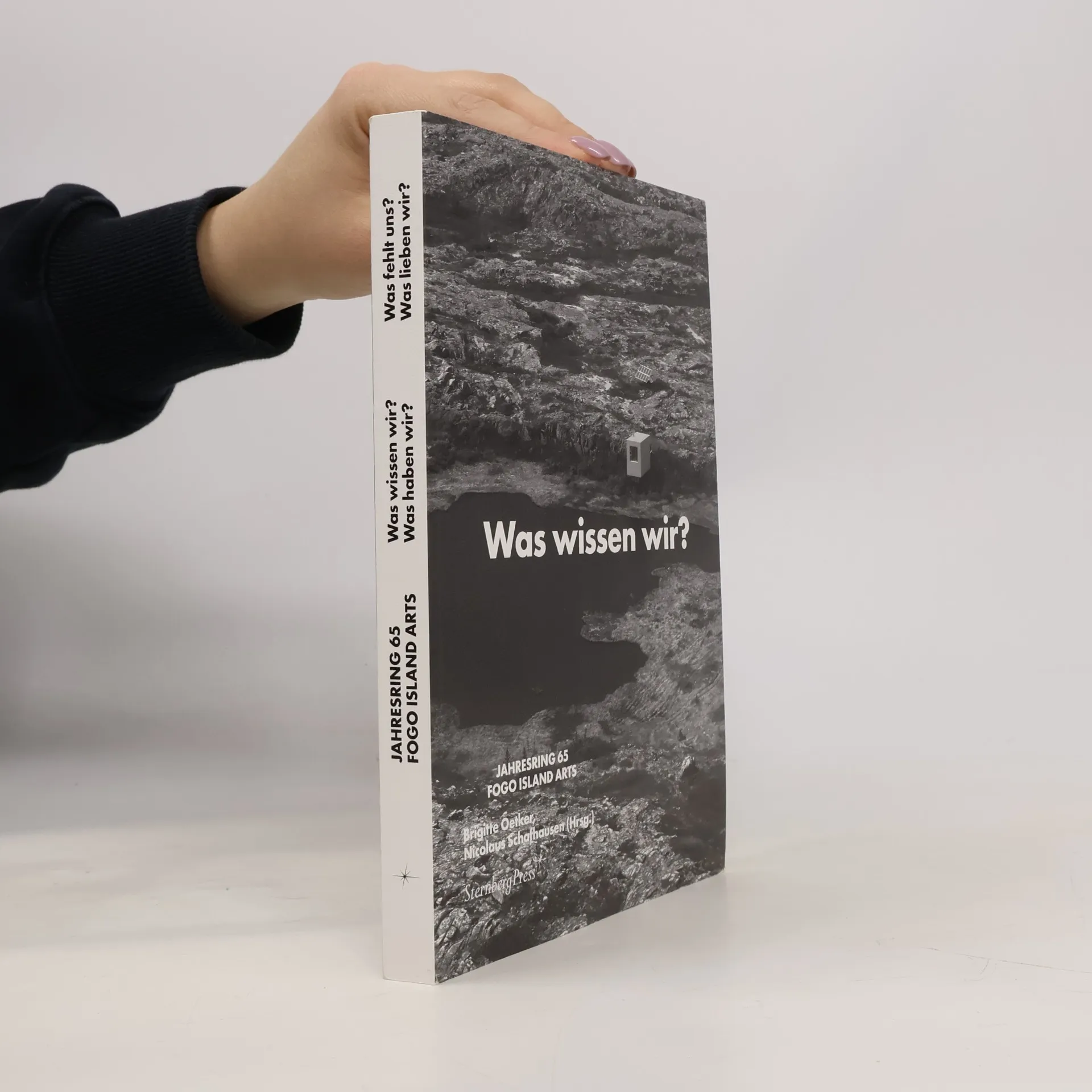


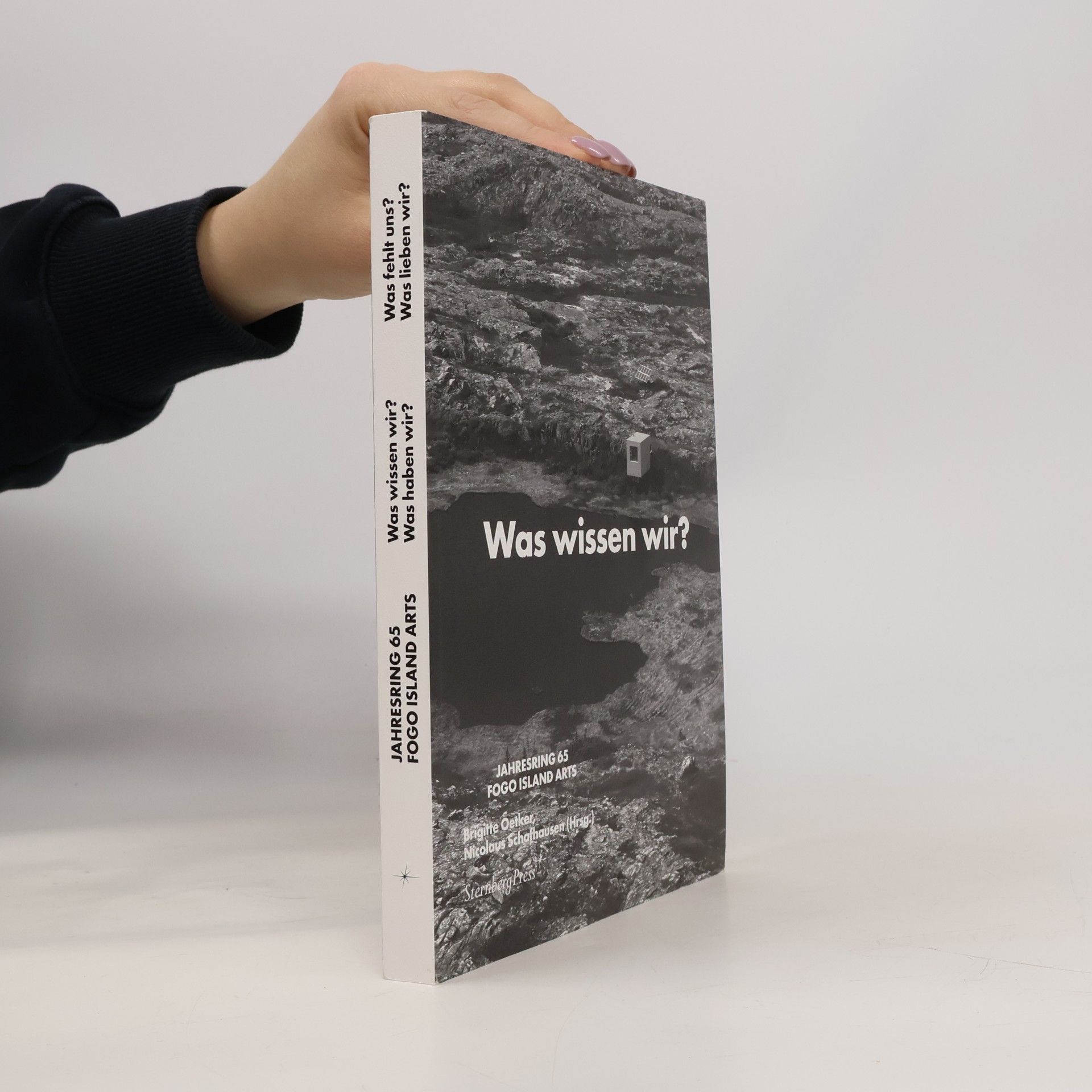
Was wissen wir? Was haben wir? Was fehlt uns? Was lieben wir?
- 240 Seiten
- 9 Lesestunden
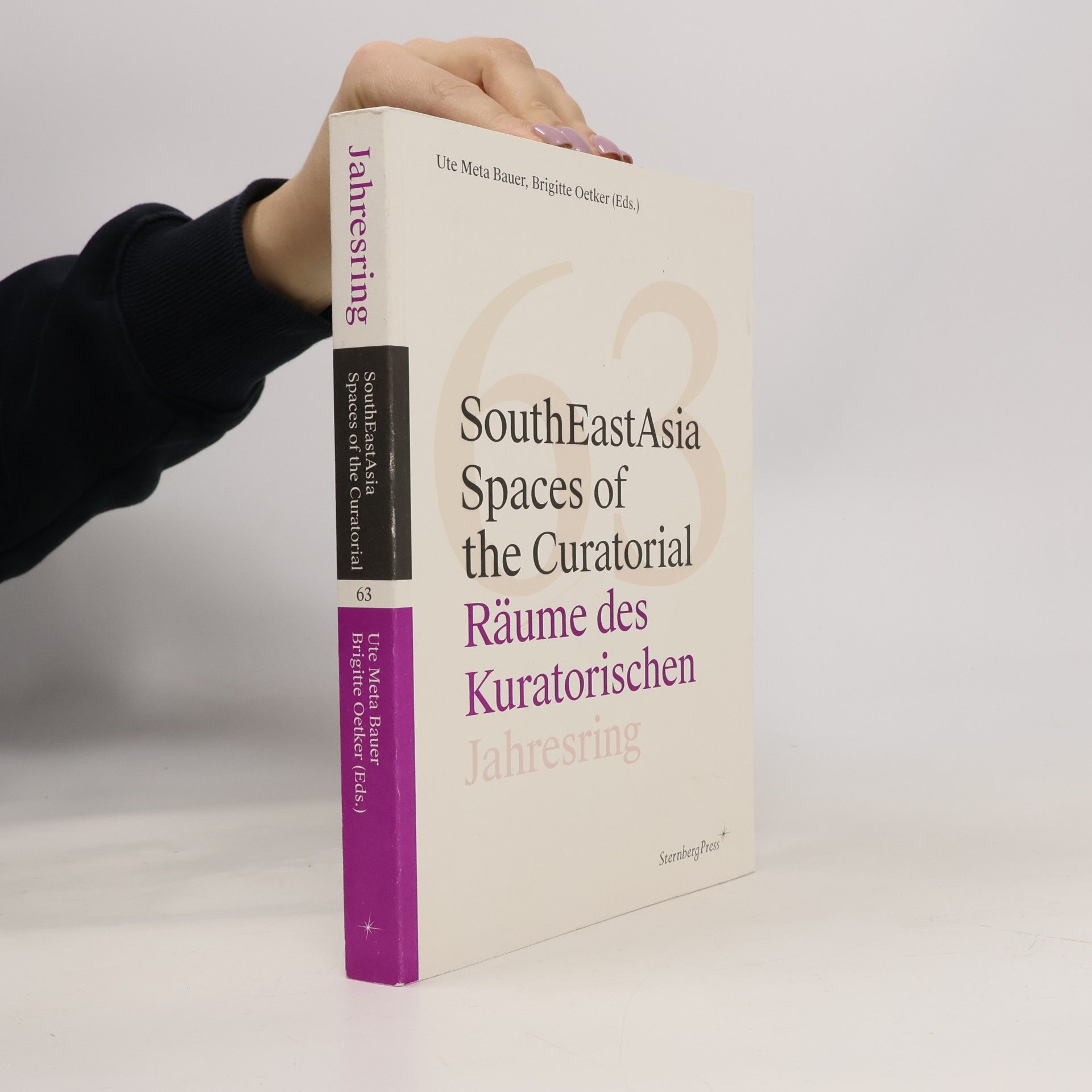
Jahresring - 63: SouthEastAsia Spaces of the Curatorial / Räume des Kuratorischen
- 288 Seiten
- 11 Lesestunden
This publication focuses on the practice of curating in Southeast Asia, a region experiencing a time of increased global visibility as well as nation and institution building. How do curators engage with the intricacies of a particular place, and how do they respond to the specificities of the local under the expectations of the international? The diversity of voices in this publication mirrors the complexity of the region itself: its various curatorial spaces, infrastructures, and political systems. What emerges is a highly diverse art system that shifts away from traditional formats to embrace new or alternative platforms--from symposia to fieldwork--with the aim of emphasizing curating as a process of critical thinking that goes beyond presentations and representations
Jahresring - 62: Toward An Aesthetics Of Living Beings
- 288 Seiten
- 11 Lesestunden
The question of life has always been one of modernity's main preoccupations, but it was the advent of the camera--with its ability to record moving creatures--that initiated a new phase in the human investigation of animal behavior. In the world of contemporary art, animals now occupy center stage. Artworks such as Joseph Beuys's I Like America and America Likes Me (1974), a weeklong performance in New York during which the artist lived with a coyote, and Rosemarie Trockel and Carsten Höller's Haus für Schweine und Menschen at documenta X (1997), demonstrate the idea that culture, self-consciousness, and language do not exclusively belong to man. Drawing on key texts by Sergei Eisenstein, Gilles Deleuze, Félix Guattari, and Donna Haraway, and analyzing works by Pierre Huyghe, Christoph Keller, and Helen Marten, this volume brings together theory and art, showing how both turned to animals to find new ways of problematizing "life." The Jahresring series is edited by Brigitte Oetker and published on behalf of Kulturkreis der deutschen Wirtschaft im BDI e.V. Contributors Alain Badiou, Karen Barad, Gregory Bateson, Bruce Chatwin, Gilles Deleuze, John Dewey, John Dupré, Sergei Eisenstein, Félix Guattari, Donna Haraway, Alexandre Kojève, Osip Mandelstam, Cord Riechelmann

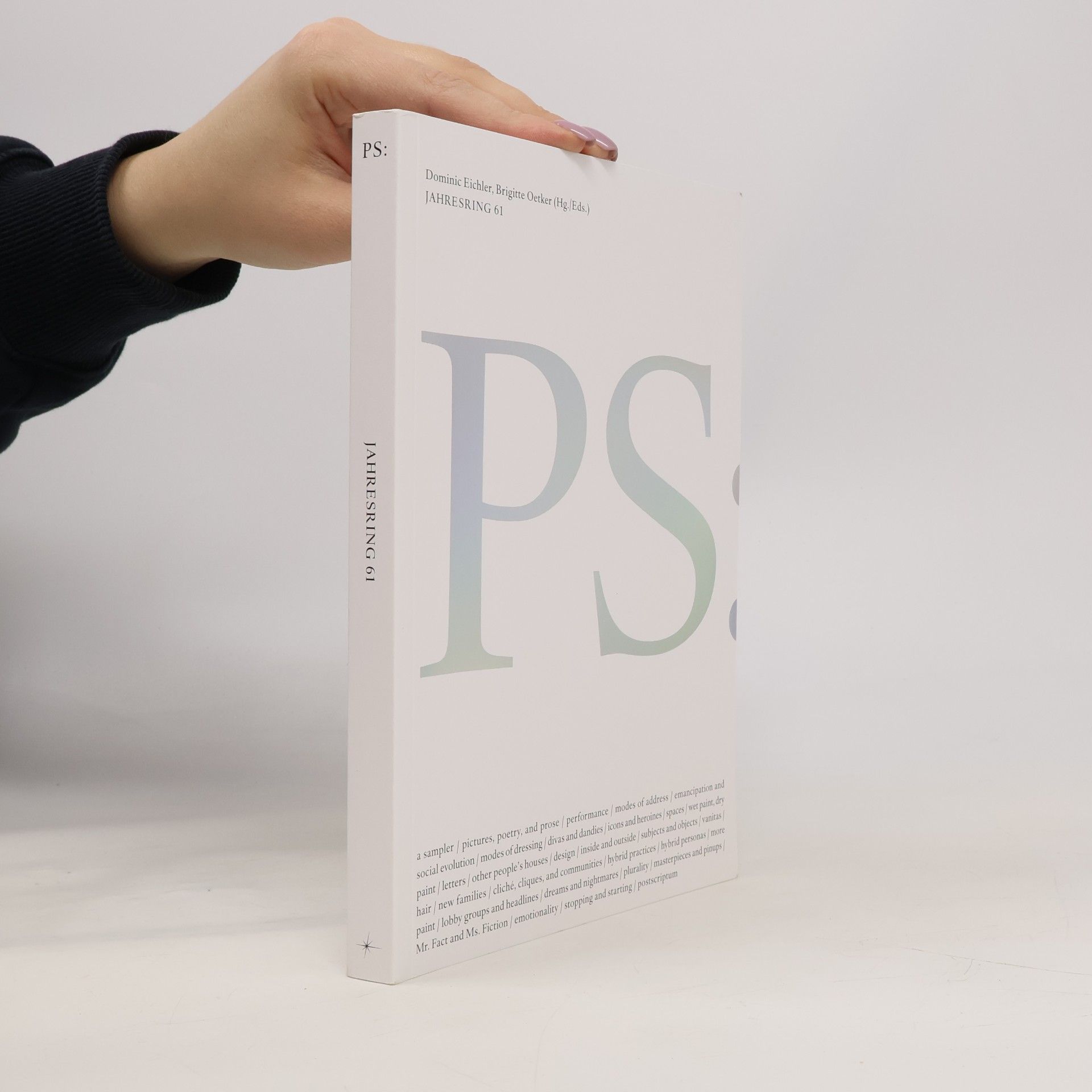
Jahresring - 61: PS:
- 248 Seiten
- 9 Lesestunden
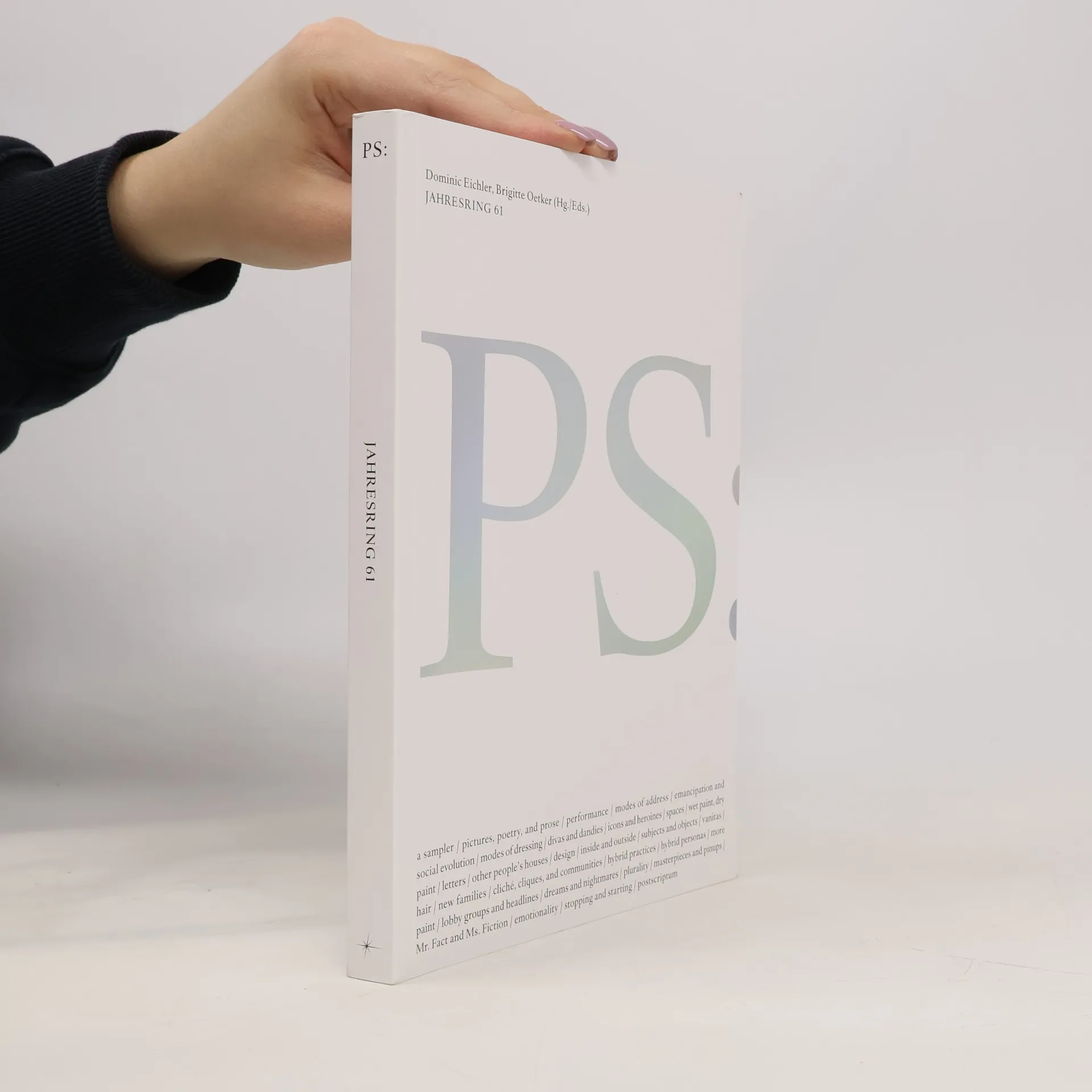
The Jahresring series is a prominent annual journal for contemporary art in Germany, now in its 61st edition. This issue serves as a reader and visual sampler featuring contributions from a diverse group of artists, writers, poets, musicians, choreographers, and designers. It adopts an intertextual and interdisciplinary approach to examine contemporary cultural resonances related to gender and sexuality. The concept of a "PS" or postscript emerges as a space where underlying relations or realities, often unspoken in the main text, are brought to light. This "PS" functions as a site of interpersonal agency, offering a compelling textual gesture that introduces additional layers of meaning. It invites readers to consider what lies beneath the surface, adding nuances like "by the way" and "you know what we're really talking about." While it may appear as a concluding thought, it is anything but final. The Jahresring is published annually on behalf of Kulturkreis der deutschen Wirtschaft im BDI e.V. Contributors include a range of notable figures such as Manuela Ammer, Julie Ault, and Isa Genzken, among others, each adding their unique voice to this rich tapestry of contemporary discourse.
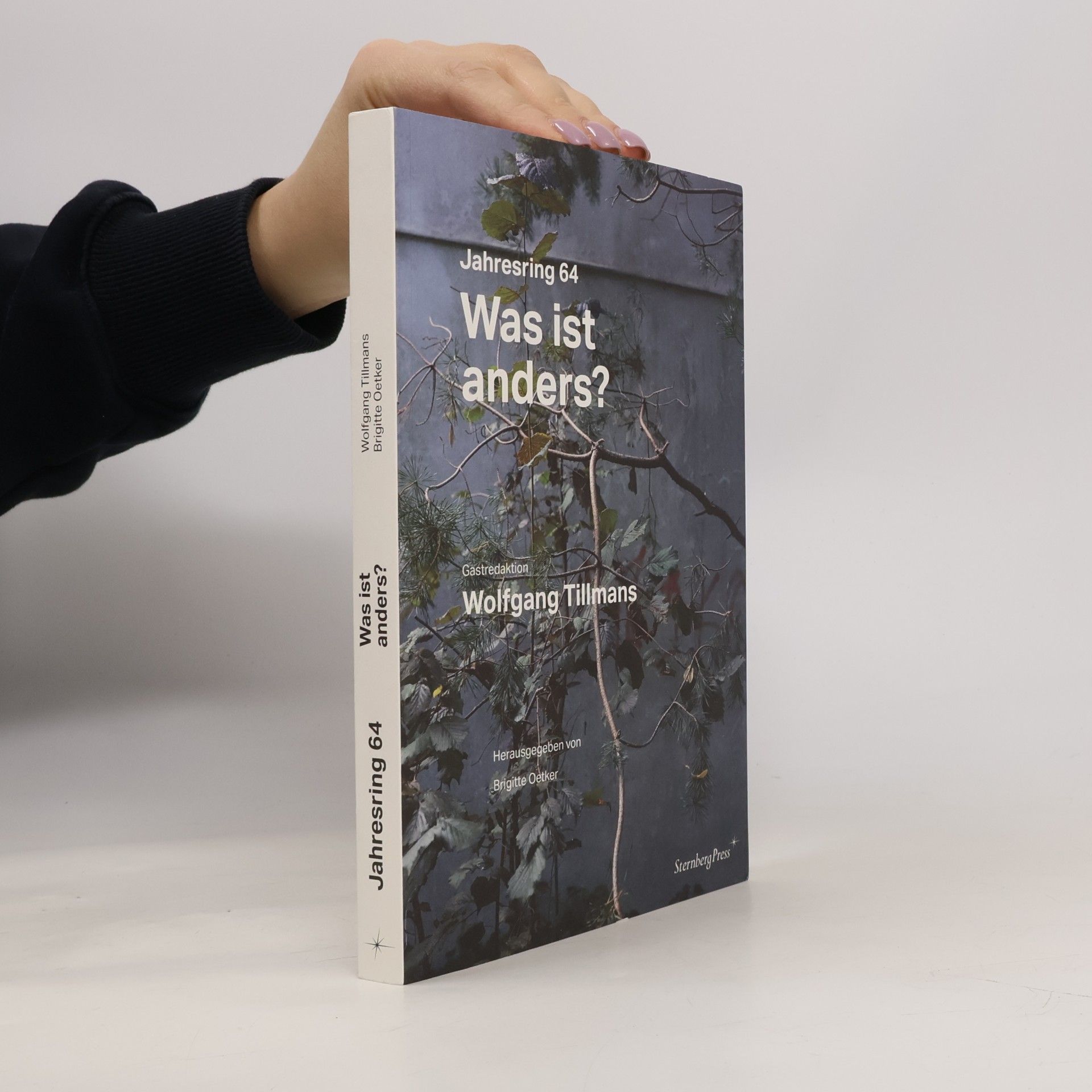
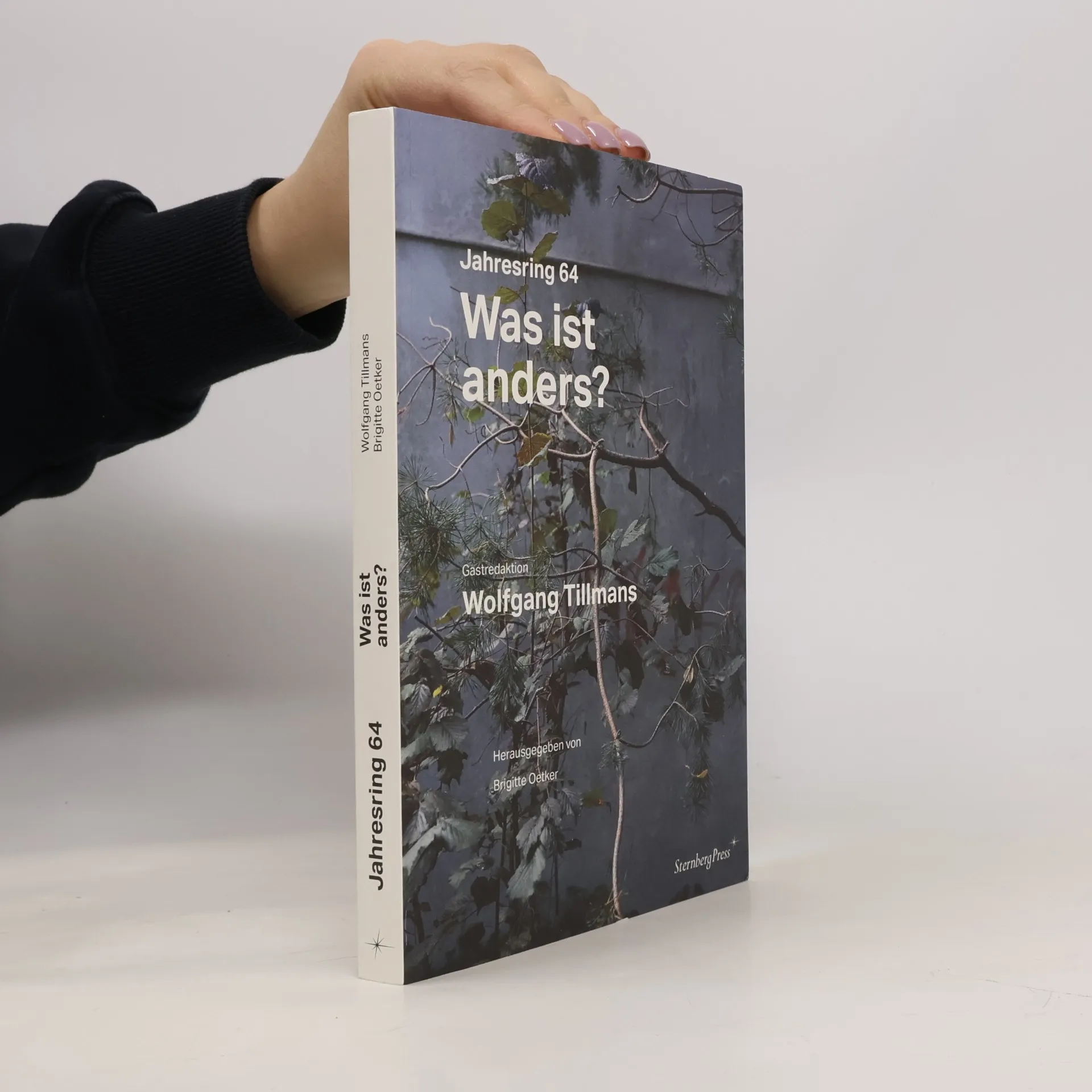
Jahresring - 64: Was ist anders?
- 228 Seiten
- 8 Lesestunden
Was ist anders?' ist der Titel der 64. Ausgabe des Jahresrings, die Wolfgang Tillmans als Gastredakteur konzipiert und gestaltet hat. Seit den frühen 2000ern arbeitet Tillmans an der Werkgruppe truth study centre, in der er die Beanspruchung von Wahrheit in sozialen und politischen Zusammenhängen thematisiert. Der Jahresring stellt sich der Problematik eines neu formierten Rechtspopulismus, dem Phänomen Fake News und präsentiert psychologische Forschungsergebnisse wie beispielsweise den Backfire-Effekt.