Gratisversand in ganz Deutschland!
Bookbot

Gert Rickheit

    4. Oktober 1941 – 18. April 2011
    Situated communication
    Handbook of communication competence
    Richtungen im Raum
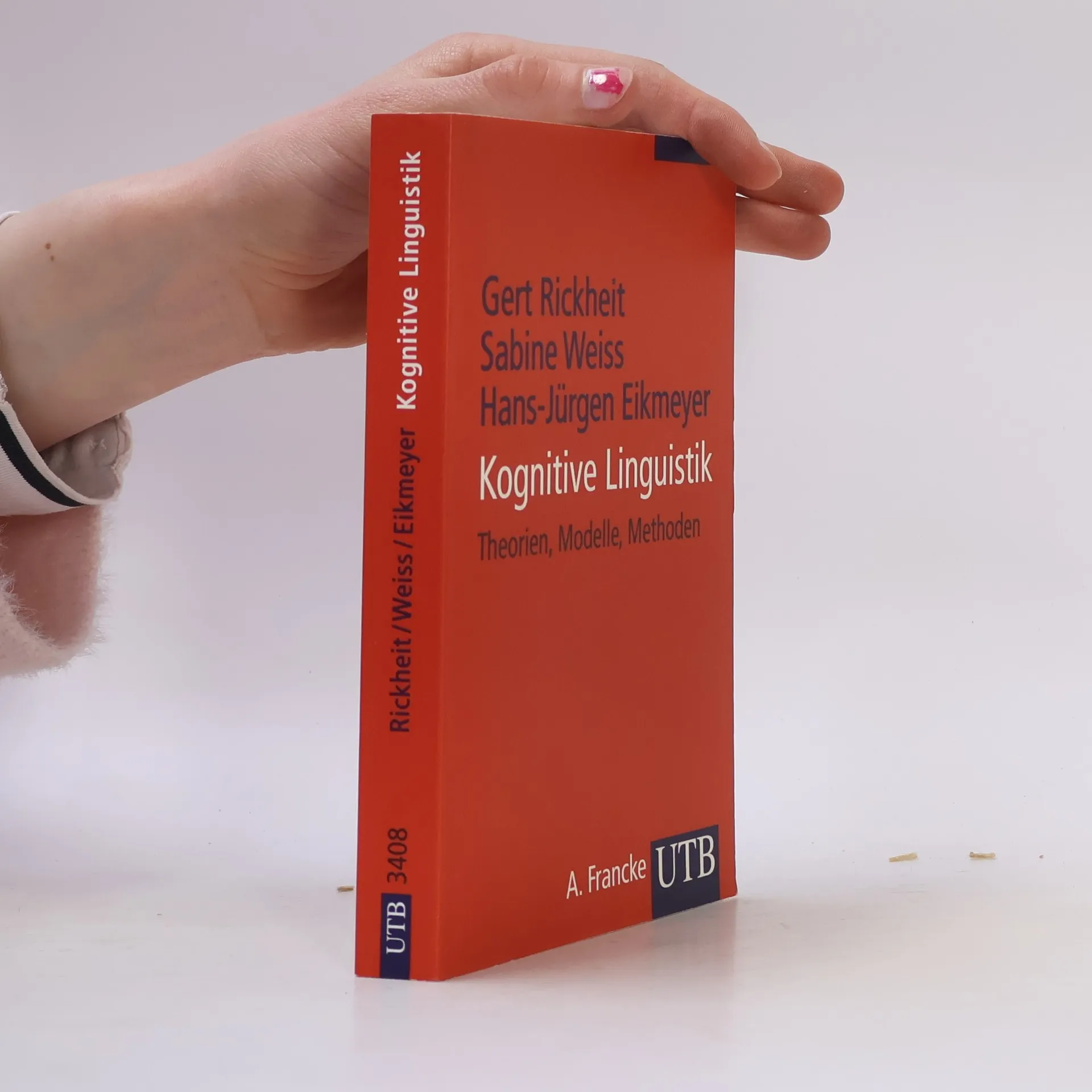
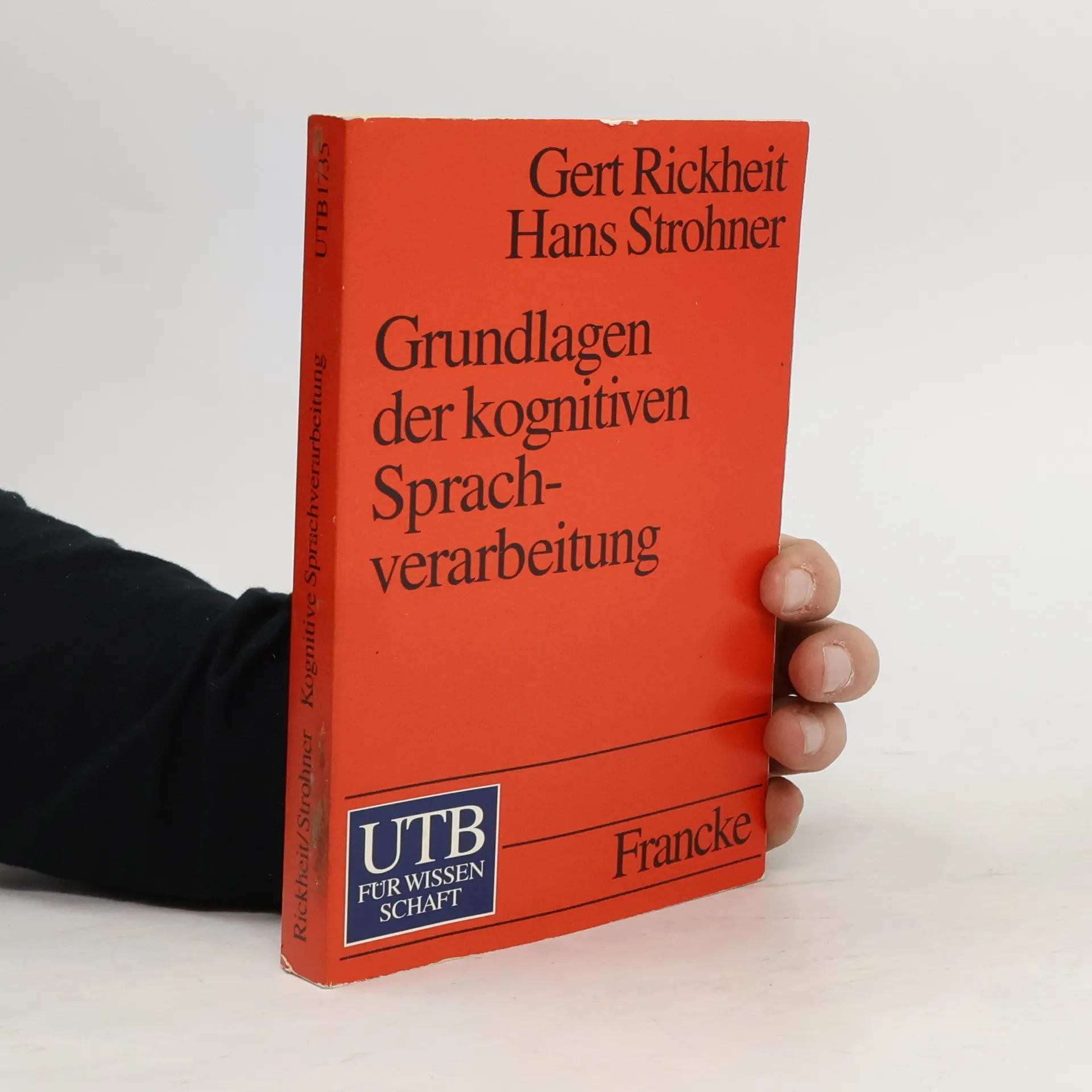
    Grundlagen der kognitiven Sprachverarbeitung
    • Richtungen im Raum

      Interdisziplinäre Perspektiven

      Dieses Buch ist unserem Freund und Kollegen Theo Herrmann gewidmet, der über die Grenzen seines Fachgebiets hinaus gewirkt hat. Er hat sich intensiv mit philosophischen, insbesondere sprachphilosophischen sowie wissenschafts- und erkenntnistheoretischen Problemen beschäftigt. Zudem hat er linguistische, insbesondere semantische und pragmatische Fragen untersucht und sich in den letzten Jahren auch mit neuro- und evolutionstheoretischen sowie KI-Themen auseinandergesetzt. Aufgrund seiner vielfältigen interdisziplinären Kooperationen ist er weit über die Psychologie und Sprachpsychologie hinaus bekannt. Zu seiner Emeritierung fand ein Kolloquium statt, das von den in diesem Band vertretenen Autorinnen und Autoren organisiert wurde. Es fand vom 20. bis 21. November 1997 im Zentrum für interdisziplinäre Forschung (ZiF) statt und behandelte verschiedene Aspekte der Raumkognition, die seit über zehn Jahren einen Schwerpunkt in Herrmanns Forschung bilden. Auch im Sonderforschungsbereich 360 „Situierte Künstliche Kommunikatoren“ werden Probleme der Raumkognition aus unterschiedlichen Perspektiven bearbeitet. Daher wurde ein Kolloquium einberufen, um wichtige Fragen der Raumkognition zu diskutieren.

      Richtungen im Raum
    • Handbook of communication competence

      • 588 Seiten
      • 21 Lesestunden

      In our everyday life, communicative processes are relevant in almost all situations. It is important to know whether you should say something which is adequate in the situation or whether it is better to say nothing at all. Communicative competence is fundamental for a successful life in our society as it is of great importance for all areas of life. Therefore, it is not surprising that communicative competence is the subject of many theoretical and empirical approaches and, in consequence, research on this topic is diverse. We focus our contributions on linguistic aspects of communication. In the centre of interest are linguistic oriented performances of different forms of communicative competence, language acquisition, and language disorders. The topics of this book concern the description of methods for studying language in the brain, the interaction between language and cognition, discourse acquisition of children, literacy acquisition and its precursors, the use and acquisition of the sign language, models and training of writing and reading, nonverbal communicative competence, media competence, communication training, developmental dyslexia, the treatment of stuttering, and the description of language disorders.

      Handbook of communication competence
    • This volume presents important results of the Collaborative Research Center (Sonderforschungsbereich) „Situated Artificial Communicators,“ which was funded by grants from the German Research Foundation (Deutsche Forschungsgemeinschaft) for more than twelve years. The contributions focus on different aspects of human-human and human-machine interaction in situations which closely model everyday workplace demands. The authors are linguists, psycho- und neurolinguists, psychologists and computer scientists at Bielefeld University. They jointly tackle questions of information processing in task-oriented communication. The role of key notions such as context, integration (of multimodal information), reference, coherence, and robustness is explored in great depth. Some remarkable findings and recurrent phenomena reveal that communication is, to a large extent, a matter of joint activity. The interdisciplinary approach integrates theory, description and experimentation with simulation and evaluation.

      Situated communication